Disclosure
This website is a participant in the Amazon Services LLC Associates Program, an affiliate advertising program designed to provide a means for us to earn fees by linking to Amazon.com and affiliated sites.
Recognizing when to replace your figure skates is crucial for performance and safety. Ignoring key warning signs can lead to poor technique and even injury on the ice.
This complete guide provides expert tips to assess your skate’s condition. You’ll learn to spot critical damage that compromises support and control.
The Hidden Danger of Worn-Out Boots and Blades
Many skaters try to extend their skate’s life far beyond its safe limit. This is a major mistake. A compromised boot loses its structural integrity, failing to support your ankles during jumps and landings.
Similarly, dull or deeply nicked blades destroy your ability to grip the ice properly. This leads to unstable edges, poor push-offs, and a significantly higher risk of falls and chronic injuries.
A Temporary Solution for Blade Wear
If your blades are simply dull but the boots are still sound, a professional sharpening can restore performance. For at-home maintenance between sharpenings, a honing stone can help manage minor nicks.
A quality tool like the TidiRob Ice Skate Sharpener is a smart investment for any dedicated skater.
- Dual grit sides for light sharpening and polishing
- Ergonomic, non-slip rubber handle for safe use
- Helps maintain edge sharpness and remove small burrs
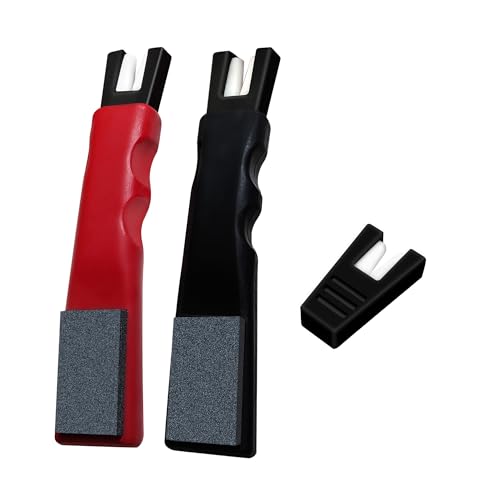
- Premium Performance: The ice skate sharpener is durable for frequent use…
- Durable Material: V-shaped sharpening edge made of high-quality ceramic for…
- 2-in-1 Design: V-shaped edge sharpens main blades quickly; the sharpening…
Check current price on Amazon →
When Maintenance Isn’t the Solution
Sharpening cannot fix a broken-down boot. If the leather or synthetic material is permanently creased, cracked, or feels “soft,” the support is gone. This is a critical safety issue, especially for advanced moves.
At this point, replacement is your only safe option. Begin your search with our comprehensive guide to the best figure skates with stainless steel blades for durable options.
For specific models, read our in-depth Riedell Soar ice skates review or explore the most comfortable ice skates if break-in pain is a concern.
Warning Sign #1: Your Boots Have Lost Their Structural Support
This is the most critical sign your skates need replacing. The boot’s primary job is to provide rigid ankle support for stability and power transfer. When that structure fails, your performance and safety are directly compromised.
You rely on this support for every jump, spin, and landing. A broken-down boot cannot protect your ankles from rolling, leading to acute sprains or chronic stress injuries.
How to Diagnose a Broken-Down Boot
Don’t just go by age. Actively check for these physical failures. A simple visual and tactile inspection will reveal the truth.
- Permanent Deep Creasing: The leather or synthetic material is heavily folded when your foot is flat. It no longer springs back.
- Ankle Collapse: Apply light pressure to the sides of the boot’s ankle. If it easily caves inward, the support is gone.
- Internal Padding Breakdown: The interior foam and lining are compacted, creating a “packed out” feel with too much room.
Why This Happens and Why It’s Dangerous
Boots break down from repeated stress, moisture, and natural material fatigue. Advanced skaters exert tremendous force, accelerating this wear.
A soft boot forces your muscles and ligaments to overwork for stability. This leads to poor technique, inconsistent jumps, and compensatory injuries in knees, hips, and back.
Continuing to skate in compromised boots reinforces bad habits. It makes learning new skills harder and corrects technique nearly impossible to master.
| Condition | Safe to Skate? | Action Required |
|---|---|---|
| Minor surface creasing | Yes | Monitor wear |
| Deep, permanent creases at ankle | No | Immediate replacement |
| Boot stands upright on its own | Yes | Good structural integrity |
| Ankle collapses with light hand pressure | No | Stop skating; replace immediately |
Warning Sign #2: Severe Blade Damage and Irreparable Wear
Your blades are your direct connection to the ice. Damage here affects control, speed, and safety. While minor nicks can be sharpened out, certain types of wear are terminal.
Ignoring blade issues leads to catching edges, unpredictable slides, and loss of confidence. This makes every element, from basic stroking to complex jumps, feel unstable and dangerous.
Identifying Critical Blade Damage
Run your fingernail carefully along the edges of both blades. Look and feel for these specific problems that signal replacement is needed.
- Deep Rocker Damage: Visible flat spots or grooves on the blade’s curved bottom profile. This destroys the blade’s natural turning radius.
- Hollow Ground Out: The central groove between the two edges is nearly gone from repeated sharpenings. This eliminates proper bite and water displacement.
- Major Edge Chips or Cracks: Gaps or fractures in the steel, especially near the toe pick or heel. These are stress points that can fail completely.
The Cost-Benefit Analysis: Sharpen vs. Replace
Frequent sharpening eventually wears down the blade. All blades have a finite lifespan measured in millimeters of steel.
When the hollow is shallow or the rocker is flat, no amount of sharpening will restore correct performance. You’re just grinding away worthless steel.
Replacing blades alone can be costly. Often, if both boots and blades are spent, investing in new complete skates is more economical and effective for performance.
| Issue | Fixable by Sharpening? | Solution |
|---|---|---|
| Dull edges | Yes | Professional sharpening |
| Minor surface nicks | Yes | Honing stone or sharpening |
| Hollow <50% depth remaining | No | Blade or skate replacement |
| Visible rocker flat spot | No | Immediate blade replacement |
Warning Sign #3: Persistent Pain and Discomfort That Won’t Resolve
Some break-in discomfort is normal, but chronic pain is a major red flag. Your skates should feel like a secure, supportive extension of your foot, not a source of agony.
Persistent pain often indicates a poor fit or a boot that has broken down in a way that creates pressure points. This distracts from training and can cause long-term foot issues.
Differentiating Break-In Pain from Fit Problems
Understanding the type of pain is crucial for diagnosis. Break-in pain is generalized and improves within a few sessions. Problem pain is specific and constant.
- Localized Pressure Points: Sharp pain on bony prominences like ankles, bunions, or the top of the foot. This signals incorrect width or volume.
- Numbness or Tingling: Loss of sensation in toes or the ball of the foot. This indicates nerve compression from a too-tight or poorly shaped boot.
- Heel Slippage with Pain: Your heel lifts slightly with each push, causing blisters and instability. The boot is too large or broken down internally.
When Pain Signals a Need for Replacement
If pain persists after professional fitting adjustments and adequate break-in time, the skate itself is the problem. The boot’s internal shape does not match your foot’s anatomy.
Continuing to skate in painful boots alters your biomechanics. You’ll subconsciously change your posture and edges to avoid pain, ingraining bad technique.
For those prioritizing comfort, exploring skates designed for it is essential. Our guide to the best comfortable ice skates highlights models built to minimize break-in agony and maximize enjoyment on the ice.
| Type of Pain | Possible Cause | Typical Solution |
|---|---|---|
| Generalized aching | Normal break-in | Wear longer, use protective pads |
| Sharp, pinpoint pain | Poor fit / Pressure point | Boot punching or replacement |
| Top-of-foot pain | Laces too tight / Low volume | Relace or replace with higher-volume boot |
| Arch cramping | Lack of support / Wrong arch | Custom insoles or different skate model |
Warning Sign #4: Visible Cracks, Splits, or Broken Hardware
This is the most obvious visual sign your skates are failing. Any crack in the boot’s exterior material is a critical structural failure. It will only worsen with use.
Similarly, broken or loose rivets, eyelets, or hooks compromise the boot’s ability to stay securely on your foot. This creates unpredictable and dangerous skating conditions.
Inspecting Your Skates for Structural Failure
Conduct a thorough visual inspection in good light. Pay close attention to high-stress areas that bear the most force during skating.
- Check the Sole and Heel: Look for separation where the boot meets the sole or heel. This is often a glue failure that allows water in and flexibility where there should be none.
- Examine the Backstay and Ankle: Look for cracks in the stiffener at the back of the boot (the backstay) or radiating from the ankle area. These areas handle intense jumping forces.
- Test All Hardware: Gently tug on hooks and eyelets. They should be completely secure. Loose or missing rivets mean the lacing system is failing.
Why Repairs Are Usually Not Viable
While a skilled skate technician can sometimes replace a rivet, they cannot truly repair a cracked boot shell. Glues and patches do not restore the original strength and flex pattern.
Any repair is a temporary, unreliable fix on equipment that must handle immense dynamic loads. The cost of a quality repair often approaches the value of old, worn skates.
Investing in new, reliable equipment is the only safe and economically sensible path forward. For durable options built to last, consider skates featured in our review of stainless steel blade models, known for their resilience.
| Failure Point | Immediate Risk | Long-Term Consequence |
|---|---|---|
| Cracked backstay | Complete ankle collapse on landing | Severe ankle sprain or fracture |
| Separating sole | Loss of power transfer, blade misalignment | Chronic foot pain, tendonitis |
| Broken hook/rivet | Sudden loss of lace tension mid-skate | Fall due to unexpected instability |
Warning Sign #5: Your Skill Level Has Outgrown Your Skates
This is a positive sign of progress, but a critical one for equipment. The skates that served you well as a beginner can actively hold you back as an intermediate or advanced skater.
Inadequate skates lack the support, blade quality, and design features needed for higher-level elements. They become a limiting factor in your development and safety.
How Skates Can Limit Advanced Skill Development
Beginner skates are designed for stability, not high-performance dynamics. As you progress, this design works against you.
- Insufficient Ankle Support: Softer boots cannot handle the torque of multi-rotation jumps. Your ankle muscles overcompensate, wasting energy and risking injury.
- Low-Quality Blades: Recreational blades often have a flatter rocker and softer steel. This hinders deep edges, precise footwork, and clean toe-pick assists for jumps.
- Wrong Boot Stiffness: The boot may either be too stiff (preventing proper knee bend) or too soft (collapsing on landings). Both disrupt the kinetic chain of movement.
Signs It’s Time for a Performance Upgrade
Listen to your coach and your own body. Specific frustrations often point directly to equipment limitations needing an upgrade.
You may feel like you’re “fighting” your skates to achieve positions that should feel natural. The skates feel unresponsive or sloppy when you attempt more precise maneuvers.
Upgrading to a skate that matches your current skill level and goals is an investment in your future. For skaters making this leap, our guide to the best women’s recreational ice skates covers excellent next-step models that bridge the gap to serious figure skating.
| Skater Level | Typical Skate Features | Upgrade Trigger |
|---|---|---|
| Beginner | Soft boot, basic blade, warmth focus | Learning one-foot spins, waltz jumps |
| Intermediate | Moderate support, parabolic blade | Working on single Axels, back spins |
| Advanced | Stiff boot, high-grade steel blade | Training double jumps, complex footwork |
How to Choose Your Next Pair of Figure Skates
Recognizing you need new skates is the first step. Choosing the right replacement is the crucial next one. A proper fit and appropriate support level are non-negotiable for performance and safety.
Investing in the wrong skate can set you back financially and technically. This guide will help you navigate the key decision points for a successful purchase.
Getting Professionally Fitted: The Golden Rule
Never buy figure skates based solely on your street shoe size. Skate sizing is different and varies dramatically between brands like Jackson, Riedell, and Edea.
A professional fitter will measure both length and width, assess your arch, and analyze your foot volume. They will also consider your current skill level, weight, and skating goals to recommend the correct boot stiffness.
This service is invaluable. It prevents the pain and injury risks associated with poor fit, ensuring your new skates are an asset, not a liability.
Key Factors in Your Skate Selection
Beyond size, several technical factors determine if a skate is right for you. Consider this checklist before you buy.
- Boot Stiffness Rating: Match this to your weight, strength, and jump level. Too stiff inhibits bend; too soft collapses.
- Blade Profile and Rocker: Different radii suit different disciplines. A 7-foot rocker is common for freestyle; an 8-foot offers more stability.
- Construction & Materials: Consider heat-moldable boots for a custom fit, and stainless steel blades for durability and edge retention.
Quick Selection Guide
For Beginners/Recreational Skaters: Focus on comfort, warmth, and basic support. See our picks for the best women’s recreational ice skates.
For Advancing Skaters: Prioritize improved support and better blade quality. The Riedell Soar is a fantastic intermediate step-up model.
For Performance & Durability: Invest in high-grade blades and stiff boots. Our review of the best skates with stainless steel blades is essential reading.
Figure Skate Maintenance to Extend Their Lifespan
Proper care can significantly delay the onset of the warning signs we’ve covered. A well-maintained skate is a safer, more predictable, and longer-lasting piece of equipment.
Routine maintenance protects your investment and ensures consistent performance every time you step on the ice. These habits are simple but profoundly effective.
Essential Post-Skating Care Routine
Never put wet skates away in your bag. Moisture is the primary enemy of leather, glue, and steel. Follow this quick routine after every session.
- Dry the Blades Thoroughly: Wipe them completely with a soft, absorbent cloth to prevent rust. Pay special attention to the crevices near the toe pick and heel.
- Remove Boot Liners & Insoles: If possible, take them out to air dry separately. This prevents mildew and odor buildup inside the boot.
- Use Boot Guards & Soakers: Place absorbent terrycloth soakers over the blades to wick away moisture. Never use hard plastic blade guards for storage, as they trap dampness.
Long-Term Storage and Protection
For seasonal storage or extended breaks, a few extra steps will keep your skates in competition-ready condition.
- Deep Clean & Condition: Gently clean leather boots with appropriate products and apply a conditioner to prevent cracking.
- Apply a Light Oil Coat: Put a very thin layer of mineral oil on clean, dry blades to prevent surface rust during storage.
- Store Properly: Keep skates at room temperature in a dry place, away from direct heat sources. Stuff the boots with newspaper to maintain shape and absorb residual moisture.
| Task | Frequency | Purpose |
|---|---|---|
| Wipe & dry blades | After EVERY use | Prevent rust |
| Air out boots/liners | After EVERY use | Prevent odor, mildew |
| Professional sharpening | Every 20-40 ice hours | Maintain edge performance |
| Check for loose hardware | Monthly | Prevent catastrophic failure |
| Condition leather boots | Seasonally | Prevent drying & cracking |
Best Figure Skates for Replacement – Detailed Comparison
Based on common needs when replacing worn-out skates, here are three highly recommended models across different categories. Each offers excellent value, durability, and performance for skaters at various levels.
Jackson Ultima Mystique Figure Skates – Best for Advancing Beginners
The Jackson Mystique (FS1490) is the ideal step-up skate. It features a moderately stiff boot for improved ankle support and the reliable Mirage blade. This combination offers great value for skaters moving beyond basic skills and needing more stability for jumps and spins.

- Ice skates for women with light support level for learn to skate programs…
- Premium microfiber upper with soft rolled collar. Synthetic lining with…
- Foam backed tongue for womens ice skates, girls ice skates, toddler ice…
Riedell Soar Figure Skates – Best Intermediate Upgrade
For skaters outgrowing recreational models, the Riedell Soar is a top choice. It boasts a heat-moldable liner for a custom fit and a durable stainless steel blade. This skate provides the precise support and responsive blade needed for consistent single jumps and advanced footwork.
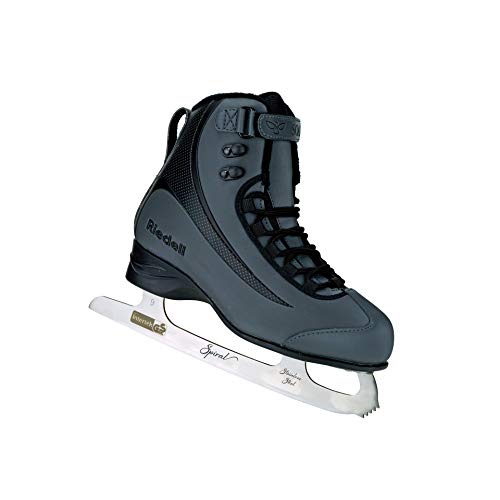
- ENDLESSLY COMFORTABLE: These modern ice skates for women and men have a…
- GREAT SUPPORT: This ice skate set offers light support to keep you stable…
- KEEP YOU SAFE & DRY: These beginner ice skates have safety in mind by…
Edea Overture Figure Skates – Best for Serious Skaters
The Edea Overture is designed for skaters working on axels and double jumps. Its unique lightweight, synthetic shell promotes deeper knee bends without breaking down. Paired with a quality blade, it’s a performance-oriented boot that bridges the gap to elite-level skating.
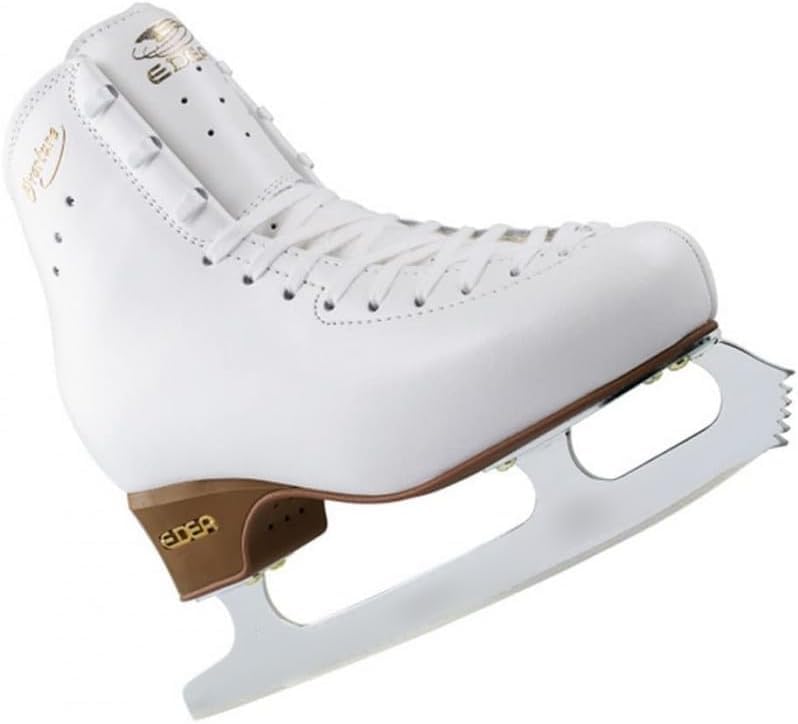
- L’Estel Skates – Edea – Edea Overture Boots+Grade 2 Blades – Ice Skating
Conclusion: Prioritizing Safety and Performance in Your Skates
Recognizing the five warning signs for skate replacement is essential for every skater. It protects you from injury and ensures your equipment supports your progress, not hinders it.
Do not ignore persistent pain, visible damage, or a lack of support. Investing in properly fitted, high-quality skates is an investment in your skating future and personal safety.
Use this guide to assess your current skates honestly. Then, consult with a professional fitter to find your perfect pair and get back on the ice with confidence.
Your best performances happen when you and your equipment work in perfect harmony.
Frequently Asked Questions about Replacing Figure Skates
How often should figure skates be replaced on average?
There’s no fixed timeline, as it depends on usage, skill level, and build quality. A recreational skater might get 5+ years, while a competitive skater training daily may need new skates every 1-2 years. Replace based on the five warning signs of wear, not a calendar date.
Monitor your skates for loss of support, blade wear, and comfort. Regular maintenance can extend lifespan, but structural failure demands immediate replacement regardless of age.
Can I just replace the blades instead of the whole skate?
Yes, if the boots are still structurally sound. This is a cost-effective option when high-quality boots have life left but blades are worn out or you want an upgrade. A professional can mount new blades to your existing boots.
However, if the boots show any signs of breakdown (creasing, softening), replacing the entire skate is safer and more economical. Mounting blades to compromised boots is not recommended.
What is the most common reason for premature skate breakdown?
Improper storage is a major culprit. Leaving skates in a wet bag or a hot/cold car trunk degrades glue, warps materials, and causes rust. Moisture breaks down leather and interior padding faster than actual skating.
Lack of proper drying after each use accelerates this damage. Always wipe blades dry, air out boots, and use absorbent soakers to maximize your skate’s lifespan.
How can I tell if my skate pain is from breaking in or a bad fit?
Break-in pain is generalized soreness that diminishes significantly within 3-5 skating sessions. Bad fit pain is sharp, localized, and persistent in the same spots (ankles, bunions, toes) even after weeks.
Numbness or tingling indicates nerve compression from a too-tight fit. A professional fitter can assess if punches or stretches can help or if a different skate model is necessary.
Are expensive figure skates always better than affordable ones?
Not always. “Better” means correct for your skill level. An advanced, stiff $800 skate would be terrible and dangerous for a beginner. An affordable, properly fitted skate for your current ability is always the best choice.
Invest in the level of support and blade you need now. Overspending on skates far beyond your skill can hinder progress and be uncomfortable.
What should I do with my old figure skates?
If they are still safe for recreational skating, consider donating them to a local club or learn-to-skate program. Ensure you disclose any known wear issues. Some shops also host skate swap events.
If they are unsafe (cracked, broken down), recycle them responsibly. Remove the metal blades and recycle the steel separately if possible, following local waste guidelines.
Is it worth buying used figure skates?
It can be risky but possible with extreme caution. Only consider used skates if the boots show no deep creases, cracks, or ankle collapse. Check that blades have plenty of life left and the hollow isn’t worn flat.
This option is best for beginners needing temporary skates or parents of rapidly growing children. For serious skaters, new, professionally fitted skates are a wiser investment.
How long does it take to break in new figure skates properly?
A proper break-in period typically takes 10-20 hours of ice time. Start with shorter sessions (30-45 minutes) to allow your feet and the boots to adjust gradually. Never try to break in new skates in one long, painful session.
Use protective pads like gel sleeves on known pressure points. Heat-moldable skates can shorten this process, but some gradual molding on the ice is still essential for optimal comfort.