Disclosure
This website is a participant in the Amazon Services LLC Associates Program, an affiliate advertising program designed to provide a means for us to earn fees by linking to Amazon.com and affiliated sites.
Proper figure skate blade maintenance is critical for performance and safety. Yet, many skaters unknowingly make costly errors that damage their blades and hinder their progress. This guide reveals the six most common and damaging mistakes.
Avoiding these errors will save you money, extend blade life, and ensure optimal ice grip. You’ll enjoy smoother spins, more secure edges, and consistent performance every session.
Mistake 1: Using the Wrong Storage Method
Leaving your skates in a wet bag or on a damp floor is a top blade killer. This traps moisture against the steel, leading to immediate surface rust. Over time, this corrosion eats into the metal, dulling edges and creating dangerous pits.
The solution is simple: always use proper skate guards that allow air to circulate. More importantly, you need a dedicated storage system that keeps blades dry and protected from accidental nicks. A good bag with separate compartments is essential.
Quick Fix: The Essential Blade Saver
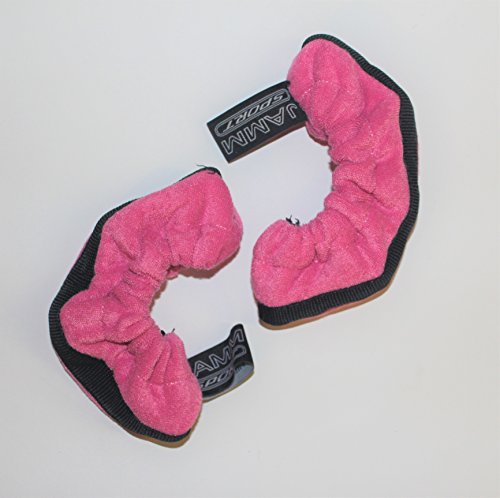
For daily protection, a set of absorbent Jamm Terry Cloth Skate Guards is non-negotiable. Unlike hard plastic “soakers,” these soft guards wick moisture away from the blade immediately after you step off the ice.
Check current price on Amazon →
- Super-Absorbent Material: Pulls moisture off the blade to prevent rust formation.
- Protective Lining: Soft inner layer prevents scratches on sharpened edges.
- Durable Construction: Withstands daily use and is machine washable.
- soaker
- hockey soakers
- jamm
When Guards Aren’t Enough: The Full Protection System
If your skates live in a gym bag or closet, you need more than just soakers. A high-quality skate bag with ventilation is crucial for long-term storage. Look for bags with separate blade compartments.
Persistent rust or deep pitting often means the blade’s protective coating is compromised. At this point, professional sharpening and honing are required. For skaters investing in new blades, start right by exploring our guide on the best beginner figure skates that balance performance and durability. Proper care starts with the right foundation, as seen in detailed reviews like the Jackson Ultima Classic which highlights built-for-lasting construction.
Mistake 2: Improper Drying
Rust is the silent enemy of every figure skate blade. It doesn’t just look bad; it actively degrades your blade’s performance and safety. The primary cause is failing to properly dry your blades after every single use, even after a short session.
Moisture from the ice mixes with airborne contaminants, creating a corrosive film. This process begins within minutes of leaving the rink. Preventing this requires a consistent and effective drying routine.
Key Takeaway: Never put wet blades in hard guards or a closed bag. Always dry them thoroughly with a soft, absorbent cloth immediately after skating.
The Step-by-Step Post-Skate Drying Protocol
Follow this simple three-step process to ensure your blades are completely dry before storage. Consistency is more important than complexity here.
- Wipe Blades Immediately: Use a dedicated, dry microfiber cloth the moment you step off the ice. Wipe from the heel to the toe to follow the blade’s contour.
- Air Dry in Open Air: Remove your skates and let them sit uncovered in a dry, room-temperature area for 20-30 minutes. This allows hidden moisture to evaporate.
- Final Check & Guard Up: Feel the blades for any dampness. Once completely dry, slide on your soft terry cloth soakers for overnight storage.
Identifying Early vs. Advanced Rust Damage
Not all rust is created equal. Spotting the early signs can save you from costly blade replacement. Here’s how to diagnose the severity.
| Type of Damage | What It Looks Like | Corrective Action |
|---|---|---|
| Surface Rust | Light orange/brown spots or a uniform “frosting” on the steel. | Can often be polished off gently with a specialized rust eraser or fine grit pad. A professional sharpening may still be needed. |
| Pitting | Small, permanent holes or craters in the blade’s surface. | This damage is permanent. It affects glide and edge hold. Blades with deep pitting typically need to be replaced. |
If you discover pitting, it’s a sign your maintenance routine has failed long-term. When considering new skates, a model with a focus on durable materials is key. Our review of the Riedell Soar skates highlights their corrosion-resistant blade coating, a feature designed to combat this exact problem.
Mistake 3: Over-Sharpening Your Skates
Many skaters believe frequent sharpening leads to better performance. This is a dangerous misconception. Over-sharpening is one of the fastest ways to prematurely destroy a high-quality figure skate blade.
Each sharpening removes a layer of steel from the blade. There is only a finite amount of material before the blade becomes unusable. Judging the correct sharpening interval is crucial for blade longevity.
Key Takeaway: Sharpen based on feel and performance, not a fixed schedule. Most recreational skaters only need sharpening every 20-40 hours of ice time.
Signs Your Blades Actually Need Sharpening
Learn to read your skates’ performance instead of marking a calendar. Sharpening too soon wastes blade life and money. Here are the true indicators.
- Loss of Grip on Edges: Your skates feel “slippery” or you slide out of turns and pushes unexpectedly.
- Difficulty Holding a Spin: Your spinning foot wobbles or travels because the edges cannot bite the ice securely.
- Visible Flat Spots: Run your fingernail gently across the blade’s hollow. If it glides smoothly without catching, the edges are likely dull.
The Real Cost of Excessive Sharpening
Beyond shortening your blade’s lifespan, over-sharpening creates immediate performance issues. A fresh sharpen is not always a better sharpen.
| Problem Created | Result for the Skater |
|---|---|
| Overly Aggressive Edges | Blades catch unpredictably, making movements jerky and increasing fall risk, especially for beginners. |
| Altered Blade Profile | Excessive metal removal changes the blade’s rocker and balance, disrupting muscle memory and consistency. |
| Weakened Structural Integrity | The blade becomes thinner and more prone to flexing or cracking under stress, a critical safety issue. |
For new skaters learning proper maintenance, starting with a forgiving blade is wise. Our guide to the best figure skates for beginners recommends models with durable steel that balances edge retention with longevity, helping you avoid this costly mistake from day one.
Mistake 4: Using Hard Skate Guards on Dry Floors
Hard plastic guards are designed for one purpose: protecting blades when walking off the ice. Leaving them on during storage or while the blades are dry is a major maintenance blunder. This traps residual moisture and prevents air circulation.
The constant pressure from the hard plastic can also warp the blade’s subtle profile over time. This alters your rocker and pitch, fundamentally changing how your skates perform and feel on the ice.
Key Takeaway: Hard guards are for walking only. The moment you sit down, take them off and replace them with soft, absorbent soakers.
The Correct Order of Operation: Guards vs. Soakers
Confusion between these two protectors causes most of the damage. Follow this clear sequence every time you finish a session.
- Step Off Ice → Hard Guards On: Immediately cover blades with hard guards to walk to your bench. This protects edges from concrete and debris.
- Sit Down → Hard Guards Off: Remove hard guards. Thoroughly dry blades with your microfiber cloth as described in the previous section.
- Storage → Soakers On: Once blades are completely dry, slide on terry cloth soakers. These allow air flow while protecting edges in your bag.
Choosing the Right Guards for Your Skating Level
Not all hard guards are created equal. The best choice depends on your frequency of use and skating environment.
| Guard Type | Best For | Key Feature |
|---|---|---|
| Standard Plastic Guards | Recreational skaters & beginners. | Affordable and readily available. Ensure they fit snugly without forcing. |
| Vented/Channeled Guards | Frequent skaters & competitors. | Have openings to let some moisture escape during short walks. Not for storage. |
| Elasticized Terry Soakers | EVERYONE (for storage). | Must be used by all skaters for drying and storage after the hard guards come off. |
Using the wrong protection is a common beginner error. For those selecting their first pair, understanding built-in blade quality is key. Reviews like the Lake Placid Cascade often detail the stock blade and its maintenance needs, helping you start with the right habits.
Mistake 5: Neglecting Regular Blade Inspections and Cleaning
Blades require more than just drying and sharpening. Failing to perform regular visual inspections and cleanings allows small problems to become major failures. Dirt, salt, and ice melt chemicals accelerate corrosion dramatically.
A quick two-minute check before you skate can prevent a ruined session or a dangerous fall. This proactive habit is what separates diligent skaters from those with constantly problematic blades.
Key Takeaway: Inspect your blades for nicks, rust, and debris every time you put them on. Clean them with a dedicated blade cleaner every few weeks.
The Pre-Skate Visual Inspection Checklist
Before stepping onto the ice, run through this quick visual and tactile check. Focus on the three most critical areas of the blade.
- Edges: Look down the length of the blade. Check for visible nicks, dings, or sections that look flat or shiny instead of uniformly matte.
- Stainless Steel Surface: Scan for any orange or brown spots of rust, especially near the mounts and the toe pick.
- Toe Pick & Screws: Ensure all toe pick teeth are secure and not bent. Check that the sole and heel plate screws are tight and not rusted.
How to Deep Clean Your Skate Blades Safely
When you notice grime buildup, a simple deep clean is needed. Never use household cleaners or water, as they can damage the steel and boot.
- Gather Supplies: Use a specialized blade cleaning gel or spray and a soft cloth or paper towel.
- Apply Cleaner: Spray or rub a small amount onto the blade steel. Avoid getting any product on the boot leather or lining.
- Wipe & Dry: Gently wipe the blade clean with a dry section of the cloth. Ensure all residue is removed before storing.
Regular cleaning maintains the blade’s factory coating and prevents abrasive dirt from wearing down edges. For skaters who use their gear in varied conditions, understanding durable construction is vital. The best ice skates for indoor and outdoor use are built to handle more contaminants, making this maintenance step even more critical.
Mistake 6: Choosing an Inexperienced Skate Sharpener
Your skate sharpener is as important as your coach. An inexperienced or careless technician can irreversibly damage your blades in minutes. This mistake often results in uneven edges, an incorrect hollow, or a ruined blade profile.
The consequences go beyond wasted money. Improper sharpening affects your balance, power, and safety on the ice. It can instill bad technical habits as you compensate for faulty edges.
Key Takeaway: Never choose a sharpener based on price or convenience alone. Seek a certified, experienced professional who specializes in figure skates.
Red Flags of a Bad Skate Sharpening Job
Learn to evaluate a sharpening immediately after picking up your skates. Catching a problem early allows for correction before you skate.
- Uneven Edge Height: Place the blade on a flat, level surface. If it rocks side-to-side, the edges are not level (a fatal flaw).
- Inconsistent Bite: Run your fingernail lightly along the hollow from heel to toe. The catch should feel uniform, not varying in intensity.
- Visible Grinding Marks: The blade should have a smooth, consistent finish. Obvious circular or cross-grind patterns indicate poor technique.
How to Find and Vet a Qualified Skate Technician
Do your homework before handing over your valuable equipment. A good sharpener will welcome these questions.
| Question to Ask | What a Good Answer Sounds Like |
|---|---|
| “What is your certification/experience?” | They mention a recognized program (e.g., USFSA, ISI, manufacturer training) and years of experience with figure skates specifically. |
| “Can you explain your process?” | They discuss checking for blade alignment, using a jig, and hand-honing. They ask about your skating level and preferences. |
| “What hollow/radius do you recommend for me?” | They ask about your weight, skill level, and discipline before making a recommendation, not just using a one-size-fits-all setting. |
Starting with a skate that offers a quality stock blade can give you a better baseline. Reviews like the Jackson Ultima Classic series review often comment on the blade’s sharpening retention and quality, which is a good indicator for long-term maintenance ease.
Mistake 7: Failing to Protect Blades During Transport
Your blades face their greatest physical danger during transport, not on the ice. Tossing skates into a bag unprotected or letting them bang together causes edge nicks and alignment damage. This mistake silently degrades performance.
Each tiny nick creates a weak spot that can catch on the ice, causing stumbles or falls. Furthermore, impacts can subtly bend the blade or loosen its mounting, altering your skate’s precise alignment.
Key Takeaway: Always use individual blade guards or a bag with rigid, separated compartments when traveling. Never let bare blades touch each other or hard objects.
Essential Gear for Safe Skate Transportation
Investing in the right transport gear is non-negotiable for protecting your investment. These items form a complete protection system.
- Rigid Skate Bag: Choose a bag with hard-sided, individual blade compartments. This prevents crushing and contact.
- Individual Blade Covers: Use stiff plastic or padded slip-on covers that stay on during transport, inside the bag.
- Separate Boot Bags: For ultimate protection, carry boots in separate cloth bags before placing them in your main skate bag.
The Correct Way to Pack Your Skates for Travel
Follow this method to ensure your skates arrive at the rink in competition-ready condition. This is especially crucial for air travel.
- Dry & Soak: Ensure blades are completely dry, then place terry cloth soakers on them.
- Add Hard Covers: Slide stiff plastic transport guards over the soakers for impact protection.
- Pack in Compartment: Place each skate in its own rigid compartment within your bag, boots facing away from each other.
For skaters who travel frequently or need an all-in-one durable solution, some skate models are designed with this in mind. The Lake Placid Nitro 8.8 features an adjustable fit and often comes with a robust carrying case, highlighting the importance of integrated transport protection from the start.
Building Your Complete Skate Blade Maintenance Kit
Preventing the previous six mistakes requires the right tools. A dedicated maintenance kit saves you time, money, and frustration. Having everything in one place makes consistent care a simple habit.
This kit is separate from your on-ice gear bag. Store it at home where you unpack your skates. Investing in these few key items will dramatically extend your blade’s lifespan.
Key Takeaway: Assemble a simple, dedicated kit with the essentials. Consistent, proper care is easier when you have the right tools on hand.
The 5 Must-Have Items for Every Skater
You don’t need a pro shop at home. Start with these five affordable, essential items to cover 95% of maintenance needs.
- Microfiber Drying Cloths (2-3): Dedicate these solely to blade drying. They are highly absorbent and won’t scratch the steel.
- Soft Terry Cloth Soakers: For post-drying storage. Ensure they are clean and dry before putting them on your blades.
- Hard Plastic Walking Guards: One pair for walking from the ice to your bench. Never use them for storage.
- Blade Cleaning Gel/Spray: A specialized product for safely removing built-up ice rink residue and light rust.
- Small Screwdriver Set: For checking the tightness of toe pick and mounting screws during inspections.
Advanced Tools for the Dedicated Skater
If you skate frequently or compete, consider adding these items to your kit for enhanced control and protection.
| Tool | Purpose | Benefit |
|---|---|---|
| Blade Stone/Honing Stone | Gently remove tiny burrs and maintain edges between sharpenings. | Extends time between professional sharpening, saving money and blade steel. |
| Rust Eraser | Safely remove early-stage surface rust spots before they pit. | Saves blades from permanent damage, acting as a corrective tool for minor neglect. |
| Stiff Transport Guards | Protect edges from nicks and impacts inside your skate bag. | Preserves a perfect sharpening and prevents alignment damage during travel. |
Starting with skates that encourage good maintenance is half the battle. For those prioritizing longevity and ease of care, our guide to the best comfortable ice skates often highlights models with durable, easy-to-maintain blades and boots designed for the long haul.
Best Products for Skate Blade Maintenance – Detailed Comparison
Equipping yourself with the right tools makes proper blade care simple and effective. These three highly-rated products address the most common maintenance mistakes, from drying to transport. Investing in quality gear protects your larger investment in your skates.
Jamm Terry Cloth Skate Guards – Best Overall Soakers
These are the gold standard for absorbent blade protection. Made with thick, plush terry cloth, they wick moisture away instantly to prevent rust. The elasticized top ensures a secure fit, and the durable construction withstands repeated washing. Ideal for daily post-skate storage.
- soaker
- hockey soakers
- jamm
Guard Dog Ice Skate Guards – Best Hard Plastic Walking Guards
Designed for maximum durability and grip, these guards feature a non-slip rubberized tread for safe walking on any surface. The sturdy plastic shell protects edges from concrete chips and debris. Their vented design allows some airflow, making them a top choice for frequent skaters.
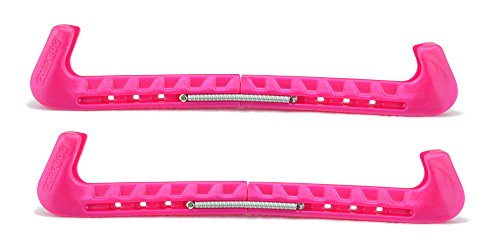
- Fits up to adult size 9
Skate Anytime Cleaning Gel – Best Cleaning Solution
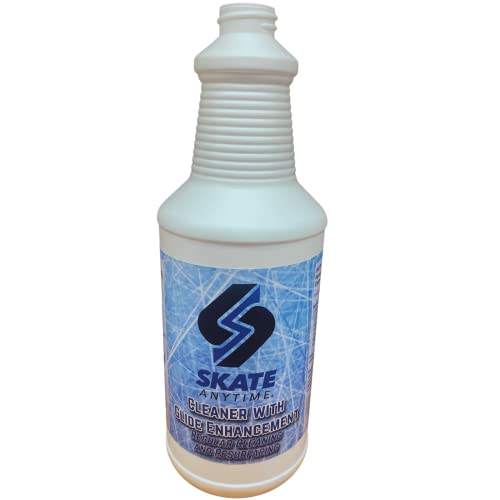
This specialized gel safely dissolves ice rink residue, dirt, and light surface rust without damaging blade steel or boot finishes. Its non-toxic, non-flammable formula is easy to apply and wipe off, leaving a protective coating. Perfect for a monthly deep clean to maintain optimal blade performance.
Conclusion: Mastering Skate Blade Maintenance for Peak Performance
Avoiding these six common mistakes will save you money and frustration. Your blades will last longer and perform consistently. You’ll skate with greater confidence and safety on every edge.
The key takeaway is to establish a simple, consistent routine. Dry blades immediately, use the right guards, and sharpen only when needed. This proactive care is far easier than fixing damage.
Start by assembling your basic maintenance kit today. Review each section above to ensure you’re not making any of these costly errors. Your future self on the ice will thank you.
With proper care, your blades become a reliable extension of your skill, not a source of worry. Now go enjoy a smoother, more secure glide.
Frequently Asked Questions about Figure Skate Blade Maintenance
How often should I sharpen my figure skates?
Sharpen based on performance, not a schedule. Most recreational skaters need sharpening every 20-40 hours of ice time. Listen to your edges—if you feel slipping on turns or spins, it’s likely time.
Over-sharpening wastes blade life and creates overly aggressive edges. A qualified technician can assess your blades and recommend the ideal hollow for your weight and skill level to maximize time between sessions.
What is the best way to dry skate blades after use?
Immediately wipe blades with a dry microfiber cloth from heel to toe. Then, let them air dry uncovered for 20-30 minutes in a room-temperature area. This allows all moisture to evaporate completely.
Only after they are fully dry should you put on soft terry cloth soakers for storage. Never store blades in hard plastic guards or a closed bag while damp, as this traps moisture and causes rust.
Can I fix rust on my skate blades myself?
Light surface rust can sometimes be addressed with a specialized skate blade rust eraser. Gently rub the affected area following the blade’s length. This removes oxidation without damaging the underlying steel.
Deep pitting or widespread rust usually requires professional attention. A technician may need to grind the blade, which shortens its lifespan. Prevention through proper drying is always the best and cheapest fix.
What is the difference between hard guards and soakers?
Hard plastic guards are for walking only. They protect edges from concrete and debris when moving off the ice. Soakers (soft terry cloth guards) are for storage, as they absorb residual moisture and allow air circulation.
Using hard guards for storage traps moisture and causes rust. Always switch to soakers immediately after drying your blades at the rink. Each type serves a distinct, non-interchangeable purpose.
How do I know if my blades are damaged beyond repair?
Blades are likely beyond economic repair if they have deep pitting across the riding surface, a significant bend or crack in the steel, or if they have been sharpened so much the hollow is almost gone. An uneven rocker is another serious flaw.
A professional skate technician can give a definitive assessment. If the cost of reprofiling and repeated sharpening approaches 60-70% of a new blade’s price, replacement is usually the wiser investment.
What should I look for in a good skate sharpener?
Look for certification (like from USFSA or a major brand), experience specifically with figure skates, and positive reviews from local skaters. A good sharpener will ask about your skill level, discipline, and preferences.
They should use a precision jig system and offer hand honing. Avoid shops that use a “one-size-fits-all” approach or cannot explain their process. Your sharpener is a crucial partner in your skating performance.
Is it okay to store skates in my car trunk?
No, you should never store skates in a car. Extreme temperature fluctuations cause the boot materials to break down and promote condensation on the blades, leading to rapid rust. The trunk is also susceptible to impacts and theft.
Always store skates indoors in a climate-controlled, dry environment. Use a dedicated skate bag and keep them in a closet or under your bed, away from direct heat sources and moisture.
How can I protect my blades during air travel?
Use stiff plastic transport guards over your soakers. Wrap each boot in a soft cloth or place it in its own protective sack. Pack them in a rigid, hard-sided suitcase with clothing as additional padding.
Consider carrying your skates as a carry-on if possible to prevent rough handling. Always inform the TSA agent that you have skates; they may need to inspect the bag manually.