Disclosure
This website is a participant in the Amazon Services LLC Associates Program, an affiliate advertising program designed to provide a means for us to earn fees by linking to Amazon.com and affiliated sites.
Finding the right figure skates for your child is crucial for their safety, skill development, and enjoyment on the ice. The wrong pair can lead to discomfort, hinder progress, or even cause injury. This complete guide provides expert tips to ensure you make a confident, informed purchase.
You will learn the eight critical factors—from boot stiffness and blade quality to proper fit and sizing—that separate a great skate from a problematic one. We break down what to prioritize for beginners versus competitive skaters, helping you invest wisely in your child’s skating journey.
The Common Pitfall: Buying Skates That Are Too Big
Many parents buy figure skates a size or two larger, hoping their child will “grow into them.” This is a major mistake. Skates that are too big lack proper ankle support and control.
Your child’s foot will slide inside the boot, causing blisters and preventing proper technique. It forces them to clench their toes to grip, leading to fatigue and a higher risk of falls. A precise fit is non-negotiable for safety and skill.
Quick Fix: Start With Adjustable Youth Skates
For young, growing beginners, adjustable skates are a smart, cost-effective solution. They typically expand 1-4 full sizes, accommodating growth spurts while maintaining a secure fit for multiple seasons.
A great starting option is the Lake Placid Summit Adjustable Youth Ice Skates. They provide a balance of support and flexibility for new skaters.
- Adjusts from Youth Size 8 to 12 (or similar ranges).
- Thermo-formable liner for a more custom fit.
- Good beginner blade for learning basic edges.
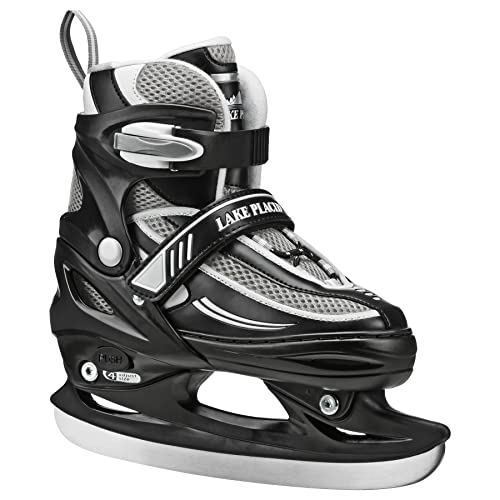
- Push button size adjustable
- Warm, Woven lining and Deluxe comfort Padding.
- Stainless steel blade
Check current price on Amazon →
For more options, see our guide to the best adjustable youth ice skates.
When Adjustable Skates Aren’t Enough
As skills advance, fixed-size skates become essential. They offer the precise stiffness and blade quality needed for jumps and spins. The fit must be exact—snug in the heel with a slight flex at the toe.
This is when a professional fitting at a specialty shop is crucial. For dedicated skaters, explore in-depth reviews of popular models like the Jackson Ultima Classic series or the versatile Riedell Soar skates.
1. Prioritize Proper Fit and Sizing for Safety
Correct fit is the most critical factor in choosing youth figure skates. A poorly fitted skate compromises safety, comfort, and skill development. Never buy skates for a child to “grow into.”
Skates should fit snugly, like a firm handshake for the foot. There should be no heel lift or side-to-side movement. Toes should lightly brush the front when standing straight, but not curl.
How to Measure Your Child’s Foot Correctly
Always measure at the end of the day when feet are slightly larger. Have your child stand on a piece of paper in the socks they will wear skating.
- Trace the Foot: Hold the pencil vertically and trace the entire foot.
- Measure Length: Measure from the longest toe to the back of the heel in centimeters or inches.
- Measure Width: Measure across the widest part of the foot (the ball).
Compare these measurements to the brand’s specific size chart, as sizing varies dramatically between Jackson, Riedell, and other manufacturers.
Understanding Width and Volume for a Comfortable Fit
Children’s feet vary not just in length, but in width and volume (the overall space the foot occupies). A skate that is the right length but too narrow will cause pain.
- Standard Width (C/D): Fits most average feet.
- Wide Width (E/EE): For wider feet; prevents pinching at the sides.
- High Volume: For a taller instep or deeper foot.
- Low Volume: For a flatter, shallower foot.
Many beginner skate brands offer limited width options. If your child has very wide or narrow feet, consider brands like Jackson, which often offer multiple widths in their youth lines.
2. Match Boot Stiffness to Your Child’s Skill Level
Boot stiffness, or support, is rated on a numerical scale and is crucial for safety and progression. A boot that is too soft will not support jumps. A boot that is too stiff will be uncomfortable and hinder a beginner’s ability to bend their knees.
Choosing the correct stiffness prevents injury and allows proper technique to develop. It is one of the most common mistakes parents make when buying figure skates for a child.
Boot Support for Beginner and Recreational Skaters
For first-time skaters and those in basic skills classes, a flexible boot is ideal. It allows for the essential knee bend (ankle flexion) needed to glide and balance.
- Look For: Soft to moderately stiff boots (often rated 20-35 on stiffness scales).
- Key Feature: The boot should bend forward easily when pressure is applied to the tongue.
- Goal: Comfort and foundational skill development without restriction.
Our guide to the best women’s recreational ice skates also applies to older youth skaters starting out.
Boot Support for Advanced and Competitive Skaters
Once a skater begins single jumps (like axels) and works on multi-rotation jumps, stiff boot support is mandatory. The boot must absorb tremendous landing forces and provide stable lateral support.
- Look For: Stiff to very stiff boots (often rated 45-90+). These are custom-ordered with a fitter.
- Key Feature: The boot will have minimal forward flex and strong, reinforced ankle counters.
- Goal: Maximum power transfer, stability, and injury prevention during high-impact elements.
Always consult a professional fitter for this major investment. They will assess your child’s specific needs.
3. Understand Blade Quality and Rocker Profile
The blade is the direct interface between your child and the ice. Its quality and profile significantly impact maneuverability, stability, and learning curve. A good blade helps a skater feel secure.
Blades are not all the same. They vary in steel quality, sharpening style, and most importantly, their rocker profile—the curved bottom that allows for turns and spins.
Choosing the Right Blade for a Learning Skater
For beginners, the priority is stability and forgiveness. A blade that is too responsive can feel “twitchy” and unstable to a new skater.
- Flatter Rocker: Provides more blade contact with the ice, offering greater balance and a slower, more controlled feel.
- Smaller Toe Picks: Less aggressive picks prevent tripping and encourage proper use of edges instead of toe-pushing.
- Entry-Level Steel: Holds an edge well enough for basic skills without the premium cost. Often comes permanently mounted on beginner boots.
Upgrading Blades for Jumping and Spinning
As a skater progresses, a performance blade becomes necessary. It allows for sharper turns, deeper edges, and more powerful take-offs.
- Pronounced Rocker: A shorter, more curved radius (like 7′ or 8′) allows for quicker pivots and tighter spins.
- Larger Toe Picks: Aggressive, large picks are essential for secure jump take-offs and toe-assisted moves.
- High-Quality Steel: Premium chrome-plated or stainless steel holds a sharper edge longer and offers better glide.
Blade upgrades are a separate purchase from boots. A professional can recommend models like the popular MK Professional or Jackson Aspire based on your child’s specific discipline and foot size.
4. Don’t Overlook Comfort, Lining, and Break-In
Even a perfectly sized skate can be unwearable if it’s uncomfortable. The interior materials and construction determine how the skate feels during long practice sessions. Comfort directly impacts a skater’s focus and endurance.
A proper break-in period is also essential. New skates should never be worn for a full lesson right out of the box. This prevents painful blisters and allows the materials to mold to the foot.
Evaluating Interior Lining and Padding
The boot’s lining manages moisture, reduces friction, and provides cushioning. Quality materials make a significant difference in all-day comfort.
- Moisture-Wicking Fabric: Look for linings made of synthetic, breathable materials that pull sweat away from the foot. This keeps feet drier and warmer.
- Strategic Padding: Padding should be ample at the ankle collar and tongue for protection, but not so bulky it changes the fit.
- Seamless or Flat-Seamed Interiors: This minimizes pressure points and rubbing that cause blisters, especially on the heel and instep.
For skaters prioritizing warmth, our guide to the best ice skates for warmth and comfort is a valuable resource.
The Importance of a Proper Break-In Process
Breaking in skates is about gradually molding the stiff new boot to your child’s unique foot shape. Rushing this process leads to pain and can damage the boot’s structure.
- Wear at Home: Have your child wear the skates (with guards on) while watching TV or doing homework.
- Light On-Ice Sessions: For the first 2-3 skates, keep sessions short (20-30 minutes) and focus on simple glides and edges.
- Spot Check: After each wear, check for red pressure points on their feet. These areas may need targeted stretching by a professional.
Remember, some discomfort is normal initially, but sharp, persistent pain is not. It may indicate a poor fit.
5. Consider Brand Reputation and Specialized Fitting
Not all skate brands are created equal, especially for developing young athletes. Reputable brands invest in research for proper foot mechanics, support, and durability. Choosing a trusted brand is an investment in your child’s skating foundation.
For anything beyond basic beginner skates, a professional fitting at a specialty shop is highly recommended. Fitters have the expertise to match foot type to brand models and make critical adjustments.
Top Brands for Youth and Beginner Figure Skates
Several brands consistently produce high-quality, reliable skates for young skaters. They offer good value and appropriate support for skill levels.
- Jackson Ultima: Excellent for wider feet. Their Mystique and Elle series are top choices for beginners. See our Jackson Ultima Classic review for details on a popular model.
- Riedell: Often a better fit for narrow or average-width feet with a snug heel. The Soar and Diamond lines are great entry points.
- Lake Placid / Botas: Known for value-priced recreational and adjustable skates, ideal for casual or very young skaters.
Why a Professional Skate Fitting is Worth It
A specialist does more than measure length. They assess width, volume, arch height, and ankle shape to recommend the optimal brand and model.
- Accurate Sizing: They use precise tools like Brannock devices and know how each brand’s sizing runs.
- Heat Molding: Many shops offer this service, using heat to custom-form the boot’s interior to your child’s foot for instant comfort.
- Proper Mounting: For separate blades, they ensure correct alignment and placement on the boot sole, which is critical for balance.
This expertise prevents costly mistakes and ensures the skate works with your child’s biomechanics, not against it.
6. Factor in Cost, Value, and Long-Term Investment
Figure skates represent a significant purchase, with prices ranging from $50 for basic models to $1,000+ for custom competitive boots. Understanding where to invest and where to save is key to getting good value.
Your budget should align with your child’s commitment level and growth rate. The most expensive skate isn’t always the right choice, but the cheapest option often carries hidden costs in poor performance and rapid replacement.
Setting a Realistic Budget for Child’s Ice Skates
Break down your budget based on frequency of use and skill progression. This prevents overspending on unnecessary features or underspending on critical support.
| Skater Level | Typical Price Range | What You’re Paying For |
|---|---|---|
| Recreational / Beginner | $80 – $200 | Basic support, pre-mounted blade, durable materials for occasional use. |
| Intermediate (Learning Jumps) | $250 – $500 | Better support (stiffer boot), upgradeable blade system, improved materials. |
| Advanced / Competitive | $500 – $1,200+ | Custom-fit options, high-stiffness boots, premium separate blades, advanced tech. |
When to Save vs. When to Invest in Quality
Strategic spending maximizes safety and longevity while managing costs.
- SAVE on: Adjustable skates for very young, fast-growing beginners. Also, basic models for a child just trying the sport. See adjustable options like the Lake Placid Nitro.
- INVEST in: Properly fitted, fixed-size skates once commitment is clear. High-quality leather boots last longer and support better than synthetic ones. A good blade holds its edge and improves performance.
- NON-NEGOTIABLE: Never compromise on correct fit or appropriate stiffness for safety. This is where value truly lies.
7. Check for Essential Safety Features and Durability
Safety in figure skates extends beyond fit and support. Construction quality and specific design features prevent accidents and injuries. Durable materials ensure the skate performs safely throughout its lifespan.
Inspecting a skate’s build quality is crucial, especially for active children. Look for reinforced stress points and secure hardware. A failing skate is a safety hazard.
Inspecting Boot Construction and Blade Attachment
The connection between the boot and the blade is fundamental. A loose or poorly mounted blade causes instability and loss of control.
- Rivets vs. Screws: Most quality skates use aluminum or steel rivets for a permanent, strong hold. Some use screws, which allow for blade replacement but must be checked for tightness regularly.
- Sole Integrity: The boot’s sole (usually leather or synthetic) should be firmly bonded to the upper with no separation. Press on it to check for flexibility or gaps.
- Heel Counter: The hard back of the boot must be rigid to hold the heel firmly in place and prevent ankle rolling.
Ensuring Adequate Ankle Support and Protection
The ankle is highly vulnerable in skating. The boot must provide lateral (side-to-side) support while allowing forward flex for knee bend.
- Padded Collar: The top of the boot should have ample padding to protect the Achilles tendon and ankle bones from bruising and lace bite.
- Reinforced Ankle: Feel the sides of the boot around the ankle. They should be firm and not collapse inward when pressure is applied.
- Secure Closure System: Laces or hooks must be strong and positioned to allow even tension from toe to top. This ensures the foot and ankle are locked in without cutting off circulation.
Durability matters. A boot that breaks down too quickly loses its protective support. Investing in a well-constructed model from a reputable brand is a key safety decision.
Best Figure Skates for Your Child – Detailed Comparison
Based on skill level, fit, and value, these three models consistently rank as top choices for young skaters. Each offers a specific balance of support, comfort, and performance to match different stages of development.
Jackson Ultima Mystique – Best for Beginner to Intermediate Skaters
The Jackson Ultima Mystique is a top-rated package skate for girls entering basic skills or learning single jumps. It features a moderately stiff boot for support and the reliable Mirage blade. Its slightly wider fit accommodates growing feet comfortably, making it an ideal first fixed-size skate.

- Ice skates for women with light support level for learn to skate programs…
- Premium microfiber upper with soft rolled collar. Synthetic lining with…
- Foam backed tongue for womens ice skates, girls ice skates, toddler ice…
Riedell Soar – Best for Narrow Feet and Precision
The Riedell Soar is perfect for skaters with narrow or average-width feet who need a precise, snug heel fit. Its 133 boot offers excellent ankle support for progressing skills, paired with the sturdy Ace blade. This combination provides great control and responsiveness for dedicated beginners.
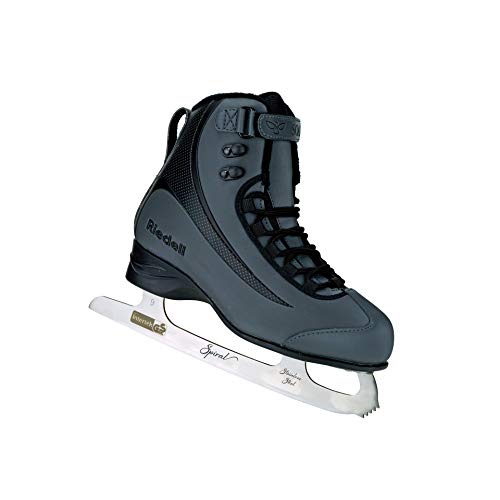
- ENDLESSLY COMFORTABLE: These modern ice skates for women and men have a…
- GREAT SUPPORT: This ice skate set offers light support to keep you stable…
- KEEP YOU SAFE & DRY: These beginner ice skates have safety in mind by…
Lake Placid Summit Adjustable – Best for Fast-Growing Young Beginners
For very young or rapidly growing children, the Lake Placid Summit Adjustable is a smart, economical choice. It expands up to four full sizes and features a heat-moldable liner for better comfort. This skate delivers reliable performance for recreational skating and basic lessons while accommodating growth spurts.
- Push button size adjustable
- Warm, Woven lining and Deluxe comfort Padding.
- Stainless steel blade
Conclusion: Making the Right Choice for Your Young Skater
Choosing the right figure skates for your child is an investment in their safety, comfort, and passion for the sport. By focusing on fit, support, and quality, you set them up for success and enjoyment on the ice.
The most important step is to prioritize a proper professional fitting whenever possible. Use this guide as a checklist to ask the right questions and understand the key features that matter.
Ready to find the perfect pair? Consult our detailed product reviews and buying guides to compare your top options. Your child’s confident smile on the ice will be the best reward for your careful research.
Frequently Asked Questions About Buying Kids’ Figure Skates
How do I know if my child’s figure skates fit properly?
A proper fit means no heel slippage when standing or bending. Their toes should lightly brush the front of the boot when standing straight, but not curl. When they bend their knees in a skating posture, the heel should stay locked down and the toes should pull back slightly from the front.
Always have your child wear the skating socks they intend to use during the fitting. The most reliable method is a professional fitting at a specialty skate shop, where experts can assess width and volume as well as length.
What is the difference between recreational and figure skates for children?
Recreational skates prioritize warmth, comfort, and general ice stability, often with more padding and a softer boot. True figure skates are performance tools designed for specific maneuvers. They have a stiffer boot for ankle support, a pronounced rocker on the blade for turns, and toe picks for jumps.
For a child taking lessons or showing serious interest in figure skating, proper figure skates are necessary to learn correct technique. Recreational skates can hinder skill development for dedicated skaters.
How often should I sharpen my child’s figure skates?
Sharpening frequency depends on use. A general rule is every 20-30 hours of ice time for a recreational skater. Competitive skaters may need sharpening every 1-2 weeks. Dull blades make it hard to grip the ice, leading to slipping and poor edge control.
Look for visible nicks in the blade’s edge or if your child complains of sliding instead of biting into the ice. Always use a certified skate sharpener who understands figure skate hollows and profiles.
Can my child wear the same skates for hockey and figure skating?
No, hockey skates and figure skates are designed for completely different sports. Hockey skates have a curved blade without a toe pick, a shorter boot for ankle mobility, and are built for speed and quick stops. Figure skates have a longer, flatter blade with toe picks, a high boot for ankle support, and are built for jumps, spins, and edges.
Using the wrong type of skate will prevent your child from learning proper technique for either sport and can increase the risk of injury.
What should I do if the new skates are causing blisters?
First, ensure the skates are the correct size—blisters often come from friction caused by a loose fit. If sizing is correct, you may be in the break-in period. Wear the skates at home with thick socks for short periods to soften key pressure points.
Use protective gel pads or moleskin on hot spots. If blisters persist after a few weeks of gentle break-in, consult the fitter. The boot’s shape may not match your child’s foot, requiring a different brand or model.
When should I consider upgrading my child’s figure skates?
Upgrade when their skills outgrow the boot’s support or blade quality. Key signs include: the boot breaking down and becoming too soft (visible creasing), your child working on single jumps like axels, or their coach recommending an upgrade for better performance.
Another reason is physical growth. If their toes are firmly pressed against the front while standing straight, it’s time for a larger size, regardless of skill level.
Are used figure skates a good option for kids?
Used skates can be a cost-effective option for absolute beginners, but caution is needed. Only consider them if the boots show minimal creasing (indicating they are not broken down) and the blades have plenty of steel left above the mounting sole.
Avoid skates with deeply sharpened grooves or rust. The fit must still be perfect for your child’s current foot. For advancing skaters, new skates are almost always a better investment for proper support and safety.
What is the best way to care for and maintain youth figure skates?
Always dry the blades thoroughly with a soft cloth after each use to prevent rust. Remove the footbeds to let the interior linings air dry. Use hard blade guards only for walking off the ice; store and transport skates in soft, absorbent soakers to wick moisture.
Keep the boots clean and conditioned as per the manufacturer’s instructions. Regularly check that all rivets and screws are tight. Proper care extends the life of the skates significantly.