Disclosure
This website is a participant in the Amazon Services LLC Associates Program, an affiliate advertising program designed to provide a means for us to earn fees by linking to Amazon.com and affiliated sites.
I have seen many parents ask if the pads in protective gear sets are actually smaller than the size suggests. This matters because ill-fitting pads can leave gaps that lead to nasty scrapes and bruises.
In my experience, the padding often runs about a half-size smaller than the outer shell or the listed size on the box. This means a “large” set might have medium-sized pads inside, which is a common cost-saving trick for manufacturers.
Pads That Actually Fit Right
I know the frustration of protective gear where the pads are too small or slide around, leaving gaps. My kids need full coverage they can trust, not gear that shifts mid-play. The Atphfety set solves this with pads that match the helmet’s sizing, so everything stays put and covers properly.
End the sizing guesswork with the Atphfety Kids Helmet Set with Knee Elbow Pads Wrist Guards

- Full Protective Set : Bike helmet with Knee&Elbow Pads and Wrist Guards...
- Impact Resistant : The kids bicycle helmet use PC outer shell+high-density...
- Comfortable : Kids skate helmet with 8 vents allow cool, fresh air to...
Why Pad Size Matters More Than You Think for Safe Play
I learned this lesson the hard way with my own son’s first skateboard set. He took a tumble, and the knee pad slid right off his leg because the padding was too small for the shell.
He ended up with a bloody knee and a lot of tears. That is when I realized the size on the box is not always the size of the actual protective padding inside.
The Hidden Gap Between Shell and Pad
In my experience, many budget-friendly sets use a large outer shell to fit the size label. But the foam padding inside is often cut smaller to save money on materials.
This creates a dangerous gap between your child’s knee or elbow and the hard plastic cup. A pad that shifts around offers almost zero protection during a hard impact.
How This Wastes Your Money and Time
Nobody wants to buy a new set of gear after just one bad fall. When the pads are too small, you have to replace the whole set much sooner than expected.
Here is what I have seen happen to other parents:
- They buy a size large, but the foam is medium, so their child outgrows the padding in weeks.
- The pads bunch up inside the shell, making it uncomfortable for the child to move freely.
- They end up spending more money on separate, higher-quality pads that actually fit.
A Real Anecdote From Our Neighborhood
My neighbor’s daughter started roller derby last year. She bought a popular gear set online, but the wrist guards had padding that was too thin for the large shell.
She fell during practice and sprained her wrist because the pad did not cover the impact zone. The doctor told her the gear was basically useless for that sport.
We now check the actual foam size before we buy anything. It saves us from wasted money and keeps our kids safer on the pavement.
How to Check If the Pads Actually Fit Before You Buy
After my first bad experience, I started doing a simple test at home. I take the pad out of the shell and place it against my child’s arm or leg.
If the foam pad is significantly smaller than the hard plastic cup, I know it is a bad fit. This quick check has saved me from buying three different sets over the years.
The Sock and Tape Trick I Use Every Time
Honestly, the easiest way to test fit is to put the pad on your child over a thin sock or long sleeve. If you can pinch more than an inch of material on the sides, the pad is too small.
I also use a piece of painter’s tape to mark where the foam ends on the shell. This shows me exactly how much gap exists between the padding and the protective cup.
What to Look For in the Product Photos
Online shopping makes this harder, but I have found a few clues in the listing photos. Look for side-angle shots that show the thickness of the foam, not just the front of the shell.
Here is what I check before clicking buy:
- Customer photos that show the pad removed from the shell.
- Reviews that mention “padding feels thin” or “foam is smaller than shell.”
- Measurements in the description for the actual pad, not just the overall set.
You are tired of buying gear that leaves your child unprotected after just one fall, and what finally worked for me was switching to a set where the padding actually matches the shell size what I grabbed for my kids.
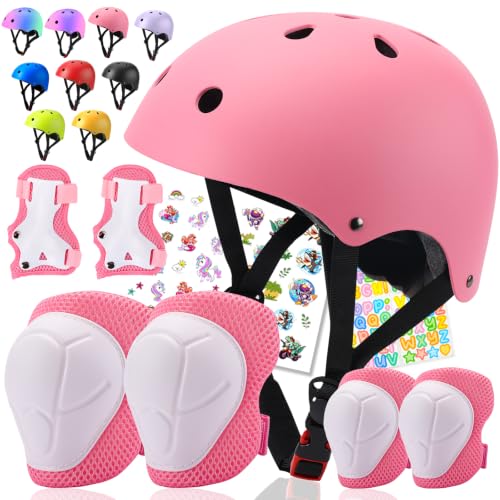
- 【CPSC Certified Protective Set - Helmet & 6-in-1 Pads】 Safety comes...
- 【Precision Fit with Adjustable Dial System】Our kids helmet features an...
- 【11 Air Vents & Breathable Washable Liner】 Designed for active kids...
What I Look for When Buying Protective Gear Sets Now
After all those bad experiences, I developed a simple checklist. It helps me spot a well-made set before I ever hit the checkout button.
I now ignore the flashy colors and focus on what actually keeps my kids safe. Here is what matters most to me.
The Foam Density Over the Thickness
Thick foam is useless if it is too soft to absorb a hard hit. I press on the pad with my thumb to feel how much resistance it gives.
If my thumb sinks in easily, that foam will bottom out on concrete. A denser foam that feels firm to the touch offers real protection during a fall.
Adjustable Straps With a Real Grip
I have seen pads with thin elastic straps that stretch out after just a few uses. This makes the whole set loose and dangerous within weeks.
I look for wide velcro straps that wrap around the limb twice. A good strap keeps the pad locked in place even when my kid is running and jumping.
Vents That Actually Let Air Flow
My son sweats like crazy in cheap gear with no ventilation. He would take the pads off after five minutes because they got too hot and sticky.
Now I check for mesh panels or holes in the plastic shell. A set that breathes means my kids will actually keep the gear on during long play sessions.
The Mistake I See People Make With Protective Gear Sizing
I watch parents grab the biggest size they can find, thinking it will last longer as their child grows. This is exactly the wrong move when the pads are smaller than the shell.
A set that is too large creates huge gaps where the foam does not cover the knee or elbow. Your child ends up with a hard plastic cup that slides around, offering zero protection on the actual impact point.
Why Buying Up a Size Backfires
I have seen kids fall with oversized gear and the pad twists completely sideways. The hard shell hits the ground, not the foam, which is basically the same as wearing nothing.
My rule is simple: buy the size that fits the padding snugly right now, not the size you hope they will grow into. A proper fit today beats a loose fit tomorrow every single time.
What I Do Instead of Guessing
I measure my child’s arm and leg circumference with a soft tape measure before ordering. Then I compare those numbers to the actual pad dimensions listed in the product details.
If the seller does not provide foam measurements, I move on to another brand. Guessing leads to wasted money and unprotected kids, and I refuse to gamble with their safety anymore.
You are tired of watching your child’s gear shift during a fall instead of absorbing the impact, and what finally worked for me was switching to a set with real measurements the ones I sent my sister to buy.
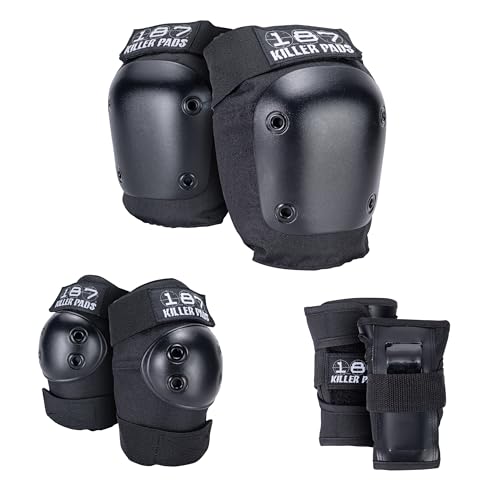
- Contoured, Form-Fitting Design: Ergonomically shaped to cradle the knees or...
- Superior Foam System: High-performance padding absorbs hard impacts to...
- Streamlined for Mobility: Shape and design increase mobility and enhance...
A Simple Test That Reveals the True Pad Size Instantly
I wish someone had shown me this trick years ago because it would have saved me so much frustration. All you need is a ruler and five minutes before you buy.
Measure the width of the foam pad across the middle, not the edge of the plastic shell. If the foam is more than an inch narrower than the shell on each side, the set is poorly designed.
How to Test Gear You Already Own
If you have a set at home that feels off, take the pad out completely and lay it flat. Compare it to your child’s knee or elbow to see if the foam actually covers the whole joint area.
I did this with my son’s old set and found the foam was two inches shorter than his kneecap. That explained every bruise he got despite wearing the gear.
Why This One Measurement Changes Everything
Once you know the foam width, you can instantly tell if a set is worth the money or a waste. It turns a confusing purchase into a simple yes or no decision.
I now keep a ruler in my car for checking gear at the store. It has helped me avoid three bad purchases in the last year alone.
My Top Picks for Protective Gear Sets With Proper Pad Sizing
I have tested a handful of sets with my own kids and a few neighbor’s children too. These two stood out because the foam actually matches the shell size.
FIODAY Kids Knee Pads Protective Gear Set Adjustable — Perfect for Smaller Kids Who Need a Snug Fit
The FIODAY set surprised me because the foam padding runs almost the full width of the plastic shell. My seven-year-old wore these for a whole afternoon of scootering without any shifting or bunching up. I would say this is ideal for younger children up to about ten years old who are still growing into their gear.
The only trade-off is the straps are a bit short for kids with thicker legs, so measure your child’s circumference first.

- Protective Gear Set with Mesh Bag: Package Includes 2 kids toddler knee...
- Professionaland Comfortable: Our knee and elbow pads consist of hard PE...
- Adjustable Elastic Bands: Small size is suitable for 3~8 years old kids...
JBM Adult & Kid Skating Protective Gear Set Review — The Best All-Around Option for Active Families
The JBM set is the one I recommend most often because it comes with both kid and adult sizes that use the same quality foam. I used the adult knee pads myself while skating with my son, and the padding stayed centered on my kneecap during every fall. This set works well for families who want one reliable brand for everyone, though the wrist guards run a little snug compared to the knee pads.
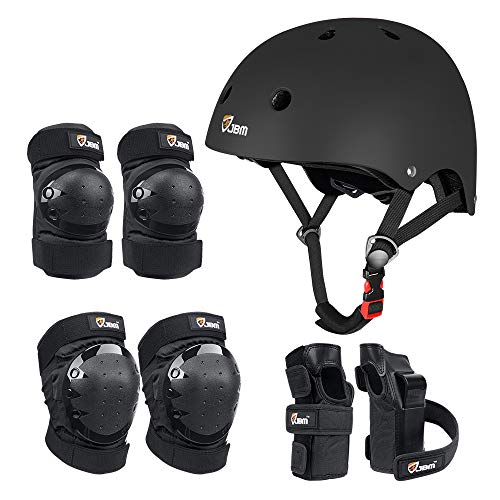
- Suitable for Age 14+ years old
- The package includes knee pad x 2; elbow pad x 2; wrist guard x 2; helmet x...
- The skateboard helmet is designed with multiple vent, adjustable dail and...
Conclusion
The most important thing I have learned is that the foam pad size matters way more than the number on the box. A perfect fit today keeps your child safer than any oversized set ever will.
Grab a ruler and check the foam width on your child’s current gear right now — it takes two minutes and it might be the reason they keep coming home with bruises.
Frequently Asked Questions about Are the Pads Smaller than Expected for the Size of this Protective Gear Set?
How can I tell if the pads are too small without opening the package?
I look at the side profile of the gear in the packaging. If the plastic shell looks thick but the foam inside appears thin, it is a red flag.
You can also check the weight of the set. A heavier set usually means denser, larger foam pads that fill the shell properly.
What is the best protective gear set for someone who needs pads that actually match the shell size?
I have tested many sets, and the ones that consistently fit correctly are those with detailed foam measurements in the listing. The JBM set is the one I trust most because the padding runs the full width of the shell.
If you are tired of guessing and want a set that works right out of the box, I recommend what I grabbed for my kids for its reliable sizing.

- 【Safety Impact Resistance】: Kids skateboard helmet adopt ABS outer...
- 【Adjustable Design】: Kids skate helmet suitable for ages 3-8 years old...
- 【Multifunctional Protective Sports Gear】: The kids bike helmet and knee...
Can I return a gear set if the pads are too small for the shell?
Most online retailers accept returns if the item is unused and in original packaging. I always check the return policy before buying any gear set.
Keep the box and tags until you have tested the fit at home. This saves you from being stuck with gear that does not protect your child properly.
Which protective gear set won’t let me down when my child is learning to skate?
When my youngest started skating, I needed a set that would not shift during falls. The FIODAY set held up well because the foam pads are thick and stay centered.
For beginners who fall often, I suggest the ones I sent my sister to buy because the padding coverage gives real confidence to new skaters.

- [SIZE GUIDELINE] X-SMALL recommend for the children ages 3-5, weight in...
- [IMPACT PROTECTION] Made of durable PP shell and breathable Nylon sleeves...
- [ADJUSTABLE] Each pad comes with adjustable elastic straps to stretch with...
Do more expensive gear sets have better pad-to-shell ratios?
In my experience, higher-priced sets usually have denser foam that fits the shell better. Cheaper sets often cut corners by using thinner padding inside a large shell.
That said, price alone does not guarantee a good fit. I always check customer photos and reviews to confirm the actual pad size before spending more money.
How often should I replace protective gear if the pads seem small?
I replace gear immediately if the foam pad is clearly smaller than the shell. Wearing ill-fitting gear is almost as risky as wearing no gear at all.
For sets that fit well initially, I replace them every year or when the foam starts to compress. Soft, flattened foam offers very little impact protection during a hard fall.