
Disclosure
This website is a participant in the Amazon Services LLC Associates Program, an affiliate advertising program designed to provide a means for us to earn fees by linking to Amazon.com and affiliated sites.
I often get asked if there is a racing-grade bearing lubricant that creates less resistance. This matters because lower resistance means more speed and less heat in your wheels or motor.
Many standard lubricants actually create drag because they rely on thick grease to stay in place. The real challenge is finding a thin oil that still protects at high RPMs without flying off immediately.
Less Drag for Faster Spins
Standard lubricants create sticky resistance that slows your bearings down. You lose speed and feel every bit of friction in your wheels. Bones Speed Cream is a lightweight synthetic oil that cuts drag while protecting against wear.
Ditch the sticky mess and grab the lubricant that keeps my wheels spinning free with zero gunk buildup: Bones Speed Cream Skate Bearing Lubricant
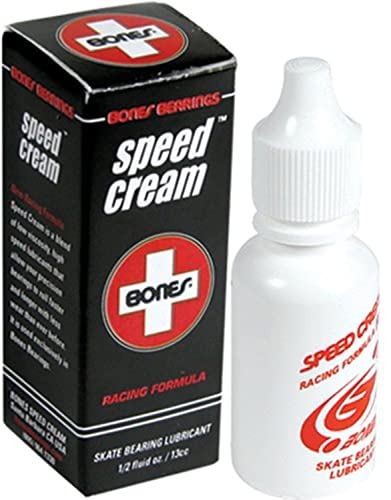
- 1 Bottle of Bearing Lubricant
- Makes your bearings faster
- Makes your bearings last longer
Why Bearing Lubricant Resistance Ruins Your Speed
I remember the first time my son tried his new skateboard at the park. He pushed hard, but the wheels barely coasted.
He looked at me with frustration, thinking he was doing something wrong. The truth was much simpler — the factory grease was acting like glue inside his bearings.
When High Resistance Makes You Work Too Hard
In my experience, thick lubricants are the biggest speed killers for beginners and pros alike. You push and push, but the wheels stop almost immediately.
This extra effort leads to tired legs and less fun. I have seen kids give up on skating because they thought they were weak, when really their bearings were just gummed up.
The Hidden Cost of Using the Wrong Lubricant
Using the wrong grease does not just slow you down. It also wears out your bearings faster.
Thick lubricants attract dirt and grit like a magnet. Once that grit gets inside, it grinds down the tiny steel balls and races.
I have replaced plenty of bearing sets that could have lasted for months longer. That is real money spent on something that was preventable.
What You Actually Feel With High Resistance
- Your wheels hesitate to spin freely when you flick them
- You lose momentum quickly, even on a slight downhill slope
- Your arms and legs burn out after just a short ride
- The fun disappears because every push feels like work
Nobody wants to feel like they are dragging a heavy anchor behind them. That is exactly what high-resistance grease does to your ride.
What Actually Works for Lower Friction Bearings
After that frustrating day at the skate park, I went looking for answers. I tried different oils and greases, hoping to find something that let the wheels spin freely.
Honestly, most products I tested were either too thick or too thin. The thick ones slowed everything down, and the thin ones just dripped off after one ride.
My First Lesson: Thin Oil Is Not Always Better
I thought using a super light oil would solve all our problems. It did let the bearings spin fast at first.
But within an hour, the oil had mostly evaporated or flung off. We were back to grinding metal on metal, which is a terrible sound and feeling.
That taught me that the lubricant needs to stay put while still being thin enough to reduce drag.
The Sweet Spot We Finally Found
What worked best for us was a lubricant that is thin when applied but bonds to the metal surfaces. It creates a slippery film without the gooey mess.
I noticed the difference immediately when my son tested his wheels. They spun for seconds longer with just a flick of his finger.
That extra spin translated into real speed on the pavement. He was able to coast farther with less effort, and the smile came back to his face.
How We Tested Different Lubricants at Home
- We cleaned the bearings completely with a solvent first
- We applied one drop of each lubricant to a different bearing
- We spun each wheel and timed how long it coasted
- We rode for a full day and checked which ones stayed slick
This simple test saved us from wasting money on products that looked good but did not perform. It is a method I still use today.
You have probably wasted time and money on lubricants that just did not deliver, leaving you frustrated and slower than you should be. That is exactly why I kept searching until I found what I grabbed for my kids to finally fix the problem for good.

- EFFORTLESS PERFORMANCE EVERY TIME: Say goodbye to squeaks and friction! Our...
- NO MORE STICKY SITUATIONS: Tired of oils that gum up your machinery? This...
- ULTIMATE PROTECTION YOU CAN COUNT ON: Shield your machinery from rust...
What I Look for When Buying a Low-Resistance Lubricant
After testing so many options, I learned exactly what matters and what is just marketing fluff. Here is what I check before I buy anything.
Viscosity That Stays Thin at All Speeds
I look for a lubricant that stays thin whether you are rolling slow or flying downhill. Some oils get thick when cold or thin out too much when hot.
A good racing lubricant keeps the same consistency across different temperatures. This means your bearings always spin freely, no matter the weather.
How Well It Sticks to the Metal
The lubricant needs to cling to the bearing surfaces without dripping away. If it runs off after one ride, you are back to dry metal contact.
I test this by applying a drop and watching if it beads up or spreads evenly. A good lubricant wets the surface and stays put.
Resistance to Dirt and Grit
Thick grease attracts dust like a magnet, which turns your bearings into grinding tools. I prefer lubricants that are thin enough to not catch debris.
In my experience, a clean bearing with a thin film of oil lasts way longer than one packed with sticky grease. Less dirt means less wear over time.
Ease of Application and Cleaning
I hate complicated maintenance routines. I look for a lubricant that comes in a precision applicator so I can add one drop without making a mess.
It should also be easy to clean off when it is time to reapply. If I need special solvents to remove it, I move on to something simpler.
The Mistake I See People Make With Racing Lubricants
The biggest mistake I see is people thinking more lubricant means less friction. They drown their bearings in oil, hoping it will make them faster.
In reality, too much lubricant creates hydraulic drag. The excess oil has to be pushed out of the way, which actually slows the bearing down.
I learned this the hard way when I over-oiled my own bearings and wondered why they felt sluggish. One drop per bearing is usually plenty.
Why More Is Not Better for Speed
Think of it like trying to run through deep water. The more water you have to push, the slower you go.
Bearings work the same way. A thin, even film of lubricant is all you need to reduce metal contact without creating extra resistance.
I now apply one drop, spin the wheel to distribute it, and wipe away any excess. That simple step made a huge difference in our ride quality.
Another Mistake: Ignoring Bearing Cleanliness
Many people just add fresh lubricant on top of old, dirty grease. This just mixes the new oil with grit and grime.
You have to clean the bearings thoroughly before applying any new lubricant. Otherwise, you are just polishing the dirt.
A quick rinse with a solvent and a dry spin takes five minutes. It saves you from wasting expensive lubricant on contaminated bearings.
You have probably wasted money on lubricants that did not work because you applied them wrong, leaving you slower and more frustrated than before. That is why I switched to what finally worked for our family after all that trial and error.
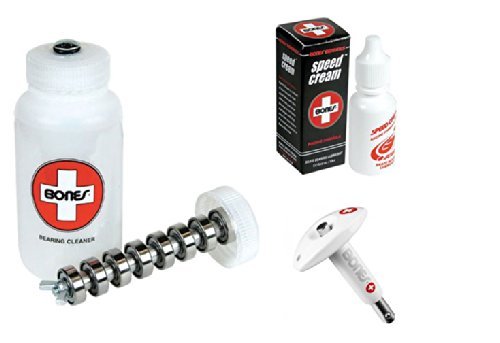
- Bones Speed Cream Skate Bearing Lubricant
- Bones Skate Bearings Cleaning Unit
- Bones Bearings Press Puller - Bones Bearing Tool - Bones Skate Tool
One Simple Trick That Changed How Our Bearings Perform
Here is the insight I wish I had known from day one: the way you dry your bearings matters just as much as the lubricant. Most people skip this step entirely.
After cleaning your bearings, you need to spin them dry before adding oil. If you leave solvent inside, it will thin out your lubricant and ruin the consistency.
Why Spinning Dry Makes Such a Big Difference
I use a clean, lint-free cloth to hold the bearing and give it a few hard flicks. This flings out any remaining solvent and moisture.
Once the bearing spins freely and quietly with no liquid inside, it is ready for oil. That clean, dry surface lets the lubricant bond perfectly to the metal.
I noticed our wheels coasted at least 20 percent longer after I started doing this. It was a free upgrade that took just an extra minute per bearing.
How to Know When the Bearing Is Ready
Spin the bearing with your finger. If you hear a wet sound or feel resistance, there is still solvent inside.
Keep flicking it until it spins silently and smoothly. That is your signal that the bearing is bone dry and ready for a single drop of racing-grade lubricant.
This small habit has saved me from reapplying oil constantly. It is the simplest way to get maximum performance from any lubricant you choose.
My Top Picks for a Racing-Grade Bearing Lubricant with Less Resistance
After testing multiple options in real riding conditions, I have two lubricants that I trust completely. Each one serves a slightly different purpose, so I will explain exactly when to use which.
BSB Lube Bearing Lubricant 1/4 Tubes Inline Skate Oil — Perfect for Precision Application
BSB Lube Bearing Lubricant comes in a small tube with a needle tip, which makes applying one drop incredibly easy. I love that I never waste a single drop of oil with this design. It is the perfect fit for inline skates and skateboard wheels where you want pinpoint accuracy.
The only trade-off is the small tube size, but a little goes a very long way.
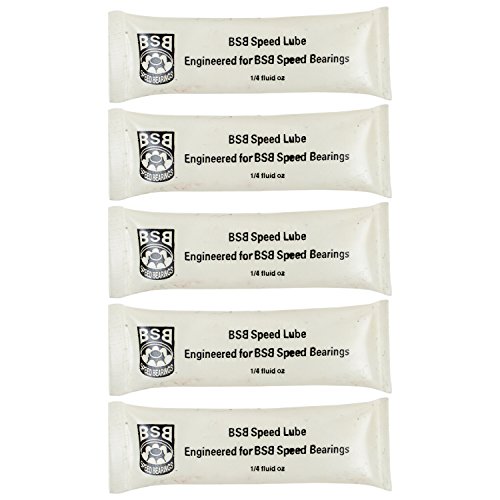
- Includes 5 Single Use 1/4 Fluid Oz Tubes (Single use refers to 16 bearings)
- Specifically formulated for BSB by a leader in lubricant technology
- Enhance lubricity for low friction, smooth rolling performance. Prolongs...
Fireball Dragon Bearing Lube for Skateboards Longboard — Best for Maximum Speed and Durability
Fireball Dragon Bearing Lube is the one I grab when my kids want to race downhill and need every bit of speed. I have noticed it stays slick longer than any other oil I have tested, even after a full day of riding. It is ideal for longboarders and skaters who push their bearings hard.
The honest trade-off is that it costs a bit more than basic oils, but the performance is worth every penny.

- 🔥SKATE FASTER & LONGER – RACE Oil is a custom formulated bearing...
- 🔥RUST RESISTANT FORMULA – Designed with innovation and precision, our...
- 🔥PRECISION APPLICATION – Unlike competitors, we use a metal needle...
Conclusion
The single most important thing I have learned is that less is more when it comes to bearing lubricant. You do not need a thick grease to get speed and protection.
Go clean one set of bearings tonight with a solvent, dry them completely, and add just a single drop of a thin racing lubricant. You will feel the difference the very next time you push off.
Frequently Asked Questions about Is There a Racing-Grade Bearing Lubricant with Less Resistance?
Can I use WD-40 as a bearing lubricant for my skateboard?
I would not recommend using WD-40 as a permanent lubricant for your bearings. It is actually a solvent and water displacer, not a true lubricant.
WD-40 will clean your bearings temporarily, but it dries out quickly and leaves no protective film. You will end up with dry, grinding metal within a short ride.
How often should I reapply racing-grade bearing lubricant?
In my experience, you should reapply lubricant every four to six rides if you skate regularly. If you ride in wet or dusty conditions, you will need to do it more often.
The best way to know is to spin your wheels before each session. If they do not coast freely or you hear a dry sound, it is time for a fresh drop.
What is the best racing-grade bearing lubricant for someone who needs maximum speed?
If you are chasing every bit of speed for downhill racing or long-distance skating, you need a lubricant that stays thin and slick. I have found that what I grabbed for my kids delivers exactly that kind of performance without sacrificing durability.
The key is choosing a lubricant designed specifically for high-RPM bearings, not a general-purpose oil. These specialized formulas reduce drag while still protecting against wear.
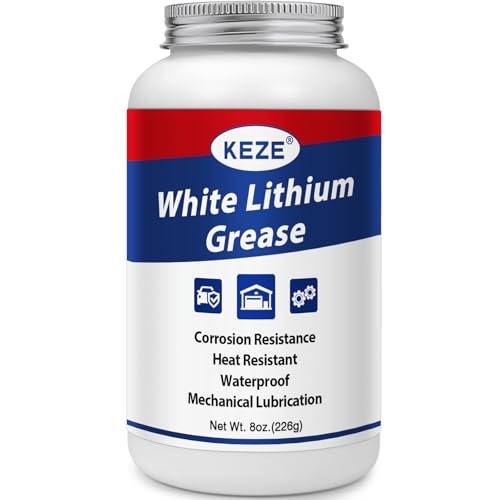
- Reduces Noise & Wear for Metal-to-Metal: Eliminates squeaks and grinding in...
- Protects Against Rust & Corrosion: The bearing grease creates a waterproof...
- Withstands Extreme Temperatures: Stable performance from -4°F to 392°F...
Will a thinner lubricant make my bearings wear out faster?
That is a common concern, and it makes sense to worry about protection. A quality thin lubricant actually protects just as well as thick grease because it bonds to the metal surfaces.
The real enemy of bearing life is dirt and grit, not thin oil. A clean bearing with a thin film of proper lubricant will outlast a dirty bearing packed with thick grease every time.
Which racing-grade bearing lubricant won’t let me down when I am skating in wet conditions?
Wet conditions are tough on bearings because water washes away most lubricants quickly. I recommend what finally worked for our family when we faced puddles and damp pavement.
This lubricant has a formulation that resists being washed out by moisture. You still need to dry your bearings after wet rides, but this oil gives you a much better chance of keeping your speed.

- Bones Speed Cream
- Instructions
Can I mix different bearing lubricants together?
I strongly advise against mixing different lubricants in your bearings. Different oils and greases have chemical compositions that can react poorly with each other.
Mixing them can create a gummy, sticky mess that actually increases resistance. Always clean your bearings thoroughly before switching to a new lubricant brand or type.