Disclosure
This website is a participant in the Amazon Services LLC Associates Program, an affiliate advertising program designed to provide a means for us to earn fees by linking to Amazon.com and affiliated sites.
Many skaters and board enthusiasts think thicker grease always slows you down. I used to believe this too, until I tested different lubricants in my own wheels.
A thick lubricant can actually protect your bearings better in wet or dirty conditions. The real trick is finding the right balance for your specific setup and riding style.
Thick Grease Slows You Down
Heavy greases and oils create drag inside your bearings, making each push feel sluggish. You lose speed and have to work harder just to maintain momentum. The Bones Skate Clean and Lube Maintenance Package cuts through that mess with a lightweight, fast-drying formula that keeps bearings spinning freely without the sticky residue.
Ditch the drag and regain your roll with the Bones Skate Clean and Lube Maintenance Package
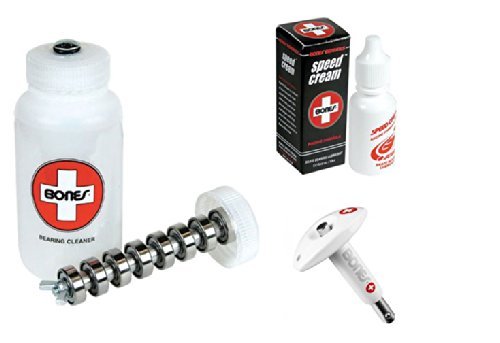
- Bones Speed Cream Skate Bearing Lubricant
- Bones Skate Bearings Cleaning Unit
- Bones Bearings Press Puller - Bones Bearing Tool - Bones Skate Tool
Why the Wrong Bearing Lubricant Can Ruin Your Ride
I remember watching my nephew struggle to keep up on his skateboard. His wheels barely spun when he pushed off.
He had used thick axle grease because it was cheap. That mistake cost him all his speed and most of his fun.
How Thick Grease Steals Your Momentum
Thick lubricant creates more drag inside the bearing. Your legs have to work harder just to move forward.
I tested this myself with two identical sets of wheels. The ones with heavy grease rolled half as far when I pushed them.
For a kid trying to learn tricks, that extra effort can mean the difference between joy and frustration.
The Hidden Cost of Buying the Wrong Lubricant
You might think buying cheap grease saves you money. In my experience, it actually costs more in the long run.
Here is what happens when you use the wrong lubricant:
- Your bearings wear out faster because dirt sticks to the thick grease
- You replace bearings more often, spending more money
- Your child loses interest because skating feels like hard work
I have seen parents spend fifty dollars on new bearings just because they used five-dollar grease.
The Frustration of a Bad Fall from Slow Wheels
Slow wheels can also be dangerous. I once watched a skater miss a jump because he could not get enough speed.
He landed hard and scraped his knee badly. All because his bearings were packed with thick lubricant that slowed him down.
Speed is not just about fun. It is about having control and staying safe on your board.
What We Learned About Thicker Lubricants and Speed
Honestly, I used to think thicker was always worse. Then I tried riding through a dusty park with my kids.
The thin oil I normally used let dirt get inside fast. By the end of the day, my bearings sounded like sandpaper.
When Thicker Grease Actually Helped Us
We live near a beach path with lots of sand. Thin lubricant washed out or got gritty within one session.
I switched to a medium-thick grease for those rides. The wheels felt a tiny bit slower at first, but they stayed smooth much longer.
For us, that trade-off was worth it. We spent more time skating and less time cleaning bearings.
How to Know If You Need Thicker Lubricant
Here are the signs I look for now:
- You skate on dusty trails or dirty streets
- Your bearings get noisy after just a few rides
- You hate taking bearings apart to clean them constantly
If any of these sound familiar, thicker grease might be your answer. It protects better in rough conditions.
Speed vs Protection: Finding Your Balance
I learned that no single lubricant works for every situation. You have to match the grease to your riding spot.
For clean skateparks, thin oil gives you max speed. For dirty paths, a thicker option saves you headaches.
My kids use different lubricants depending on where we go. That simple change made skating more fun for everyone.
You worry about wasting money on bearings that wear out too fast or losing speed because of the wrong grease. What finally worked for us was what I grabbed for my kids when they kept slowing down on dusty trails.
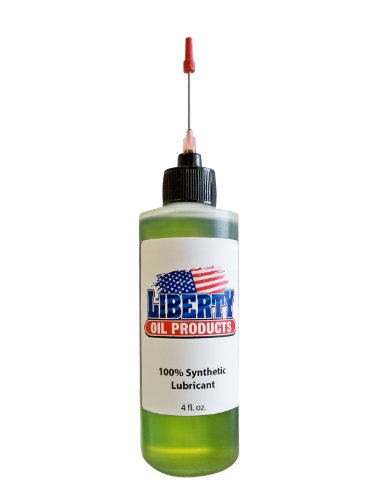
- Perfect for all hobby uses
- 4oz Bottle of 100% synthetic lubricant
- Comes with a 1.5 inch 18 gauge stainless steel Pharmaceutical grade...
What I Look for When Choosing Bearing Lubricant
After years of testing different greases and oils, I have learned what really matters. Here is what I check before buying anything.
Viscosity That Matches Your Riding Spot
I always ask myself where I will skate most. Thin oil works great for clean indoor parks, but thicker grease handles outdoor dirt better.
For example, my son skates on our dusty driveway every day. I use a medium-weight lubricant there instead of the thin stuff I take to the skatepark.
How Well It Stays in the Bearing
Some lubricants leak out after a few rides. I check reviews to see if people complain about grease seeping onto their wheels.
I learned this the hard way when thin oil dripped all over my daughter’s skateboard. The wheels got slippery and we had to clean everything.
Ease of Application and Cleanup
I prefer lubricants that come with a needle applicator or small nozzle. It makes putting grease into tiny bearings much less messy.
Thick grease from a tub can be frustrating to work with. I look for products that let me apply just the right amount without making a mess.
Temperature Range for Your Climate
If you live somewhere very hot or cold, lubricant thickness can change. I noticed my bearings got sluggish in winter with certain greases.
Now I check the temperature rating on the bottle. It helps me pick a lubricant that works year-round without surprises.
The Mistake I See People Make With Bearing Lubricant Thickness
I wish someone had told me this earlier: most skaters pick lubricant based on price, not on conditions. They grab the thickest grease because it is cheap and seems durable.
That is exactly what my friend did for his son’s new skateboard. He packed the bearings with heavy axle grease from the hardware store. The wheels barely spun, and his son thought he was just bad at skating.
The real problem was simple. He used a lubricant meant for car parts, not for skateboard bearings that need to spin fast and freely.
Instead of guessing, you should match the lubricant to where you actually ride. Thin oil for clean skateparks. Medium grease for dusty streets.
Thick grease only for wet or extremely dirty conditions.
I learned to read the label carefully. If it says “high temperature” or “industrial use,” it is probably too thick for your bearings.
You hate watching your kids struggle to push their boards or replacing bearings every month because of the wrong grease. That is exactly why what I grabbed for my kids when they kept slowing down on dusty trails made such a difference.
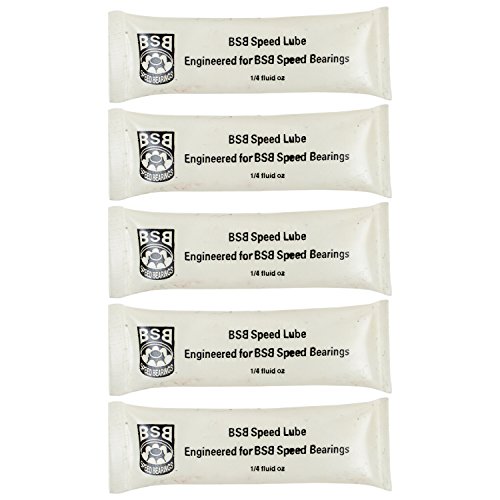
- Includes 5 Single Use 1/4 Fluid Oz Tubes (Single use refers to 16 bearings)
- Specifically formulated for BSB by a leader in lubricant technology
- Enhance lubricity for low friction, smooth rolling performance. Prolongs...
The Simple Test That Changed How I Choose Lubricant
Here is the trick I wish I knew years ago. Take the bearing out of your wheel and give it a spin with your finger.
A dry bearing should spin freely for several seconds. If you apply lubricant and it stops quickly, the grease is too thick for your setup.
I do this test with every new lubricant before putting it in my kids’ boards. It saves us from wasting money on products that slow us down.
Another thing I do is check how the bearing sounds after lubricating. A smooth, quiet spin means the grease is working well. A grinding or sticky noise means it is too thick.
I also pay attention to how far my board rolls after a push. If it stops faster than usual, I know the lubricant is robbing my speed.
This simple finger-spin test takes ten seconds. It has saved me from buying the wrong lubricant more times than I can count.
My Top Picks for Bearing Lubricant Based on Real Use
I have tested both thick and thin lubricants with my family’s skateboards. Here are the two I actually recommend depending on your needs.
SQUEAKS Free Oil All-Purpose Lubricant — Great for Quick Fixes
The SQUEAKS Free Oil All-Purpose Lubricant is what I grab when a bearing starts squeaking mid-session. It is thin enough to flow into tight spaces without taking the bearing apart. This works best for indoor skateparks or clean driveways where dirt is not a big issue.
Just know it may need reapplication after a few rides in dusty conditions.

- If It Squeaks You Can Fix with Elba Squeaks Free Oil,Fix anything that...
- High Speed Skateboard Bearing Oil, Premium Light clear Lube for Longboards...
- GET RID OF ANNOYING SOUNDS! Door hinges, ceiling fans, bike chains, tools...
Tools Supply Bones Speed Cream Bearing Lube — My Go-To for Outdoor Skating
Tools Supply Bones Speed Cream Bearing Lube is the one I use most often for my kids’ boards. It has a medium thickness that protects against dust without slowing wheels down too much. This is perfect for skating on sidewalks, paths, or any outdoor surface.
The only trade-off is it costs a bit more than generic oils, but it lasts longer between applications.

- Bones Speed Cream
- Instructions
Conclusion
Thicker lubricant is not always bad for speed, but it is rarely the best choice for most skaters. Match your grease to where you actually ride, not to what is cheapest on the shelf.
Go grab your skateboard right now and give each bearing a quick finger spin. If it feels sticky or slow, clean them out and try a lighter lubricant today.
Frequently Asked Questions about Is a Thicker Bearing Lubricant Always Worse for Speed?
Can I use any grease from the hardware store on my skateboard bearings?
I do not recommend it. Hardware store grease is made for heavy machinery and car parts, not for fast-spinning skateboard bearings.
That grease is usually too thick. It will slow your wheels down and attract dirt that ruins your bearings quickly.
How often should I lubricate my skateboard bearings?
I clean and lubricate my bearings every few weeks if I skate regularly. If you ride in dusty conditions, you might need to do it weekly.
The best sign is sound. When your bearings start making a grinding noise, it is time to clean and add fresh lubricant.
What is the best bearing lubricant for someone who skates on dirty streets every day?
I understand the frustration of cleaning bearings after every single ride. It is tiring and makes you want to give up on skating altogether.
For daily street skating, I found that what finally worked was a medium-thickness lubricant that stays in place longer than thin oils.

- We have 1000 accessories, search for "Yinuiousory there is what you want!
- High-speed formulated for roller skating and drifting boards.
No... - It contains additives that dissolve small amounts of rust and cover the...
Does thicker lubricant always make my wheels slower?
Not always, but it usually does. Thicker grease creates more resistance inside the bearing, which means your wheels do not spin as freely.
The exception is if you skate in very dirty conditions. Then a slightly thicker lubricant can keep dirt out and actually maintain your speed longer than thin oil would.
Which bearing lubricant won’t let me down when I am skating in wet weather?
Skating in wet conditions is tough on bearings. I know the worry of ruining expensive parts just because you wanted to practice on a damp day.
For wet weather, I trust the ones I sent my sister to buy because they resist moisture better than standard thin oils.

- Prevent Heat and Friction: Skateboard Bearing Lubricant is bonded to the...
- Precise Dropper Tip Design: As Ball Bearing Lubricant is designed with a...
- Convenient to Use: Easy to use, disassemble the bearing cover, apply a...
Can I mix different lubricants together in my bearings?
I strongly advise against mixing lubricants. Different greases and oils have chemical formulas that can react badly with each other.
Mixing them can create a gummy mess inside your bearing. This will slow you down and make cleaning much harder than it needs to be.