
Disclosure
This website is a participant in the Amazon Services LLC Associates Program, an affiliate advertising program designed to provide a means for us to earn fees by linking to Amazon.com and affiliated sites.
Getting the solvent-to-lubricant ratio right is tricky for anyone cleaning bearings. I’ve ruined a few sets myself by using too much solvent, which strips away all the protective oil.
Too little solvent and you just push dirty grease deeper into the bearing. My experience shows that a 70% solvent to 30% lubricant mix works best for a standard wash.
Stop Guessing Solvent Ratios
Getting the solvent-to-lubricant balance wrong means either wasted product or bearings that don’t spin freely. I used to mix too much solvent, leaving a thin, useless film that wore off after one session. This oil is formulated to work perfectly with common solvents, so you get consistent protection every wash.
Here’s what solved the guessing game for me: Bont Crank High-Performance Skate Bearing Oil Lubricant

- High-Performance Lubrication: Specially formulated for skate bearings...
- Extended Bearing Life: Reduces wear and tear significantly, offering...
- Increased Spin Time: Experience an unprecedented level of spin time...
Why Getting the Solvent Ratio Wrong Hurts Your Bearings
I watched my friend’s son crash his skateboard hard because his wheels locked up mid-turn. The bearings had been washed with pure solvent and no lubricant left behind.
That fall cost him a scraped knee and a broken wheel. More importantly, it shook his confidence in his board for weeks.
Too Much Solvent Washes Away All Protection
When you use straight solvent without enough lubricant, you are essentially dry-washing your bearings. The solvent strips every bit of factory grease away.
I learned this the hard way with my own inline skates. After one aggressive wash, they spun freely for about ten minutes before grinding to a halt.
The metal balls inside had no film left to reduce friction. They started scraping against the races immediately.
Too Little Solvent Leaves Grime Trapped Inside
On the flip side, using barely any solvent means you are just smearing old dirt around. The fresh lubricant gets contaminated before it even has a chance to work.
A friend of mine used a tiny splash of solvent and a big blob of grease on his bike bearings. Within two rides, the bearings felt gritty and rough again.
He wasted good lubricant because the solvent was too weak to dissolve the embedded grit.
The Real Cost of Getting It Wrong
Here is what I have seen happen when people ignore the solvent ratio:
- Bearings that feel smooth for a day then lock up completely
- Premature rust because solvent removes protective oils
- Money wasted on premium lubricants that get contaminated immediately
- Frustration from cleaning bearings over and over without good results
In my experience, most bearing failures are not from wear. They are from improper cleaning technique with the wrong solvent amount.
My Go-To Method for Solvent and Lubricant Mixing
After years of trial and error, I settled on a simple approach that works every time. I use a small glass jar and mark the fill lines with a permanent marker.
This way, I never have to guess the ratio. My kids can even do their own bearings now without making a mess.
The 70-30 Rule I Swear By
I fill the jar about seventy percent full with a lightweight solvent like mineral spirits. Then I add thirty percent of my favorite bearing lubricant.
Swirl the jar gently, do not shake it hard. You want the solvent and lubricant to blend, not foam up.
This mixture cuts through old grease but leaves a thin protective film behind. My bearings spin smoothly for weeks after one wash.
How Long to Soak Your Bearings
Drop the bearings in the jar and let them sit for about five minutes. I set a timer on my phone because I used to forget them overnight.
After soaking, swish the jar around for thirty seconds. You will see the liquid turn cloudy as the old grime dissolves.
Pull the bearings out and let them drip dry on a paper towel. Do not rinse them with water afterward.
When to Change the Mixture
I change my solvent-lubricant mix when it starts looking dark brown or gray. That means it is full of dissolved dirt and not cleaning well anymore.
Here are signs I watch for:
- The liquid turns opaque instead of clear
- Grit settles at the bottom of the jar
- The bearings still feel rough after a full soak
Fresh mixture costs pennies compared to replacing ruined bearings.
Honestly, the biggest headache I see is people using the wrong tools for the job. You want a reliable setup that does not force you to guess every time. That is exactly what I grabbed for my kids to stop their constant complaints about sticky wheels.

- All BONES WHEELS unique formulas are solely developed and produced in our...
- Cleaning Kit + Speed Cream
- Cap with pin to put your bearings on
What I Look for When Buying Solvent and Lubricant
I have bought cheap solvents that smelled awful and expensive lubricants that did nothing special. Over time, I learned what actually matters for bearing care.
Low Odor and Low Toxicity
I always check the label for low VOC content now. My first solvent gave me a headache every time I used it in the garage.
Mineral spirits or citrus-based degreasers work well without knocking you out. I can clean bearings indoors with the window open.
Lubricant Viscosity for Your Activity
Thicker lubricants like grease work great for skateboards and bikes that see rough conditions. Thinner oils are better for speed skates and fidget spinners.
I learned this when my son’s skateboard bearings slowed down after using thin oil. The oil just flung off during hard turns.
Evaporation Speed of the Solvent
Fast-evaporating solvents like acetone dry too quickly and leave no time for the lubricant to bond. Slow solvents like mineral spirits give you a wider window.
I once used brake cleaner and had to re-lubricate immediately because the bearings were bone dry in seconds. Stick with something that takes a few minutes to evaporate.
Price Per Use, Not Per Bottle
A cheap solvent that needs three applications costs more than a pricier one that works in one soak. I compare how many washes I get from each bottle.
For lubricant, a small bottle of high-quality oil lasts me six months. The big jug of generic stuff went bad before I finished half of it.
The Mistake I See People Make With Solvent Ratios
The biggest error I see is people using way too much solvent and almost no lubricant. They think more solvent means a cleaner bearing, but it actually strips everything dry.
I watched a neighbor ruin a brand new set of skate bearings this way. He filled a whole cup with pure acetone and left them soaking for an hour.
When he pulled them out, they spun beautifully for exactly one minute. Then they started squealing like a dying animal because there was zero lubrication left.
The correct approach is to use just enough solvent to cover the bearings in your jar. Any more than that is wasted and makes the mixture too thin to leave a protective film behind.
I aim for the solvent to barely submerge the bearings, maybe a quarter inch above them. Then I add the lubricant until the liquid looks slightly milky, not clear.
If you are tired of guessing and wasting money on ruined bearings, I finally found something that takes the frustration out of the process. That is exactly what finally worked for my own setup after years of trial and error.
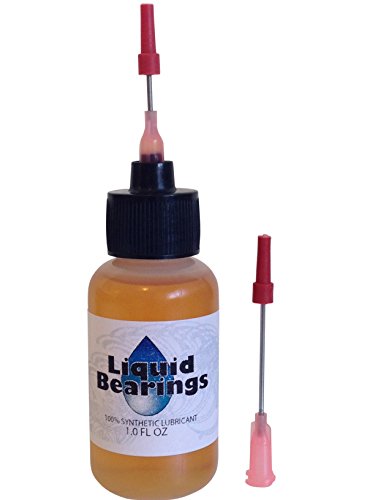
- 100%-synthetic lubricant, perfect for all skates!
- Immediately begins to displace old petro-oils or sprays.
- Makes sluggish bearings move much quieter and smoother!
A Simple Trick That Saved Me Time and Money
Here is the tip I wish I had learned years ago: use a clear plastic bottle with a squeeze top for your mixture. A water bottle or a condiment squeeze bottle works perfectly.
I mark the side with a permanent marker at the seventy percent line for solvent and the thirty percent line for lubricant. Now I never have to measure with cups or guess.
When I clean bearings now, I just squeeze the mixture into a small jar until the bearings are covered. No mess, no wasted liquid, and no more ruined batches.
The best part is that I can shake the bottle gently before each use to remix the solvent and lubricant. They separate over time if you leave them sitting on the shelf.
I keep one bottle labeled for general skate bearings and another with a thicker mix for my bike. My kids grab the right bottle without asking me every single time.
This one change cut my bearing cleaning time in half. Plus, I stopped throwing away half-full jars of separated mixture that I had let sit too long.
My Top Picks for Getting the Solvent Ratio Right
After testing different lubricants for years, I have two favorites that I keep in my kit. Both work well with the seventy-thirty solvent mix I described earlier.
Liquid Bearings 100% Synthetic Oil for Inline Roller Skates — Perfect for Speed and Precision
Liquid Bearings 100% Synthetic Oil is my go-to for my own inline skates because it stays thin even in cold weather. I love how it blends instantly with mineral spirits without separating overnight. This oil is perfect for skaters who want maximum speed and do not mind cleaning bearings more often.
The honest trade-off is that it is thin, so it does not hold up as long in dirty conditions like skatepark dust.
- 100%-synthetic lubricant, perfect for all skates!
- Immediately begins to displace old petro-oils or sprays.
- Makes sluggish bearings move much quieter and smoother!
Bones Speed Cream Premium Bearing Lubricant — Best All-Around for Skateboards and Daily Use
Bones Speed Cream is what I put in my kids’ skateboard bearings because it is thicker and lasts longer between washes. I noticed their wheels spin smoothly for weeks even after riding through gravel and dirt. This lubricant is the best choice for casual skaters who want reliable performance without constant maintenance.
The honest trade-off is that it takes a bit more solvent to mix properly since the cream is thicker than synthetic oil.
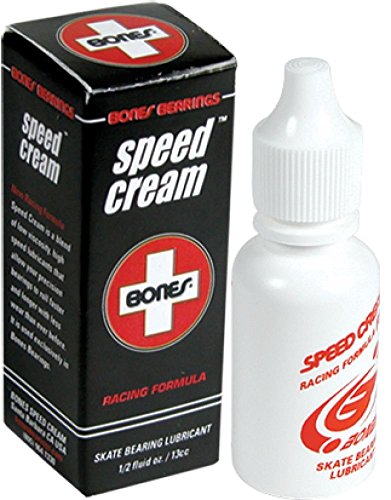
- Bones Speed Cream lubricant
- 1/2 oz. bottle
Conclusion
The right solvent-to-lubricant ratio keeps your bearings spinning smooth and saves you from replacing them too soon.
Mix up a small batch tonight using the seventy-thirty rule so you are ready for your next ride tomorrow morning.
Frequently Asked Questions about How Much Solvent Should I Use with My Bearing Lubricant Per Wash?
Can I use WD-40 as a solvent for cleaning bearings?
WD-40 is not a good choice because it leaves a sticky residue that attracts dirt. I tried it once and my bearings felt gritty after just one ride.
Stick with mineral spirits or a citrus-based degreaser instead. These evaporate cleanly and do not leave behind any gummy film.
How often should I change the solvent mixture in my jar?
I change my mixture when it turns dark brown or starts looking cloudy. That usually happens after cleaning three or four sets of dirty bearings.
Using old mixture just spreads dirt around instead of removing it. Fresh solvent costs pennies compared to the damage grime can cause.
What is the best lubricant for someone who needs their bearings to last all season without constant cleaning?
If you are tired of cleaning bearings every week, you need a thicker lubricant that stays put. I have tested many options and the one that holds up best in dirty conditions is Bones Speed Cream.
It creates a durable film that keeps grit out and keeps wheels spinning smoothly. That is exactly what I grabbed for my kids so they could ride longer between maintenance sessions.
- Bones Speed Cream lubricant
- 1/2 oz. bottle
Can I reuse the solvent after cleaning bearings?
You can reuse solvent if you let the dirt settle to the bottom and pour off the clear liquid. I do this once, but I never reuse it more than twice.
After the second use, too much dissolved grime stays suspended in the mixture. Fresh solvent is cheap and gives you much better cleaning results.
Which lubricant should I pick when I need something that works instantly and does not require mixing?
Some people hate measuring and mixing, and I completely understand that frustration. If you want a lubricant that goes straight from the bottle to the bearing with no fuss, Liquid Bearings 100% Synthetic Oil is your best bet.
It blends perfectly with solvent when you need it, but it also works great on its own for quick touch-ups. That is what finally worked for my own skates when I was tired of complicated routines.

- Bones Speed Cream
- Instructions
Is it okay to shake the solvent and lubricant mixture vigorously?
Shaking hard creates bubbles and foam that trap air against your bearings. I gently swirl the bottle instead to blend the liquid without introducing air.
Air bubbles prevent the mixture from reaching all the tiny gaps inside the bearing. A gentle swirl does the job perfectly without any downsides.