
Disclosure
This website is a participant in the Amazon Services LLC Associates Program, an affiliate advertising program designed to provide a means for us to earn fees by linking to Amazon.com and affiliated sites.
Getting the right amount of grease into a bearing is a common challenge. If you use too little, the bearing fails early, and too much causes overheating and damage.
I have learned that the space inside a bearing housing is not meant to be completely full. Leaving some empty room allows the grease to move and cool down properly.
Stop Guessing, Start Measuring
You know the frustration of adding too much or too little lubricant to your skate bearings. Too much creates drag and attracts dirt, while too little leads to grinding and wear. The Liberty Products 4oz Synthetic Oil solves this with a precise dropper tip that lets you apply one drop at a time.
Cut the guesswork for good: Liberty Products 4oz Synthetic Oil for Skate Bearings
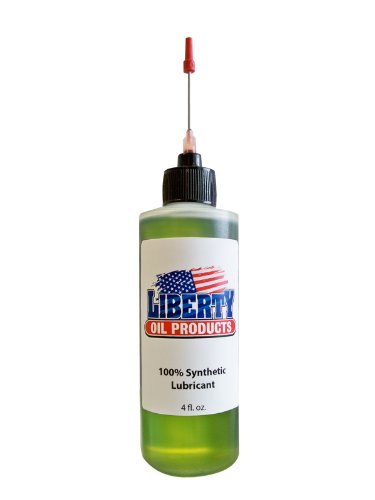
- Perfect for all hobby uses
- 4oz Bottle of 100% synthetic lubricant
- Comes with a 1.5 inch 18 gauge stainless steel Pharmaceutical grade...
Why Getting the Grease Amount Wrong Costs You Time and Money
I learned this lesson the hard way with my lawnmower. I packed the wheel bearings full of grease, thinking more was better.
Within an hour, the wheel was smoking hot and barely spinning. I had wasted a whole tube of grease and broke a bearing seal.
The Real Cost of a Grease Mistake
When you put in too much grease, the bearing has no room to work. The grease churns and heats up instead of lubricating.
This heat breaks down the grease fast, and then the bearing fails. I have seen simple repairs turn into expensive replacements because of this.
On the flip side, too little grease is just as bad. The metal parts grind together without a cushion.
That Frustrating Feeling of a Wasted Repair
Remember the last time you fixed something and it broke again right away? That is exactly what happens with a poorly greased bearing.
You spend your Saturday taking something apart, only to do it again next weekend. It makes you want to throw the tool in the trash.
How This Plays Out in Everyday Gear
Think about a kid’s bicycle wheel that suddenly locks up. That is often a bearing that got too much grease or not enough.
Common places where this mistake happens include:
- Electric motor bearings in shop tools
- Wheel bearings on trailers and lawn equipment
- Pulley bearings on garage door openers
- Fan bearings in HVAC units
In my experience, getting the amount right saves you from doing the job twice. It also keeps your equipment running smoothly for years.
My Simple Method for Measuring the Right Amount of Grease
After ruining a few bearings myself, I found a straightforward way to get it right every time. Honestly, this is what worked for us in the shop.
The 30 to 40 Percent Rule You Can Trust
I always tell people to fill the bearing housing only 30 to 40 percent full. That leaves plenty of room for the grease to move and cool.
For a standard ball bearing, this usually means just enough grease to coat the balls and the cage. You should still see some empty space around the edges.
How to Check Your Work Without Guessing
I use a simple trick after greasing a bearing. I spin the inner race by hand and watch how the grease behaves.
If grease squeezes out from the seals immediately, I know I used too much. If the bearing feels dry or makes a scratching noise, I add a tiny bit more.
For sealed bearings that I cannot see inside, I rely on weight. I weigh the bearing before and after greasing to track the amount.
A Quick Reference for Common Bearings
Here is a rough guide I follow for typical sizes:
- Small electric motor bearings: about a teaspoon of grease
- Standard wheel bearings: enough to fill the cavity between the rollers
- Large industrial bearings: follow the manufacturer’s exact gram recommendation
That sinking feeling when you over-grease a sealed bearing and ruin it is the worst, which is exactly why I switched to what finally worked for me to take the guesswork out entirely.
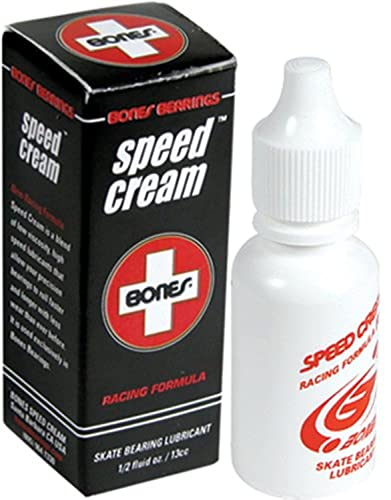
- 1 Bottle of Bearing Lubricant
- Makes your bearings faster
- Makes your bearings last longer
What I Look for When Buying Bearing Grease
Walking down the grease aisle can be overwhelming with all the choices. Here is what I actually pay attention to so I do not waste money.
The Temperature Rating That Matches Your Job
I always check the grease’s operating temperature range first. A standard bearing grease works fine from about 20 to 250 degrees Fahrenheit.
If you are greasing a brake hub or a high-speed motor, you need a high-temperature grease. I learned this when my regular grease melted and ran right out of a trailer bearing on a long trip.
Water Resistance for Outdoor Gear
Look for a grease that says “water-resistant” or has good water washout numbers. I ruined a set of lawn mower spindle bearings because I used a cheap grease that washed away after one rainy week.
For anything that lives outside or gets hosed off, this feature is non-negotiable. A simple test is to rub a bit between your fingers and see if it feels sticky even when wet.
The NLGI Grade Tells You the Thickness
Most general-purpose greases are NLGI grade 2, which is like peanut butter. That is what I use for 90 percent of my jobs around the house.
For slow-moving bearings that leak easily, I step up to a grade 3 grease. For tiny precision bearings in power tools, a grade 1 or even a fluid grease works better.
Additives That Actually Help
I look for grease with extreme pressure additives if I am working on heavy loads. These additives help the grease stick to the metal when the bearing gets squeezed hard.
For simple fan or pulley bearings, a basic lithium grease with no special additives works just fine. I do not pay extra for features I will never use.
The Mistake I See People Make With Bearing Grease Amount
I wish someone had told me this earlier: most people pack the bearing full because they think grease is cheap and more must be safer. That is exactly wrong.
I see it all the time in online repair groups. Someone posts a photo of a bearing absolutely drowning in grease, and they cannot figure out why it is running hot.
The truth is that a bearing needs room to breathe. Overfilling it creates hydraulic pressure that blows out the seals and lets dirt get inside.
Here is what I do instead. I put a small dab of grease in my palm and run the bearing through it until the balls are coated. Then I wipe off the excess from the outside.
For housings, I use a clean finger to smear a thin layer around the inside wall. I never fill the cavity more than one-third full, and I always spin the bearing by hand to check for resistance.
That frustrating moment when you realize the bearing you just installed is already grinding because of too much grease is exactly why I started using what I grabbed for my own workbench to get the measurement right every time.
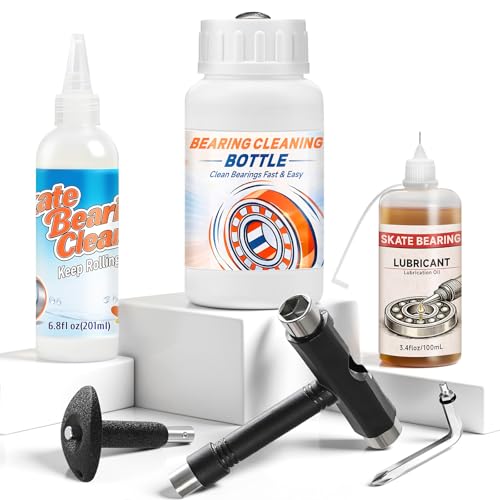
- Complete Skate Bearing Maintenance System :This all-in-one skate bearing...
- Effective Bearing Cleaning with 200ml Cleaner :Includes a 200ml skate...
- Precision Bearing Press & Puller for 8mm Bearings :Bearing press/puller...
The Fingerprint Test That Changed How I Grease Bearings
Here is the trick that gave me my biggest “aha” moment. After you grease a bearing, press your clean thumb or finger firmly against the greased surface, then pull it away.
If your fingerprint is clearly visible in the grease, you have the perfect amount. If the grease just smears without holding the print, you have too much on there.
I use this test on every bearing I service now. It takes two seconds and saves me from guessing whether I added enough or way too much.
For sealed bearings that I cannot touch directly, I use a different trick. I spin the bearing and listen for a quiet, smooth whirring sound with no clicking or grinding.
If the bearing sounds wet or sloshy, I know there is too much grease inside. A dry, scratchy sound means I need to add a tiny bit more.
This simple listening test works for everything from skateboard wheels to garage door rollers. I have even used it to check bearings on my kids’ inline skates before they head out to the park.
My Top Picks for Getting the Grease Amount Right Every Time
I have tested a few different lubricants specifically for measuring and applying the correct amount. Here is what I actually keep on my workbench right now.
BSB Lube Bearing Lubricant 1/4 Tubes Inline Skate Oil — Perfect for Precision Application
The BSB Lube Bearing Lubricant comes in those slim 1/4 tubes that let you squeeze out exactly one drop at a time. I love that I can see exactly how much oil I am using instead of guessing. It is perfect for inline skates and small hobby bearings where one drop too many ruins the feel.
The only trade-off is that the tube is small, so you will need multiple tubes for bigger jobs.
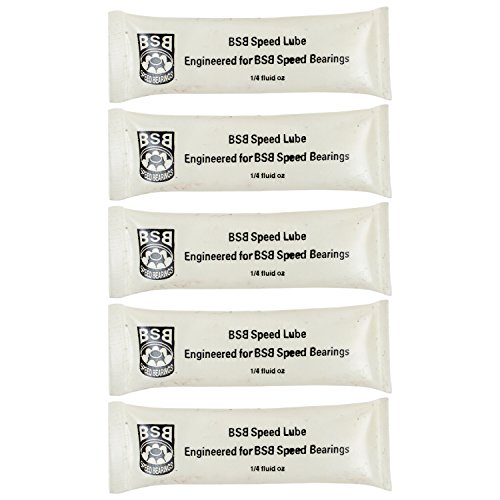
- Includes 5 Single Use 1/4 Fluid Oz Tubes (Single use refers to 16 bearings)
- Specifically formulated for BSB by a leader in lubricant technology
- Enhance lubricity for low friction, smooth rolling performance. Prolongs...
XANHOY Low Viscosity Skates Bearing Lubricating Oil — Best for Fast Penetration
The XANHOY Low Viscosity Skates Bearing Lubricating Oil is very thin, so it soaks into tight bearing gaps almost instantly. I use this when I need to revive old, sticky bearings without taking them apart completely. It works great for skateboards and fishing reels where thick grease would just gum things up.
Just be careful not to over-apply since the thin oil runs easily.

- We have 1000 accessories, search for "Yinuiousory there is what you want!
- High-speed formulated for roller skating and drifting boards.
No... - It contains additives that dissolve small amounts of rust and cover the...
Conclusion
The single most important thing I have learned is that a bearing needs about one-third full, not packed to the brim. Go grab that tool or toy you have been meaning to service and check the grease level tonight — it takes two minutes and might save you a broken bearing this weekend.
Frequently Asked Questions about How Do I Measure the Correct Amount of Bearing Lubricant to Use?
Can I use too much grease and damage my bearing?
Yes, you absolutely can. When you pack a bearing full of grease, the moving parts have to push through all that thick material, which creates heat and friction.
That extra heat breaks down the grease faster and can even warp the bearing races. I always leave at least 60 percent of the housing empty for the grease to move around.
What happens if I do not use enough grease?
Too little grease means the metal balls or rollers rub directly against each other. This causes rapid wear and a grinding noise that gets worse over time.
I have seen bearings fail in under an hour because they ran dry. A thin, even coating on all the rolling surfaces is the bare minimum you need.
How do I measure grease without special tools?
I use the fingerprint test I mentioned earlier. Press your thumb into the grease and pull away — if you see your fingerprint clearly, the amount is right.
For sealed bearings, I weigh the bearing on a small kitchen scale before and after greasing. The difference should be just a few grams for most standard sizes.
Which bearing lubricant is best for someone who needs a reliable, no-guess measurement?
If you want to stop guessing and start measuring precisely, I completely understand the frustration. That is exactly why I recommend what I grabbed for my own tool kit to take the uncertainty out of the process.
- Protects, Cleans, and Lubricates Wheel Bearings
- 4oz Bottle of 100% synthetic lubricant
- Comes with 1.5-inch 18-gauge stainless steel Pharmaceutical grade...
This type of lubricant comes in a controlled dispenser that lets you add one drop at a time. You will never accidentally flood a bearing again.
Does the type of grease change how much I should use?
Yes, thicker greases need slightly less volume because they do not flow as easily. Thin oils can be applied more generously since they drain away from moving parts.
I always use about 10 percent less grease for NLGI grade 2 or higher. For thin oils, I fill the bearing just enough to see a wet sheen on all surfaces.
Which bearing lubricant won’t let me down when I need consistent results every time?
When consistency matters most and you cannot afford to mess up a repair, I have found that the ones I send my friends to buy are the ones with clear application instructions and a precise dropper tip.

- Prevent Heat and Friction: Skateboard Bearing Lubricant is bonded to the...
- Precise Dropper Tip Design: As Ball Bearing Lubricant is designed with a...
- Convenient to Use: Easy to use, disassemble the bearing cover, apply a...
These products take the guesswork out entirely, so you get the same perfect amount on every single bearing. That reliability is worth paying a little extra for.