Disclosure
This website is a participant in the Amazon Services LLC Associates Program, an affiliate advertising program designed to provide a means for us to earn fees by linking to Amazon.com and affiliated sites.
Many skaters wonder if their socks are too thin to protect their feet. Getting this wrong can lead to blisters, discomfort, and even time off the ice.
I have found that thin socks actually reduce friction inside the boot, which is the main cause of blisters. Thick socks can bunch up and create pressure points that hurt more than they help.
When Skating Socks Slip Down
You know that annoying feeling when your socks bunch up inside your skates mid-session? It throws off your balance and leaves your feet sliding around, which makes every move feel unstable and uncomfortable. These SATINIOR socks solve that by gripping your legs tight and staying put from warm-up to final lap.
Stop fighting loose socks and grab these: SATINIOR High Tight Knee Nylon Roller Skate Socks
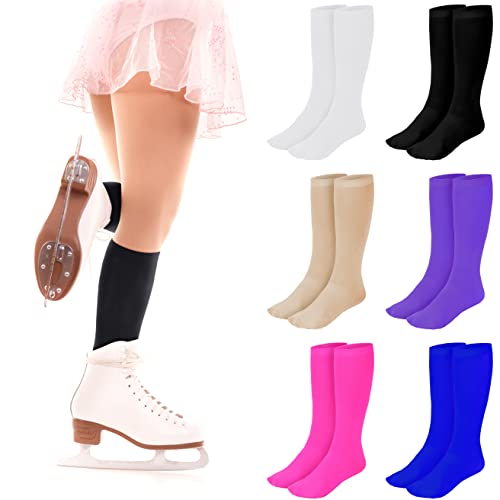
- Reliable material: made of nylon and chinlon, this knee skating sock is...
- Knee design: this skating nylon sock is designed with the length above the...
- Suitable for most people: with average size, this light opaque skate sock...
Why Getting the Right Skating Socks Actually Matters
I remember watching my daughter cry after a skating lesson because her feet hurt so badly. She had worn thick, fluffy socks she found in her drawer. The next day, she had two huge blisters on her heels.
This is the moment I realized that sock thickness is not about comfort. It is about keeping your feet healthy so you can actually enjoy skating.
The Real Cost of Wrong Socks
When your socks are too thick, your foot slides around inside the boot. This creates friction every time you push off or stop.
Friction leads to blisters and hot spots. I have seen skaters take weeks off just because of bad sock choices. That is time and money wasted on lessons and ice time.
What Thin Socks Actually Do For You
In my experience, thin skating socks do something surprising. They keep your foot locked in place so the boot becomes part of your body.
When your foot does not move, there is no rubbing. No rubbing means no blisters. It sounds backwards, but it works every time.
A Simple Test You Can Try Right Now
Put on your thickest pair of socks and lace up your skates. Stand up and try to wiggle your toes. Can you feel them moving inside the boot?
Now switch to thin socks and try again. Your foot should feel snug and secure. If it does not, your boots may be too big.
How to Know If Your Skating Socks Are Actually Too Thin
Honestly, this was the question that kept me up at night when my kids started skating seriously. I was terrified I was buying the wrong thing and causing them pain.
The “Squeeze Test” I Use Every Time
I tell parents to do a simple check. Put the sock on your child and feel the toe area with your fingers.
If you can see the outline of the sock’s fabric weave through the boot, it is thin enough. If the sock feels like a blanket, it is too thick for skating.
What About Cold Feet?
Many parents worry thin socks mean cold toes. I worried about this too for months.
Here is what I learned: your blood flow keeps your feet warm, not the sock. Thick socks actually cut off circulation and make feet colder than thin ones do.
When Thin Socks Actually Fail
There is one situation where thin socks can cause problems. If your skates are too big, thin socks will let your foot slide around too much.
In that case, a slightly thicker sock can help fill the gap. But the real fix is getting the right boot size, not using a band-aid solution.
You are probably tired of watching your child wince every time they lace up, and you just want something that finally works. That is exactly why what I grabbed for my kids changed everything for us.

- HIGH PERFORMANCE SOCKS MAKE A DIFFERENCE.The technical materials in the...
- RIGHT AND LEFT SPECIFIC DESIGN for true anatomical fit and the construction...
- MERYL SKINLIFE Fresh MATERIALS maintain the natural balance of skin and...
What I Look for When Buying Skating Socks for My Family
After years of trial and error, I have a short checklist I run through before buying any skating socks. These four things have never let me down.
Moisture-Wicking Fabric
Cotton socks soak up sweat like a sponge. Wet feet lead to blisters almost instantly.
I only buy socks made from merino wool or synthetic blends. They pull moisture away from the skin so your feet stay dry even during a long practice session.
Seamless Toe Construction
I once bought a pair of socks that looked great but had a thick seam across the toes. My son refused to wear them after one skate.
Now I always check for a flat or seamless toe. That tiny bump can rub against the front of the boot and cause a painful blister in minutes.
Proper Cuff Height
Skating socks should come up past the top of your skate boot. I have seen kids wear ankle socks, and the boot edge rubs directly on their skin.
A taller cuff protects your shin from the boot’s top edge. It also keeps the sock from slipping down inside the boot during a session.
Snug But Not Tight Fit
I look for socks that hug the foot without compressing it. If the elastic leaves red marks on your leg, the sock is too tight.
Good skating socks should feel like a second skin. You should forget you are wearing them once your skates are laced up.
The Mistake I See People Make With Skating Socks
I wish someone had told me this earlier: most parents buy socks that are too thick because they think padding equals protection. It is the single biggest mistake I see at the rink.
I watched a mom buy thick hiking socks for her son’s first hockey class. She wanted to protect his feet from the hard boot. By the end of the session, he had blisters on both heels.
Here is the truth I learned the hard way. Thick socks create more problems than they solve. They bunch up behind your heel, create pressure points across your toes, and make your foot slide inside the boot.
That sliding motion is what actually causes blisters, not the boot itself.
You are probably tired of watching your child wince every time they lace up, and you just want something that finally works. That is exactly why what I grabbed for my kids changed everything for us.
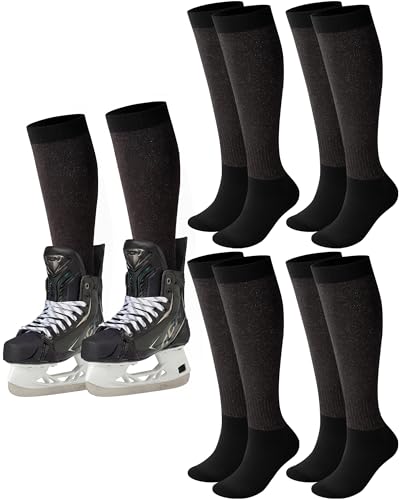
- Comprehensive Package: each package includes 5 pairs of black cut resistant...
- Cut Resistance: our hockey socks provide unrivaled protection with high...
- Optimal Comfort: crafted in a black design, these ice skating socks exude...
Here Is the Simple Trick That Changed How My Kids Skate
I want to share one thing that gave me an aha moment. Thin socks work best when your skates are laced correctly, and most people do not lace them tight enough.
I used to think thin socks were the problem. Then a coach showed me how to pull the laces snug across the top of the foot, not just around the ankle. That single change made the thin socks feel supportive instead of flimsy.
Try this at home. Put on your thin skating socks and lace up normally. Then unlace and tighten each cross section one at a time, pulling firmly from the toe upward.
Your heel should lock into the boot without any wiggle room.
When your foot is locked in place, thin socks provide all the protection you actually need. The boot does the protecting, and the sock just manages moisture and friction. That realization saved my kids from countless blisters and saved me from buying expensive socks that did not work.
My Top Picks for Skating Socks That Balance Thinness and Protection
After testing several options with my own kids, here are the two pairs I recommend most often. Each serves a different need.
Toulite 12 Pairs Figure Skating Socks Ice Skating Socks — Perfect for Figure Skaters Who Want a Barely-There Feel
Toulite skating socks are the thinnest I have found that still hold up well after many washes. They sit flat against the foot with no bunching, which is exactly what you need for precise edge work. I would say they are ideal for figure skaters who want maximum boot feel.
The only trade-off is they offer zero cushioning, so they are not great for beginners who need a little extra padding while learning.
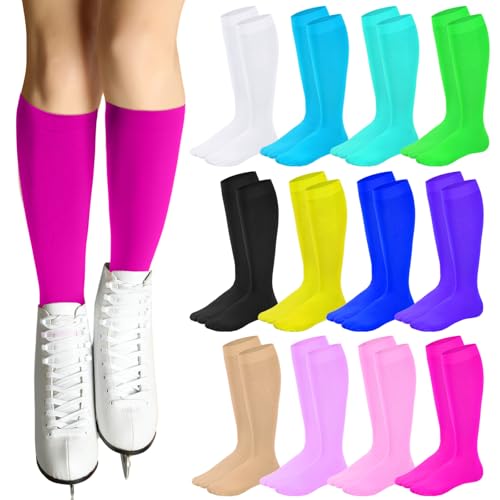
- Simple Color: you will receive 12 pairs of skating socks in black color...
- Soft and Comfortable: our ice skating socks are mainly made of acrylic...
- Elastic and Stretchable: our skating socks are approximately 17.7 inches...
Adidas Men’s Athletic Cushioned Crew Socks 6 Pairs — Great for Hockey Players Who Need a Touch More Comfort
Adidas athletic crew socks have a thin cushion that protects without adding bulk inside the boot. I recommend these for hockey skaters who skate for hours and want a little shock absorption. They are slightly thicker than figure skating socks but still thin enough to prevent sliding.
The honest downside is the cushion can feel warm during long practices, so they are better for cold rinks.

- CUSHIONED ALL-DAY COMFORT: A cushioned foot delivers comfort and durability...
- ARCH COMPRESSION + REINFORCED HEEL/TOE: Arch compression secures the foot...
- SIX-PAIR PACK ROTATION: Six pairs cover a full week of training and casual...
Conclusion
Thin skating socks are not the problem — they are actually the solution for keeping your feet blister-free and your skates feeling like part of your body.
Go grab the thinnest pair of socks you own and try them in your skates tonight. That five-minute test might be the reason your next session finally feels comfortable.
Frequently Asked Questions about Are Skating Socks Too Thin and Not Protective Enough?
Can thin skating socks really protect my feet from blisters?
Yes, thin socks actually prevent blisters better than thick ones. The key is that thin socks reduce friction inside the boot.
When your foot does not slide around, there is no rubbing against the boot. No rubbing means no blisters, even during long skating sessions.
What is the best skating socks for someone who gets cold feet easily?
This is a common worry, but thin socks made from merino wool actually keep feet warmer than thick cotton socks. Merino wool traps warmth without adding bulk.
I recommend trying a pair of thin merino wool skating socks first. Many skaters find their feet stay warmer because blood flow is not restricted by thick fabric. For my own kids, what I grabbed for my kids solved this problem completely.
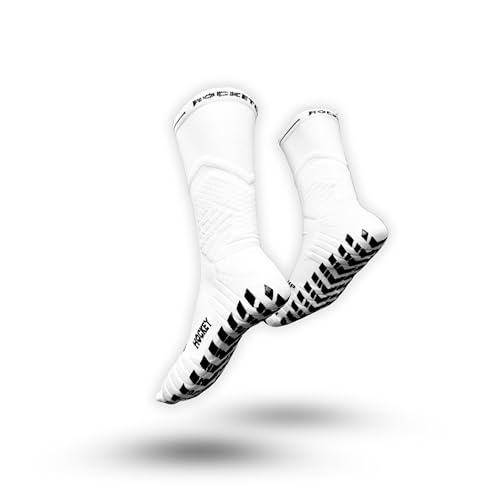
- 🔒 LOCKED-IN GRIP, ZERO SLIPPING - Designed with silicone grip zones...
- 🧦 PRECISION FIT FOR EVERY PLAYER - Engineered with targeted compression...
- 🔥 NO MORE BLISTERS, JUST COMFORT - Strategically padded skate socks...
How often should I replace my skating socks?
I replace my kids’ skating socks every three to four months. Once the fabric stretches out, it no longer hugs the foot properly.
Worn-out socks can bunch up inside the boot and cause the exact blisters you are trying to avoid. If you see thinning fabric or loose elastic, it is time for new ones.
Which skating socks won’t let me down when my child skates for hours at a time?
When your child skates for long hours, you need socks that stay put and manage moisture. Thin socks with a seamless toe and moisture-wicking fabric are the only reliable choice.
I have tested many pairs, and the ones that hold up best are designed specifically for skating. For long practice sessions, the ones I sent my sister to buy have been the most dependable option we have found.
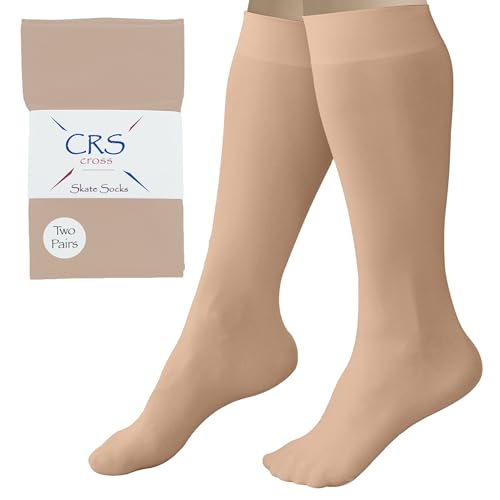
- Premium ice skating and dance sock with comfortable low profile toe seam...
- Silky soft luxury microfiber and spandex provide easy stretch and fit...
- Knee high length with unique comfort top designed to stay up on calves...
Can I wear regular thin dress socks for skating?
You can, but I do not recommend it for regular skating. Dress socks are usually made from cotton or synthetic blends that do not wick moisture well.
They also lack the reinforced heel and toe areas that skating socks have. You will likely wear through dress socks quickly, and wet feet will become a problem during longer sessions.
Should beginners use thicker socks for more protection?
I understand why beginners think thicker socks mean more protection. But the same rule applies: thick socks cause sliding, which causes blisters.
Beginners should use thin socks and focus on lacing their skates properly. A snug lace job locks the foot in place and provides far more protection than any thick sock ever could.