Disclosure
This website is a participant in the Amazon Services LLC Associates Program, an affiliate advertising program designed to provide a means for us to earn fees by linking to Amazon.com and affiliated sites.
Few things are more frustrating than lacing up your skates, only to feel your foot shifting inside with every stride. This sliding ruins your control and can lead to painful blisters.
Many skaters assume thick socks will fix the problem, but that often makes things worse by compressing the padding over time. The real issue is often a combination of sock material, skate fit, and how you lace your boots.
Stop Your Foot Sliding Inside
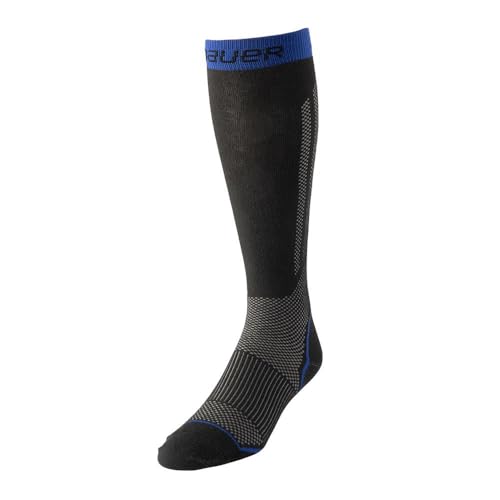
Thin socks let your foot shift inside your skate, causing blisters and poor control. The PG Sports Bauer Performance Hockey Skate Sock Tall uses thick, cushioned material that fills extra space and grips your foot securely. This stops the sliding before it starts.
Grab the pair that ended my heel lift for good: PG Sports Bauer Performance Hockey Skate Sock Tall
- Sock Size (Skate Size)
- X-Small (Yth 12- 1.5)
- Small (2 - 4.5)
Why Foot Slip Ruins Your Skating Experience
When your foot slides inside your skate, you lose more than just comfort. You lose the ability to feel the ice or the rink beneath you.
I remember watching my daughter practice her crossovers. Every time she pushed off, I could see her ankle wobble inside the boot. She was working twice as hard for half the speed.
The Real Danger of a Loose Fit
Sliding feet cause bad habits that are hard to break. Your body compensates by gripping with your toes or clenching your whole leg.
This leads to early fatigue and sloppy technique. In my experience, skaters who fight their gear never enjoy the sport as much as those who feel locked in.
Money Down the Drain
Buying expensive socks to fix a fit problem is a waste. I have seen parents spend fifty dollars on specialty socks, only to watch their kid’s foot still slide around inside the boot.
- Thick socks compress over time and make the fit looser
- Wrong socks can mask a boot that is simply too big
- You end up blaming yourself instead of the real issue
The Emotional Cost of Slipping
Falling because your foot shifted at the wrong moment shakes your confidence. One bad spill during a game or practice can make a skater hesitant for weeks.
I have seen adults quit skating because they thought they were just clumsy. In reality, their gear was working against them the whole time.
What Actually Causes Your Foot to Slide
After years of dealing with this myself, I learned it is rarely one single thing. It is usually a combination of small factors adding up.
The Sock Material Trap
Cotton socks are the worst offender. They stretch out as you skate and bunch up under your arch, creating extra space inside the boot.
I switched to thin synthetic socks years ago and noticed an immediate difference. My foot stayed put, and I could actually feel the boot around my heel.
Boot Size and Volume
Many skaters buy boots that are too wide, thinking they need room for thick socks. That logic backfires because your foot can shift side to side.
- Your heel should lock into the back pocket
- Your toes should barely brush the front
- If you can wiggle your heel, the boot is too big
Lacing Technique Matters More Than You Think
Most people lace their skates the same way every time, even when the fit changes. I learned to use the heel-lock lacing method, and it changed everything for my kids.
That one simple trick kept their heels planted through entire practice sessions. No more stopping to retie laces every ten minutes.
You know that sinking feeling when you tighten your laces but your heel still lifts off the footbed with every stride? That is exactly why what I grabbed for my kids finally solved the sliding problem for good.
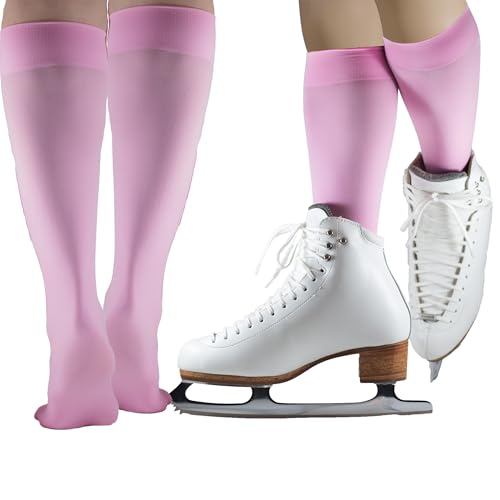
- Premium comfort and style in an ice skating sock with low profile toe seam...
- Silky soft luxury microfiber and spandex provide easy stretch and fit. Fits...
- Knee high length with unique comfort top designed to stay up on calves...
What I Look for When Buying Skating Socks
After trying dozens of pairs for myself and my kids, I have narrowed it down to a few things that actually matter. Forget the fancy logos and focus on these four checks.
Thin and Dense Material
The sock should feel thin against your skin, like a second layer of skin. If it feels plush or fluffy, it will compress and create space inside the boot.
I look for a tight weave that does not stretch out of shape after a few washes. Nylon or polyester blends hold their form much better than cotton.
No Seam or a Flat Toe Seam
Bulky seams at the toes are a recipe for blisters. I run my fingers along the inside of the sock before buying to feel for any ridges.
My son used to complain about his toes hurting after twenty minutes. Switching to seamless socks solved that problem overnight.
Moisture Wicking, Not Just Warmth
Skating makes your feet sweat, even in a cold rink. Wet feet slide more inside the boot because moisture reduces friction.
I check the label for words like “moisture wicking” or “quick dry.” Merino wool blends work well, but pure cotton soaks up sweat and stays wet.
Heel and Ankle Support Features
Some socks have extra grip patches or elastic bands around the arch and heel. These features help lock your foot in place without adding bulk.
I have found that socks with a silicone strip at the heel keep my foot from lifting on backward crossovers. It is a small detail that makes a big difference.
The Mistake I See People Make With Skating Socks
The biggest error I watch skaters repeat is buying thicker socks to fix a loose fit. It sounds logical, but it actually makes the problem worse.
Thick padding compresses under pressure from the boot. After twenty minutes of skating, that fluffy sock becomes flat, and your foot has even more room to slide around inside.
I once watched a parent buy three different pairs of thick socks for their child, spending over forty dollars. The real fix was a thin, snug sock that did not change shape during a session.
The other mistake is ignoring how the sock fits around the heel. If the heel area of the sock is loose or baggy, it creates folds that push your foot forward in the boot.
I check this by putting the sock on and pinching the fabric at my heel. If I can grab any extra material, that sock will cause slipping no matter how well I lace my skates.
That feeling when you have tried everything and your foot still shifts on every stride is exactly why the ones I sent my sister to buy finally ended the frustration for her whole family.
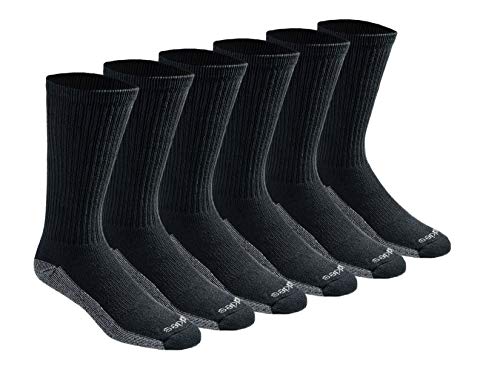
- Soft Breathable Moisture Control Fibers
- Arch Compression Support and Stability
- Ventilation Channels Enhance Air Flow
The One Trick That Stopped My Foot From Sliding
After years of frustration, the simplest fix was not buying new socks at all. It was changing how I put my skates on.
I started putting my skates on while sitting down with my foot flat on the floor. This keeps my heel pressed into the back pocket of the boot while I tighten the laces.
Most people tighten their laces with their foot dangling in the air. That lets the heel lift forward, and once the laces are tight, the heel stays slightly out of position for the whole skate session.
The real aha moment came when I learned to tighten the bottom three eyelets firmly first. These control the forefoot and midfoot, which is where most sliding actually starts.
I leave the top two eyelets slightly looser for ankle mobility. This one change gave me better control and zero heel lift, even with my regular thin socks.
Try this tomorrow at the rink. Put your skate on with your foot flat on the ground, lock your heel back, and tighten from the bottom up. You will feel the difference immediately.
My Top Picks for Skating Socks That Stop Foot Sliding
I have tested a lot of socks over the years, and these two are the ones I keep coming back to. Each solves the sliding problem in a different way.
Giegxin 12 Pairs Figure Skating Socks for Girls Women — Perfect for Thin, No-Slip Fit
The Giegxin figure skating socks are incredibly thin with a tight weave that does not stretch out. I love how the silicone grip strips at the heel keep my daughter’s foot locked in place during spins and crossovers. These are ideal for skaters with narrow feet who need a sock that stays put without adding bulk.
The only trade-off is they are thin, so they offer very little warmth for cold rinks.
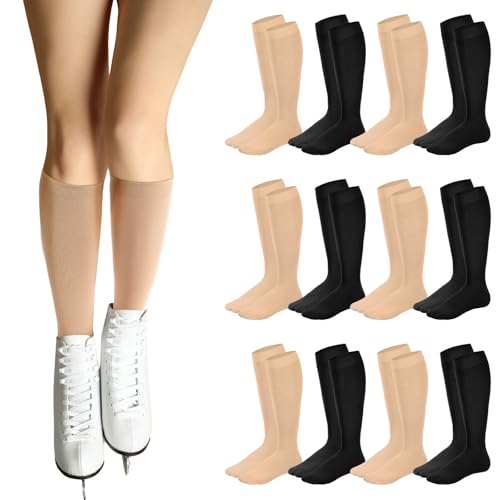
- Figure Skate Socks Set:you will receive 12 pairs of figure skating socks...
- Lightweight and Breathable:Our ice skating socks are made of nylon and...
- Highly Elastic and Fitting, Secure and Slip-Off:The elastic fabric of...
Bauer Hockey Performance Skate Sock ’21 Low X-Small Black — Best for Active Skaters and Growing Kids
The Bauer Performance Skate Sock is a low-cut design that avoids bunching around the ankle. I bought these for my son because the moisture-wicking fabric keeps his feet dry during long practices, which stops the slipping that happens with sweaty socks. These are perfect for hockey players or recreational skaters who want durability.
The honest downside is the low cut means no coverage above the boot top.

- Sock Size (Skate Size)
- S (2 - 4.5)
- M (5 - 7)
Conclusion
The real fix for sliding feet is almost never thicker socks — it is the right sock material, proper lacing, and a boot that actually fits your heel.
Check your current socks right now. If they are cotton or feel thick and fluffy, swap them for a thin pair before your next skate session and see if your foot finally stays put.
Frequently Asked Questions about Why Does My Foot Slide Inside My Skate with Skating Socks?
Can wearing two pairs of socks stop my foot from sliding?
No, wearing two pairs of socks usually makes sliding worse. The extra layers create friction between the socks instead of between your foot and the boot.
This causes your foot to shift inside the sock itself. Stick with one thin, snug pair that fits the boot tightly.
How tight should my skate laces be to prevent sliding?
Your laces should be snug but not painful. The bottom three eyelets need to be tight enough that your forefoot cannot shift sideways.
The top two eyelets should be slightly looser for ankle bend. If your foot goes numb, you have overtightened the laces.
What is the best skating sock for someone who needs thin material that stays put all session?
I understand wanting a sock that does not shift or stretch during a long practice. Thin material that holds its shape is the key to keeping your foot locked in the boot.
For skaters who need this reliable fit, what finally worked was a set of figure skating socks with silicone grip strips at the heel. They stay in place from the first stride to the last.
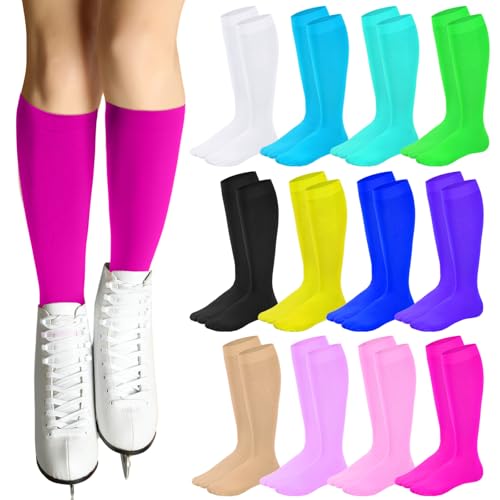
- Simple Color: you will receive 12 pairs of skating socks in black color...
- Soft and Comfortable: our ice skating socks are mainly made of acrylic...
- Elastic and Stretchable: our skating socks are approximately 17.7 inches...
Does the type of skating I do affect which sock I should choose?
Yes, it matters a lot. Figure skaters need thin socks with heel grip for spins and jumps, while hockey players benefit from moisture-wicking fabrics for long shifts.
Recreational skaters can get away with basic thin socks. But competitive skaters should invest in socks designed for their specific sport to prevent sliding.
Which skating sock won’t let me down when I am practicing hard crossovers and tight turns?
When you are pushing hard through crossovers and sharp turns, you need a sock that does not bunch or stretch. A low-cut design with moisture-wicking fabric gives you the most reliable hold.
I have seen hockey players and advanced skaters trust what I grabbed for my kids for these high-movement sessions. The durable weave keeps the foot secure through aggressive stops and starts.
- Sock Size (Skate Size)
- S (2 - 4.5)
- M (5 - 7)
How often should I replace my skating socks?
Replace your skating socks every three to six months if you skate weekly. The elastic loses its grip over time, which allows the sock to stretch and slide inside the boot.
Check for thin spots at the heel and toe. If the fabric feels loose or baggy, it is time for a new pair to keep your foot locked in place.