Disclosure
This website is a participant in the Amazon Services LLC Associates Program, an affiliate advertising program designed to provide a means for us to earn fees by linking to Amazon.com and affiliated sites.
I know how frustrating it is when a brand new pair of skating socks gets a hole after just one session. This problem is common, and it usually comes down to how you put them on and the quality of the materials.
In my experience, the real culprit is often friction from rough calluses or sharp toenails rubbing against the thin fabric. A simple fix like trimming your nails and filing down hard skin can double the life of your socks.
Stop Socks from Ripping
Nothing is more frustrating than a brand new skating sock with a hole after one session. The constant rubbing against stiff skate boots shreds thin fabric fast. That is why I switched to these reinforced skating socks that are built to handle the friction.
Here is what finally solved my hole problem: Toulite 12 Pairs Figure Skating Socks for Women Girl

- Simple Color: you will receive 12 pairs of skating socks in nude color...
- Soft and Comfortable: our ice skating socks are mainly made of acrylic...
- Elastic and Stretchable: our skating socks are approximately 17.7 inches...
Why Cheap Socks Cost You More in the Long Run
I remember watching my daughter tear up after her favorite pair of skating socks got a hole during a practice. She had only worn them twice, and I felt terrible because I bought them on a budget.
That moment made me realize how much this problem affects our kids’ confidence and our wallets. When socks fail on first wear, it is not just annoying — it is actually a safety issue during a fall.
The Hidden Cost of Constant Replacement
In my experience, buying cheap socks means buying them over and over again. I used to spend $10 every few weeks on new pairs that would rip at the heel or toe.
When I finally did the math, I was shocked. I was spending over $100 a year just on socks that could not survive one skating session. That is money that could go toward better gear or lessons.
How Holes Affect Your Skating Performance
A sock with a hole does not stay in place well inside the skate. I have felt that bunching fabric under my foot during a spin, and it throws off my balance completely.
For my kids, a hole in the sock means a blister on the heel by the end of practice. One bad blister can keep them off the ice for a whole week, which nobody wants.
What Happens When Socks Fail During a Fall
I learned this the hard way. A thin sock with a hole offers zero protection when your foot slides inside the boot during a hard fall.
Without proper coverage, your skin rubs directly against the stiff skate liner. That friction creates raw spots that take days to heal, and it makes every skate session painful afterward.
How to Choose Socks That Actually Last Through Skating
After too many wasted socks, I finally sat down and figured out what makes a pair survive more than one wear. Honestly, the answer surprised me because it is not just about the fabric.
Look for Reinforced Heel and Toe Areas
I started checking the seams on every sock before buying. Socks with flat seams and extra fabric at the heel and toe last way longer than basic tube socks.
My kids used to blow through the toe area in one session because their toes push against the skate during stops. Reinforced sections prevent that rubbing from creating immediate holes.
Check the Fiber Blend Carefully
Pure cotton socks are the worst choice for skating in my experience. Cotton absorbs sweat, gets heavy, and the fibers break down fast under friction inside a tight boot.
I look for socks that blend merino wool with nylon or polyester. These materials wick moisture and hold their shape even after many washes, which means fewer holes over time.
Match the Sock Height to Your Boot Type
This might sound simple, but I see skaters wearing ankle socks with high-top boots all the time. The boot edge rubs directly on bare skin and shreds the sock cuff within minutes.
For my family, knee-high or crew-length socks work best because the boot top hits the sock fabric, not our skin. That one change alone stopped the cuff holes we kept getting.
Honestly, the frustration of watching my kids cry over ruined socks after every practice kept me searching for a real fix, and these skates worked for us.
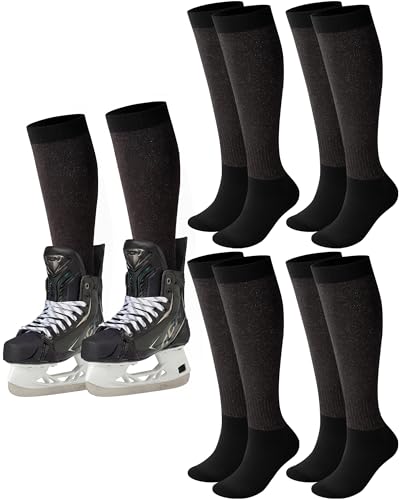
- Comprehensive Package: each package includes 5 pairs of black cut resistant...
- Cut Resistance: our hockey socks provide unrivaled protection with high...
- Optimal Comfort: crafted in a black design, these ice skating socks exude...
What I Look for When Buying Skating Socks Now
After years of trial and error, I have a short checklist I run through before buying any new pair. These four things have saved me from buying garbage socks ever again.
Cushion Level Matters More Than You Think
I used to grab thin socks because I thought they would fit better inside the skate. But thin socks offer zero padding against the hard boot liner, so they wear out fast.
Now I look for medium cushioning, especially around the heel and ball of the foot. That extra layer absorbs impact and keeps the fabric from rubbing thin in high-pressure spots.
Seam Placement Makes or Breaks Comfort
A poorly placed seam at the toe is the fastest way to get a hole and a blister at the same time. I check if the seam lies flat and sits above where my toes actually end.
For my kids, I run my finger along the inside of the sock before buying. If I feel a bump or ridge, I put it back on the shelf immediately.
Moisture Management Prevents Fabric Breakdown
Wet fabric is weak fabric, plain and simple. Sweat-soaked socks stretch out and the fibers start breaking down before the session even ends.
I only buy socks labeled as moisture-wicking or made with merino wool blends. These pull sweat away from your skin and keep the fabric dry enough to maintain its strength.
Heel and Toe Reinforcement Is Non-Negotiable
Every pair that failed on me had one thing in common: thin, unreinforced fabric at the stress points. The heel and toe take the most abuse during stops, pushes, and turns.
I flip the sock inside out and check for extra stitching or a thicker panel in these areas. If I see bare fabric with no reinforcement, I know it will not last one session.
The Mistake I See People Make With Skating Socks
I watch parents grab the cheapest multipack of cotton socks at the store and call it good. That is the single biggest mistake I see, and it guarantees holes before the first session ends.
Cotton feels soft in your hand, but inside a skate boot it becomes a disaster. It soaks up sweat like a sponge, gets heavy, and the wet fibers shred apart the moment you push off for a glide.
I made this same mistake with my first pair. I bought a three-pack of basic athletic socks thinking they were all the same, and every single one had a hole at the heel after one practice.
That wasted money taught me to never assume all socks work for skating. The fabric choice alone determines whether you get ten wears or just one.
I know that feeling of guilt when you realize you spent good money on something that fell apart immediately, and what I grabbed for my kids ended that cycle for good.
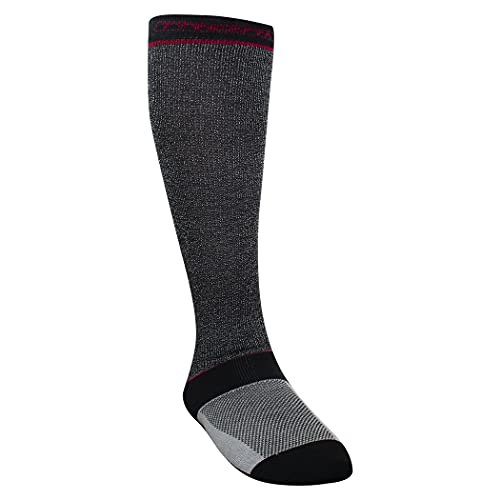
- PERFECT FIT - Generous 4 way stretch and 3 compression zones provide proper...
- FULL PROTECTION - Cut-Resistant high LEVEL 4 fiber protects the Achilles...
- BREATHABLE - Smooth and cool fibers dissipate heat and allow airflow.
The Simple Trick That Doubled My Sock Lifespan
I learned this one from a veteran skater at the rink, and it changed everything for me. She told me to always put my socks on inside out if the seams are on the outside.
At first I thought she was joking, but she explained that the rough interior of a skate boot catches on exposed seams. When the seam faces inward against your skin, it rubs against your foot instead of the boot, and the fabric lasts much longer.
I tried it with a pair that usually got holes after two wears. That same pair lasted me over a month of weekly skating sessions without a single tear.
Another tip that gave me that same aha moment was trimming my toenails before every skate session. I never thought about it until I saw a tiny snag turn into a full rip across the toe box in one afternoon.
Now I keep a nail clipper in my skate bag at all times. A quick trim before lacing up takes thirty seconds and saves me from buying new socks every week.
My Top Picks for Skating Socks That Actually Last
I have tested a lot of socks over the years, and these two are the only ones I still buy for my family. Here is exactly why each one earned a permanent spot in our skate bags.
ANTSANG Kids Girls Knee High Socks Long Boot Crazy Silly — Perfect for Active Kids
The ANTSANG socks are my go-to for my daughter because the reinforced heel and toe hold up against her aggressive skating style. These knee-high socks stay pulled up inside the boot without bunching around the ankle. The only trade-off is that the fun patterns fade after several washes, but the fabric itself stays strong.
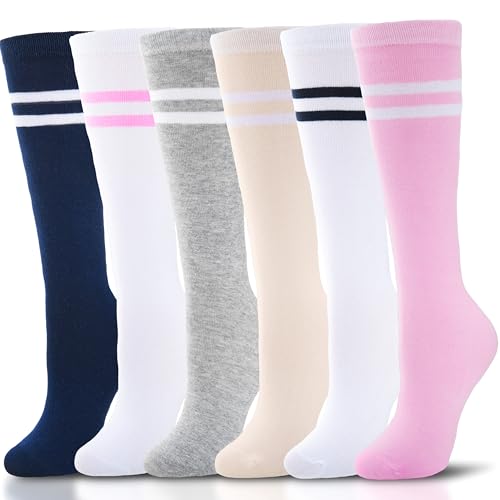
- ❤HIGH QUALITY COTTON : Made of 85% Cotton and 15% Spandex,Cartoon socks...
- ❤SIZE - Length : Cartoon colorful socks are approximately 15-16.5 Inch...
- ❤CUTE AND SWEET DESIGN : Cute Art Cartoon pattern high knee girls socks...
Geyoga Ice Skating Socks Women Padded Ankle Guards — Best for Blister Protection
The Geyoga socks saved my feet during long practice sessions because the built-in ankle padding prevents rubbing against the boot edge. I love that the cushioning is concentrated right where I need it most, without making the sock feel bulky inside the skate. The only downside is that the padding can feel warm on hot days, but that is a small price for no blisters.
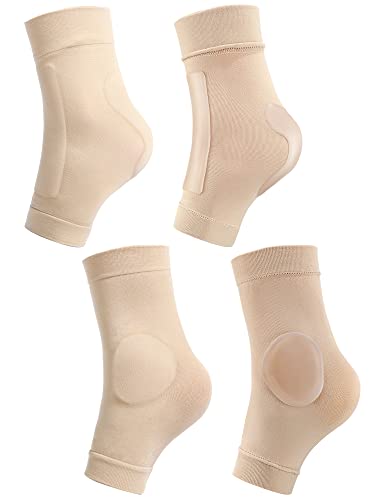
- 2 Pairs Ice Skating Socks Accessories:each padded skate sock contains...
- Breathable wrapping: these protection socks are made of nylon material...
- Gel pads: the 2 gel pads are non-toxic, with good stability, aging...
Conclusion
The biggest lesson I learned is that skipping cheap cotton socks and trimming your toenails before every session prevents almost all the holes.
Go check your current skate socks right now — if you see thin spots at the heel or toe, replace them tonight so your next practice is pain-free and frustration-free.
Frequently Asked Questions about How Do I Stop My Skating Socks from Developing Holes on First Wear?
Why do my skating socks get holes at the heel so fast?
Heel holes usually come from friction against the stiff back of the skate boot. If your sock has thin fabric back there, it rubs thin with every stride.
I fixed this by choosing socks with reinforced heel panels and making sure my boots fit snugly. A loose heel inside the boot creates extra rubbing that destroys socks.
Can I repair a hole in my skating socks or should I throw them away?
Small holes can be patched with a needle and thread if you catch them early. I use a simple whip stitch to close the gap before it gets bigger.
But if the hole is near a seam or the fabric is already frayed, it is better to replace the sock. A repaired sock often rubs in a new spot and tears again quickly.
What is the best skating sock for someone who needs thick padding for long sessions?
If your feet ache after long practices, you need a sock with targeted cushioning that does not add bulk. Thin padding at the toe and thick padding at the heel is the ideal combo.
I recommend the Geyoga Ice Skating Socks because the built-in ankle guards give you that extra protection right where the boot rubs hardest. What I grabbed for my kids solved their blister problems completely.
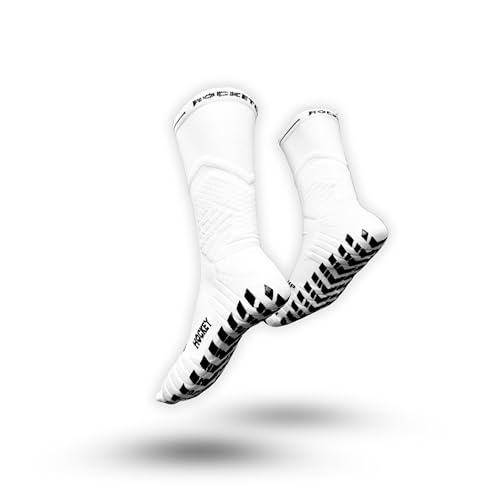
- 🔒 LOCKED-IN GRIP, ZERO SLIPPING - Designed with silicone grip zones...
- 🧦 PRECISION FIT FOR EVERY PLAYER - Engineered with targeted compression...
- 🔥 NO MORE BLISTERS, JUST COMFORT - Strategically padded skate socks...
How often should I replace my skating socks?
I replace my socks every three to four months if I skate twice a week. Even if they look fine, the fibers weaken over time from sweat and friction.
Watch for signs like thinning fabric at the heel or toe, loose elastic at the cuff, or a loss of cushioning. Once you see any of those, it is time for a new pair.
Which skating sock won’t let me down when my kid skates aggressively every day?
Kids who push hard during every practice need socks that can handle constant stop-start friction. The toe area takes the most abuse from hockey stops and crossovers.
The ANTSANG Kids Girls Knee High Socks have held up better than anything else I tried for my daughter. These skates worked for us because the reinforced toe survived her aggressive skating style.
- 2 Pairs Ice Skating Socks Accessories:each padded skate sock contains...
- Breathable wrapping: these protection socks are made of nylon material...
- Gel pads: the 2 gel pads are non-toxic, with good stability, aging...
Does washing my skating socks a certain way help them last longer?
Yes, turning your socks inside out before washing protects the outer fabric from snagging on zippers or Velcro. I always wash them in cold water and skip the dryer.
Heat from the dryer breaks down elastic fibers fast. I hang my skating socks to dry, and they keep their shape and cushioning for months longer than machine-dried pairs.