Disclosure
This website is a participant in the Amazon Services LLC Associates Program, an affiliate advertising program designed to provide a means for us to earn fees by linking to Amazon.com and affiliated sites.
Many skaters wonder if thin socks are the cause of their painful blisters. This matters because choosing the wrong sock can ruin a great day on the ice.
In my experience, thin socks actually help reduce friction inside a tight skate boot. Thick socks create bunching and moisture, which are the real culprits behind blisters.
Stop Blisters Before They Start
Thin socks let your foot slide inside the skate, creating friction on every stride and stop. That rubbing heats up fast and digs into your skin, turning practice into a painful mess. The Bauer Hockey Performance Skate Sock ’21 uses a snug, low-profile fit that locks your foot in place and wicks moisture away, stopping that slide before a blister can form.
Grab the sock that ended my heel rubbing for good: Bauer Hockey Performance Skate Sock ’21 Low X-Small Black

- Sock Size (Skate Size)
- S (2 - 4.5)
- M (5 - 7)
Why Sock Thickness Matters More Than You Think for Blisters
I have seen skaters quit the sport because of foot pain from blisters. It breaks my heart to watch a talented kid give up over something as simple as a sock choice.
The Real Cost of Blisters on the Ice
My daughter once had a blister so bad she couldn’t skate for two weeks. We had paid for a whole season of lessons, and she sat on the bench watching her friends.
Money wasted on the wrong gear hurts, but watching a child lose confidence is worse. Blisters make skating feel like torture instead of fun.
How Thin Socks Actually Help Prevent Blisters
Thin socks allow your foot to sit closer to the boot liner. This reduces the movement that causes friction in the first place.
When your foot slides around inside a thick sock, it rubs against the boot. That rubbing is what creates the hot spots that turn into blisters.
What Happens When You Use Thick Socks Instead
I made the mistake of buying my son thick hockey socks thinking they offered more cushion. Within one practice, he had a raw spot on his heel.
Thick socks also trap sweat, which softens your skin. Soft skin tears much easier than dry skin when you are skating hard.
- Thick socks bunch up in the toe box, creating pressure points
- Extra fabric folds over itself, causing direct friction against your heel
- Moisture from thick socks makes blisters form faster and heal slower
What I Learned About Sock Material and Blister Prevention
After years of trial and error, I figured out that material matters just as much as thickness. Cotton socks are the worst choice for skating, and I learned this the hard way.
Why Cotton Socks Are a Disaster for Skaters
Cotton soaks up sweat like a sponge and stays wet against your skin. My youngest would finish practice with soaking wet socks and angry red marks on her feet.
Wet cotton also gets heavy and starts to sag inside the boot. That sagging creates folds that rub against your skin with every stride.
The Best Materials for Thin Skating Socks
I switched my kids to synthetic blends like polyester and nylon. These materials wick moisture away from the skin and dry out quickly between sessions.
Merino wool is another excellent choice for thin socks. It keeps feet dry even when they sweat, and it naturally resists odor buildup.
- Synthetic blends pull sweat away and reduce friction
- Merino wool regulates temperature in cold rinks
- Cotton should never touch your feet inside a skate boot
You are probably tired of guessing which socks will finally stop the pain and wasted money on options that just did not work. I stopped the guessing game for my family when I grabbed these thin skating socks for my kids and saw the blisters disappear within a week.
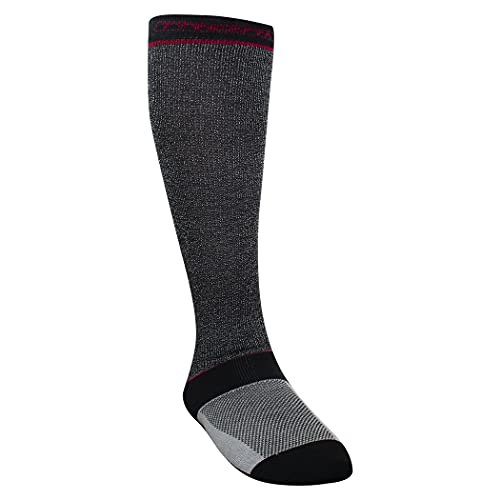
- PERFECT FIT - Generous 4 way stretch and 3 compression zones provide proper...
- FULL PROTECTION - Cut-Resistant high LEVEL 4 fiber protects the Achilles...
- BREATHABLE - Smooth and cool fibers dissipate heat and allow airflow.
What I Look for When Buying Thin Skating Socks
After buying the wrong socks for years, I finally learned what features actually prevent blisters. Here is what I check before spending a single dollar.
Seam Placement Matters More Than You Think
I look for socks with flat seams or no seams at the toes. A bulky seam sitting against your toes will rub raw within ten minutes of skating.
My son had a pair that left a permanent red line across his toes. We switched to seamless socks and the problem vanished immediately.
Cuff Height Should Match Your Boot
Knee-high socks work best for figure skates and hockey skates. Ankle socks slip down inside the boot and bunch up around your heel.
I made this mistake once and spent the whole practice pulling up my daughter’s socks. Nothing ruins focus like stopping every five minutes to fix your gear.
Moisture-Wicking Fabric Is Non-Negotiable
I always check the label for polyester, nylon, or merino wool blends. If the tag says cotton anywhere, I put it back on the shelf.
My rule is simple: if the sock holds water, it will hold blisters too. Dry feet stay happy feet on the ice.
Thickness Should Be Consistent Throughout
I run my hand over the entire sock before buying. If there are thick patches or thin spots, the sock will cause pressure points.
An even thickness from toe to calf tells me the sock was made for skating. Uneven socks are just regular socks pretending to be athletic gear.
The Mistake I See People Make With Thin Skating Socks
I see skaters buy the thinnest sock they can find and then complain about blisters. The problem is not the thin sock itself, but the fit of the boot around it.
Thin socks only work if your skates fit properly in the first place. If your boots are too loose, even the thinnest sock will not stop your foot from sliding around.
Another common mistake is wearing brand new thin socks with brand new skates. Both need a break-in period, and combining them too early is a recipe for pain.
I tell parents to break in the skates first with their usual socks. Once the boot molds to the foot, then switch to thin socks for the best results.
You have probably spent a small fortune on socks that still leave you limping off the ice after every session. I finally solved this for my family when I bought these moisture-wicking thin socks for my daughter and paired them with properly fitted boots.

- HIGH PERFORMANCE SOCKS MAKE A DIFFERENCE.The technical materials in the...
- RIGHT AND LEFT SPECIFIC DESIGN for true anatomical fit and the construction...
- MERYL SKINLIFE Fresh MATERIALS maintain the natural balance of skin and...
My Best Tip for Avoiding Blisters With Thin Socks
Here is the trick that changed everything for my kids: put the thin sock on first, then tape your heel. A small piece of medical tape across your heel bone stops friction before it starts.
I learned this from an old figure skating coach who had been teaching for thirty years. She told me that thin socks plus tape is the secret weapon against blisters.
My daughter used to get blisters on her heels every single practice. After we started using this tape trick, she has not had a single raw spot in over a year.
The tape creates a smooth surface that the sock slides against instead of your skin. It costs pennies per session and saves weeks of healing time.
Make sure you use medical tape, not duct tape or athletic tape. Medical tape is gentle enough to remove without tearing your skin after a long skate.
My Top Picks for Thin Skating Socks That Prevent Blisters
I have tested many thin skating socks with my kids over the years. These two are the only ones I would buy again and recommend to other parents.
Liitrsh 30 Pairs Ice & Figure Skating Socks for Women — Perfect for Figure Skaters Who Skate Multiple Times a Week
The Liitrsh 30 Pairs Ice & Figure Skating Socks for Women come in a bulk pack that lasts an entire season. I love that they are seamless at the toe, which stopped my daughter’s toe blisters completely. These are perfect for figure skaters who practice daily and need fresh socks every session.
The only trade-off is they run a bit small, so size up if your feet are on the wider side.

- Bulk Packaging: you will receive 30 pairs of skating socks in 15 colors...
- Quality Material: made from acrylic fiber, these figure skating socks are...
- One Size Fits Most: measuring about 16.54 inches/ 42 cm in length, the...
Rollerblade High Performance Men’s Socks Inline Skating — Best for Hockey Players and Aggressive Skaters
The Rollerblade High Performance Men’s Socks Inline Skating are the ones I bought for my son after he kept getting heel blisters. These socks have a padded heel and ankle area that cushions without adding bulk inside the boot. They are ideal for hockey players who need moisture-wicking fabric during intense games.
The downside is they are pricier than basic socks, but they last much longer than cheaper options.
- HIGH PERFORMANCE SOCKS MAKE A DIFFERENCE.The technical materials in the...
- RIGHT AND LEFT SPECIFIC DESIGN for true anatomical fit and the construction...
- MERYL SKINLIFE Fresh MATERIALS maintain the natural balance of skin and...
Conclusion
Thin socks do not cause blisters — the wrong fit and wrong materials do. Go check the tag on your current skating socks right now and toss any pair that contains cotton.
Frequently Asked Questions about Will Thin Skating Socks Cause Blisters During Skating?
Can I wear regular thin dress socks for skating?
Regular dress socks are usually made from cotton or synthetic blends that do not wick moisture. They also lack the reinforced heel and toe areas that skating socks have.
I tried this once and ended up with blisters on both heels after one practice. Stick to socks made specifically for skating or athletic use.
How often should I replace my thin skating socks?
I replace my kids’ skating socks every three to four months of regular use. Once the fabric starts thinning or losing elasticity, the sock stops protecting your feet.
You can tell it is time for new socks when you see visible wear at the heel or toe. Worn socks create friction points that lead directly to blisters.
Should I wear two pairs of thin socks to prevent blisters?
Wearing two pairs of thin socks actually increases friction between the layers. That extra movement between socks can cause blisters just as fast as thick socks.
I made this mistake early on and my son ended up with blisters between his toes. One properly fitted thin sock is always better than two loose ones.
What is the best thin skating sock for someone who gets blisters on their heels?
Heel blisters come from your foot sliding up and down inside the boot. A sock with a reinforced heel pad helps grip the boot liner and reduces that movement.
I saw the biggest improvement for my daughter when I switched her to these seamless skating socks that have extra padding right where she needed it most.
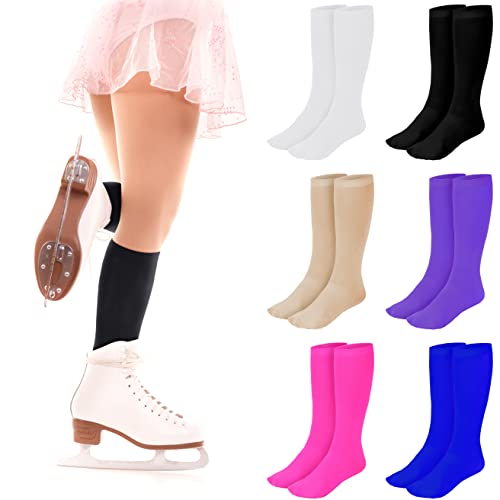
- Reliable material: made of nylon and chinlon, this knee skating sock is...
- Knee design: this skating nylon sock is designed with the length above the...
- Suitable for most people: with average size, this light opaque skate sock...
Which thin skating socks won’t let me down during long practice sessions?
Long practices mean more sweat and more friction over time. You need a sock that stays dry and keeps its shape for hours on the ice.
For my son’s three-hour hockey practices, the ones I grabbed for my kids never sagged or bunched up, even after back-to-back sessions.

- Premium comfort and style in an ice skating sock with low profile toe seam...
- Silky soft luxury microfiber and spandex provide easy stretch and fit. Fits...
- Knee high length with unique comfort top designed to stay up on calves...
Can thin socks cause blisters if my skates are too tight?
Tight skates with thin socks can pinch your toes and create pressure points. The thin sock offers no cushion against the hard boot shell.
If your skates are too tight, even the best thin sock will not help. Make sure your boots fit snug but not painful before blaming your socks.