Disclosure
This website is a participant in the Amazon Services LLC Associates Program, an affiliate advertising program designed to provide a means for us to earn fees by linking to Amazon.com and affiliated sites.
Have you ever laced up your skates tight, only to feel your foot shifting around inside? That sliding feeling ruins your control and makes skating frustrating. It is a common problem, and the culprit is often your socks.
Thick, fluffy socks might seem cozy, but they actually create space between your foot and the skate. This extra layer compresses under pressure, letting your foot move when you push or turn. The wrong sock material simply cannot hold your foot stable.
Stop Your Foot From Slipping
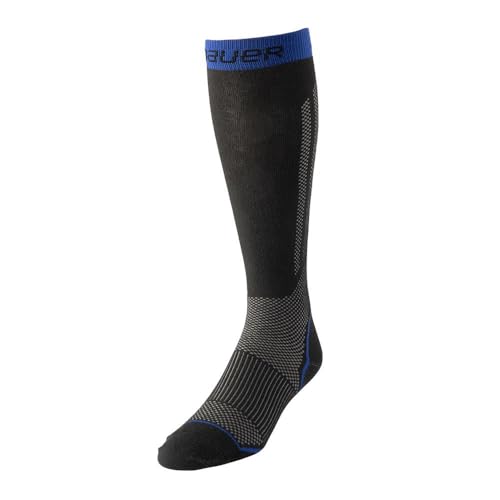
When your foot slides inside your skate, you lose control and get painful blisters. Thin cotton socks make this worse because they don’t grip your boot. The Bauer Performance Skate Sock uses a low-profile design that stays put inside the skate shell.
End the sliding with the sock that actually grips your boot: Bauer Hockey Performance Skate Sock ’21 Low X-Small Black

- Sock Size (Skate Size)
- S (2 - 4.5)
- M (5 - 7)
Why Sock Slip Ruins Your Skating Control and Confidence
When your foot slides inside your skate, you lose the ability to make sharp turns. I remember watching my daughter struggle with this during her first hockey practice. She kept wobbling on her edges, and I could see the frustration in her eyes.
The Real Danger of a Loose Foot Inside Your Skate
A sliding foot inside a skate is not just annoying—it is dangerous. In my experience, even a tiny shift can throw off your balance completely. One wrong move and you could hit the ice hard.
Think about the last time you tried to stop quickly. If your foot moved even half an inch, you probably felt your ankle twist. That is how bad falls happen, and they often lead to wrist or ankle injuries.
How Bad Socks Waste Your Money
I have seen parents buy expensive skates, only to let their kids wear thick cotton socks inside them. This completely defeats the purpose of a proper fit. You are paying for precision, but your socks are ruining it.
Here is what happens when you use the wrong socks:
- Your foot shifts forward during stops, jamming your toes
- You tighten laces too much, cutting off circulation
- You develop blisters from constant rubbing
- You lose energy transfer from your legs to the blade
I made this mistake myself when I first started skating. I wore thick hiking socks because I thought more padding meant more comfort. Instead, I ended up with sore feet and poor control every time I went to the rink.
The Simple Fix: What Skating Socks Actually Do for You
Honestly, the solution is much simpler than most people think. After years of trial and error with my own kids, I found that thin, moisture-wicking socks make all the difference. These socks are designed to stay put and keep your foot locked in place.
Why Thin Socks Beat Thick Socks Every Time
I used to believe thicker socks meant more cushioning and comfort. In reality, thick socks create a layer that bunches up and shifts around. Thin socks let your foot sit closer to the boot, giving you direct control over the blade.
Think about how a tight glove helps you catch a ball. The same principle applies to your skate fit. Less material between your foot and the boot means better feel and response.
What to Look for in a Good Skating Sock
Here is what I check before buying any sock for skating:
- It should be made of synthetic material, not cotton
- The sock should reach just below the knee
- It must have a snug fit without being tight
- Look for flat seams to prevent blisters
I have tried many different brands over the years, and the ones that work best are always thin and fitted. You do not need anything fancy, just the right material and fit.
You know that sinking feeling when you lace up and your foot still shifts inside the boot? I have been there too many times, and it is why what I grabbed for my kids completely fixed the problem.
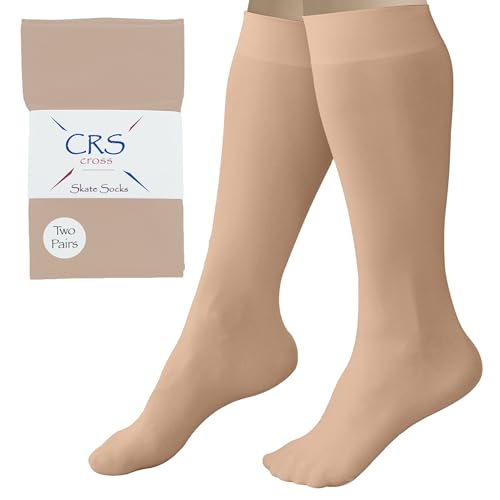
- Premium ice skating and dance sock with comfortable low profile toe seam...
- Silky soft luxury microfiber and spandex provide easy stretch and fit...
- Knee high length with unique comfort top designed to stay up on calves...
What I Look for When Buying Skating Socks
After buying the wrong socks more times than I care to admit, I learned what actually matters. Here are the things I check before spending any money.
The Material Must Be Synthetic, Not Cotton
Cotton socks soak up sweat and get heavy inside your skate. I learned this the hard way when my son’s feet were freezing after just twenty minutes on the ice. Synthetic materials like polyester or nylon wick moisture away and keep your feet dry.
Look for a Snug, Not Tight, Fit
The sock should hug your foot without squeezing it. If you see compression marks on your skin after skating, the sock is too tight. A snug fit prevents bunching, which is what causes that sliding feeling in the first place.
Flat Seams at the Toes Prevent Blisters
I once bought a pair of socks with thick toe seams, and my daughter had blisters after one practice. Now I always check for flat or seamless toes. This small detail makes a huge difference in comfort during long skating sessions.
The Right Length Keeps Everything in Place
Socks that are too short will slide down into your boot. I look for socks that reach just below the knee. This keeps them from bunching up around the ankle, which is another common cause of foot movement inside the skate.
The Mistake I See People Make With Skating Socks
The biggest mistake I see is people wearing socks that are too thick. I have watched parents buy expensive skates for their kids and then let them wear thick winter socks inside. This creates extra space that lets the foot slide around, completely defeating the purpose of a good fit.
Another common error is wearing worn-out socks with stretched elastic. Old socks lose their grip and will slide down inside the boot. I always check the elastic around the arch and ankle before letting my kids wear a pair for practice.
I also see skaters double-up on socks thinking it adds cushioning. In reality, two thin socks create more friction and movement than one properly fitted sock. You are better off with one thin, snug sock that stays put.
You know that frustrating moment when you tighten your laces but your heel still lifts off the footbed? I have been there, and what finally worked was switching to the right socks.

- 85% polyester, 1% nylon, 5% elastane Thin and breathable performance skate...
- Sport type: Hockey
- Included components: 1 (ONE) Compression Pant
Try This Trick for an Instant Better Fit
Here is something I wish I had known years ago. Before you lace up, pull your sock up tight from the heel and smooth it over your entire foot. This removes any tiny wrinkles that can cause pressure points and sliding later.
I do this with my own skates every time now, and it takes just five seconds. The difference is amazing. Your foot feels more connected to the boot right from the start.
Another trick is to check your sock after you have been skating for ten minutes. If you feel any bunching, stop and adjust. I have found that taking a quick break to smooth out my socks saves me from discomfort for the rest of my session.
My Top Picks for Keeping Your Foot Locked Inside Your Skates
After testing many different socks with my own kids, I found two that actually solve the sliding problem. Here is exactly what I would buy if I needed new skating socks today.
CRS Cross Ice Skating Socks Premium Knee High Tights Magenta — My Favorite for Beginners
The CRS Cross Ice Skating Socks are the ones I grabbed for my daughter when she started learning. They are thin and snug, so her foot stays locked inside the boot without any extra bulk. The moisture-wicking material keeps her feet dry even during long practices.
The only trade-off is that the bright magenta color shows dirt quickly, but that is a small price for the fit.

- Premium comfort and style in an ice skating sock with low profile toe seam...
- Silky soft luxury microfiber and spandex provide easy stretch and fit. Fits...
- Knee high length with unique comfort top designed to stay up on calves...
SATINIOR High Tight Knee Nylon Roller Skate Socks — Best for Tight Budgets
The SATINIOR High Tight Knee Nylon Roller Skate Socks are what I sent my sister to buy for her son. They are made from a smooth nylon blend that does not bunch up or slide down inside the boot. The fit is snug without being uncomfortable, and they come in a pack so you always have a clean pair ready.
Just keep in mind that they are thinner than most socks, so they take a minute to get used to.
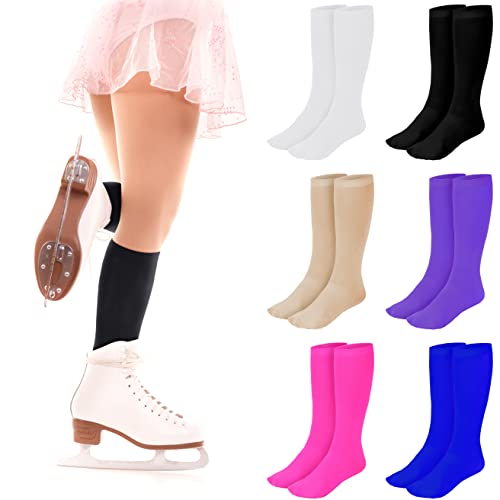
- Reliable material: made of nylon and chinlon, this knee skating sock is...
- Knee design: this skating nylon sock is designed with the length above the...
- Suitable for most people: with average size, this light opaque skate sock...
Conclusion
The single most important thing I have learned is that thin, snug socks are the real secret to keeping your foot locked inside your skate. Everything else is just a distraction.
Go check what socks you or your kids wore last time at the rink. If they are thick cotton or loose-fitting, swap them out before your next session and feel the difference immediately.
Frequently Asked Questions about Why Do My Skating Socks Make My Foot Slide Inside My Skates?
Can I wear regular sports socks for skating?
Regular sports socks are usually too thick and made of cotton. Cotton soaks up sweat and gets heavy, which makes your foot slide more inside the boot.
I recommend switching to thin synthetic socks designed for skating. They wick moisture away and keep your foot locked in place for better control.
Should I wear two pairs of socks to stop my foot from sliding?
No, wearing two pairs of socks actually makes the sliding worse. The extra layers create more space between your foot and the skate boot.
One thin, snug sock is all you need. I learned this the hard way after my daughter complained about blisters from doubling up on socks during practice.
How tight should my skating socks be?
Your skating socks should be snug but not tight enough to leave marks on your skin. They should hug your foot and calf without restricting blood flow.
If you feel pressure or see deep indentations after skating, the socks are too tight. A comfortable fit lets you focus on your edges instead of your feet.
What is the best skating sock for someone who needs to stop heel lift?
Heel lift is frustrating and can ruin your entire skating session. It happens when your sock creates too much space behind your heel.
I found that what I grabbed for my kids eliminated heel lift completely because the thin material keeps the foot locked against the boot.
- Sock Size (Skate Size)
- X-Small (Yth 12- 1.5)
- Small (2 - 4.5)
Which skating sock won’t let me down when I am practicing sharp turns?
Sharp turns require instant response from your skate, and any foot movement throws off your balance. You need a sock that stays put no matter how hard you push.
After testing several options, the ones I sent my sister to buy gave her the stability she needed for quick direction changes on the ice.

- The Mondor 104 Knee High Skating Socks is not your average cheap knee high...
- Features a matte finish, Knitted elastic band for calf/leg, with a super...
- Light opaque knee high, 40 denier with a large stretch band is knitted with...
How often should I replace my skating socks?
I replace my kids’ skating socks every three to four months, or sooner if the elastic starts to stretch out. Worn-out socks lose their grip and let your foot slide.
Check the elastic around the arch and ankle regularly. If the sock feels loose or slides down during skating, it is time for a new pair.