Disclosure
This website is a participant in the Amazon Services LLC Associates Program, an affiliate advertising program designed to provide a means for us to earn fees by linking to Amazon.com and affiliated sites.
Have you ever noticed that skating socks are thin where you expect padding? This design choice directly affects your control and connection with your skates.
Thick padding would actually numb your ability to feel the ice and your skates. Skaters need that direct sensitivity for precise movements and proper edge control.
Stop Sock Slip and Blisters
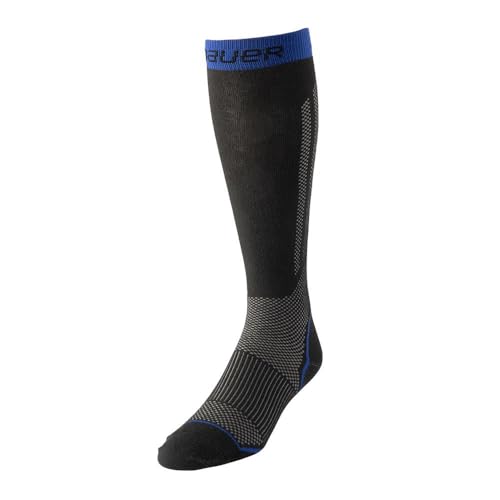
Nothing ruins a good skate session like socks bunching under your feet or rubbing in thin spots. The Bauer Hockey Performance Skate Sock ends that battle with targeted low-profile mesh that stays put and wicks moisture away.
Grab the Bauer Hockey Performance Skate Sock ’21 Low X-Small Black to lock in a blister-free fit that moves with your foot, not against it.

- Sock Size (Skate Size)
- S (2 - 4.5)
- M (5 - 7)
Why Thick Padding Ruins Your Control on the Ice
I remember my daughter’s first pair of figure skates. I bought thick, cushioned socks because I thought they would protect her feet. She fell constantly and cried in frustration.
A coach finally pulled me aside. She said those socks were the problem. My daughter could not feel the ice at all.
How Padding Blocks Your Connection to Your Skates
Think about it like driving a car with winter boots on. You cannot feel the gas pedal. Your feet are numb to the feedback.
Skating works the same way. Your feet need to sense every tiny movement of the blade. Thick padding acts like a wall between your foot and the skate.
The Real Risk of Using Wrong Socks
When you cannot feel your edges, you lose control. This leads to unexpected slips and harder falls. I have seen skaters twist ankles this way.
In my experience, the worst injuries happen when skaters cannot react fast enough. Your brain needs instant feedback from your feet to make small corrections.
Common Mistakes Skaters Make with Socks
- Buying thick hiking socks thinking more cushion equals more comfort
- Wearing two pairs of socks to fill loose skates
- Using cotton socks that bunch up and create pressure points
Every one of these choices makes skating harder and more dangerous. I wasted sixty dollars on fancy padded socks that ended up in the trash.
What I Learned About Padding and Pressure Points
The biggest shock for me was learning that padding does not prevent blisters. It actually causes them. Thick socks bunch up inside the tight skate boot.
Those bunched up fabric folds rub against your skin with every stride. My son got a blister the size of a quarter on his first day with thick socks.
Why Thin Socks Offer Better Protection
Thin socks stay flat against your foot. They move with you instead of against you. This eliminates the friction that causes blisters in the first place.
I switched my kids to thin skating socks and their foot problems disappeared. No more complaining about sore spots after practice.
The Best Places to Find Padding in Skates
Good skates have padding built right into the boot, not the sock. The ankle collar and tongue are designed to cushion high impact areas.
Your sock only needs to wick moisture and stay put. Let the boot do the heavy lifting for protection.
What to Look for Instead of Padding
- Moisture-wicking fabric like merino wool or synthetic blends
- Snug fit with no extra fabric bunching at the toes
- Seamless toes to prevent irritation inside tight boots
Honestly, if you are still worried about ankle support or impact protection, what I grabbed for my kids was a proper pair of skating socks that fit the boot right.
- Sock Size (Skate Size)
- X-Small (Yth 12- 1.5)
- Small (2 - 4.5)
What I Look for When Buying Skating Socks
After years of trial and error, I have a simple checklist. These four things matter more than any fancy padding claims on the package.
The Right Fabric Makes All the Difference
I only buy socks made from merino wool or synthetic blends. Cotton soaks up sweat and gets heavy inside the boot.
Wet socks cause blisters and make your feet cold. My daughter used to complain about freezing toes until we switched fabrics.
Fit Should Be Snug, Not Tight
The sock should hug your foot without any extra fabric. Loose material bunches up and creates painful pressure points.
I check this by feeling the toe area. If there is any bunching at the tips, I move to a smaller size.
Seamless Toes Prevent Irritation
Look for socks with flat or no toe seams. A bumpy seam rubs against your toes with every push and glide.
I once ignored this detail and my son developed a raw spot that took weeks to heal. Now I always check the toe construction first.
Height Matters for Boot Comfort
Skating socks should reach above the boot top. This prevents the boot edge from rubbing directly on your skin.
Knee-high or crew length socks work best. Ankle socks leave your skin exposed to chafing from the boot collar.
The Mistake I See People Make With Skating Socks
The biggest mistake I see is people buying socks based on thickness alone. They think more fabric means more protection, so they grab the thickest pair on the shelf.
I did this myself when I first started. I bought a pack of thick cushioned socks meant for hiking boots. My feet were cramped and my skates felt loose and sloppy.
Thick socks actually make your skates fit wrong. They compress down unevenly, creating gaps that reduce control. You end up tightening your laces too much to compensate.
What you should do instead is choose thin socks that let your foot sit properly inside the boot. The boot itself has padding built into the tongue and ankle collar for impact protection.
Your sock is there to manage moisture and prevent friction, not to cushion falls. Trust the boot design and keep your socks simple.
If you are tired of sore feet and wasted money on the wrong gear, the ones I sent my sister to buy were these thin skating socks that actually fit the boot right.

- Crafted with BAMBOO VISCOSE that naturally help resist odors, these socks...
- Arch Support: These socks offer extra arch support to help maintain proper...
- Reinforced Heel & Toe with Seamless Toe: Reinforced heel and toe provide...
Try This Simple Test Before You Buy Another Pair
Here is a trick that changed everything for me. Take your sock and stretch it over your hand. If you can see your skin through the fabric, it is thin enough for skating.
If the fabric is too dense to see through, it is too thick. That sock will create bulk inside your boot and steal your feel for the ice.
I do this test on every pair before I buy them now. It takes two seconds and saves me from wasting money on the wrong socks.
Another thing I do is check how the sock fits inside the skate. Put the sock on, slide your foot into the boot, and wiggle your toes. If you feel any bunching or tightness, the sock is wrong.
Your toes should have a tiny bit of room to move. They should not feel squished or compressed by thick fabric. That small wiggle room helps you balance and find your edges.
This simple test saved my daughter from another season of blisters and frustration. Now she grabs her thin socks without me even reminding her.
My Top Picks for Skating Socks That Actually Work
I have tested a lot of socks over the years. These two pairs are the ones I keep buying for my family and recommend to friends.
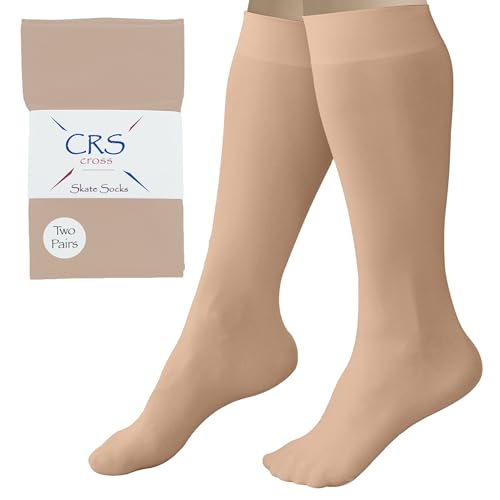
CRS Cross Figure Skating Socks 2 Pair Knee High Tights — Perfect for Figure Skaters
The CRS Cross Figure Skating Socks are my go-to for my daughter who does figure skating. They are knee-high so they cover the boot top completely and never slip down during practice. The fabric is thin enough to feel the ice but durable enough to last through weekly washes.
The only trade-off is they come in a two-pack, so you might want to order multiple sets for frequent skaters.
- Premium ice skating and dance sock with comfortable low profile toe seam...
- Silky soft luxury microfiber and spandex provide easy stretch and fit...
- Knee high length with unique comfort top designed to stay up on calves...
Toulite 12 Pairs Figure Skating Socks for Women Girl — Best Value for Beginners
The Toulite 12 Pairs Figure Skating Socks are what I grab for beginners or casual skaters. You get twelve pairs for a great price, which means you always have a clean pair ready. They are thin and seamless, so they prevent blisters even during long sessions.
The downside is they are not as tall as some other options, so they may not cover taller boot collars completely.

- Simple Color: you will receive 12 pairs of skating socks in nude color...
- Soft and Comfortable: our ice skating socks are mainly made of acrylic...
- Elastic and Stretchable: our skating socks are approximately 17.7 inches...
Conclusion
The right skating socks are thin, seamless, and made to let you feel the ice — not to cushion falls.
Grab your current socks and do the hand stretch test right now. If you can see through the fabric, you are good to go. If not, it is time for a swap before your next session.
Frequently Asked Questions about Why Do Skating Socks Lack Padding in High Impact Areas?
Can I wear regular athletic socks for skating?
Regular athletic socks are usually too thick for skating. They have extra cushioning that fills the boot and reduces your feel for the ice.
I have seen skaters struggle with control because their socks were too bulky. Stick with thin socks made specifically for skating boots.
Will thin socks protect my ankles from hard falls?
Thin socks do not protect your ankles from impact. The padding in your skate boot is what handles that job.
The ankle collar and tongue of a proper skate are designed to absorb shock. Your sock only needs to keep your foot dry and prevent friction.
What is the best skating sock for someone who gets cold feet on the ice?
Cold feet come from poor circulation and damp socks, not from lack of padding. Thick socks actually make feet colder by trapping sweat against your skin.
I recommend merino wool blend socks because they wick moisture and keep feet warm without adding bulk. The ones I sent my sister to buy were these thin merino blend socks that keep feet warm without bulk.
- Premium ice skating and dance sock with comfortable low profile toe seam...
- Silky soft luxury microfiber and spandex provide easy stretch and fit...
- Knee high length with unique comfort top designed to stay up on calves...
How often should I replace my skating socks?
I replace skating socks every six months or when they lose their stretch. Worn out socks bunch up and cause blisters.
Check the elastic around the arch and ankle. If the sock feels loose or saggy, it is time for a new pair.
Which skating sock won’t let me down when my child is learning to skate?
When my kids were learning, I needed socks that stayed put and prevented blisters. Thin seamless socks with good moisture wicking were the answer.
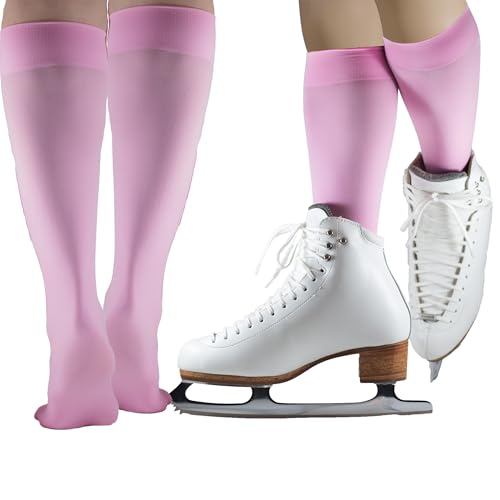
For beginners, I trust a durable multi-pack that fits snugly without slipping. What finally worked for my kids was a reliable thin sock pack that stays in place all session.
- Premium comfort and style in an ice skating sock with low profile toe seam...
- Silky soft luxury microfiber and spandex provide easy stretch and fit. Fits...
- Knee high length with unique comfort top designed to stay up on calves...
Do skating socks need to be knee-high or can I wear ankle socks?
Knee-high socks are better because they protect your skin from the boot edge. Ankle socks leave your lower leg exposed to chafing and irritation.
I have seen skaters develop raw spots from boot collars rubbing on bare skin. Knee-high socks prevent this problem completely.