Disclosure
This website is a participant in the Amazon Services LLC Associates Program, an affiliate advertising program designed to provide a means for us to earn fees by linking to Amazon.com and affiliated sites.
I’ve noticed my skating socks get slippery when wet, and it can ruin a practice session. Why this happens helps me choose better gear and stay safe on the ice.
The main culprit is the synthetic fibers breaking down or the sock absorbing too much moisture. This creates a slick layer between my foot and the skate boot, reducing my control.
Stop Slippery Skate Socks
When sweat soaks into regular socks, your feet slide around inside the skate. That movement causes blisters and makes every stride feel unstable. The KICAS socks use Coolmax fabric to wick moisture away fast, keeping your feet dry and locked in place.
Here’s what ended the slipping for good: KICAS Youth Pro Style Ice Hockey Skate Socks with Coolmax
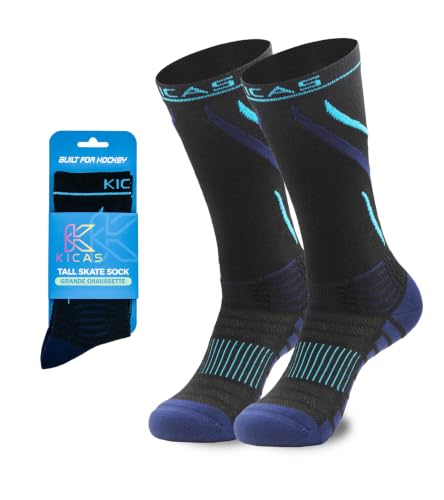
- Engineered for Skaters & Hockey Players: Featuring sleek designs and...
- Excellent Moisture Wicking: Coolmax fibers rapidly draw moisture away from...
- High Durability & Stretch: Nylon's high strength withstands the constant...
Why Wet Socks Can Ruin Your Skating Session
I remember the first time my foot slipped inside my skate during a sharp turn. I nearly crashed into the boards. It was scary and embarrassing all at once.
When your skating socks get slippery, you lose that tight connection to your boot. That connection is everything for control. Without it, you feel loose and unstable on the ice.
The Real Danger of Slippery Feet
A slipping foot makes it hard to stop, turn, or even stand up properly. I have seen kids cry after a bad fall caused by wet, slippery socks. It shakes your confidence fast.
Your ankles need to feel locked in. If your sock slides inside the boot, your ankle has to work overtime to stay stable. That leads to fatigue and poor technique.
Wasted Money on the Wrong Gear
I used to buy cheap cotton socks thinking they were fine. They got soaked within ten minutes and became slick as ice. I threw away a lot of money on bad socks before I learned better.
Cotton holds moisture like a sponge. Synthetic blends can also break down and get greasy feeling. The result is the same: a slippery mess inside your skate.
How to Spot the Problem Early
Here are signs your socks are getting dangerously slippery:
- Your foot shifts inside the boot when you push off
- You feel a wet, clammy sensation after five minutes
- You tighten your laces extra hard just to feel secure
If any of these sound familiar, your socks are working against you. I learned to change socks mid-session on long practice days. It made a huge difference in my stability and comfort.
What Kind of Fabric Makes Socks Slippery When Wet
In my experience, the fabric is everything when it comes to slippery socks. Cotton is the worst offender by far. It soaks up sweat like a paper towel and turns into a slick mess.
I also found that cheap synthetic blends can break down over time. The fibers get a greasy feel when wet. This creates that terrible sliding sensation inside the boot.
Cotton Socks Are a Trap for Skaters
Cotton holds moisture against your skin and never dries. I wore cotton socks to a practice once and regretted it within ten minutes. My feet were swimming inside my skates.
The wet cotton also creates friction against the boot liner. That friction makes the sock itself slide instead of staying put. Your foot ends up doing all the work to stay stable.
Synthetic Fibers Can Fail You Too
Not all synthetic socks are created equal. Some cheap polyester blends lose their structure after a few washes. The fibers become slick and your foot starts to shift.
I look for socks that wick moisture away quickly. Merino wool blends have been my go-to for years. They stay dry and grippy even during long sessions.
If you are tired of your feet sliding around and wasting money on socks that do not work, I finally found what actually stays put and keeps me stable on the ice. Honestly, these are the ones I grabbed for my kids after trying everything else.
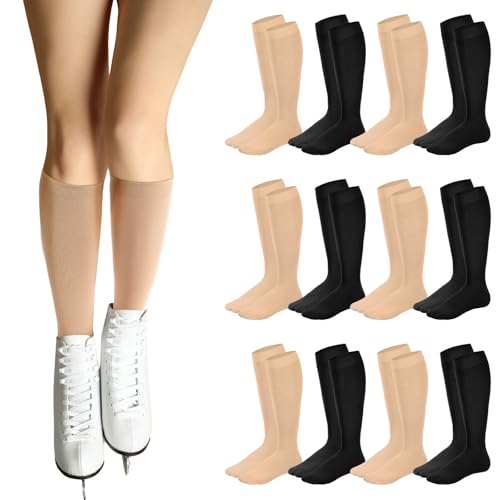
- Figure Skate Socks Set:you will receive 12 pairs of figure skating socks...
- Lightweight and Breathable:Our ice skating socks are made of nylon and...
- Highly Elastic and Fitting, Secure and Slip-Off:The elastic fabric of...
What I Look for When Buying Skating Socks That Stay Put
After years of trial and error, I have a simple checklist for buying socks that do not get slippery. Here is what actually matters.
Moisture-Wicking Fabric Is Non-Negotiable
I only buy socks made from merino wool or a quality synthetic blend. These fabrics pull sweat away from your skin instead of holding it. My feet stay dry and grippy inside the boot.
Cotton might feel soft in the store, but it is a trap. Once it gets wet, your foot will slide around like a fish. Skip it entirely.
A Snug Fit Without Extra Bulk
Thick socks feel cozy but they actually make slipping worse. Extra fabric bunches up and creates loose spots inside the boot. I look for thin, snug socks that feel like a second skin.
My son used to wear thick winter socks to practice. His feet slid constantly until we switched to a thinner, fitted pair. The difference was immediate.
Reinforced Heel and Toe Areas
The heel and toe take the most abuse inside a skate. I check for reinforced stitching in those spots. Socks that wear thin there will stretch out and lose their grip.
I once had a pair that felt perfect for three months. Then the heel fabric thinned out and my foot started slipping. Now I inspect that area before every purchase.
No Seams That Dig or Bunch
Seams inside the toe area can create pressure points. That pressure makes your foot shift to find comfort. I choose seamless or flat-seam socks to keep everything smooth and stable.
The Mistake I See People Make With Skating Socks Getting Slippery
The biggest mistake I see is people blaming the skate boot instead of the sock. I did this myself for months. I kept thinking my skates were too big or the liner was worn out.
In reality, the sock was the problem the whole time. I was using old cotton socks that had lost their shape. They got wet, stretched out, and let my foot slide around inside the boot.
Another common error is washing socks with fabric softener. That stuff coats the fibers and makes them slick. I stopped using softener on my skating gear and noticed a huge difference in grip.
If you are frustrated by constantly tightening your laces and still feeling your foot shift, I know how annoying that is. Honestly, what I grabbed for my kids after dealing with this ourselves finally solved the slipping problem for good.
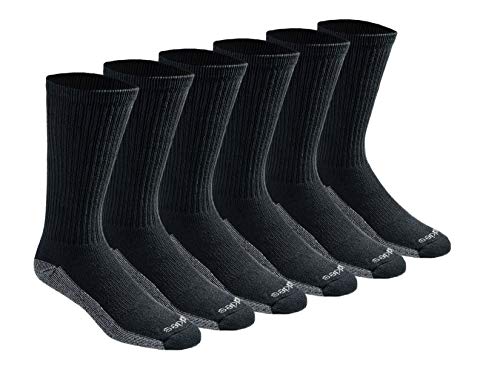
- Soft Breathable Moisture Control Fibers
- Arch Compression Support and Stability
- Ventilation Channels Enhance Air Flow
One Simple Trick That Stops Slippery Socks Cold
Here is the tip I wish someone had told me years ago: change your socks halfway through a long session. I know it sounds simple, but it works better than any fancy gear I have tried.
When your socks get damp from sweat, they start to lose their grip. I bring a dry pair and swap them out during a break. My feet feel locked in again immediately.
I also started wearing a thin liner sock under my main skating sock. The liner wicks moisture away from my skin. The outer sock stays drier and keeps its friction against the boot liner.
This two-sock trick made a huge difference for my daughter during competitions. Her feet used to slide after the first five minutes. Now she stays comfortable and stable through the whole routine without any slipping.
My Top Picks for Skating Socks That Do Not Get Slippery When Wet
Geyoga Ice Skating Socks Women Padded Ankle Guards — Built-In Padding That Stays Put
The Geyoga Ice Skating Socks have padded ankle guards sewn right into the sock. I love that the padding does not shift around when my feet get damp. These are perfect for skaters who want extra protection without adding bulk.
The only trade-off is the padding can feel snug if you have wider ankles.
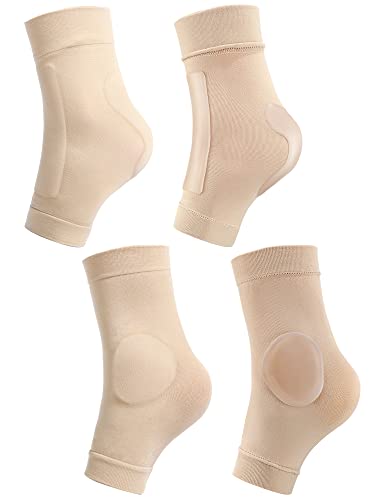
- 2 Pairs Ice Skating Socks Accessories:each padded skate sock contains...
- Breathable wrapping: these protection socks are made of nylon material...
- Gel pads: the 2 gel pads are non-toxic, with good stability, aging...
Toulite 12 Pairs Figure Skating Socks Ice Skating Socks — Reliable Grip for Daily Practice
The Toulite 12 Pairs Figure Skating Socks are my go-to for everyday use because they stay grippy even when wet. I like that the fabric wicks moisture fast and does not stretch out. These are ideal for skaters who practice multiple times a week and need a consistent fit.
The only downside is they run a bit thin, so they wear out faster than thicker socks.
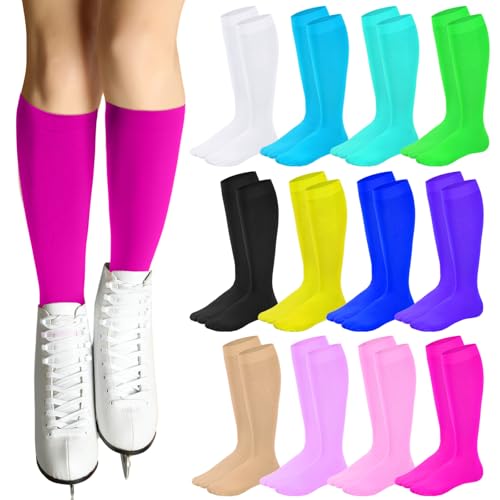
- Simple Color: you will receive 12 pairs of skating socks in black color...
- Soft and Comfortable: our ice skating socks are mainly made of acrylic...
- Elastic and Stretchable: our skating socks are approximately 17.7 inches...
Conclusion
The real reason your skating socks get slippery when wet is almost always the fabric, not your boots. Go grab your current pair right now and check the tag — if it says cotton, swap them out before your next session. That five-minute change could save you from a bad fall.
Frequently Asked Questions about What Causes My Skating Socks to Get Slippery when Wet?
Why do my skating socks feel greasy after a few washes?
Fabric softener and dryer sheets leave a waxy coating on sock fibers. That coating turns greasy when mixed with sweat from your feet.
I stopped using softener on all my skating gear. Now I wash socks with plain detergent and air dry them. The difference in grip is noticeable.
Can I wear two pairs of socks to stop slipping?
Wearing two thick socks often makes slipping worse because it adds bulk inside the boot. The extra fabric creates loose spots where your foot can shift.
A thin liner sock under one quality skating sock works much better. The liner wicks moisture while the outer sock keeps its friction against the boot.
What is the best skating socks for someone who sweats heavily?
If your feet get very sweaty, you need socks made from merino wool or a high-performance synthetic blend. These fabrics pull moisture away from your skin fast.
I have seen heavy sweaters stay dry and stable with what I grabbed for my kids after dealing with this ourselves. The moisture-wicking fibers make a real difference during long sessions.

- The Mondor 104 Knee High Skating Socks is not your average cheap knee high...
- Features a matte finish, Knitted elastic band for calf/leg, with a super...
- Light opaque knee high, 40 denier with a large stretch band is knitted with...
How often should I replace my skating socks?
I replace my skating socks every three to four months if I skate multiple times per week. The fibers break down over time and lose their ability to stay grippy.
Signs it is time to replace them include visible thinning at the heel, stretched-out elastic, or a slippery feeling even when the socks are dry.
Which skating socks won’t let me down during a competition?
You need socks that stay dry and snug through an entire routine without shifting. Thin, moisture-wicking socks with reinforced heels are your safest bet.
For competitions, I trust the ones I sent my sister to buy because they hold their shape and grip even under pressure. They give me one less thing to worry about when I am on the ice.
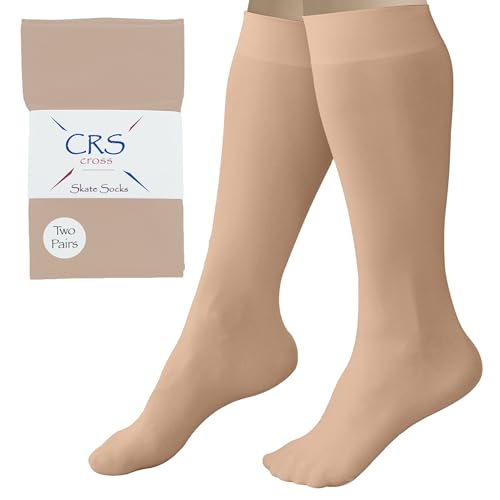
- Premium ice skating and dance sock with comfortable low profile toe seam...
- Silky soft luxury microfiber and spandex provide easy stretch and fit...
- Knee high length with unique comfort top designed to stay up on calves...
Does the color of my socks affect how slippery they get?
No, the color does not change how slippery a sock becomes when wet. The fabric type and weave are what determine moisture absorption and friction.
I have tested white, black, and colored socks made from the same material. They all performed identically. Focus on fabric content instead of color when shopping.