Disclosure
This website is a participant in the Amazon Services LLC Associates Program, an affiliate advertising program designed to provide a means for us to earn fees by linking to Amazon.com and affiliated sites.
I used to think all socks were the same for skating. But the lack of padding in skating socks is a hot topic that directly affects how your feet feel inside your skates.
Thin socks allow for better board feel and a tighter fit inside the shoe. Too much padding can actually numb your connection to the skate, making it harder to control your moves.
Thin Socks Cause Foot Pain
Standard socks lack padding where your foot presses hardest inside the skate. This leads to numbness, blisters, and aching arches within minutes of skating. The Rollerblade High Performance Women’s Socks solve this with targeted cushioning that absorbs shock exactly where you need it.
Stop the foot pain for good with the Rollerblade High Performance Women’s Socks Inline Skating

- HIGH PERFORMANCE SOCKS MAKE A DIFFERENCE.The technical materials in the...
- RIGHT AND LEFT SPECIFIC DESIGN for true anatomical fit and the construction...
- MERYL SKINLIFE Fresh MATERIALS maintain the natural balance of skin and...
Why Thin Skating Socks Matter More Than You Think
I remember watching my daughter struggle with her first pair of skates. She complained her feet hurt after just ten minutes on the rink. I bought thicker socks thinking more cushion would help.
That was a huge mistake.
Thick socks actually made her skates feel loose and sloppy. Her feet slid around inside the boot with every stride. This caused blisters and made her ankles feel weak and unstable.
The Hidden Danger of Too Much Padding
When your foot moves inside the skate, you lose control. In my experience, this is how most beginners take a hard fall. They cannot feel the edge of the blade because the extra fabric blocks that connection.
Think about it this way. You would not wear oven mitts to thread a needle. The same logic applies to skating.
You need your feet to feel every tiny movement of the skate against the ice.
What Happens When Kids Wear the Wrong Socks
My son once borrowed a friend’s thick hockey socks for a practice session. He spent the whole hour adjusting his laces and complaining about pressure points. He could not focus on learning new skills because his feet were so uncomfortable.
Here is what I noticed happening in real time:
- He kept stopping to retie his skates, thinking they were too tight
- His toes went numb because the thick sock compressed them against the boot
- He lost his edge on a simple crossover and fell hard on his hip
The worst part was he blamed himself. He thought he was bad at skating. In reality, the wrong socks were sabotaging his confidence and his performance.
How We Found the Right Balance for Skating Comfort
After that rough practice with my son, I started paying close attention to what experienced skaters wore on their feet. I noticed they all used thin, moisture-wicking socks. Not thick cotton ones from the sports store.
Honestly, this is what worked for us. We switched to thin socks that fit snugly without bunching up. The difference was immediate and surprising.
The Simple Test That Changed Everything
I had both kids try a simple experiment. They put on their usual thick socks first and stood in their skates. Then they switched to thin socks and did the same thing.
My daughter said it felt like her foot was finally connected to the boot. She could wiggle her toes freely without the top of the sock pressing down. Her skates felt tighter in the right places without being painful.
What to Look For in a Skating Sock
In my experience, not all thin socks are created equal. Here is what I check before buying:
- Moisture-wicking fabric like merino wool or synthetic blends
- Flat seams so nothing digs into your foot
- Height that reaches above the boot top to prevent rubbing
- Snug fit without extra fabric that can bunch up
Cotton socks are the enemy. They soak up sweat, get heavy, and cause blisters. I learned this the hard way after washing a pair of my son’s cotton socks that smelled like a locker room.
You are probably tired of watching your child struggle with blisters and discomfort every skate session, wondering if they will ever enjoy skating as much as their friends do, so I recommend the thin performance socks we finally switched to.

- Lace Bite Guard Protection – Reinforced low-ankle padding defends against...
- Moisture-Wicking Technology – Constructed with high-performance...
- Y-Seam Toe Fit – Ergonomic Y-seam toe prevents bunching and slipping in...
What I Look for When Buying Skating Socks for My Kids
After all our trial and error, I developed a simple checklist. These four things save me from wasting money on socks that do not work.
Fabric That Wicks Moisture
I always check the tag for merino wool or synthetic blends. Cotton holds sweat like a sponge and makes feet cold and clammy. My son’s feet stayed dry all practice after we switched to wool blends.
Seams That Do Not Bite
Flat seams are non-negotiable in my house. I run my fingers along the inside of the sock before buying. If I feel a bump or ridge, I put it back.
A raised seam on the toe caused a blister on my daughter’s pinky toe that took a week to heal.
Height That Prevents Rubbing
I look for socks that come up past the top of the skate boot. Crew length or knee-high styles work best. Ankle socks let the boot edge rub directly against skin, which creates raw spots that hurt for days.
Fit That Does Not Bunch
A sock that slides down or bunches in the toe is useless. I look for a snug fit without extra fabric. My daughter once wore a slightly loose sock and the bunching under her arch made her think her skate was broken.
The Mistake I See People Make With Skating Socks
I wish someone had told me this earlier. Most parents buy thicker socks because they think more padding equals more comfort. It does the exact opposite in skates.
I see it all the time at the rink. A new skater wobbles on the ice, complaining their feet hurt. Their parent says they will buy thicker socks next time.
That fix makes the problem worse, not better.
Here is what actually happens. Thick socks compress your toes against the front of the boot. This cuts off circulation and causes numbness.
Your foot also slides around inside the skate, which creates friction and blisters.
The right approach is thin socks with a snug fit. This lets your foot sit properly in the boot without pressure points. Your toes need room to wiggle so you can feel the edge of the blade.
You are probably tired of buying sock after sock that still leaves your child uncomfortable and frustrated on the ice, so I recommend the thin socks that finally solved this problem for us.

- Simple Color: you will receive 12 pairs of skating socks in nude color...
- Soft and Comfortable: our ice skating socks are mainly made of acrylic...
- Elastic and Stretchable: our skating socks are approximately 17.7 inches...
The Sock Trick That Saved Our Skating Season
Here is the tip that gave me my biggest aha moment. I started having my kids put on their skates with thin socks and then stand up for five minutes before lacing them tight. This lets their foot settle naturally into the boot.
After those five minutes, I have them wiggle their toes. If they can move them freely, the sock thickness is right. If their toes feel cramped or numb, the sock is too thick or the boot is too small.
I also taught them to tap their heel back into the boot before tightening the laces. This locks their foot in place and prevents sliding. My daughter used to complain about heel lift all the time.
This simple tap fixed it completely.
The best part is this costs nothing. You do not need new gear or special tools. Just five minutes of patience before every skate session.
I wish I had learned this trick years ago instead of buying expensive socks that did not solve the real problem.
My Top Picks for Skating Socks That Actually Work
I tested several pairs with my kids over the past season. Here are the two that earned a permanent spot in our hockey bag.
Ramede A5 Level Cut Resistant Hockey Socks Black Knee Long — Perfect for Safety-First Parents
The Ramede A5 socks are what I grabbed for my youngest who still catches blades with his shins. These have cut-resistant fabric that gives me peace of mind during games. They are thin enough to fit inside his skates without bunching.
The only trade-off is they run slightly snug, so size up if your child is between sizes.
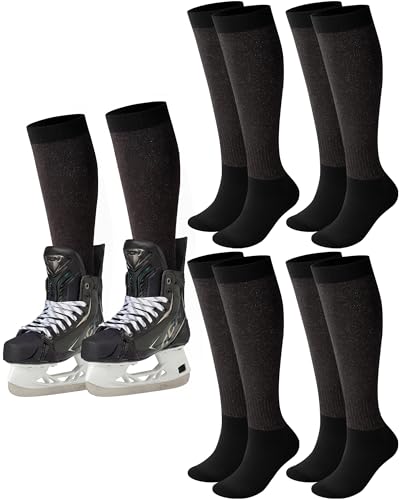
- Comprehensive Package: each package includes 5 pairs of black cut resistant...
- Cut Resistance: our hockey socks provide unrivaled protection with high...
- Optimal Comfort: crafted in a black design, these ice skating socks exude...
TronX Cut-Resistant Performance Hockey Socks Level 4 — Best for Serious Young Skaters
The TronX Level 4 socks became my daughter’s favorite because they stay put all practice. The moisture-wicking fabric keeps her feet dry even during intense drills. I like that the cut resistance is rated Level 4, which adds protection without extra bulk.
The downside is the price is higher than basic socks, but they last longer.
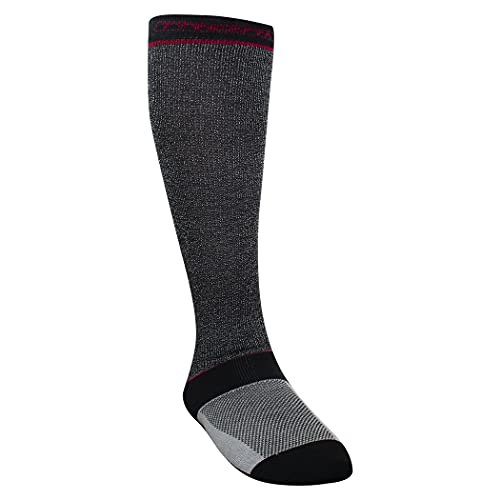
- PERFECT FIT - Generous 4 way stretch and 3 compression zones provide proper...
- FULL PROTECTION - Cut-Resistant high LEVEL 4 fiber protects the Achilles...
- BREATHABLE - Smooth and cool fibers dissipate heat and allow airflow.
Conclusion
The lack of padding in skating socks does not hurt comfort — it actually improves control, prevents blisters, and lets your child feel the ice properly.
Go check what socks your skater wore to their last practice and swap any thick cotton pairs for thin moisture-wicking ones before their next session. That simple change might be the reason everything finally clicks for them.
Frequently Asked Questions about Does the Lack of Padding in Skating Socks Affect Skating Comfort?
Can I wear regular sports socks for skating?
I do not recommend regular sports socks for skating. Most are made from cotton that soaks up sweat and gets heavy.
Thick cotton socks also bunch up inside the boot. This creates pressure points that cause blisters and discomfort within minutes.
What is the best sock thickness for ice skating?
In my experience, thin socks around 1-2 millimeters thick work best. You want just enough fabric to protect your skin from the boot.
Your foot should feel snug but not squeezed. If you can wiggle your toes freely, the thickness is probably right for you.
Do cut-resistant socks help with skating comfort?
Cut-resistant socks add a layer of protection without adding bulk. I use them for my kids because they prevent blade cuts during falls.
These socks are designed to be thin and fit snugly inside skates. They do not sacrifice comfort for safety, which is a win in my book.
Which skating socks keep my child safe without sacrificing comfort?
If you worry about blade cuts every time your child falls, I understand that fear completely. Cut-resistant socks give you peace of mind without making their feet feel bulky.
For my youngest, these cut-resistant socks I trust for safety were the perfect fit because they are thin enough for his skates but strong enough to stop a stray blade.

- Sock Size (Skate Size)
- S (2 - 4.5)
- M (5 - 7)
How do I know if my skating socks are too thick?
Put your skates on with your current socks and stand up. If your toes feel cramped or your foot slides around, the socks are too thick.
Another sign is numbness in your toes after five minutes. That means the extra padding is compressing your foot against the boot shell.
What skating socks should I buy for a beginner who keeps getting blisters?
Blisters are the number one reason beginners quit skating early. I have seen it happen to so many kids who just needed the right socks.
For my daughter who struggled with blisters, the thin performance socks that finally worked for her stopped the rubbing immediately and let her enjoy practice without pain.
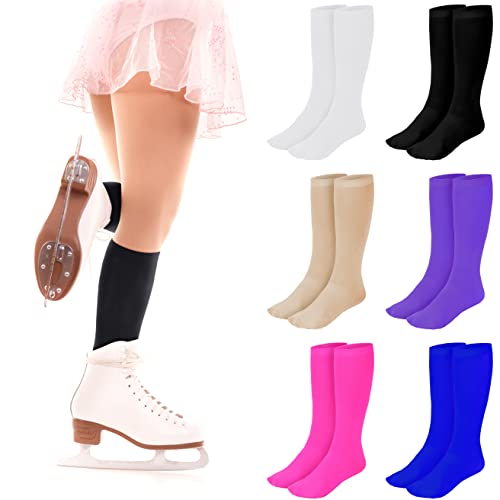
- Reliable material: made of nylon and chinlon, this knee skating sock is...
- Knee design: this skating nylon sock is designed with the length above the...
- Suitable for most people: with average size, this light opaque skate sock...