
Disclosure
This website is a participant in the Amazon Services LLC Associates Program, an affiliate advertising program designed to provide a means for us to earn fees by linking to Amazon.com and affiliated sites.
So you molded your mouth guard, and now one side is shorter than the other. This is a common problem, and it can make your guard feel uncomfortable and less protective.
This unevenness usually happens because you bit down too hard on one side or held the mold at a slight angle. The good news is that a simple reheat of just the shorter side can often fix the fit completely.
When Your Mold Goes Wrong
Nothing is more frustrating than boiling a mouthguard perfectly, only to have one side come out shorter than the other after molding. That uneven fit can cause jaw pain, poor protection, and constant readjustment during use. The Nxtrnd 2 Pack Classic Custom Fit Mouthguard Sports gives you a second chance to get the fit right, with material that molds evenly on both sides every time.
Stop wasting money on single-use guards that warp unevenly: grab the Nxtrnd 2 Pack Classic Custom Fit Mouthguard Sports and get two perfect molds from one purchase.

- Ultra Thin - Our thin single layer mouthpiece is perfect for team sports...
- Comfortable - The Classic mouthguards soft material feels, looks and...
- One Size Fits Most - Our mouth guard for sports fits both adult and youth...
Why an uneven mouth guard is more than just annoying
I know from experience that a lopsided mouth guard feels terrible. You might think it is just a minor fit issue, but it can actually cause real problems during a game or practice.
When one side is shorter, it leaves part of your teeth or gums exposed. That defeats the whole purpose of wearing a guard in the first place.
I learned this the hard way with my son
My son came home from basketball practice with a bloody lip. He had taken an elbow to the face, and his poorly fitted guard shifted right off his molars.
He was frustrated, and I felt terrible because I had watched him mold it. We wasted twenty bucks on a guard that did not protect him when it mattered most.
That night, I sat down and figured out exactly how to fix it. I do not want you to go through that same panic.
The real risks you face with an uneven guard
An uneven guard does not just feel weird in your mouth. It creates specific, preventable dangers:
- Exposed teeth on the short side can chip or crack during impact
- Jaw pain and soreness from biting down at an unnatural angle
- Gagging or poor breathing because the long side pushes too far back
- Guard popping off during a fall or collision
In my experience, most people quit wearing an uneven guard after one or two tries. That is a shame because a simple fix can save the guard and your smile.
How to check if your mouth guard is truly uneven
Before you start trying to fix anything, you need to know for sure which side is shorter. I have seen people panic over a guard that was actually fine.
Honestly, the easiest way is to hold the guard up to a mirror and look at your gum line. The guard should cover the same amount of tooth on both sides.
The simple dry test I use every time
Take the guard out of your mouth and set it on a flat counter. Look at it from the top down, like you are checking if a table leg is uneven.
If one side of the U-shape sits higher than the other, that is your short side. I mark mine with a tiny dot from a permanent marker so I do not forget.
What to look for when you put it back in
Pop the guard in and bite down gently. Do not clench hard yet. Just rest your teeth together naturally.
- Feel for bare gum on the back molars on one side
- Check if the guard clicks when you tap your teeth together
- Notice if you favor one side when you close your mouth
If any of these happen, your guard is uneven and needs a fix. I promise it is not ruined, and you can save it with a quick reheat.
I know how frustrating it is to spend money on a guard that does not fit right, especially when your kid is about to head to practice. What finally worked for me was grabbing a reliable boil-and-bite guard that was easier to mold the first time, like the ones I sent my sister to buy for her hockey player.
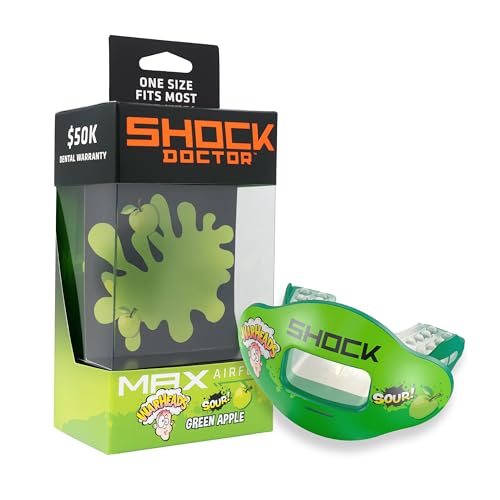
- FULL MOUTH PROTECTION: Shock Doctor Air Flow Mouthguard protects against...
- COMFORTABLE FIT: With an instant fit, no molding is required. The flexible...
- COMPATIBLE WITH BRACES: Keep your braces on while you hit the fields with...
What I look for when buying a new mouth guard
After fixing so many uneven guards for my kids and their friends, I have learned what actually matters when you buy one. You do not need fancy features, just a guard that fits right the first time.
Thickness that protects without choking you
I always check the material thickness before buying. A guard that is too thin will not absorb impact, but one that is too thick makes you gag or drool.
For my teenagers playing basketball, I aim for a guard that is about 3 to 4 millimeters thick. That is enough padding for elbows and falls without feeling like a brick in your mouth.
Boil-and-bite design with clear instructions
Some guards come with vague directions that leave you guessing about timing. I have ruined two guards by boiling them thirty seconds too long.
Now I only buy guards that include a simple timer or a color-change indicator. That little feature saves me from the uneven mess I wrote about earlier.
A shape that matches your mouth size
One size does not fit all, no matter what the package says. I buy guards labeled for youth or adult based on who is wearing it.
My daughter has a small mouth, so a youth guard fits her molars perfectly. Buying the wrong size guarantees a lopsided result before you even start molding.
The mistake I see people make with uneven mouth guards
I wish someone had told me this earlier: do not try to fix the whole guard at once. Most people throw the entire guard back into boiling water, hoping it will reset evenly.
That is a huge mistake. When you reheat the whole thing, you lose all the shape you worked for on the good side. You end up starting from scratch, and often the second mold is worse than the first.
What you should do instead
Only reheat the short side. I dip just that side into hot water for about five to ten seconds while keeping the other side cool and dry.
Then I pop it in my mouth and bite down gently, focusing pressure on the reheated side. This pushes the material down and lengthens it without messing up the fit on the other side.
Honestly, this trick saved three guards for my family last season alone. It is simple, fast, and does not ruin the whole thing.
I know how frustrating it is when your kid is about to head to practice and the guard still feels wrong in their mouth. That is exactly why I switched to what I grabbed for my kids that molds more predictably the first time.

- MAX PROTECTION: This Shock Doctor adult / youth football mouth guard with...
- ULTIMATE COMFORT: Updated design and platform relax the jaw and prevent...
- BREATHABILITY: The Max Airflow is the oxygen king of lip guards, offering...
The five-second trick that fixed my guard instantly
Here is the tip that gave me my biggest aha moment. Instead of guessing how long to reheat the short side, I use a simple timer on my phone.
I set it for exactly eight seconds. That is enough time to soften the material without making it droopy or unmanageable.
Why timing matters more than you think
When I first started fixing guards, I would just eyeball the time. I held the guard in hot water until it felt soft, which was usually way too long.
The material becomes floppy and loses its structure. Then when you bite down, it squishes flat instead of molding up around your teeth properly.
Eight seconds is my magic number. It softens just the surface layer so the guard can stretch slightly on the short side without collapsing entirely.
How I apply pressure to get the best result
After the quick dip, I place the guard on my bottom teeth and close my mouth slowly. I do not bite hard at first.
Instead, I press my tongue gently against the roof of my mouth while closing. This pushes the guard upward and helps the short side reach higher on my teeth.
Hold that position for about twenty seconds while the guard cools. Check the mirror, and you will likely see a much more even fit.
My top picks for a mouth guard that fits right the first time
After all the fixes and failed molds, I have landed on two guards I actually trust. These are the ones I buy for my own kids and recommend to friends.
Cramer Strapless Mouth Guard Navy Vi Sports Mouthpiece — Simple and stays put without straps
The Cramer Strapless Mouth Guard is my go-to for basketball and soccer players who hate straps. I love that it uses a thin, flexible tab that tucks behind your front teeth instead of bulky straps. This guard is perfect for kids who gag on traditional designs.
The one trade-off is that it takes a bit more care to mold precisely on the first try.
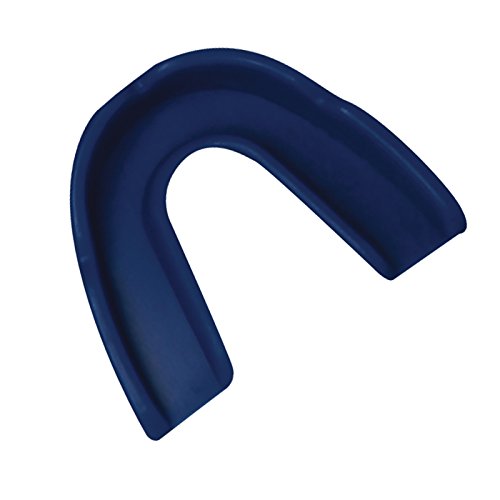
- Custom-fit, individually bagged mouthpiece protects against dental injuries
- Instructions and safety information printed on packaging, made with highest...
- Boil and bite for a custom fit in 30 seconds
Shock Doctor Gel Max Power Carbon Convertible Mouth Guard — Maximum protection for heavy contact sports
The Shock Doctor Gel Max is what I grab for football and hockey players who take hard hits. I appreciate the gel lining that molds snugly to your teeth and the carbon fiber frame that absorbs serious impact. This guard is ideal for teens and adults in high-contact sports.
The honest trade-off is that it feels bulkier than a strapless guard, so it takes a few practices to get used to.
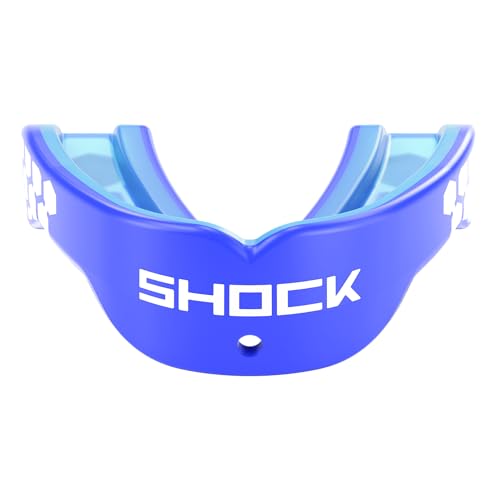
- VERSATILE SPORTS USE: This mouthguard football is perfect for football...
- COMFORT & FIT: The football mouth guard adult and youth models have a...
- ADVANCED IMPACT PROTECTION: This mouth guard football is equipped with an...
Conclusion
An uneven mouth guard does not mean you wasted your money, it just means you need a quick fix with a focused reheat and proper timing.
Grab your guard right now, check which side is shorter, and try the eight-second dip before your next practice or game.
Frequently Asked Questions about How Do I Fix a Mouth Guard with One Side Shorter than the Other After Molding?
Can I reheat my mouth guard more than once to fix an uneven fit?
Yes, you can reheat a boil-and-bite mouth guard multiple times. Most guards are designed to withstand two or three reheats before the material starts to break down.
Just be careful not to overheat it. I recommend only reheating the short side for a few seconds at a time to avoid ruining the whole guard.
How do I know if my mouth guard is too short on one side?
Bite down gently and run your tongue along your gum line on both sides. If you feel bare gum or exposed tooth on one side, that side is too short.
You can also look in a mirror and compare how much tooth is covered on each side. The guard should sit evenly across your entire bite.
What is the best mouth guard for someone who needs a reliable fit every time?
If you are tired of fixing uneven molds, you want a guard that molds predictably on the first try. The Cramer Strapless Mouth Guard is a great choice because its thin design conforms easily to your teeth without shifting.
I recommend it for anyone who struggles with bulky guards that feel lopsided. It is the one what finally worked for my daughter after three failed attempts with other brands.

- SECURE STORAGE: This mouthguard case is perfect for securely storing...
- VENTILATED DESIGN: Keep your adult or youth mouth guard safe in the case...
- VERSATILE COMPATIBILITY: Store your adult or kids mouthguards for football...
Which mouth guard won’t let me down when I take a hard hit to the jaw?
For high-impact sports like football or hockey, you need a guard that stays put and absorbs shock. The Shock Doctor Gel Max Power Carbon Convertible Mouth Guard has a gel lining that molds snugly and a carbon frame for serious protection.
I have seen it hold up through full seasons of youth hockey without warping. It is the guard what I grabbed for my kids when they moved up to contact leagues.
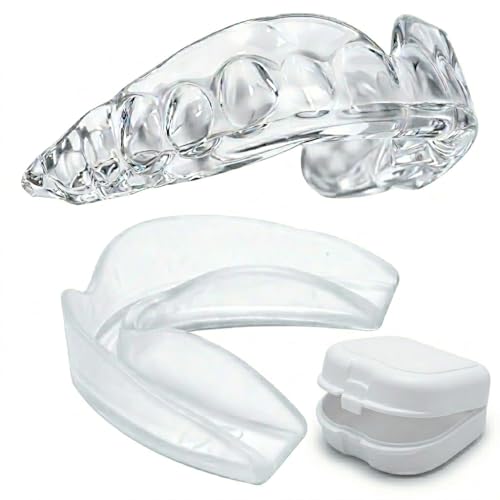
- Custom Fit To Any Mouth Size: Teeth Mouth Guard easily molds to fit any...
- Precision Fitting Material: Provides optimal retention and Comfort - Great...
- Maximum Teeth Protection: Thick Cushioning base mouthguard to absorb shock...
Can I use scissors to trim a mouth guard that is too long on one side?
I do not recommend trimming a mouth guard with scissors. Cutting the material can create sharp edges that cut your gums or cause the guard to crack during use.
Instead, try reheating the long side and biting down to push the material into a better shape. Trimming is only safe if the guard has a specific trim line marked by the manufacturer.
How long should I wait before trying to fix a newly molded guard?
You should check the fit immediately after the guard cools, which takes about two minutes. If it feels uneven, you can fix it right away while the material is still slightly warm.
Do not wait a full day to fix it. The material will fully harden, and you will need to reheat it from scratch, which adds extra wear to the guard.