Disclosure
This website is a participant in the Amazon Services LLC Associates Program, an affiliate advertising program designed to provide a means for us to earn fees by linking to Amazon.com and affiliated sites.
Choosing the right figure skates for beginners is the most critical first step for any new skater. The correct pair provides essential support and comfort, directly impacting your safety and progress on the ice. This guide delivers expert tips to simplify your selection process.
Ill-fitting skates can cause pain, hinder skill development, and increase injury risk. We solve this common problem by breaking down the key factors you must consider. Our proven methods ensure you find skates that fit perfectly and match your goals.
The Biggest Mistake Beginners Make When Buying Skates
Many new skaters prioritize style or price over proper fit and support. This leads to painful blisters, weak ankle support, and a frustrating learning curve. Choosing skates that are too stiff or too flexible for your skill level can also hinder progress and confidence on the ice.
The solution is to understand your specific needs. Focus on fit, boot stiffness, and blade quality from the start. Our comprehensive guide to the best figure skates with stainless steel blades explains why blade material is a crucial, often overlooked factor for beginners.
A Reliable Starter Skate for Immediate Needs
If you need a quality, entry-level skate to start practicing right away, the Jackson Ultima Classic 200 is a top-rated choice. It offers excellent support for beginners learning basic edges and strokes.
Jackson Ultima Classic 200 Figure Skates

- REFER TO SIZING CHART IN IMAGES.
- Reinforced vinyl coated uppers gives strength, support and durability…
- Padded felt tongues for comfort and support
- Durable synthetic upper with adequate ankle support for new skaters.
- Features the reliable Mark I blade for good grip and maneuverability.
- Available in a wide range of sizes for a more precise fit.
Check current price on Amazon →
For a detailed breakdown of its performance, read our full Jackson Ultima Classic 200 & 500 review.
When a Quick Purchase Isn’t the Right Solution
Sometimes, the best skate isn’t a one-size-fits-all model. If you have unique fit issues, need maximum warmth, or are buying for a growing child, specialized options are better.
Consider these scenarios and solutions:
- For growing kids: Adjustable youth skates extend value and ensure a proper fit season after season.
- For cold feet or specific fit: Explore our curated list of the best ice skates for warmth and comfort.
- For adult women seeking style and support: Our review of the Riedell Soar skates highlights a great unisex option that combines performance with a sleek design.
Figure Skate Anatomy: Boot, Blade, and Fit
Before trying on a single pair, learn the core components of a figure skate. This knowledge is power. It helps you communicate with fitters and make informed choices for your skating goals.
The two main parts are the boot and the blade. Each plays a distinct role in your performance and safety. Getting the right combination is essential for beginner success.
Decoding the Figure Skate Boot: Support vs. Flexibility
The boot provides ankle support and overall structure. Its stiffness is rated for different skill levels. A boot that is too stiff will restrict movement, while one that is too soft won’t prevent ankle rolls.
Key factors in a beginner boot:
- Ankle Support: Look for a padded, reinforced ankle collar. It should hold your ankle upright without pinching.
- Stiffness Rating: Beginner boots have a moderate flex. They offer support for basic skills while allowing for some knee bend.
- Lining Material: A moisture-wicking lining, like CoolMax, keeps feet drier and more comfortable during long sessions.
Choosing the Right Figure Skate Blade for Beginners
The blade is your connection to the ice. Beginner blades differ from advanced ones. They are designed for stability while learning fundamental edges and turns.
Look for these blade features as a new skater:
- Rockered Profile: A gentle, continuous curve from toe to heel. This allows for smooth gliding and easier maneuverability.
- Toe Picks: Small, serrated teeth at the front. Beginner blades have smaller toe picks to prevent tripping while learning.
- Stainless Steel Construction: Resists rust and holds a sharp edge longer than carbon steel. This is a worthwhile investment for durability.
The Non-Negotiable Rule: How Figure Skates Should Fit
Figure skates should fit snugly, unlike street shoes. Your heel must be locked in place with zero lift. Toes should gently brush the front of the boot when standing straight.
Follow this 3-step fitting checklist:
- Length: There should be about a pencil’s width of space at the heel when your foot is pushed all the way forward.
- Width: The sides of your foot should feel secure without pressure points or pinching across the ball of the foot.
- Ankle Lock: Lace up completely. Your ankle should not be able to wobble side-to-side within the boot’s collar.
Always try on skates with the thinnest skating socks you plan to wear. This ensures an accurate fit without extra bulk.
How to Select Skates Based on Your Skating Goals
Your intended use dictates the best type of skate. Recreational skating, figure skating lessons, and hockey have different equipment needs. Choosing the wrong category will limit your progress and enjoyment.
This section helps you match your ambitions to the correct skate features. We’ll focus on the needs of new figure skaters and recreational users.
Best Ice Skates for Recreational Skating vs. Figure Skating
Recreational skates and figure skates are built for different purposes. Understanding this distinction prevents a common beginner mistake.
Recreational Ice Skates:
- Design: Often resemble boots, with more insulation and a shorter, flatter blade.
- Best For: Casual rink visits, family outings, and simple gliding.
- Limitation: Lack the precise edges and toe picks needed for figure skating spins or jumps.
Beginner Figure Skates:
- Design: Prioritize ankle support, a rockered blade, and defined toe picks.
- Best For: Taking lessons, learning edges, crossovers, and foundational skills.
- Advantage: Allow for progression into more advanced moves without needing new skates immediately.
| Feature | Recreational Skates | Beginner Figure Skates |
|---|---|---|
| Primary Use | Casual gliding & fun | Skill development & lessons |
| Blade Profile | Flatter, less rocker | Pronounced rocker for turns |
| Toe Picks | Small or absent | Present for take-offs |
| Ankle Support | Moderate, flexible | High, structured |
Matching Skate Features to Your Learning Path
If you plan to take lessons, invest in proper beginner figure skates from the start. Your learning curve will be faster and safer.
Key features to prioritize for lesson-takers:
- Stainless Steel Blades: They stay sharper, providing consistent grip for learning edges.
- Moderately Stiff Boot: Look for boots labeled for “basic skills” or “freestyle 1-2.”
- Professional Fitting: Visit a specialty shop where staff can heat-mold boots for a custom fit.
Step-by-Step Guide to Trying On and Testing Skates
Knowing what to look for is half the battle. The other half is the in-person fitting process. This practical guide ensures you properly assess comfort, support, and performance before buying.
Always try skates on in the afternoon or evening. Your feet naturally swell throughout the day. This prevents you from buying skates that are too small.
What to Wear and Bring to Your Fitting
Come prepared to simulate actual skating conditions. The right attire makes a significant difference in assessing true fit.
Your fitting session checklist:
- Thin Socks: Wear dedicated skating socks or thin athletic socks. Avoid bulky cotton socks that create false space.
- Proper Attire: Wear comfortable, flexible pants (like leggings or athletic wear) that allow you to bend your knees deeply.
- Your Questions: Bring a list of notes from this guide regarding fit, stiffness, and your goals.
The On-Ice Test: Assessing Performance Before You Buy
If possible, test the skates on actual ice. Many pro shops have a small rink or can recommend a nearby session. This is the ultimate test.
During your test skate, focus on these three sensations:
- Heel Lock: Your heel should not lift when you bend your knees or stride. Any lift causes blisters and poor control.
- Toe Feel: Your toes should lightly touch the front when standing straight, but not be jammed or curled.
- Edge Control: Make shallow “C”-cuts on both inside and outside edges. The skate should respond without your ankle collapsing.
Key Questions to Ask a Professional Skate Fitter
A good fitter is an invaluable resource. Use these questions to gauge their expertise and get the best service.
- “Based on my skill level and goals, what boot stiffness do you recommend?” This tests their knowledge of product lines.
- “Can you heat-mold these boots for a better fit?” Many modern boots can be custom-shaped to your foot for immediate comfort.
- “How should I care for the blades to prevent rust?” Their answer will reveal their commitment to your long-term satisfaction.
Taking time with this process is the best way to ensure your first skates become a trusted tool, not a source of frustration.
Top Beginner Skate Brands and Price Range Guide
Navigating the major brands helps you understand quality and value. Reputable brands engineer skates with proper support and blade alignment for beginners. This builds a safe foundation for skill development.
Price often reflects materials, construction, and included blade quality. Investing in a reputable entry-level model is smarter than buying the cheapest option.
Comparing Jackson, Riedell, and Other Starter Brands
Jackson and Riedell are the two leading brands for beginner through elite figure skates. Each has distinct fit profiles and popular entry-level models.
| Brand | Best For Foot Shape | Popular Beginner Model | Key Feature |
|---|---|---|---|
| Jackson | Wider, more generous fit | Jackson Ultima Classic 200 | Excellent out-of-the-box comfort |
| Riedell | Narrower, more tapered fit | Riedell Soar / Spark | Precise heel lock and sleek design |
| Other Brands | Recreational & Adjustable | Lake Placid, Graf | Often focus on warmth or adjustability |
Your foot shape is the primary decider. Trying on both brands is the best way to feel the difference in heel pocket and forefoot width.
How Much to Spend on Your First Pair of Skates
Your budget should balance initial cost with longevity. Expect to spend more than you would for recreational rental-style skates.
Typical price ranges for new beginner figure skates:
- $100 – $200: Entry-level models with composite soles and carbon steel blades. Suitable for very casual use or young, growing skaters.
- $200 – $350: The sweet spot for serious beginners. This range typically offers better leather or synthetic uppers, stainless steel blades, and adequate support for lessons.
- $350+: Advanced beginner to intermediate skates. These feature heat-moldable boots and higher-grade blades for skaters committed to progressing rapidly.
Remember, your first skates are an investment in your skating journey. Quality equipment from a trusted brand reduces frustration and injury risk, making learning more enjoyable.
Essential Figure Skate Care and Maintenance for Beginners
Proper care extends the life of your skates and ensures consistent performance. Neglect can lead to rusted blades, broken-down boots, and unsafe skating conditions. Simple habits make a huge difference.
Think of maintenance as part of your skating routine. A few minutes after each session protects your investment and keeps you safe on the ice.
Protecting Your Blades from Rust and Damage
Blades are precision instruments made of steel, which rusts easily. Moisture from the ice is your blade’s biggest enemy.
Post-skating blade care routine:
- Dry Immediately: After leaving the ice, wipe blades thoroughly with a soft, absorbent cloth or terrycloth soaker guards.
- Use Soft Guards: Place breathable soaker guards on blades for transport. Never store skates in hard plastic blade guards, as they trap moisture.
- Air Dry: Remove skates from your bag and let them air dry completely at room temperature, away from direct heat.
How to Properly Lace and Break In New Skates
Correct lacing secures your foot and maximizes boot support. Breaking in new skates is a gradual process, not a painful ordeal.
Follow this lacing technique for optimal fit:
- Snug at the Toes: Lace comfortably over the forefoot to prevent foot slide.
- Firm at the Ankle: Pull laces firmly across the hooks at the ankle to lock your heel down.
- Secure at the Top: Tie a double knot to prevent loosening. Excess lace can be wrapped around the ankle once before tying.
When to Sharpen Your Figure Skates
Sharp blades are non-negotiable for control and safety. Dull blades will slip, especially when trying to stop or push on an edge.
Signs your skates need sharpening:
- You slip out during basic pushes or feel unstable on edges.
- The blades look rounded or feel smooth if you gently run a fingernail across the bottom.
- It’s been 20-40 hours of ice time since the last professional sharpening.
Find a reputable skate tech. Tell them you are a beginner so they can apply the appropriate hollow (the groove in the blade). A standard cut is usually perfect for learning.
Common Beginner Questions and Mistakes to Avoid
Even with good information, first-time buyers have specific concerns. Addressing these directly can prevent costly errors and boost your confidence. Let’s tackle the most frequent questions and pitfalls.
Learning from others’ mistakes is the smartest way to start. This section clarifies confusing topics and highlights critical errors.
Should I Buy Used or Adjustable Skates as a Beginner?
Used and adjustable skates offer budget-friendly options, but with important caveats. Understanding the trade-offs is key.
Buying Used Figure Skates:
- Pro: Significant cost savings on higher-quality models.
- Con: Boots are already molded to someone else’s foot, which can cause fit issues and discomfort.
- Best For: Experienced skaters who know their exact size and model, or for very short-term trial use.
Buying Adjustable Skates:
- Pro: Extends usability for growing children, offering great value.
- Con: The mechanism can create a less precise fit and may not offer the same level of support as a fixed-size boot.
- Best For: Growing kids only. Adults should avoid adjustable skates.
Debunking Myths: Breaking In, Sizing, and More
Skating lore is full of well-meaning but bad advice. Let’s set the record straight on common myths.
Other common myths debunked:
- Myth: “They’ll hurt until you break them in.” Truth: Discomfort is normal; sharp, localized pain is a fit problem.
- Myth: “Your street shoe size is your skate size.” Truth: Skate sizes often run 1-1.5 sizes smaller than street shoes. Always measure and try on.
- Myth: “Softer boots are more comfortable for beginners.” Truth: Too-soft boots lack necessary ankle support, making learning harder and increasing injury risk.
When to Know It’s Time for a Professional Fitting
If you feel overwhelmed or uncertain, seek expert help. A professional fitting is worth its weight in gold for beginners.
Seek a pro if:
- You have unusual foot characteristics (very wide/narrow, high arches, previous injuries).
- You experience persistent pain in specific areas after several short wears.
- You are investing in skates over $250 and want to ensure perfect performance.
A good fitter can make minor adjustments, recommend specific brands for your foot, and provide aftercare advice you can’t get online.
Final Checklist: Making Your Purchase Decision
You’ve done the research and understand the key factors. Now it’s time to make a confident, final decision. Use this actionable checklist to evaluate your options before buying.
This step-by-step list consolidates all the crucial points from this guide. It ensures no critical detail is overlooked in your excitement to get on the ice.
Pre-Purchase Evaluation Checklist
Run through these questions for any skate you are seriously considering. A “yes” to all indicates a strong candidate.
- Fit: Does your heel stay locked with zero lift when knees are bent? Do toes just brush the front?
- Support: Does the boot provide firm ankle support without pinching or allowing wobble?
- Blade: Are the blades stainless steel with a visible rocker and appropriate small toe picks?
- Brand & Model: Is the skate from a reputable brand (Jackson, Riedell) and designed for your skill level (Basic Skills/Freestyle 1)?
- Comfort: After 10-15 minutes of wear, are there no sharp pressure points or signs of numbness?
- Goal Match: Is this a true figure skate, not a recreational boot, if you plan to take lessons?
Where to Buy Your First Figure Skates
The purchase venue impacts the fitting experience, price, and after-sales support. Choose based on your needs and confidence level.
>Those who know their exact model/size from prior experience.>Recreational skaters or those needing adjustable kids’ skates.
| Option | Pros | Cons | Best For |
|---|---|---|---|
| Specialty Skate Shop | Expert fitting, professional sharpening, heat-molding, best advice. | Often higher retail price, limited local availability. | First-time buyers and anyone serious about learning. |
| Online Retailer | Convenience, wider selection, competitive pricing. | No expert fitting, hassle of returns, may need separate sharpening. | |
| Sporting Goods Store | Easy access, often carry recreational and some beginner models. | Staff may lack specialized knowledge, limited figure skate selection. |
Take your checklist, trust your research, and make an informed choice. The right skates are waiting to start your journey.
Best Figure Skates for Beginners – Detailed Comparison
Based on expert reviews and beginner feedback, these three models consistently rank highest. They offer the ideal balance of support, quality, and value for new skaters starting their journey on the ice.
Jackson Ultima Classic 200 – Best Overall Beginner Skate
The Jackson Ultima Classic 200 is the gold standard for first-time skaters. It features a supportive yet flexible synthetic boot and the reliable Mark I blade. Its generous fit accommodates various foot widths comfortably, making it an ideal and reliable starting point for most beginners.
- REFER TO SIZING CHART IN IMAGES.
- Reinforced vinyl coated uppers gives strength, support and durability…
- Padded felt tongues for comfort and support
Riedell Soar 111 – Best for Narrow Feet & Precision
The Riedell Soar 111 offers a more tapered, performance-oriented fit ideal for narrow or medium-width feet. It provides excellent heel lock and ankle support with its durable construction. This skate is perfect for beginners who are serious about lessons and want a precise, secure feel from day one.
No products found.
Jackson Ultima SoftSkate 380 – Best for Young Beginners
Specifically designed for younger skaters in Basic Skills programs, the SoftSkate 380 features a softer, more flexible boot that is easier for small legs to bend. It includes a stainless steel Mirage blade, offering superior durability and performance for a child’s introductory figure skating model.
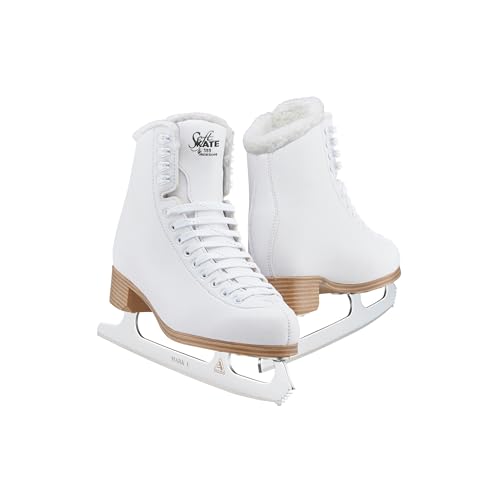
- Introducing our NEW SoftSkate 380 line. Affordable quality. The SoftSkate…
- PRODUCT FEATURES: 1) Reinforced vinyl upper with strength and durability…
Conclusion: Choosing Your Perfect Beginner Figure Skates
Selecting the right figure skates is your first and most important step. Proper fit, adequate support, and quality blades create a safe, enjoyable foundation. This guide has provided the essential criteria to make an informed decision.
Remember, prioritize fit over everything else. Visit a specialty shop for a professional fitting if possible. Investing in the right equipment from the start accelerates your learning and prevents frustration.
Use the final checklist to evaluate your options confidently. Then, get ready to experience the joy of gliding on ice with control and comfort.
Your skating journey begins with the right skates. Now you have the knowledge to choose them wisely.
Frequently Asked Questions about Beginner Figure Skates
What is the difference between recreational and beginner figure skates?
Recreational skates prioritize warmth and casual comfort with a flatter blade. Beginner figure skates are engineered for skill development. They feature a rockered blade for turns, defined toe picks, and structured ankle support.
This design allows you to learn proper edges, crossovers, and basic spins. Choosing figure skates from the start is crucial if you plan to take lessons or progress beyond simple gliding.
How should figure skates fit compared to regular shoes?
Figure skates must fit much snugger than street shoes. Your heel should be completely locked in place with zero lift when you bend your knees. Your toes should gently brush the front of the boot when standing straight.
There is typically no extra room for growth. Always try skates on with the thin skating socks you intend to wear, as bulky socks create a false, unsafe fit.
How often do beginner figure skates need sharpening?
Beginner skates typically need sharpening every 20-40 hours of ice time. The frequency depends on ice conditions, your weight, and skating intensity. Dull blades will cause slipping, especially when trying to stop or push on an edge.
Signs you need a sharpening include feeling unstable on your edges and blades that look rounded. Always use a professional skate technician for consistent results.
What is the best brand of ice skates for adult beginners?
Jackson and Riedell are the top brands for adult beginners. Jackson skates generally suit a wider, more generous foot shape, offering great out-of-the-box comfort. Riedell models often provide a narrower, more precise fit with excellent heel lock.
The “best” brand depends entirely on your individual foot shape. Trying on models from both lines is the most reliable way to determine which brand fits you better.
Can I buy used figure skates as a beginner?
You can, but it comes with significant risks. Used boots are already molded to another person’s foot shape, which can lead to discomfort and poor fit for you. The blades may also be worn unevenly or require immediate sharpening.
Used skates are best for experienced skaters who know their exact model and size. For your first pair, new skates from a reputable brand are a safer, more reliable investment in your comfort and progress.
What should I do if my new skates are causing blisters?
First, ensure you are lacing them correctly—snug over the forefoot and firm at the ankle hooks. Persistent blisters often indicate a fit issue, like heel slippage or a pressure point. Do not assume they just need “breaking in.”
Consider using a specialized blister prevention patch on the hot spot. If problems continue, consult the fitter where you purchased them. They may recommend heat-molding or identify that a different size or model is necessary.
Are adjustable ice skates a good option for beginners?
Adjustable skates are an excellent option for one specific group: growing children. They extend the usable life of the skate as a child’s foot grows, providing good value. The adjustable mechanism can create a less precise fit than a fixed-size boot.
For teen or adult beginners, adjustable skates are not recommended. They lack the consistent support and precise fit needed to learn proper technique safely and effectively.
How do I take care of my figure skates to make them last?
Always dry your blades thoroughly after each use with a soft cloth. Store skates with breathable soaker guards, never in hard plastic guards which trap moisture. Let the boots air dry completely at room temperature away from direct heat sources.
Keep the soles clean and check for loose screws periodically. Proper care prevents rust on the blades and preserves the boot’s structure, ensuring your skates remain safe and perform well for many seasons.