Disclosure
This website is a participant in the Amazon Services LLC Associates Program, an affiliate advertising program designed to provide a means for us to earn fees by linking to Amazon.com and affiliated sites.
Figure skating safety is essential for skaters of all levels. Preventing injuries ensures you can enjoy the ice for years to come. This guide provides the foundational knowledge you need.
Ignoring proper safety can lead to serious accidents and setbacks. From falls to equipment failure, risks are real. Our expert tips will help you mitigate these dangers effectively.
The Critical Link Between Proper Skates and Injury Prevention
Many skating injuries stem from improper or ill-fitting equipment. Skates that lack support or have poor blade alignment directly impact your balance and control. This increases your risk of painful ankle sprains, stress fractures, and dangerous falls.
Beginners often use recreational skates that offer minimal ankle support. Advanced skaters in worn-out boots lose crucial stability for jumps and spins. In both cases, the wrong skates become a primary safety hazard, not just a performance issue.
Quick Fix: Invest in Quality, Supportive Skates
The single best upgrade for safety is a proper pair of figure skates. Look for models with a stiff boot for ankle support and quality stainless steel blades that hold an edge. This provides the stable foundation needed for all other safety techniques.
For a reliable and highly-rated entry-level option, consider the Riedell Soar ice skates. They are a fantastic choice for beginners and intermediates seeking a safe, supportive boot.
Riedell Soar Ice Skates
A popular model known for its excellent balance of support and comfort for developing skills.
- Reinforced ankle and heel support for stability
- Stainless steel blades for better glide and edge control
- Durable construction built to last through skill progression
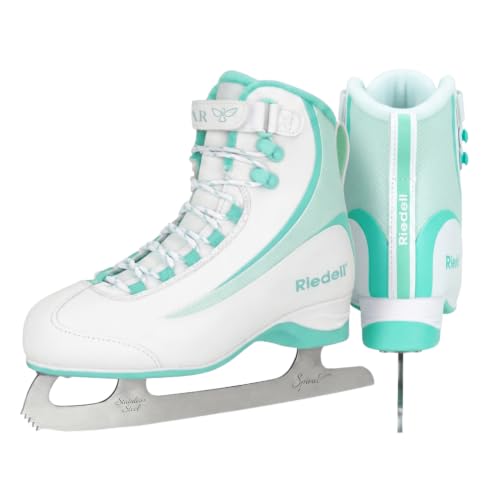
- ENDLESSLY COMFORTABLE: These modern ice skates for women and men have a…
- GREAT SUPPORT: This ice skate set offers light support to keep you stable…
- KEEP YOU SAFE & DRY: These beginner ice skates have safety in mind by…
Check current price on Amazon →
For a deeper analysis, read our dedicated Riedell Soar ice skates review to see if they’re right for you.
When New Skates Alone Aren’t Enough
Even the best skates won’t protect you if they don’t fit correctly. A professional fitting is non-negotiable for safety. Skates that are too large cause blisters and loss of control, while skates that are too small can cause nerve damage and impede circulation.
If you’re unsure where to start your search, our comprehensive guide on the best comfortable ice skates is an excellent resource. It focuses on fit and support to prevent injuries.
Also, consider the blade quality. For advanced maneuvers, skates with premium stainless steel blades provide superior grip and consistency, which is a critical safety factor for jumps and spins.
Essential Pre-Skate Safety Checks and Warm-Ups
Your safety routine begins long before you step onto the ice. Proper preparation prevents the majority of common skating injuries. This involves both gear inspection and physical readiness.
Neglecting these steps increases your risk of muscle strains, falls from equipment failure, and fatigue-related accidents. A consistent pre-skate ritual is your first and most important line of defense.
Your 5-Minute Gear Safety Checklist
Inspect your equipment every time you skate. Worn gear can fail catastrophically during a jump or spin. Follow this quick checklist systematically.
- Blade Integrity: Check for deep nicks, rust, or loose screws. Sharp, secure blades are essential for control.
- Boot Support: Squeeze the ankle area. If the boot collapses easily, it no longer provides safe support.
- Lace Condition: Look for fraying or weak spots. Always carry a spare pair of laces to avoid breakage on the ice.
Dynamic Warm-Up Routines for Skaters
Static stretching cold muscles can cause injury. Instead, use dynamic movements that mimic skating to increase blood flow and flexibility.
Focus on your lower body, core, and ankles. A good warm-up elevates your heart rate and prepares your joints for impact.
- Leg Swings: Hold the boards and swing each leg forward/back and side-to-side for 30 seconds each to loosen hips.
- Ankle Circles & Pumps: Rotate ankles clockwise/counter-clockwise, then point and flex toes to activate stabilizing muscles.
- Lunges with Twist: Perform walking lunges, adding a torso twist over your front leg to engage your core for balance.
Spend at least 10 minutes on these exercises. Your body will be primed for safe figure skating practice, reducing the chance of a pulled muscle or awkward fall in the first minutes on ice.
Mastering Fall Techniques and On-Ice Awareness
Knowing how to fall correctly is a fundamental figure skating safety skill. It minimizes injury risk when a loss of balance is inevitable. Combined with spatial awareness, it creates a safer skating environment for everyone.
Fighting a fall often leads to worse injuries like wrist fractures or head impacts. Learning to fall properly protects your joints and allows for a quicker recovery. Let’s break down the technique.
How to Fall Safely: A Step-by-Step Guide
Practice these steps off-ice first on a soft mat. Muscle memory developed in a safe environment will kick in during a real fall.
- Tuck Your Chin: Immediately tuck your chin to your chest. This prevents your head from snapping back and hitting the ice.
- Bend Your Knees: Get as low as possible. A lower center of gravity reduces the distance and impact force of the fall.
- Fall to the Side: Aim to land on your hip, thigh, and buttock. Let your arm absorb some impact by sliding out to the side, not bracing straight down.
- Roll With It: Allow the momentum to carry you into a roll if possible. This converts downward force into rotational motion, further reducing impact.
Developing Essential Ice Awareness
Safety isn’t just personal; it’s about sharing the ice responsibly. Good awareness prevents collisions, which are a major cause of serious injury.
Always be mindful of your surroundings. Follow the standard flow of traffic, which is counter-clockwise around the rink.
- Scan Constantly: Glance over your shoulder before changing your path or launching a jump. Be aware of skaters both ahead and behind you.
- Respect the Center: The center ice area is typically for practicing spins, jumps, and lessons. Enter this space with extreme caution and clear visual checks.
- Communicate: Use clear verbal cues like “Behind you!” or “Crossing!” if you need to pass close to another skater unexpectedly.
Integrating these fall prevention and awareness strategies builds confidence and significantly lowers your risk of a traumatic accident on the ice.
Protective Gear and Smart Progression for Skaters
Beyond technique, the right protective equipment is a non-negotiable part of figure skating safety. It provides a critical buffer during the learning process. Pairing gear with a sensible skill progression plan is the ultimate strategy for long-term safety.
Many skaters, especially adults, forgo protective gear due to aesthetics or discomfort. This significantly increases the risk of debilitating injuries from routine falls. Let’s examine the essential protective items.
Essential Protective Equipment for Training
While not always worn in performances, training gear is vital for injury-free practice. It builds confidence when attempting new, challenging elements.
- Crash Pads/Butt Pads: These padded shorts protect your hips, tailbone, and thighs during falls. They are invaluable for learning jumps and footwork sequences.
- Knee Pads: Soft knee pads can prevent painful bruises and bursitis during falls and kneeling spins on the ice.
- Helmets for Beginners: For absolute beginners or those relearning after an injury, a helmet is a wise precaution against head trauma.
- Gloves: Always wear gloves. They protect your hands from ice burn during a fall and keep them warm for better control.
The Importance of Gradual Skill Progression
One of the biggest safety mistakes is attempting skills you’re not physically or technically ready for. This often leads to severe overuse injuries or traumatic falls.
Work closely with a qualified coach to build skills sequentially. A proper figure skating training progression ensures your body and technique develop in tandem.
Key principles for safe progression include:
- Master Fundamentals First: Perfect edges, basic turns, and controlled stops before attempting single jumps. A strong foundation provides stability.
- Increase Difficulty Slowly: Don’t move from a single to a double jump until your single is consistently high, rotated, and landed with solid control.
- Listen to Your Body: Distinguish between normal muscle soreness and sharp, persistent pain. The latter requires rest and professional evaluation.
By combining protective gear for figure skating with a patient, step-by-step approach, you safeguard your body for a long and healthy skating journey.
Nutrition, Hydration, and Recovery for Injury Prevention
Your safety on the ice is deeply connected to how you fuel and recover off the ice. Fatigue and dehydration are silent contributors to poor technique and accidents. Proper nutrition and rest are proactive safety measures.
When your body is depleted, reaction time slows, concentration lapses, and muscle control weakens. This state dramatically increases your risk of a misstep or fall, especially during complex maneuvers.
Fueling Your Body for Safe Performance
Think of food as the foundation for your skating safety. Your muscles and brain need consistent, high-quality fuel to function optimally under physical stress.
Focus on a balanced intake of complex carbohydrates, lean protein, and healthy fats. This combination provides sustained energy, supports muscle repair, and maintains focus.
- Pre-Skate (1-2 hours before): Eat a meal with complex carbs and protein, like oatmeal with nuts or a turkey sandwich on whole wheat. Avoid heavy, greasy foods.
- During Sessions: For long practices, have a quick snack like a banana, an energy bar, or a handful of trail mix to maintain blood sugar levels.
- Post-Skate Recovery (within 45 minutes): Refuel with a mix of protein and carbs, such as chocolate milk, a yogurt smoothie, or chicken with rice, to kickstart muscle repair.
The Critical Role of Hydration and Rest
Dehydration impairs coordination, causes muscle cramps, and leads to dizziness. Even mild dehydration can compromise your safety during a demanding routine.
Drink water consistently throughout the day, not just during your session. A good rule is to monitor your urine color, aiming for a pale straw hue.
- Drink 16-20 oz of water 2-3 hours before skating.
- Sip 7-10 oz of water every 10-20 minutes during practice.
- Replenish with 24 oz for every pound of sweat lost after.
- Prioritize 7-9 hours of quality sleep for muscle repair and cognitive function.
- Incorporate active recovery days with light stretching or walking.
Never underestimate the power of sleep. It is when your body repairs micro-tears in muscles and consolidates motor skills learned on the ice. Skating injury prevention is a 24/7 commitment that extends far beyond the rink walls.
Recognizing and Responding to Common Skating Injuries
Despite all precautions, injuries can still occur. Knowing how to identify and initially manage common figure skating injuries is a vital safety skill. Prompt and correct action can prevent a minor issue from becoming a major, long-term problem.
Ignoring pain or “skating through” an injury often leads to worsened damage and extended recovery times. Learning to listen to your body’s warning signals is crucial for a sustainable skating career.
Identifying Acute vs. Overuse Injuries
Skating injuries generally fall into two categories, each requiring a different response. Understanding this difference guides your initial action.
| Acute Injury (Sudden) | Overuse Injury (Gradual) |
|---|---|
| Caused by a specific, traumatic event like a fall. | Caused by repetitive stress without proper recovery. |
| Examples: Ankle sprain, wrist fracture, concussion. | Examples: Stress fracture, tendonitis, “lace bite.” |
| Symptoms are immediate: sharp pain, swelling, inability to bear weight. | Symptoms build: aching pain that worsens with activity, stiffness. |
Immediate First Response: The R.I.C.E. Protocol
For most acute musculoskeletal injuries (sprains, strains), the immediate first aid is the R.I.C.E. method. This minimizes swelling and tissue damage in the critical first 48 hours.
- Rest: Immediately stop skating. Avoid putting weight on the injured area to prevent further damage.
- Ice: Apply an ice pack wrapped in a thin towel to the area for 15-20 minutes every 2-3 hours. This reduces pain and swelling.
- Compression: Use an elastic bandage to wrap the area snugly, but not tightly enough to cut off circulation. This helps control swelling.
- Elevation: Prop the injured limb above the level of your heart as much as possible. This uses gravity to drain fluid and reduce swelling.
Incorporating this knowledge into your figure skating safety plan ensures you are prepared to handle setbacks wisely, protecting your long-term health on the ice.
Building a Long-Term Safety Mindset and Support System
True safety in figure skating transcends a checklist of tips; it’s a cultivated mindset. This involves committing to continuous learning and building a professional support network. Your approach to safety should evolve alongside your skills.
A proactive, long-term perspective prevents burnout and chronic injury. It transforms safety from a set of rules into an intuitive part of your skating identity.
The Value of Professional Coaching and Fitting
Attempting to self-teach advanced skills is one of the biggest safety risks. A qualified coach provides the technical foundation and progressive training essential for safe skill development.
Similarly, a professional skate fitter ensures your primary piece of equipment supports your unique biomechanics. This dual support system is irreplaceable.
- Technical Correction: A coach spots and corrects flawed technique before it becomes a dangerous habit that leads to injury.
- Personalized Progression: They create a training plan that safely builds strength and skill, preventing you from attempting elements you’re not ready for.
- Optimal Equipment: A master fitter assesses your foot shape, arch, and skating level to recommend the best boot and blade combination for support and performance.
Committing to Continuous Off-Ice Training
Your on-ice safety is directly powered by your off-ice conditioning. A strong, flexible, and balanced body is far more resilient to the demands of skating.
Dedicate time each week to targeted off-ice workouts. This builds the physical capacity needed to execute skills safely and recover effectively.
An effective off-ice regimen for skating injury prevention should include:
- Strength Training: Focus on legs, glutes, and core. Exercises like squats, lunges, and planks build the power and stability for controlled jumps and landings.
- Flexibility & Mobility: Regular stretching and yoga improve your range of motion for spins and jumps while reducing muscle tightness that can lead to pulls.
- Balance & Proprioception: Use tools like balance boards or BOSU balls. This fine-tunes your body’s awareness in space, crucial for maintaining an edge and recovering from near-falls.
By integrating these pillars—expert guidance and targeted conditioning—you build a comprehensive safety ecosystem that supports your passion for a lifetime.
Creating Your Personalized Figure Skating Safety Plan
Now that you understand the core principles, it’s time to synthesize them into action. A personalized safety plan turns knowledge into consistent, protective habits. This final step ensures every tip becomes part of your routine.
A plan provides structure and accountability, especially on busy or tired days when safety shortcuts are tempting. It’s your customized blueprint for skating longevity.
How to Develop Your Weekly Safety Checklist
Start by auditing your current routine against the tips covered. Identify your weakest areas, whether it’s skipping warm-ups or neglecting gear checks.
Create a simple, visual checklist you can review before each session. This could be a note on your phone or a posted list in your skate bag.
- Pre-Skate (At Home): Hydrate, pack healthy snacks, check that all protective gear is in your bag.
- At the Rink (Before Lacing Up): Perform your 5-minute gear inspection, complete your dynamic warm-up routine.
- On the Ice: Practice spatial awareness, use proper fall techniques, communicate with other skaters.
- Post-Skate: Cool down with light stretching, refuel with protein/carbs, note any persistent aches for monitoring.
Implementing a Seasonal Maintenance Schedule
Your equipment and body need periodic check-ups beyond daily use. A seasonal schedule prevents gradual wear and tear from becoming a sudden hazard.
| Frequency | Equipment Task | Body & Skill Focus |
|---|---|---|
| Monthly | Deep clean blades and boots, check for loose hooks or eyelets. | Assess skill progression with coach; adjust off-ice training if needed. |
| Every 3-6 Months | Get blades professionally sharpened by a reputable technician. | Schedule a sports massage or physio check-up to address imbalances. |
| Annually/As Needed | Evaluate boot breakdown with a fitter; consider replacement if support is gone. | Set new goals with your coach, ensuring they align with a safe, gradual progression. |
By creating and following your personalized plan, you move from simply knowing the rules to living them. This is the ultimate key to a confident and injury-free skating experience.
Best Protective Gear for Figure Skating Safety – Detailed Comparison
Investing in the right protective gear is a cornerstone of safe skating practice. These products provide essential impact protection, especially when learning new skills. We recommend three top-rated options for different needs and budgets.
Tortoise Pads Crash Shorts – Best Overall Protection
The Tortoise Pads Padded Shorts (TP-101) offer superior impact absorption for hips, tailbone, and thighs. Their low-profile, segmented padding provides maximum protection without restricting movement. This is the ideal choice for skaters consistently practicing jumps and falls, offering peace of mind during high-risk training sessions.
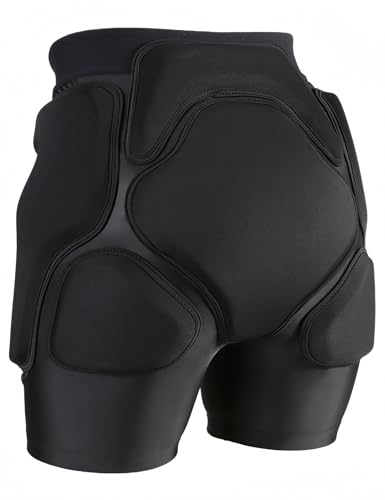
- EVA Hip Protection: Designed for high-impact sports, it uses 3 mm SBR…
- Soft and Breathable: Padded protective shorts are made of elastic Lycra…
- Free Adjustment: Padded shorts have an elastic waistband, which can…
Triple Eight Saver Series Wrist Guards – Best for Wrist Safety
Prevent common fractures with the Triple Eight Saver Series (SAV-2). These guards feature dual splints and padded palms to absorb shock during forward falls. They are lightweight and fit comfortably under gloves. This is the best option for beginners and anyone focused on mastering fall techniques safely.
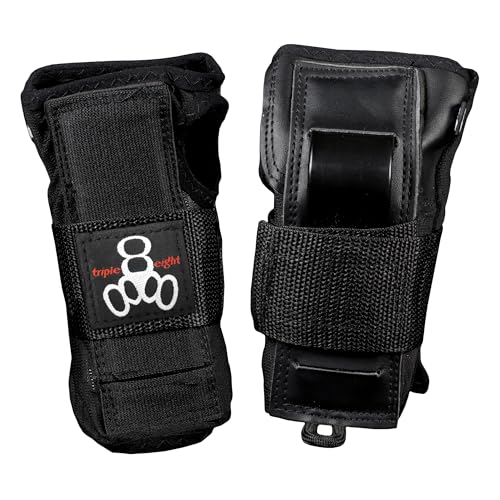
- Slide-On Design for Easy Wear: Skip the struggle with straps. Our…
- Snug, Breathable Fit: Constructed with tough 4-way stretch nylon mesh that…
- Durable Dual Splint Protection: High-density, impact-resistant molded ABS…
Crasche Sport Knee Pads – Best for Knee Protection
The Crasche Sport Knee Pads (CS-KP01) provide excellent protection for knees during falls and kneeling spins. Their gel-core padding and secure sleeve design stay in place without chafing. They are ideal for skaters with a history of knee sensitivity or those spending significant time on choreography that involves the ice.
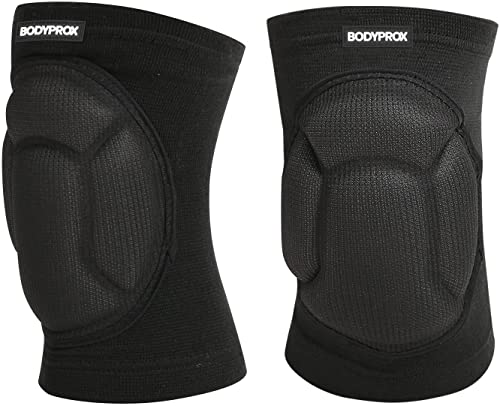
- 1 Pair Kneepads (Left and right), Unisex design, two sizes available.
- Your Safety is Our Priority-made of high-density strengthen foam, good…
- Ergonomic design, super lightweight, provides freedom of movement. An ideal…
Conclusion: Prioritizing Safety for a Lifelong Love of Figure Skating
Mastering these seven safety tips empowers you to skate with greater confidence and control. They form a comprehensive shield against common injuries, from equipment checks to smart nutrition. This proactive approach protects your body and your passion.
The key takeaway is to integrate these practices into every session. Start by implementing just one or two tips this week. Review your personalized safety plan regularly and adjust it as your skills grow.
Share these essential figure skating safety strategies with your skating friends and community. A safer environment benefits everyone on the ice. Now, lace up with confidence, knowing you are prepared.
Your journey on the ice should be defined by joy and achievement, not preventable setbacks. Stay safe, skate smart, and enjoy every moment.
Frequently Asked Questions about Figure Skating Safety
What is the most important safety tip for beginner figure skaters?
The most critical tip is learning how to fall safely. Beginners fall frequently, and bracing with hands leads to wrist injuries. Practice tucking your chin, bending your knees, and landing on your side.
Mastering this technique off-ice builds muscle memory. It prevents serious harm and builds the confidence needed to progress without fear of falling.
How often should I get my figure skates sharpened for safety?
For consistent safety and performance, sharpen blades every 20-40 hours of ice time. Dull blades slip easily, causing loss of control and dangerous falls. Very sharp blades can also catch unexpectedly.
The exact frequency depends on ice conditions, your skill level, and jumping intensity. A professional can assess your blades’ hollow and recommend a schedule.
What protective gear is absolutely essential for figure skating?
Gloves and proper, supportive skates are the non-negotiable essentials. Gloves prevent ice burn and protect hands during a fall. Well-fitted skates with good ankle support are your foundation for all other safety.
For learning jumps, crash pads (butt pads) are highly recommended. Helmets are advised for very young children or absolute beginners on the ice.
How can I prevent overuse injuries in figure skating?
Prevent overuse injuries through gradual skill progression and dedicated off-ice conditioning. Never rush to learn advanced jumps before mastering fundamentals. A strong, balanced body handles stress better.
Incorporate rest days into your training schedule and listen to persistent aches. Cross-training with strength and flexibility work is key for long-term joint health.
What should I do immediately after a hard fall on the ice?
First, stay still for a moment and assess yourself for sharp pain or dizziness. If you can move safely, slowly get up or wait for help. Apply the R.I.C.E. protocol (Rest, Ice, Compression, Elevation) once off the ice.
Do not “shake it off” and continue skating. Monitor for swelling or instability, and seek medical attention for any head impact, severe pain, or inability to bear weight.
Are there specific off-ice exercises that improve on-ice safety?
Yes, focus on exercises that build leg strength, core stability, and balance. Squats, lunges, and planks develop power for controlled landings. Single-leg balances and work on a wobble board dramatically improve proprioception.
This enhanced body awareness helps you recover from slips and maintain edges, preventing many falls before they happen. A strong core is vital for all rotational elements.
What is the best way to check if my skates are still safe to use?
Perform the monthly “squeeze test” on the ankle of your boot. If it collapses easily under pressure, it no longer provides safe support. Also check for deep rust on blades, frayed laces, and loose screws or hooks.
Visible creasing across the boot’s ankle indicates material breakdown. When in doubt, have a professional skate technician evaluate your equipment.
How does hydration affect my safety while figure skating?
Dehydration directly impairs coordination, concentration, and muscle function. This leads to slower reaction times, fatigue, and increased fall risk. Even mild dehydration can cause dizziness on spins.
Drink water consistently throughout the day, not just during your session. Proper hydration is a simple but powerful proactive safety measure often overlooked by skaters.