Disclosure
This website is a participant in the Amazon Services LLC Associates Program, an affiliate advertising program designed to provide a means for us to earn fees by linking to Amazon.com and affiliated sites.
Professional skaters rely on a select group of elite figure skate brands for performance and reliability. These trusted manufacturers provide the technical precision needed for Olympic-level jumps and spins.
Choosing the right brand is crucial for safety, skill progression, and competitive success. This decision impacts everything from edge control to injury prevention on the ice.
The Challenge: Finding Skates That Match Your Skill Level
Many skaters struggle to find boots and blades that match their evolving abilities. Using beginner skates for advanced jumps risks injury and hinders progress. Conversely, stiff professional skates can be painful and counterproductive for new skaters.
The core problem is a mismatch between a skater’s technical demands and their equipment’s capabilities. This often leads to frustration, poor technique, or even giving up the sport.
Quick Fix: A Reliable Recreational Skate
For beginners and recreational skaters, a well-made, supportive recreational skate is the perfect starting point. It provides the necessary ankle support and a quality blade to learn fundamentals safely.
A great example is the Jackson Ultima Classic 200/500 series. These skates offer excellent value and are a common recommendation from coaches for new skaters.
Jackson Ultima Classic 200/500 Ice Skates
- Features a durable vinyl boot with a soft lining for comfort.
- Includes the Mark IV blade for good edge control and stability.
- Ideal for entry-level figure skating and basic skills.

- REFER TO SIZING CHART IN IMAGES.
- Reinforced vinyl coated uppers gives strength, support and durability…
- Padded felt tongues for comfort and support
Check current price on Amazon →
For a deeper look at this popular model, read our full Jackson Ultima Classic 200/500 ice skates review.
When New Skates Alone Aren’t Enough
If you’re moving beyond basic skills, the right skate becomes more nuanced. You need to consider boot stiffness, blade profile, and specific foot shape. This is where understanding pro-level brands becomes essential.
Your journey might start with finding the most comfortable ice skates for long practice sessions. As you advance, you’ll need gear that supports complex jumps and spins.
For younger skaters who outgrow sizes quickly, an adjustable youth skate can be a smart, economical solution. The key is to match your equipment to your current and near-future skill level.
How Professional Skaters Choose Their Skate Brands
Elite skaters don’t select gear based on marketing or trends. Their choices are driven by rigorous technical requirements and personal performance needs. This process involves evaluating specific brand specializations and material innovations.
Understanding their criteria reveals what truly matters in high-level equipment. It shifts the focus from brand names to functional attributes that impact skating.
Key Factors in Pro-Level Skate Selection
Professional skaters prioritize three core elements: boot stiffness, blade quality, and custom fit. Each factor directly influences their ability to execute complex elements safely and consistently.
- Boot Stiffness & Support: The boot’s rigidity determines energy transfer for jumps. Too soft, and you lose power. Too stiff without proper strength causes pain and restricts movement.
- Blade Profile & Rocker: The blade’s curvature (rocker) affects spin stability and edge control. Pros choose profiles that match their discipline—freestyle versus figures.
- Customization & Fit: Off-the-rack is rare at the top. Most pros use heat-moldable boots or fully custom lasts to prevent blisters and ensure perfect ankle alignment.
The Role of Brand Heritage and Innovation
Trusted brands have decades of feedback from elite athletes. This heritage translates into proven designs and consistent quality control. Innovation is balanced with reliability.
For example, brands like Jackson and Riedell have specific lines developed with Olympic champions. This collaboration ensures their top-tier products meet the extreme demands of competition.
- Performance needs dictate brand choice, not the other way around.
- Fit and feel are personalized, often requiring customization.
- Brand loyalty is built on consistent quality and technical support.
Material Technology in Elite Skates
Advanced materials like carbon fiber reinforcement and moisture-wicking liners are standard. These technologies reduce weight while increasing support and durability.
Leather quality is also critical. High-grade, treated leather provides the ideal balance of structure and breakdown for a personalized fit over time.
This focus on materials explains the significant price difference between recreational and professional skates. The investment is in precision engineering.
Top 7 Figure Skate Brands for Advanced Performance
Based on pro usage and technical reputation, seven brands consistently dominate elite skating. Each excels in specific areas, from boot craftsmanship to blade engineering. Knowing their strengths helps you align brand choice with your skating goals.
These manufacturers invest heavily in R&D and sponsor top athletes. This feedback loop creates products tested at the highest level of the sport.
Jackson Ultima & Riedell: The Custom Fit Specialists
Jackson and Riedell are renowned for their extensive customization options. They offer multiple width fittings, heat-moldable technologies, and fully bespoke services. This ensures a precise, comfortable fit for any foot shape.
- Jackson Ultima: Famous for the “Mystique” and “Elite” series, they provide exceptional lateral support for freestyle jumping. Their Composite Series boots integrate lightweight, high-strength materials.
- Riedell: A heritage brand offering the “Royal” and “Crown” custom programs. They excel in traditional leather craftsmanship and are a favorite for dancers and precision skaters.
Edea and Risport: The Stiffness Innovators
These Italian brands revolutionized boot design with ultra-stiff, lightweight constructions. They prioritize energy transfer and forward flex for modern jumping techniques.
- Edea: Their unique, non-traditional construction uses a concave sole and high-tech polymers. The Piano and Concerto models are ubiquitous in elite freestyle.
- Risport: Known for the “RF” series, they offer progressive stiffness levels. Risport boots are praised for their balance of support and break-in comfort.
| Brand | Known For | Ideal For |
|---|---|---|
| Jackson Ultima | Custom Widths, Lateral Support | Freestyle Jumpers |
| Riedell | Traditional Craft, Custom Lasts | Dance & Precision |
| Edea | Lightweight, Concave Sole | Modern Technique |
| Risport | Progressive Stiffness | Skaters Needing Gradual Support |
Blade-Focused Brands: John Wilson and MK
While many brands make boots, John Wilson and MK (MK Blades) are specialists in high-performance blades. Pros often mix brands, pairing a boot from one maker with blades from another.
- John Wilson: Their “Pattern 99” and “Gold Seal” blades are legendary. They offer distinct rocker profiles and toe picks designed for specific disciplines.
- MK Blades: Known for innovation in blade steel and tempering processes. Models like the “Professional” and “Phantom” provide exceptional edge hold and durability.
The seventh brand, Graf, is highly regarded for its focus on exceptional comfort and thermoformable fit, often favored by ice dancers.
How to Transition to a Professional-Level Skate Brand
Moving from recreational to elite equipment is a significant step. It requires careful assessment of your skill level and physical readiness. A premature upgrade can hinder progress and cause injury.
This transition is about more than just buying expensive skates. It involves a strategic partnership with your coach and a professional fitter.
Signs You’re Ready for Advanced Skates
Your current skates should feel like the limiting factor, not your strength or technique. Specific skill milestones indicate a need for more supportive equipment.
- Mastering Multi-Revolution Jumps: Consistently landing clean singles and beginning double jumps.
- Advanced Spin Positions: Holding camel, sit, and layback spins with control and speed.
- Boot Breakdown: Your current boots are breaking down (ankles collapsing) within 6-12 months of regular use.
If you experience these signs, it’s time to consult an expert. A professional fitting is the most critical next step.
The Essential Professional Fitting Process
Never buy pro-level skates online without expert guidance. A proper fitting ensures the boot’s stiffness, length, and width match your foot and skill.
The process typically follows these key steps:
- Gait & Pressure Analysis: The fitter watches you walk and skate to assess weight distribution and pronation.
- Detailed Measurements: Length, width at multiple points, arch height, and ankle bone placement are meticulously recorded.
- Brand & Model Selection: Based on the analysis, the fitter recommends 2-3 specific models from suitable brands.
- Test Fitting & Simulation: You’ll try on boots, often simulating edges and knee bends to feel the support and flex points.
Managing the Break-In Period
Professional skates are stiff by design. The break-in period is crucial and must be managed carefully to avoid injury and ensure proper molding.
- Gradual Wear: Start with 15-30 minutes of light skating. Increase time slowly over 2-4 weeks.
- Off-Ice Molding: Wear the skates (with guards) at home while relaxing to accelerate the process.
- Expect Discomfort: Pressure points are common but should diminish. Persistent, sharp pain indicates a poor fit.
Always communicate with your fitter during this phase. Minor adjustments like punching out pressure points are a normal part of the process.
Maintaining Your Investment: Pro Skate Care Guide
Professional-grade skates are a significant financial investment. Proper maintenance protects that investment and ensures consistent performance. Neglect can lead to premature breakdown and unsafe conditions.
Elite skaters follow strict care routines. These habits extend the life of boots and blades by months or even years.
Daily and Weekly Boot Care Routine
Moisture is the primary enemy of leather and interior materials. Consistent drying and cleaning prevent deterioration, odor, and loss of shape.
- Dry Thoroughly After Use: Always remove insoles and use boot dryers or stuff boots with newspaper. Never store skates in a closed bag while damp.
- Clean Blades & Soles: Wipe blades dry with a soft cloth after every session to prevent rust. Brush off snow and ice from the sole to avoid water damage.
- Condition Leather Periodically: Use a high-quality leather conditioner every few months to prevent cracking. Avoid products that over-soften the boot’s critical support areas.
Professional Blade Sharpening & Maintenance
Blades lose their hollow and edges with use. A consistent sharpening schedule is non-negotiable for maintaining control and safety.
Follow this sharpening guide based on your skating frequency:
| Skating Level | Frequency | Key Sign It’s Time |
|---|---|---|
| Recreational (1-2x/week) | Every 20-30 hours | Feeling “slippery” on edges |
| Serious Amateur (3-5x/week) | Every 10-15 hours | Difficulty holding deep edges |
| Competitive/Pro (Daily) | Every 5-8 hours | Loss of “grip” and spin centering |
Always use a certified skate sharpener who understands figure skate profiles. A bad sharpening can ruin a blade permanently.
Storage and Travel Best Practices
How you store and transport skates impacts their longevity. Proper storage maintains shape and prevents accidental damage.
- Use Hard Skate Guards for Storage: Soft soakers are for blade drying only. Use rigid plastic guards to protect blades when not in use and to maintain proper blade alignment.
- Store in a Climate-Controlled Space: Avoid attics, garages, or car trunks where extreme temperatures and humidity can warp boots and promote rust.
- Invest in a Quality Skate Bag: A padded, ventilated bag with separate compartments protects your investment during travel and prevents blades from damaging the boots.
Following these care steps will maximize the performance and lifespan of your professional equipment. It turns a major purchase into a long-term asset for your skating.
Budgeting for Professional-Grade Figure Skates
Investing in elite skate brands requires significant financial planning. Understanding the full cost breakdown prevents surprises and helps you save strategically. The initial purchase price is just one part of the total investment.
Professional skates are built with premium materials and craftsmanship. This justifies their cost but demands a clear budget from the skater.
Complete Cost Breakdown: Boots, Blades, and Mounting
A full professional setup involves three separate costs. Many beginners underestimate the price of high-end blades and necessary services.
- Boots: Top-tier boots from brands like Edea or Jackson range from $800 to $1,500+. Custom options can exceed $2,000.
- Blades: Professional-level blades (e.g., John Wilson Pattern 99, MK Phantom) typically cost between $500 and $900.
- Mounting & Sharpening: Professional mounting (aligning and screwing blades to boots) costs $50-$100. An initial sharpening adds $20-$40.
The total for a complete new setup often starts around **$1,500** and can easily reach **$2,500+**.
Strategies to Manage the Investment
Few skaters pay the full amount upfront without planning. Smart strategies can make elite equipment more accessible.
- Phase Your Purchase: Buy high-quality boots first and use your current blades if compatible. Upgrade blades in 6-12 months.
- Explore Gently Used Options: Check reputable pro-shops or skating forums for used high-end skates. Ensure they have plenty of life left and fit your needs.
- Budget for Recurring Costs: Factor in annual sharpening ($150-$300/year) and potential repairs. Boots last 1-3 years at an elite level depending on use.
When to Consider a Mid-Range Alternative
Not every advancing skater needs the stiffest, most expensive model. Many brands offer excellent intermediate or “advanced recreational” lines.
These skates provide much of the performance at a lower price point. They are ideal for skaters working on single jumps and advanced spins.
Models like the Jackson Elle or Riedell 133 often serve as a perfect bridge. They offer more support than beginner skates without the extreme cost and break-in of full professional models.
Consulting with a knowledgeable fitter is key. They can recommend the best value model that matches your current technical demands and budget.
Common Myths About Professional Skate Brands Debunked
Misinformation can lead skaters to make poor or painful equipment choices. Debunking these myths is crucial for a successful upgrade. Understanding the truth saves money and prevents injury.
Many myths stem from outdated information or confusion between recreational and elite gear. Let’s clarify the most common misconceptions.
Myth 1: The Stiffer the Boot, The Better
This is a dangerous oversimplification. Excessive stiffness without the corresponding ankle and leg strength can cause injury. It also restricts the knee bend necessary for proper jumping technique.
- The Truth: Boot stiffness must be proportional to your skill and strength. A top-level boot will actively hinder a skater who isn’t ready for it, leading to poor technique and reliance on the boot for support instead of muscles.
- Pro Tip: Your coach and fitter should agree on the appropriate stiffness rating. Brands use numbered scales (e.g., 45, 65, 85) for a reason.
Myth 2: More Expensive Always Means Better for You
Price correlates with materials and technology, not necessarily with suitability. A $1,200 skate designed for quadruple jumps is wrong for a skater working on axels.
You are paying for a tool engineered for a specific job. Using a sledgehammer to hang a picture is ineffective and risky.
Myth 3: Breaking In Should Be Extremely Painful
While discomfort is normal, excruciating pain is a sign of a poor fit. Professional skates should feel securely tight and stiff, not cause blisters, numbness, or sharp pain.
- The Truth: A proper break-in involves the boot molding to your foot’s unique contours. Persistent pain points often need to be “punched out” by a fitter. Suffering through it can cause long-term foot issues.
- Action Step: Differentiate between stiffness discomfort (general tightness) and fit pain (localized, sharp pressure). Report the latter to your fitter immediately.
Myth 4: All Professional Brands Are Essentially the Same
Each top brand has a distinct philosophy, last shape, and design focus. A Riedell boot fits and flexes differently than an Edea, even at similar stiffness ratings.
This is why professional fittings are non-negotiable. Trying on multiple brands is the only way to find the one that matches your biomechanics. Brand choice is highly personal at the elite level.
Where to Buy Authentic Professional Skate Brands
Purchasing from the wrong source risks counterfeit products, improper fit, and voided warranties. Authentic professional equipment is sold through specialized channels. Knowing where to shop is as important as knowing what to buy.
These trusted retailers provide expert fitting services and guarantee genuine products. They are partners in your skating journey.
Authorized Pro Shops and Specialty Fitters
This is the gold standard for purchasing elite skates. A certified fitter in a dedicated pro shop provides an invaluable service that is part of the product’s value.
- Expert Fitting Service: The fitting process is included, ensuring the correct size, width, and stiffness. They can make on-the-spot adjustments like punching out pressure points.
- Authenticity Guarantee: You receive genuine, first-quality products directly from the manufacturer. Warranties are valid when purchased through authorized dealers.
- Ongoing Support: They handle mounting, initial sharpening, and future adjustments. This relationship is crucial for long-term skate maintenance.
To find one, check brand websites for dealer locators or ask your coach and local skating club for recommendations.
Reputable Online Retailers with Expert Support
For skaters without a local pro shop, some online retailers offer robust virtual fitting services. These are not typical e-commerce sites.
They require detailed foot measurements, skill assessments, and often video consultations. Look for retailers with:
- Detailed Fit Guides: Comprehensive measurement instructions and questionnaires.
- Live Chat/Phone Support: Access to knowledgeable staff who can answer technical questions.
- Strong Return Policies: Understanding that fit is complex and may require an exchange.
What to Avoid: Red Flags in Retailers
Recognizing warning signs can save you from a costly mistake. Steer clear of sellers who lack specific expertise in figure skating.
- No Fitting Process: They sell solely by shoe size without asking for width, arch, or skill level.
- Prices Too Good to Be True: Deep discounts on current pro models often indicate counterfeits or old, degraded stock.
- Limited Brand Selection: Only carrying one brand may indicate they are pushing inventory, not finding your best fit.
Your skates are foundational to your performance and safety. Investing in the right retailer is an investment in your success on the ice.
Best Professional Figure Skate Brands – Detailed Comparison
Choosing among top brands depends on your specific discipline and fit needs. These three models represent the pinnacle of design for different elite skating styles. Each offers proven performance at the highest competitive levels.
Edea Piano – Best for Elite Freestyle Jumpers
The Edea Piano boot is engineered for maximum energy transfer and extreme jumps. Its unique concave sole and ultra-stiff composite construction provide explosive take-off power. Paired with a blade like the MK Phantom, it’s the preferred setup for many skaters attempting triple and quadruple jumps due to its lightweight responsiveness.
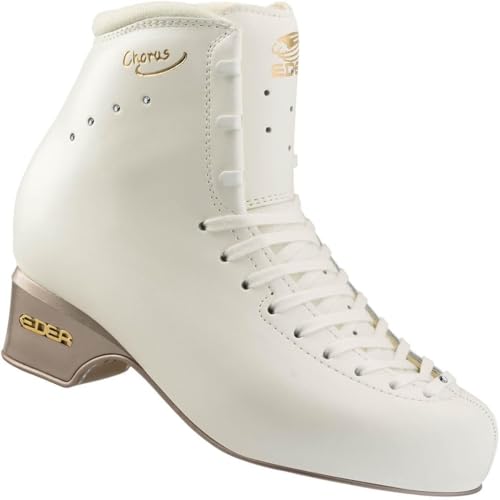
- L’Estel Skates – Edea – Ice Skating Boots Edea Chorus – Ivory – No Skates…
- COMFORT TO PERFORMANCE Memory foam supports the foot without pressure, the…
- THERMAL SUPPORT – Lightweight three-layer construction provides increased…
Nattork Figure Skates – Best for Precision & Dance
The Nattork Figure Skates offers unparalleled traditional craftsmanship and fit precision. Built on a custom last from 3D scans of your foot, it provides exceptional comfort and control for intricate footwork and deep edges. This boot is ideal for ice dancers and skaters who prioritize a flawless, glove-like fit for precision performance.
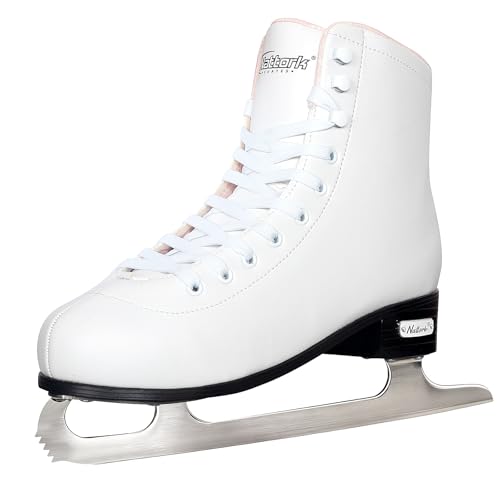
- SUPERIOR MATERIAL: COOLMAX Professional Fiber materials are extremely soft…
- STAINLESS STEEL BLADE: Nattork blades are made out of stainless steel for…
- REINFORCED ANKLE: Robust steel protection provides more control and support…
Jackson Ultima Elite 5300 – Best for Custom Width Fitting
The Jackson Elite 5300 series excels with its extensive width and volume options. Its asymmetric design provides targeted lateral support for landing multi-revolution jumps. This boot is the best option for skaters with difficult-to-fit feet who need a truly custom fit without a fully bespoke price, offering exceptional support for freestyle programs.

- PLEASE CHECK THE SIZING CHART, IT IS ATTACHED AS THE PRODUCT IMAGE
- Available in 2 versions: ST7002 – Black; ST7202 – Black / Fusion Sole
- The Softec Elite ice skates are durable and ready for the ice, offering a…
Conclusion: Choosing Your Trusted Professional Skate Brand
Selecting from the top figure skate brands is a pivotal decision for any serious skater. These trusted manufacturers provide the technical foundation for safety, progression, and peak performance. Your equipment should empower your skills, not limit them.
The key takeaway is to prioritize professional fitting and honest skill assessment. Match the boot’s capabilities to your current technical demands, not just your aspirations.
Consult with your coach and a certified fitter to make an informed choice. This partnership ensures your investment supports your journey on the ice.
With the right professional skates, you gain a reliable partner in achieving your skating goals and mastering the ice.
Frequently Asked Questions about Professional Figure Skate Brands
What is the difference between recreational and professional figure skates?
Professional skates use higher-grade materials like advanced composites and premium leather for maximum support. They feature significantly stiffer boots for energy transfer in jumps and customizable fit options. Recreational skates prioritize comfort and basic support for casual skating.
The blade systems also differ dramatically. Professional blades have specific rocker profiles and toe picks designed for advanced maneuvers, while recreational blades focus on general stability and durability for beginners.
How often should professional figure skates be sharpened?
Sharpening frequency depends entirely on skating hours and intensity. Most competitive skaters need sharpening every 5-15 hours of ice time. Signs include feeling “slippery” on edges and difficulty holding deep leans or centering spins.
Always use a certified skate technician familiar with figure skate profiles. An improper sharpening can ruin a blade’s geometry. Consistent maintenance is crucial for performance and safety at an elite level.
Which professional skate brand is best for wide feet?
Jackson Ultima is renowned for its extensive width options, offering multiple fittings beyond standard sizing. Their Elite and Supreme lines provide excellent choices for skaters with wider forefeet or high volume. Riedell also offers custom width programs through their higher-end models.
A professional fitting is non-negotiable for wide feet. Never assume your shoe size; precise measurements ensure the boot provides support without painful pressure points, which is essential for advanced skills.
How long does it take to break in professional figure skates?
The break-in period typically lasts 2-4 weeks with regular, gradual use. Start with 15-30 minute sessions and slowly increase ice time. Off-ice wear at home can help accelerate the molding process to your foot’s shape.
Expect stiffness and general discomfort, but not sharp, localized pain. Persistent pain points often need to be “punched out” by a fitter. Proper breaking in is critical for achieving the intended performance and fit.
Can I buy professional skates online, or do I need a fitting?
You should always get a professional fitting for your first pair of elite skates. The nuances of width, volume, arch placement, and stiffness require expert assessment. Online purchases are risky without knowing your exact specifications in a given brand’s last.
Some reputable online retailers offer virtual fitting consultations. However, nothing replaces an in-person fitting with an experienced technician who can watch you stand and simulate movements in the boot.
What is the average lifespan of professional figure skates?
For a competitive skater training daily, boots typically last 6-18 months before losing supportive stiffness. Blades can last several years with proper care and regular sharpening, though the toe pick will eventually wear down from take-offs.
Lifespan varies based on skater weight, jump intensity, and maintenance. Signs of replacement include collapsing ankle support, loss of stiffness, and visible breakdown in the boot’s structure, which compromises safety.
Why are some professional skate brands so much more expensive?
The cost reflects premium materials like aerospace-grade composites, hand-lasted construction, and extensive research & development. Customization options and sponsorship of elite athletes for product testing also contribute to the price. You’re paying for precision engineering, not just a brand name.
Consider the cost-per-use over the skate’s lifespan. A $1,500 setup used 500 hours costs $3 per hour for critical performance and safety equipment, representing significant value for serious skaters.
How do I know when I’m ready to upgrade to professional skates?
Key indicators include consistently landing single jumps and beginning doubles, mastering advanced spins, and your current boots breaking down quickly. Most importantly, your coach should recommend the upgrade based on your technical progress and strength.
Upgrading prematurely can hinder development and cause injury. The right time is when your skills are limited by your equipment’s support, not your own ability or strength on the ice.