Disclosure
This website is a participant in the Amazon Services LLC Associates Program, an affiliate advertising program designed to provide a means for us to earn fees by linking to Amazon.com and affiliated sites.
Properly cleaning and drying your figure skates after every use is essential for performance and longevity. Neglecting this routine leads to rust, blade damage, and premature boot breakdown.
This complete maintenance guide provides proven methods to protect your investment. You will learn to prevent corrosion, maintain sharp edges, and keep your boots supportive.
The Hidden Dangers of Wet Skates: More Than Just Rust
Many skaters think a quick wipe-down is enough. This is a costly mistake. Leaving moisture on your blades and boots causes immediate and long-term damage.
Blades rust quickly, destroying their sharp edges and compromising your grip on the ice. Wet leather boots lose their shape and structural support, leading to a dangerous, sloppy fit. This accelerates wear and can cause painful blisters or injuries.
Your Essential First Line of Defense: Blade Guards
After stepping off the ice, your first move is critical. Always use soft, absorbent terry cloth blade guards, not hard plastic walker guards. These soak up moisture while you remove your skates.
For a reliable and affordable option, consider the Jackson Ultima Supreme Terry Cloth Blade Covers.
- Made from super-absorbent terry cloth to wick away moisture.
- Durable construction with a reinforced toe for long-lasting use.
- Protects blades from nicks and scratches during transport.
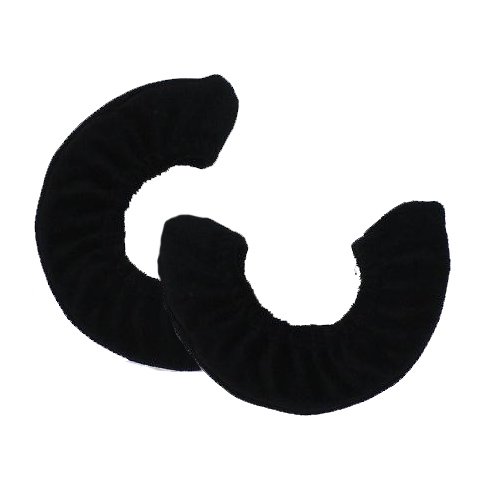
- These terry cloth blade covers used to protect your blades while stored in…
- Sold by the pair.
- Medium fits 1 to 5.
Check current price on Amazon →
When Proper Drying Isn’t Enough: Addressing Core Issues
If your skates are constantly soaked or you struggle with cold, wet feet, the problem may be deeper. Persistent moisture can indicate ill-fitting skates or inadequate insulation.
In these cases, proper maintenance must be paired with the right equipment. Consider exploring our guide to the most warm and comfortable ice skates for solutions. For skaters needing a performance-focused fit, our in-depth review of Riedell Soar skates analyzes a popular model known for its supportive design.
Ultimately, finding the perfect pair starts with good research. Our comprehensive buyer’s guide for women’s ice skates is an excellent resource to begin your search.
Step-by-Step Guide to Drying Your Figure Skates Properly
Effective drying is a systematic process. Rushing it invites mold and structural damage. Follow this proven method to ensure every part of your skate dries completely and safely.
This routine protects your blades from corrosion and your boots from breaking down. It extends the life of your equipment significantly. Consistency is the key to maintaining peak performance.
Immediate Post-Skate Actions (The First 5 Minutes)
What you do right after skating sets the stage. Start by wiping down your entire skate with a dry, soft microfiber cloth. Pay special attention to the blade holder and the sole.
Next, remove the laces and the footbed (if possible). This exposes hidden moisture pockets. Place the laces and footbed aside to dry separately.
- Blade Care: Thoroughly dry the entire blade, including the toe pick and the runner’s edges.
- Boot Exterior: Wipe away all snow, ice, and water droplets from the leather or synthetic material.
- Interior Focus: Gently blot the inside lining with a cloth to absorb sweat and moisture.
The Correct Air-Drying Setup
Never place skates near direct heat sources like radiators or hair dryers. Intense heat cracks leather and weakens adhesives. Instead, create a cool, dry airflow environment.
Use a dedicated skate dryer or create a simple DIY system. The goal is to circulate air through the boot’s interior. This prevents mildew and odor buildup.
| Drying Method | Pros | Cons |
|---|---|---|
| Commercial Skate Dryer | Fast, efficient, hands-free. Uses gentle, forced air. | Requires an additional purchase. |
| DIY Fan & Newspaper | Very low cost. Newspaper absorbs moisture effectively. | Slower process. Requires monitoring. |
| Air Dry at Room Temp | Zero cost. Safest for materials. | Very slow (24-48 hours). Risk of incomplete drying. |
For the DIY method, loosely stuff boots with crumpled newspaper. Replace the paper every few hours as it becomes damp. Point a fan at the skates from a few feet away to aid circulation.
How to Clean Figure Skate Blades and Boots Safely
Regular cleaning prevents permanent damage and maintains your skates’ appearance. Different materials require specific care techniques. Using the wrong cleaner can do more harm than good.
This section covers safe methods for both blades and boots. You will learn which products to use and which to avoid. Protect your investment with these simple cleaning routines.
Cleaning and Protecting Your Skate Blades
Blade maintenance focuses on preventing rust and preserving sharp edges. Start by ensuring the blade is completely dry from your post-skate wipe-down. Any remaining moisture is the enemy.
Use a dedicated blade cleaner or a high-percentage isopropyl alcohol (90% or higher) on a soft cloth. Gently wipe down the entire blade, including the stanchions and screws. This removes any residual ice melt or rink chemicals.
- Wipe: Apply cleaner to a cloth, not directly on the blade, to avoid drips.
- Polish: Use a dry part of the cloth to buff the blade to a light shine.
- Protect: Apply a thin coat of blade oil or a rust inhibitor for long-term storage.
Deep Cleaning Leather and Synthetic Boots
Boot cleaning varies by material. For genuine leather boots, use a product designed for premium leather. Synthetic materials require milder, non-abrasive cleaners.
Test any cleaner on a small, inconspicuous area first. Apply the cleaner to a cloth and gently work in circular motions. Focus on scuff marks and salt stains from the ice.
- For Leather: Use a leather cleaner followed by a conditioner to prevent drying and cracking.
- For Synthetic: A mild soap (like dish soap) diluted in water works well. Avoid harsh chemicals.
- For All Boots: Never submerge them in water. This breaks down adhesives and compromises structure.
After cleaning, let the boots air dry naturally at room temperature. Once dry, you can apply a waterproofing spray suitable for the material to add a protective layer for future sessions.
Best Practices for Figure Skate Storage and Long-Term Care
How you store your skates between uses is just as important as how you dry them. Improper storage can undo all your careful maintenance. It leads to dull blades, misshapen boots, and unpleasant odors.
Implementing a proper storage routine ensures your skates are always performance-ready. It also maximizes their lifespan, protecting your significant investment. Follow these guidelines for both short-term and seasonal storage.
Creating the Ideal Storage Environment
Your storage location must be cool, dry, and well-ventilated. Avoid damp basements, hot attics, or the trunk of your car. Extreme temperatures and humidity are your skates’ worst enemies.
Always store skates unlaced and with the tongue pulled forward. This allows the boot interior to breathe fully. It also helps the boot maintain its proper shape over time.
- Use a Breathable Bag: Store skates in a mesh or canvas bag, never a sealed plastic one.
- Keep Guards Off: Only use hard plastic guards for walking. Never store blades in them, as they trap moisture.
- Employ Silica Gel: Place a packet of silica gel desiccant in each boot to absorb ambient moisture.
Preparing Skates for Off-Season Storage
If you won’t be skating for several months, extra preparation is crucial. The goal is to prevent rust and material degradation during extended inactivity.
Start with a thorough cleaning and complete drying as outlined in previous sections. This is non-negotiable. Any residual moisture will cause damage over weeks or months.
| Storage Step | Action | Reason |
|---|---|---|
| 1. Blade Protection | Apply a heavier coat of blade oil or rust inhibitor. | Creates a long-lasting barrier against atmospheric humidity. |
| 2. Boot Support | Stuff boots with acid-free tissue paper or dry towels. | Prevents the boot from collapsing and maintains its form. |
| 3. Final Prep | Place skates in their original box or a breathable container in a closet. | Protects from dust and physical damage while allowing air circulation. |
Check on your stored skates periodically. Ensure the storage area remains dry and that no musty odors develop, which would indicate a moisture problem.
Common Figure Skate Maintenance Mistakes to Avoid
Even with good intentions, skaters often make errors that shorten their equipment’s life. Recognizing these pitfalls is the first step toward better care. Avoiding them saves money and ensures consistent performance on the ice.
This section highlights the most frequent missteps in skate maintenance. Learn what not to do to protect your blades and boots from preventable damage. Small changes in your routine yield significant long-term benefits.
Blade Care Blunders That Cause Rust
Blade mistakes are often irreversible and costly. The most common error is using hard plastic guards for storage. These guards trap moisture against the steel, creating a perfect rust incubator.
Another major mistake is neglecting the blade’s entire surface. Focus only on the bottom edge leaves the stanchions, screws, and toe pick vulnerable. Rink ice melt chemicals are highly corrosive and accelerate rust.
- Storing in Hard Guards: Only use them for walking. Immediately swap for terry cloth or let blades air dry.
- Using Abrasive Materials: Never use steel wool or harsh scouring pads. They scratch the protective coating.
- Ignoring Screws & Mounts: Check and tighten blade mounting screws periodically to prevent loosening.
Boot Maintenance Errors That Lead to Breakdown
Boot damage often stems from improper drying and cleaning methods. Applying direct heat is a primary culprit. It dries out leather, causing it to crack and become brittle.
Using generic household cleaners can also degrade materials. Harsh chemicals strip natural oils from leather and break down synthetic fabrics. This leads to premature wear and color fading.
| Mistake | Consequence | Correct Alternative |
|---|---|---|
| Drying on a heater/radiator | Cracked leather, warped soles, weakened glue. | Air dry at room temperature with good airflow. |
| Using wax or polish on boots | Clogs leather pores, prevents breathability. | Use conditioner for leather or a protectant spray for synthetics. |
| Storing while tightly laced | Compresses boot material, causes permanent creasing. | Always store skates fully unlaced with tongue pulled out. |
By sidestepping these common errors, you actively extend the functional life of your skates. Consistent, correct care is the most cost-effective equipment strategy.
Essential Tools and Products for Skate Maintenance
Having the right tools makes proper skate care simple and effective. A small, dedicated kit saves time and ensures you never skip a crucial step. Investing in quality maintenance products protects your larger investment in the skates themselves.
This section outlines the must-have items for a complete care routine. From basic drying aids to specialized cleaners, these tools will extend your equipment’s life. Build your kit gradually, starting with the most critical items.
The Core Drying and Protection Kit
These items address the immediate post-skate priority: moisture removal. They are non-negotiable for preventing rust and mildew. Every skater should have these basics.
- Super-Absorbent Terry Cloth Guards: For immediate moisture wicking after you step off the ice. Far superior to hard guards for drying.
- Microfiber Cloths (Multiple): Use one for blades and a separate one for boots. They are lint-free and highly effective.
- Blade Oil or Rust Inhibitor: A light coating protects steel from humidity. Look for a non-greasy, quick-drying formula.
- Silica Gel Packs: Toss these in your skate bag and boots to absorb ambient moisture during storage.
Cleaning and Conditioning Supplies
These products are used less frequently but are vital for deep cleaning and material preservation. Match the product to your skate’s specific materials for safe, effective care.
| Product Type | Best For | Key Benefit |
|---|---|---|
| 90%+ Isopropyl Alcohol | Blade cleaning & disinfecting | Evaporates quickly, leaves no residue, kills bacteria. |
| Leather Cleaner & Conditioner | Genuine leather boots | Cleans scuffs and nourishes leather to prevent cracking. |
| Mild Soap (e.g., Dish Soap) | Synthetic boots & laces | Gentle, effective degreaser for man-made materials. |
| Waterproofing Spray | All boot exteriors | Creates a protective barrier against water and stains. |
For a hands-free drying solution, a commercial skate dryer is an excellent upgrade. It uses gentle, forced air to dry boots and blades thoroughly in just a few hours, eliminating guesswork.
Advanced Tips for Extending Your Skates’ Lifespan
Beyond basic drying and cleaning, advanced care techniques can significantly prolong your skates’ performance life. These proactive habits address wear before it becomes damage. They are especially valuable for serious skaters and those with high-end equipment.
Implementing these strategies requires minimal extra time but offers maximum payoff. You’ll enjoy better support, sharper blades, and more consistent ice feel. Think of it as preventative medicine for your skates.
Proactive Blade Maintenance and Sharpening
Don’t wait for obvious rust or dullness to address blade health. Establish a regular inspection routine. Look for minor nicks in the edges and early signs of corrosion around screws.
Keep a small honing stone or gummy stone in your kit. Use it to gently remove tiny burrs from the edges after skating sessions. This maintains a smoother edge between professional sharpenings.
- Monitor Sharpening Cycles: Note the date of each sharpening. Most skaters need one every 20-40 hours of ice time, depending on skill level.
- Rotate Your Blades: If you have a second pair, rotating them allows each to fully dry and rest, reducing metal fatigue.
- Check Mounting: Periodically ensure all blade screws are snug. Loose screws can cause uneven wear and dangerous instability.
Boot Structure and Fit Preservation
The boot’s structural integrity is paramount for safety and performance. Focus on preserving its original shape and fit. Once a boot breaks down, it cannot be fully restored.
Pay close attention to the ankle area and the heel counter. These are the first places to break down. If you feel the boot starting to soften excessively, consult a skate technician about possible reinforcement.
| Area of Focus | Preservation Tactic | Expected Outcome |
|---|---|---|
| Boot Interior | Use boot dryers or newspaper after EVERY use without fail. | Prevents lining breakdown, odor, and material compression. |
| Exterior Leather/Synthetic | Condition leather 2-3 times per season; clean synthetics monthly. | Maintains water resistance, flexibility, and appearance. |
| Laces and Hooks/Eyelets | Replace laces at first sign of fraying. Clean hooks with a soft brush. | Ensures consistent, secure lacing and prevents sudden breakage. |
Finally, listen to your skates and your feet. New, persistent pain or a feeling of “slop” in the fit often signals internal breakdown. Addressing it early can sometimes allow for repair before replacement is necessary.
Troubleshooting Common Figure Skate Problems
Even with excellent care, skates can develop issues over time. Knowing how to diagnose and address common problems is a valuable skill. Quick action can often save a skate from permanent damage or restore its performance.
This troubleshooting guide covers the most frequent complaints from skaters. Learn to identify the cause and apply the correct fix. You’ll know when a problem is a simple DIY fix and when to seek professional help.
Addressing Persistent Moisture and Odor Issues
If your skates never seem fully dry or develop a strong smell, your drying routine is insufficient. Odor is caused by bacteria growing in damp lining material. This requires a deep-clean approach.
First, ensure you are removing the footbeds and laces every time. Then, use a boot disinfectant spray designed for sports equipment after drying. For a natural solution, lightly sprinkle baking soda inside, let it sit overnight, and vacuum it out.
- Problem: Always Damp → Solution: Extend drying time with a fan, and check that your storage area isn’t humid.
- Problem: Mildew/Musty Smell → Solution: Wipe interior with a cloth dampened with white vinegar (diluted 50/50 with water), then dry thoroughly.
- Problem: Sweat-Soaked Liners → Solution: Wear moisture-wicking skate socks and consider absorbent boot inserts.
Fixing Rust and Boot Damage
Surface rust on blades and minor boot damage can often be remedied. The key is to act immediately before the problem worsens and becomes irreversible.
| Symptom | Likely Cause | Recommended Action |
|---|---|---|
| Light surface rust on blade | Incomplete drying; storage in hard guards. | Gently rub with a rust eraser or fine-grade (0000) steel wool with oil. Re-oil after. |
| Deep pitting or heavy rust | Long-term neglect or exposure to chemicals. | Take to a pro sharpener. They may be able to grind it out if not too deep. |
| Boot leather is stiff & cracked | Lack of conditioning; dried out from heat. | Clean thoroughly, then apply multiple light coats of leather conditioner. |
| Boot is breaking down (ankle) | Normal wear over time; lack of support. | A skate tech can often add external or internal patches for reinforcement. |
For separating soles or loose blade mounts, do not attempt glue repairs yourself. The wrong adhesive can ruin the boot. This is always a job for a professional with the correct epoxy and clamps.
Best Products for Figure Skate Maintenance – Detailed Comparison
Investing in the right maintenance tools makes caring for your skates effortless. These three highly-rated products address the core needs of drying, cleaning, and protection. Each one solves a specific problem to keep your equipment in competition-ready condition.
DryGuy DX Skate Dryer – Best Overall Drying Solution
The DryGuy DX is a dedicated forced-air dryer that gently circulates warm air through boots and gloves. It dries equipment 10x faster than air drying, eliminating moisture that causes rust and mildew. Its adjustable arms fit all skate sizes perfectly, making it ideal for daily use.

- SAFE & EFFECTIVE DRYING – Safe to use on nearly any type of material, the…
- QUICK DRY PROCESS – Central forced-air blower circulates air evenly…
- NO DISRUPTIVE NOISE – Whisper-quiet rotary blower operates silently to…
Terry Cloth Blade Covers – Best for Immediate Moisture Control
These super-absorbent terry cloth covers are the first line of defense against rust. Slip them on immediately after skating to wick away blade moisture while you change. They protect blades from nicks better than hard plastic guards and are essential for any skater’s bag.
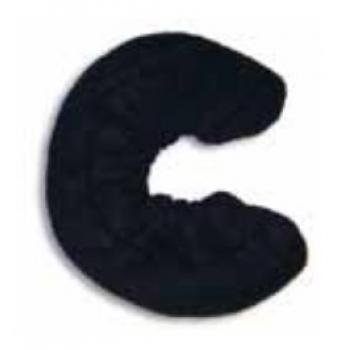
- These terry cloth blade covers used to protect your blades while stored in…
- Sold by the pair.
- Small fits up to child 13.
SONIC Citrus Skate Bearing Cleaner – Best for Blade Protection
This two-in-one formula cleans rink chemicals and light rust while leaving a protective coating. It evaporates quickly without residue, preventing new rust from forming. Regular use maintains a pristine blade edge and shine, extending time between professional sharpenings.

- 100% CITRUS POWER + 0% WATER: Cleans & conditions bearings with orange…
- EARTH + HUMAN FRIENDLY: Low in Volatile Organic Compounds (VOC…
- UNIVERSAL: Refill for the Sonic Turbo Wash & other bearing cleaning systems…
Conclusion: Mastering Your Figure Skate Maintenance Routine
Consistently cleaning and drying your figure skates is the most effective way to protect your investment. It prevents rust, preserves boot structure, and ensures reliable performance on the ice. A simple, post-skate routine makes all the difference.
The key takeaway is to never store damp skates. Always allow for complete air drying before packing them away. Equip yourself with terry cloth guards, microfiber cloths, and blade oil for a complete kit.
Start implementing these steps after your very next session. Your skates will last longer, perform better, and keep you safer. Share this guide with your skating friends to help them protect their gear too.
With this knowledge, you can skate with confidence, knowing your equipment is always ready.
Frequently Asked Questions about Cleaning and Drying Figure Skates
How often should I clean my figure skate blades?
You should wipe down your blades with a dry cloth after every single use. This removes moisture and rink chemicals. For a deeper clean with alcohol or blade cleaner, aim for once a week with regular skating.
Frequent light cleaning prevents the buildup of corrosive residues. It is far easier than removing established rust. Always ensure blades are completely dry before applying any protective oil.
What is the best way to dry figure skates quickly?
The fastest and safest method is using a forced-air skate dryer. It circulates gentle, warm air through the boot interior. This can dry skates thoroughly in 2-3 hours without damaging materials.
For a DIY quick dry, stuff boots with newspaper and point a fan at them. Replace the damp newspaper every hour. Never use direct heat from a radiator or hair dryer, as it cracks leather.
Can I use WD-40 on my skate blades?
No, you should not use WD-40 on skate blades. It is a degreaser and penetrant, not a long-term protectant. It can leave a gummy residue that attracts dirt and may damage boot materials on contact.
Instead, use a product specifically designed for skate blades, like a light machine oil or a dedicated blade oil. These create a proper protective barrier against rust without harmful residues.
Why do my skates smell bad even after drying?
Persistent odor is caused by bacteria growing in the damp lining. This usually means the interior is not drying completely. Moisture gets trapped in the padding and under the insole.
To fix it, always remove the footbeds and laces to dry separately. Use a boot disinfectant spray or a baking soda treatment. Ensure you are using a drying method that circulates air inside the boot.
What should I use to clean white figure skate boots?
For white leather boots, use a gentle leather cleaner and a soft cloth. Test any cleaner on a small, hidden area first. For scuff marks, a specialized white leather eraser can be very effective.
For synthetic white boots, a mix of mild dish soap and warm water works well. Avoid harsh chemicals or abrasive pads that can discolor or scratch the material. Always follow with a thorough rinse of the cloth and a clean water wipe.
How do I store figure skates for the summer off-season?
Prepare skates for long-term storage with a deep clean and absolute, complete drying. Apply a heavier coat of blade oil and stuff the boots with acid-free tissue paper to maintain shape.
Store them in a breathable bag or their original box in a cool, dry place like a closet. Avoid attics, basements, or garages where temperature and humidity fluctuate. Check on them once mid-season.
Is it okay to leave skate guards on overnight?
You should never leave hard plastic “walker” guards on overnight. They trap moisture directly against the blade, guaranteeing rust. Only use them for walking from the ice to your bench.
You can leave soft, absorbent terry cloth guards on for a short period post-skate. However, for optimal drying, remove all guards and let the blades be exposed to air in your drying setup.
What does it mean if my blades are turning brown?
Brown or orange spots on your blades indicate rust. This is caused by prolonged exposure to moisture. It often starts along the edges or near the toe pick where water collects.
Address light surface rust immediately with a rust eraser or fine steel wool and oil. Deep pitting requires professional attention from a skate sharpener. Prevent it by perfecting your drying routine.