Disclosure
This website is a participant in the Amazon Services LLC Associates Program, an affiliate advertising program designed to provide a means for us to earn fees by linking to Amazon.com and affiliated sites.
Proper storage is the single most important factor in extending your figure skates’ lifespan. Incorrect methods can ruin blades and break down boots prematurely. This complete guide reveals the proven methods.
Learning how to store figure skates correctly protects your investment and maintains peak performance. It prevents rust, preserves boot structure, and keeps edges sharp. You will avoid costly repairs and replacements.
The Hidden Enemies of Your Figure Skates
Storing skates incorrectly creates three silent killers: moisture, pressure, and temperature extremes. Moisture from sweat or melted ice causes rust on blades and weakens boot materials. Pressure from improper stacking deforms the boot’s crucial ankle support.
These factors work together to shorten your skates’ life dramatically. A rusted blade loses its sharp edge and can become permanently pitted. A misshapen boot loses its support, increasing injury risk and ruining your technique.
Your First Line of Defense: Blade Guards & Soakers
Immediately after skating, you must address blade moisture. Hard plastic guards are for walking only, not storage. For proper drying and protection, use absorbent blade soakers.
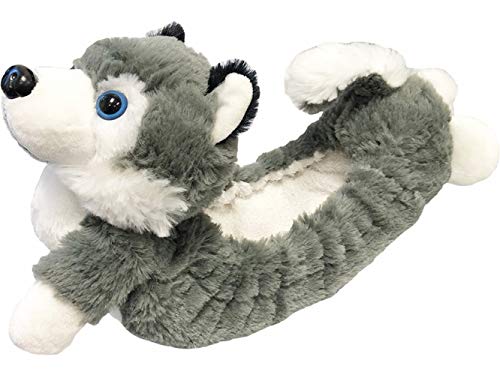
We recommend the ChloeNoel Husky Soaker Soft Blade Covers. They are a simple, effective tool every skater needs.
- Microfiber Absorption: Pulls moisture away from the blade steel to prevent rust.
- Soft, Protective Lining: Safeguards the sharp edges from nicks and your gear bag from cuts.
- Secure Fit: Elasticized ends keep them in place during transport.
- Soaker Soft Blade Cover
Check current price on Amazon →
When Proper Storage Isn’t Your Only Concern
Sometimes, storage issues are compounded by starting with the wrong skates. Ill-fitting or poor-quality skates break down faster, no matter how well you store them.
If your boots are losing shape quickly, you may need a more supportive model. Explore our guide to the best figure skates for beginners to find a proper foundation.
For those prioritizing comfort without sacrificing care, our review of Jackson Ultima’s popular soft boot model is essential reading. Also, see our list of the best ice skates for warmth and comfort for materials that are easier to maintain.
The Essential Post-Skate Drying Protocol
Your storage routine begins the moment you step off the ice. Properly drying your figure skates prevents rust and material breakdown. This protocol is non-negotiable for extending skate life.
Step-by-Step Drying Process
Follow this sequence immediately after every skating session. Consistency is key to preventing long-term damage.
- Wipe Blades Dry: Use a soft, absorbent towel to thoroughly dry both blades. Pay special attention to the crevices near the toe pick and the blade holder.
- Remove Boot Insoles: Take out any removable footbeds or liners. This allows air to circulate inside the boot, drying sweat from the inside out.
- Use Absorbent Soakers: Place soft, microfiber blade soakers on the blades. Never use hard plastic guards for drying; they trap moisture and cause rust.
- Air Dry Naturally: Leave skates in a well-ventilated area at room temperature. Avoid direct heat sources like radiators, which can warp leather and glue.
Common Drying Mistakes to Avoid
Many skaters unknowingly shorten their equipment’s lifespan with these errors. Recognizing them is the first step to better care.
- Using Hard Guards for Storage: Plastic blade guards create a sealed, moist environment perfect for rust formation. Reserve them for walking to and from the ice only.
- Storing in a Closed Bag: Tossing damp skates into a gym bag guarantees mildew and accelerated breakdown of interior materials.
- Applying Direct Heat: Blow dryers, heaters, or sunny windowsills can cause leather to crack, stiffen, or shrink, ruining the boot’s fit and support.
Mastering this drying ritual is the foundation of proper figure skate storage. Once completely dry, your skates are ready for their long-term storage environment.
Choosing the Right Long-Term Storage Location
Where you store your dry figure skates is just as critical as how you dry them. The ideal environment protects against the main threats to their structure. Let’s evaluate common storage spots.
Ideal Storage Conditions Explained
Your skates need a stable, controlled environment to last for seasons. Aim for these specific conditions to preserve boot leather and blade steel.
- Cool & Dry: A consistent, moderate temperature with low humidity is perfect. Basements can be damp, and attics experience extreme temperature swings.
- Dark: Prolonged direct sunlight can fade boot colors and degrade materials over time. A closet or under-bed storage is ideal.
- Upright Position: Always store skates standing on their soles. Laying them down or stacking them can warp the boot’s ankle support and shape.
Storage Location Comparison
| Location | Pros | Cons & Risks |
|---|---|---|
| Closet (Interior) | Stable temperature, dark, dry. Easy to store upright. | Ensure good air circulation. Avoid cramming skates in the back. |
| Under the Bed | Dark, stable, out of the way. Often in a climate-controlled room. | Can be dusty. Use a breathable storage bag for protection. |
| Garage or Shed | Ample space, out of living areas. | High risk: Temperature/humidity extremes, pests, and chemical fumes from cars or lawn equipment. |
| Equipment Bag | Portable and convenient for transport. | Never for long-term storage. Traps residual moisture and lacks structural support. |
By selecting a stable storage location, you prevent environmental stress on your skates. The next step is preparing them with the right accessories before tucking them away.
Preparing Skates for Off-Season or Extended Storage
When storing figure skates for months—like during the off-season—a more thorough preparation is required. This deep-preparation routine prevents deterioration during long periods of inactivity. It safeguards both the boots and the blades from silent damage.
Deep Cleaning and Conditioning
Before long-term storage, give your skates a detailed cleaning. This removes corrosive salts from sweat and ice melt that can degrade materials over time.
- Clean Exterior Boots: Use a damp cloth with a mild leather or synthetic cleaner suitable for your boot material. Never soak the boots.
- Condition Leather Boots: After cleaning and drying, apply a thin layer of leather conditioner. This prevents the leather from drying out, cracking, and stiffening.
- Disinfect the Interior: Use a boot dryer or spray designed to eliminate odor-causing bacteria. Ensure the interior is completely dry before moving to the next step.
Blade Protection and Boot Support
Protecting the metal blades and maintaining boot shape are the two pillars of long-term storage. Neglecting either leads to expensive consequences.
- Apply a Light Coat of Oil: After a final wipe-down, apply a very light coat of mineral oil or specialized blade oil to the steel. This creates a protective barrier against humidity and rust.
- Use Boot Shapers/Stuffing: Insert boot shapers, crumpled acid-free paper, or dry towels into the toe box and ankle. This maintains the boot’s original shape and prevents creasing.
- Choose the Right Cover: Store skates in a breathable fabric bag, not plastic. Plastic traps moisture; breathable fabric allows air circulation while keeping dust off.
Following this extended storage protocol preserves your investment. Your skates will retain their fit, support, and sharpness, saving you money on premature replacements or major repairs.
Essential Figure Skate Storage Accessories
The right accessories are not optional; they are critical tools for preserving your skates. Investing in a few key items prevents costly damage and simplifies your routine. Here’s what every skater should have in their care kit.
Must-Have Protective Gear
These items address the primary threats of moisture, blade damage, and boot deformation. They are your first line of defense after every session.
- Microfiber Blade Soakers: Absorb residual moisture and protect sharp edges. Always use these instead of hard guards for storage.
- Boot Shapers or Stuffing: Maintain the boot’s anatomical shape during storage. Prevents the ankle from collapsing and the toe box from creasing.
- Breathable Storage Bag: A fabric bag allows air circulation while keeping dust off your skates. Avoid non-breathable plastic at all costs.
- Silica Gel Packs: Toss a few desiccant packets into your storage bag or boots. They passively absorb ambient humidity.
Maintenance Tools for Longevity
Beyond protection, regular maintenance keeps skates in peak condition. These tools help you perform essential upkeep between sharpenings.
| Tool | Primary Purpose | Storage Benefit |
|---|---|---|
| Soft, Absorbent Cloth | Drying blades and wiping down boots. | Ensures skates are bone-dry before storage, preventing rust and mildew. |
| Blade Oil or Rust Inhibitor | Applying a thin protective coat to steel. | Creates a barrier against humidity during long-term storage, especially in off-seasons. |
| Leather Conditioner (for leather boots) | Moisturizing and preserving boot material. | Prevents leather from drying out, cracking, and becoming brittle while in storage. |
Equipping yourself with these accessories transforms skate storage from a chore into a simple, effective habit. This proactive approach is far cheaper than replacing ruined equipment.
Common Figure Skate Storage Mistakes and How to Fix Them
Even with good intentions, skaters often make critical storage errors that shorten equipment life. Recognizing these common pitfalls is the first step to correcting them. Let’s diagnose the problems and implement immediate solutions.
Mistake 1: The “Bag and Forget” Method
This is the most damaging routine. Tossing damp skates into a closed bag creates a perfect storm for deterioration.
- The Problem: Trapped moisture causes rapid blade rust, mildew growth inside boots, and breakdown of glue and stitching.
- The Immediate Fix: Always dry skates completely before they go near a bag. Make air-drying for 24 hours a non-negotiable rule.
- The Long-Term Solution: Use your gear bag only for transport. Designate a shelf or closet space at home for permanent, upright storage.
Mistake 2: Improper Blade Guard Usage
Using the wrong type of guard, or using them at the wrong time, is a major culprit behind rusty blades.
| Scenario | Why It’s Wrong | Correct Practice |
|---|---|---|
| Leaving hard plastic guards on after skating. | Seals moisture against the steel, guaranteeing rust spots and pitting. | Use hard guards ONLY for walking. Immediately swap to absorbent soakers for drying/storage. |
| Storing skates with no blade protection. | Exposes sharp edges to nicks and the steel to ambient humidity. | Always use soft soakers for storage. For long-term storage, add a light coat of oil first. |
Mistake 3: Neglecting Boot Structure
Allowing boots to slump or flatten during storage destroys their supportive properties and fit.
The Fix: Always store skates upright on their soles. For long-term storage, insert boot shapers or stuffing to maintain shape. Never stack heavy items on top of them.
By auditing your current habits against these common mistakes, you can instantly improve your skate storage protocol. Correcting these errors will yield noticeable results in your equipment’s longevity and performance.
Special Considerations for Different Skate Types
Not all figure skates are created equal, and their storage needs can vary slightly. The materials and construction of your specific skates demand tailored attention. Understanding these nuances ensures optimal care for your investment.
Leather Boots vs. Synthetic Boots
The boot material dictates your conditioning routine and humidity sensitivity. A one-size-fits-all approach can damage expensive leather.
- Genuine Leather Boots: Require periodic conditioning with a quality leather product to prevent drying and cracking. They are more breathable but also more susceptible to extreme humidity changes. Store with extra care for shape.
- Synthetic/Artificial Leather Boots: More resistant to moisture and mildew. Do not require conditioning oils. Focus on keeping them clean and dry, as they can be less breathable, trapping sweat inside.
Beginner/Recreational vs. Advanced Skates
The level of support and construction impacts how diligently you must protect their form.
| Skate Type | Storage Priority | Key Action |
|---|---|---|
| Beginner/Recreational (Softer boots, often synthetic) | Preventing moisture damage and general shape collapse. | Use boot shapers consistently. Ensure thorough drying as softer materials can hold sweat. |
| Advanced/Competition (Stiff leather boots, custom fit) | Preserving the precise, stiff ankle support and custom mold. | Never store lying down. Always upright with premium shapers. Condition leather regularly. |
Storage for Adjustable Youth Skates
Skates designed to grow with a child have unique moving parts that need protection.
Before storage, extend the skate to its largest size. This prevents the adjustment components from becoming stuck in a compressed position. Always follow the specific care instructions provided by the brand.
By adapting your storage strategy to your skate’s specific type, you address its unique vulnerabilities. This tailored care is the final step in a comprehensive preservation plan.
Seasonal Storage Checklist and Maintenance Schedule
Consistency is the key to maximizing your figure skates’ lifespan. This actionable checklist and schedule turn expert advice into simple, repeatable habits. Follow it to ensure no critical step is forgotten.
After Every Skate Session (Daily/Weekly Routine)
This quick 5-minute routine prevents immediate damage and sets the stage for long-term health.
- Dry Blades Thoroughly: Wipe with a soft cloth immediately after leaving the ice.
- Swap to Soakers: Remove hard guards and place on absorbent microfiber blade soakers.
- Remove Insoles: Take out footbeds to air out the boot interior.
- Air Dry Upright: Let skates dry at room temperature for at least 24 hours before bagging.
- Store Properly: Place completely dry skates upright in a breathable bag in your closet.
Monthly Deep-Care Check
Once a month, perform this brief inspection and maintenance. It catches small issues before they become big problems.
- Inspect Blades: Check for any signs of surface rust, nicks, or burrs on the edges.
- Check Boot Condition: Look for new creases, cracks in leather, or separated stitching.
- Clean & Condition: Wipe down boots with a damp cloth. Apply leather conditioner if needed.
- Verify Storage Environment: Ensure your storage area is still dry and not subject to new temperature swings.
Pre- and Post-Season Protocol
This comprehensive routine is for beginning and ending long skating seasons or periods of inactivity.
| Pre-Season (Taking Skates Out of Storage) | Post-Season (Putting Skates Into Storage) |
|---|---|
| 1. Remove all stuffing and shapers. 2. Inspect thoroughly for rust or damage. 3. Wipe off any storage oil from blades. 4. Get blades professionally sharpened. 5. Condition leather boots. | 1. Deep clean boots inside and out. 2. Apply light coat of oil to blades. 3. Insert boot shapers/stuffing. 4. Place silica gel packs inside boots. 5. Store upright in breathable bag in ideal location. |
Adhering to this structured schedule transforms skate care from a confusing task into a simple, automated habit. Your skates will reward you with reliable performance season after season.
Best Products for Figure Skate Storage – Detailed Comparison
Investing in the right storage accessories is a small cost that protects your larger skate investment. These three products are highly recommended by skaters and coaches for their effectiveness and reliability. Each solves a specific storage problem.
ChloeNoel Husky Soaker Soft Blade Covers – Best Overall Protection
These are the industry-standard absorbent soakers. Their thick microfiber interior wicks moisture away from blades rapidly. The elasticized ends provide a secure fit, and the soft exterior protects blade edges from nicks. Ideal for daily use after every skating session.
- Soaker Soft Blade Cover
SK8 Shapers Original Boot Trees – Best for Boot Shape
These cedar boot shapers are essential for long-term storage. They maintain the boot’s anatomical shape, preventing ankle collapse and toe box creasing. The natural cedar wood also absorbs moisture and odors from the boot’s interior, keeping them fresh and dry.
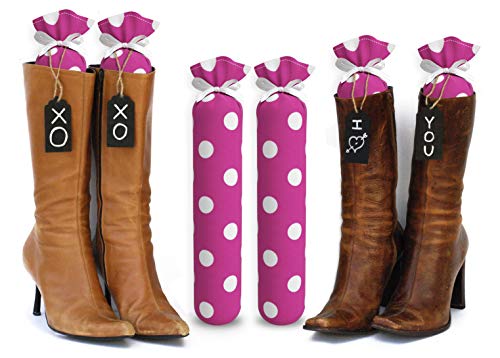
- MAKE YOUR CLOSET AWESOME: That’s what happens when you use My Boot…
- BACKED BY QUALITY: This means that if your pair of My Boot Trees expires…
- PROTECT YOUR BOOTS FROM DAMAGE: My Boot Trees act like Boot Shapers or Boot…
Stanley T240 Corrosion Inhibitor – Best for Long-Term Blade Care
This specialized formula creates a superior protective barrier on steel. A light, non-greasy coat prevents rust during humid months or off-season storage. It wipes off easily before your next skate, leaving no residue that could affect ice grip. Ideal for seasonal storage prep.
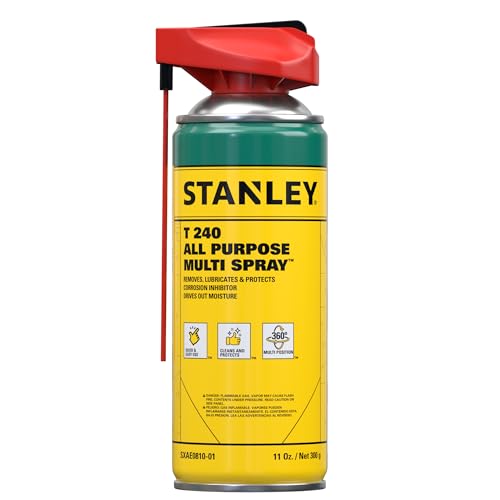
- Versatile All-in-One Solution: A multi-functional aerosol spray that acts…
- Precision Lubrication: Boasts excellent penetrating ability to reach tight…
- Silicone-Free and Efficient: Greases and loosens door and window hinges…
Conclusion: Mastering Figure Skate Storage for Longevity
Properly storing your figure skates is a simple yet powerful habit. It directly extends their lifespan and protects your investment. Consistent care prevents rust, preserves boot structure, and maintains performance.
The key takeaway is to always dry skates completely before storage. Combine this with upright storage in a cool, dry place. Use the right accessories like soakers and boot shapers for best results.
Start implementing these proven methods after your next skating session. Your skates will thank you with better support and sharper edges for seasons to come.
With this complete guide, you have all the knowledge needed to keep your figure skates in championship condition. Skate with confidence, knowing your equipment is well-protected.
Frequently Asked Questions about Storing Figure Skates
What is the best way to store figure skates long-term?
The best method involves a deep clean, conditioning leather boots, and applying a light oil to blades. Insert boot shapers to maintain form and place silica gel packs inside to control moisture. Finally, store them upright in a breathable fabric bag in a cool, dark closet. This comprehensive approach protects against all major storage threats.
How to prevent figure skate blades from rusting?
Immediate and thorough drying is the most critical step. Always wipe blades dry after use and use absorbent microfiber soakers, never hard plastic guards, for storage. For extended periods, apply a thin coat of specialized blade oil or a rust inhibitor. This creates a protective barrier against ambient humidity.
Can I store my ice skates in the garage?
Storing skates in a garage is generally not recommended. Garages experience extreme temperature swings and high humidity, which promote rust and material degradation. They also expose skates to dust, pests, and potentially harmful fumes. An interior closet or under-bed storage is a far safer, climate-controlled alternative.
What should I put inside my skates when storing them?
For short-term storage, remove the insoles to air out the interior. For long-term or off-season storage, insert boot shapers or stuff the toes and ankles with acid-free paper or dry towels. This maintains the boot’s crucial shape and prevents the ankle from collapsing, which would ruin its support.
How often should I condition my leather figure skates?
Condition leather skates approximately every 1-2 months during active use, depending on skating frequency and climate. Always condition them before putting them into long-term seasonal storage. This routine replenishes natural oils, prevents the leather from drying out and cracking, and extends the boot’s flexible life.
Is it okay to store skates in their carrying bag?
You should only use a carrying bag for transport, not for long-term storage. Bags trap residual moisture and offer no structural support, allowing boots to deform. After transport, always remove skates to air dry completely and then store them upright in a proper location.
What to do if I find rust on my skate blades?
First, do not panic. Light surface rust can often be removed. Use a specialized rust eraser or very fine grit (1000+) sandpaper, gently rubbing along the blade’s length, not across it. After removing the rust, clean the blade thoroughly, dry it, and apply a protective oil to prevent recurrence.
How long do figure skates last with proper storage?
With impeccable storage and care, high-quality figure skates can last for many years. The lifespan depends on skating frequency, boot material, and jump level. Proper storage primarily prevents premature death from rust, mold, or deformation, allowing the skates to wear out naturally from use rather than neglect.