Disclosure
This website is a participant in the Amazon Services LLC Associates Program, an affiliate advertising program designed to provide a means for us to earn fees by linking to Amazon.com and affiliated sites.
Getting the perfect figure skate fit starts with one critical step: accurate foot measurement. An improper fit can hinder performance and cause pain. This guide provides the proven methods used by fitters and coaches.
Mastering your foot’s dimensions is the solution to blisters, poor edge control, and foot fatigue. Precise measurements ensure optimal power transfer and comfort on the ice. You will unlock better stability and skating confidence.
The High Cost of an Improper Figure Skate Fit
Many skaters unknowingly buy skates using their street shoe size. This is the most common and costly mistake. Figure skates fit differently than everyday footwear.
A poor fit creates immediate and long-term problems. You will experience painful pressure points, blisters, and bruised toenails. More critically, it undermines your skating technique and safety.
An oversized skate causes your foot to slide, killing power transfer and edge control. An undersized skate cramps toes and restricts circulation. Both scenarios lead to instability and increase your risk of falls or chronic injury.
Your Essential Pre-Fitting Tool: A Brannock Device
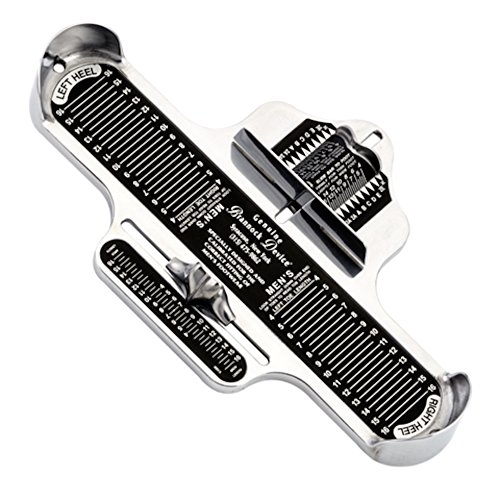
Before you even look at skate models, you need professional-grade measurements. A Brannock Device is the gold standard tool used in shoe stores. Using one at home gives you a perfect starting point.
Recommended Product: The Original Brannock Device
- Delivers professional, accurate length, width, and arch length measurements.
- Durable metal construction built to last for years.
- The definitive tool to eliminate guesswork before you shop.
Check current price on Amazon →
With your precise measurements in hand, you can confidently explore the best beginner figure skates that are built for comfort and proper support from day one.
When Precise Measurements Are Just the First Step
Even with perfect measurements, your foot’s unique shape is crucial. Some brands like Riedell run narrower, while others like Jackson have a wider toe box. Your arch profile also affects fit.
This is where expert guidance is invaluable. Our detailed Riedell Soar skate review breaks down fit for specific foot types. Furthermore, our guide to the most comfortable ice skates on the market compares models designed for all-day wear without sacrificing performance.
Step-by-Step Guide to Measuring Your Foot at Home
Accurate measurement requires the right tools and technique. You can achieve professional results without leaving your house. Follow this detailed process to capture your foot’s true dimensions.
Gather a piece of paper larger than your foot, a pencil, a ruler, and a measuring tape. Wear the socks you intend to skate in for the most accurate reading. Perform this in the evening, as feet naturally swell throughout the day.
How to Trace Your Foot for Length and Width
This method creates a precise blueprint of your foot’s outline. Stand on the paper with your full weight evenly distributed. This simulates the weight-bearing state inside a skate.
- Trace Carefully: Hold the pencil vertically and trace all around your foot.
- Mark Key Points: Draw lines at the very tip of your longest toe and the back of your heel.
- Measure Width: Find the widest part of your forefoot outline and mark both sides.
Use your ruler to measure the distance between the heel and toe lines for length. Then, measure between the two width marks. Record both measurements in inches or centimeters.
Determining Your Arch Length and Skate Size
Arch length is the most overlooked yet critical measurement for figure skates. It determines where your foot bends inside the boot. A mismatch here causes severe discomfort.
To find it, measure from your heel to the ball of your foot. This is the joint at the base of your big toe. Compare your foot length and arch length to a manufacturer’s specific size chart.
Understanding Width Fitting and Brand Variations
Figure skate widths are not standardized like shoes. A “D” width in one brand may feel like a “C” in another. Knowing your measurement helps narrow the search.
Use your forefoot width measurement to guide you. Brands like Jackson and Risport often cater to wider feet. Riedell and Edea typically have narrower, more performance-focused fits.
- Narrow Fit (A, B): Riedell, Edea (standard width).
- Standard/Medium Fit (C, D): Jackson (softer models), some Risport.
- Wide Fit (E, EE+): Jackson (wider models), Graf, certain recreational brands.
This is why consulting a detailed review of specific skate models is essential before purchasing.
Professional Fitting Tips and Common Sizing Mistakes
Even perfect measurements can lead to errors without proper context. Professional fitters use specific tricks to ensure a flawless fit. Avoid these common pitfalls to make your at-home process more reliable.
Your goal is a performance fit, not a comfort fit like street shoes. The boot should feel snug and supportive everywhere, with no pinching. Your toes should lightly brush the front when standing straight.
How Should Figure Skates Fit Compared to Shoes?
This is the most critical concept for new skaters. Figure skates are not designed for wiggling room. A proper fit feels radically different from your sneakers.
- Length: Typically 1 to 1.5 sizes smaller than your street shoe. Your heel must be locked in place.
- Width: Snug across the ball of the foot without painful pressure on the sides.
- Toe Box: Toes should be flat and able to press lightly against the front, not curled.
For a visual and detailed breakdown on how this translates to specific models, see our analysis in the Jackson Ultima Classic Softskate 380 review.
Critical Signs Your Figure Skates Don’t Fit
Listen to what your feet and skates are telling you. Pain is not normal and indicates a poor fit. Identifying these signs early prevents injury and wasted money.
Persistent numbness or tingling means the skate is too tight and cutting off circulation. If your heel lifts when you bend your knees, the skate is too large. Constant blisters in the same spot signal a pressure point from incorrect width or volume.
| Sign | Likely Cause | Potential Fix |
|---|---|---|
| Bruised Toenails | Skate too short or laced too loosely | Size up or use a “lace lock” at the ankle |
| Arch Cramping | Incorrect arch length placement | Try a different brand/model with a different last |
| Foot “Falling Asleep” | Boot is too narrow or laced too tight | Wider width or professional stretching/punching |
Next Steps: From Measurements to Your Perfect Skate
Your measurements are a powerful starting point, not the final answer. The next phase involves matching your numbers to real-world skate models. This is where brand research and expert resources become invaluable.
Think of your measurements as a filter. They will immediately eliminate skates that are incompatible with your foot shape. This saves you time and guides you toward models with a high probability of fitting well.
Using Your Measurements to Read Brand Size Charts
Every major manufacturer provides a detailed size chart on their website. These charts are non-negotiable guides. Never assume sizing is consistent across brands.
- Locate the Chart: Find the official size chart for the specific skate model you are considering.
- Match Your Foot Length: Find your measured foot length (in cm or inches) in the chart’s “Foot Length” column.
- Cross-Reference Width: Follow that row to find your corresponding width measurement. This gives you your recommended size for that brand.
For example, a foot measuring 24.5cm might be a size 6 in Jackson but a 5.5 in Riedell. Our guide to the best women’s recreational skates compares these brand nuances for casual skaters.
When to Seek a Professional Skate Fitting
An in-person fitting is the gold standard, especially for intermediate to advanced skaters. It is highly recommended for your first pair of performance skates. A certified fitter can assess nuances measurements can’t capture.
- Complex Foot Shapes: Very high arches, flat feet, or significant size differences between feet.
- Investing in Higher-Level Skates: When purchasing stiff boots for jumps and spins.
- Persistent Pain Issues: If you’ve never found a comfortable skate despite correct measurements.
A good fitter will measure you, analyze your stance, and recommend specific brands. They can also perform custom adjustments like heat molding, punching, and grinding for a perfect fit.
- You have length, width, and arch measurements for your larger foot.
- You’ve checked the manufacturer’s size chart for your target model.
- You understand the brand’s fit profile (narrow vs. wide).
- You’ve read expert reviews, like our Lake Placid Cascade review, for real-world fit feedback.
Special Considerations for Youth and Growing Feet
Fitting figure skates for children presents unique challenges. Their feet grow rapidly, and comfort is paramount for developing a love for the sport. Balancing a proper fit with room for growth requires a specific strategy.
The goal is a performance fit with managed growth room. A skate that is too large from the start is dangerous and hampers skill development. However, fitting too snugly means replacing skates every few months.
How Much Room to Leave in Kids’ Figure Skates
The standard rule is to allow for one full year of growth. This translates to approximately one thumb’s width of space in the toe box. This space is measured from the longest toe to the boot’s interior front.
- Measure Every 3 Months: Track your child’s foot growth consistently.
- Use Thick Socks Initially: Start with performance skating socks, then switch to thinner ones as feet grow into the boot.
- Prioritize Width Fit: The skate should fit the width of the foot now. Length accommodates growth.
For the best value on adaptable youth skates, explore our guide to the best adjustable youth ice skates, which can extend a boot’s usable life.
Signs Your Child Has Outgrown Their Skates
Children may not verbally communicate discomfort well. Watch for physical signs and changes in their skating. Sudden reluctance to skate or complaints of foot pain are major red flags.
Visible red pressure marks on the feet after removal indicate the skate is too tight. If their toes are visibly curled or pressed hard against the front, immediate sizing up is needed. A sudden decline in balance or frequent stumbling can also signal poor fit.
| Age/Skill Level | Fitting Priority | Recommended Skate Type |
|---|---|---|
| Beginner (Ages 4-7) | Comfort, warmth, easy on/off | Adjustable or soft recreational boots |
| Intermediate (Learning edges/spins) | Ankle support, proper length + width | Stiffer leather boots (e.g., Jackson Mystique, Risport Venus) |
| Advanced (Jumping) | Precise performance fit, minimal growth room | Custom-fitted, stiff boots with professional guidance |
Maintaining Your Perfect Fit Over Time
Achieving the perfect fit is not a one-time event. Figure skates break in, feet change, and materials compress. Proactive maintenance ensures your skates continue to perform and protect your feet as intended.
Consistent care extends the life of your boots and preserves that custom-fit feeling. Neglect can lead to premature breakdown and a return of fit problems. Follow these practices to protect your investment.
The Break-In Process and Fit Evolution
New skates will feel very stiff and snug. A proper break-in period is crucial for comfort and performance. This process molds the boot’s interior to your foot’s unique contours.
- Initial Wear (1-3 Sessions): Wear skates at home for 15-30 minutes while seated. Lightly lace them to apply gentle pressure.
- On-Ice Break-In: Start with shorter, less intense skating sessions. Focus on edges and basic stroking, avoiding jumps initially.
- Full Mold (2-4 Weeks): The boot will soften and conform. The initial “pinch” points should gradually disappear.
If sharp, persistent pain spots remain after break-in, consult a fitter for spot punching or stretching. This is a common service for resolving isolated pressure issues.
Essential Accessories for Fit Longevity
The right accessories protect your feet and fine-tune the fit of your skates. They address common issues like heel slip, lace bite, and moisture management.
- Performance Skating Socks: Thin, moisture-wicking socks (like nylon or technical blends) prevent blisters and provide consistent volume.
- Gel Pads & Bunga Pads: Protect bony prominences like ankles or bunions from friction and pressure.
- Lace Bite Protectors: Cushion the front of the ankle where laces can dig in during deep knee bends.
For skaters who use their skates in various conditions, choosing the right model from the start is key. Our guide to the best ice skates for indoor and outdoor use highlights durable boots that maintain their fit and structure.
Advanced Fitting: Heat Molding and Custom Modifications
For serious skaters, a stock fit may not be enough. Advanced techniques can customize a boot to near-perfection. These services are typically performed by professional skate technicians.
Heat molding and modifications address specific anatomical needs. They can transform a good fit into a great one. This is especially valuable for competitive skaters or those with unusual foot shapes.
What is Heat Molding and Who Needs It?
Heat molding is a process where the boot’s interior lining is warmed to become pliable. The skater then puts the boot on, allowing it to cool and set to the exact shape of their foot. It provides a semi-custom fit.
Most modern mid-to-high-level figure skates are heat-moldable. This includes popular brands like Jackson, Riedell, and Edea. Always check the manufacturer’s specifications for your model.
- Ideal Candidates: Skaters with high arches, prominent bony areas, or asymmetry between feet.
- The Process: A fitter uses a specialized oven to heat the boot evenly, then you wear it for 10-15 minutes as it cools.
- The Result: Reduced break-in time and immediate, enhanced comfort in targeted areas.
Common Professional Skate Modifications
When heat molding isn’t sufficient, a technician can physically alter the boot. These modifications solve precise, localized pressure points. They preserve the boot’s structural integrity while improving fit.
| Modification | Solves This Problem | How It’s Done |
|---|---|---|
| Punching Out | Pain on bunions, tailor’s bunions, or ankle bones. | A metal “ball and ring” tool is used to stretch a specific spot of the boot outward. |
| Grinding/Shaving | Pressure on the top of the foot or instep. | Material is carefully sanded away from the boot’s insole or interior arch. |
| Heel Lifts & Wedges | Minor heel slippage or leg length discrepancy. | Adding material inside the heel or under the insole to alter foot position. |
For skaters ready to invest in high-quality boots that are prime candidates for customization, explore our review of the best ice skates for women, which details support levels and fit profiles.
Frequently Asked Questions About Figure Skate Sizing
Even with a detailed guide, specific questions always arise. This section addresses the most common concerns skaters have when measuring and fitting. Clear answers here can prevent costly mistakes.
These FAQs are compiled from professional fitters and experienced skaters. They tackle the nuances that simple measurements don’t cover. Use this as a quick-reference troubleshooting guide.
Should I Size Up for Thick Socks?
No, you should not size up to accommodate thick socks. Figure skates are designed to be worn with thin, performance-oriented skating socks. Thick socks create inconsistent volume and deaden feel for the ice.
If you size up for thick socks, your foot will swim in the boot when wearing proper thin socks. This causes blisters and poor control. Always measure and fit while wearing the thin socks you plan to skate in.
- Correct Approach: Use moisture-wicking nylon, microfiber, or technical blend socks.
- Wrong Approach: Using cotton athletic socks or winter socks for sizing.
How Do I Know If My Skates Are Too Big or Just Need Breaking In?
This is a critical distinction. Discomfort from stiffness feels different from discomfort caused by excess space. Misdiagnosing this leads to keeping the wrong size.
| Signs of “Too Big” | Signs of “Needs Break-In” |
|---|---|
| Heel lifts when you walk or bend knees | General stiffness and pressure over the entire foot/ankle |
| Foot slides forward, jamming toes on every stop | Specific, sharp “hot spots” on bony areas |
| You must over-tighten laces to feel secure | Discomfort lessens slightly as the skate warms up |
Can I Stretch Figure Skates That Are Too Small?
Leather figure skates can be professionally stretched by approximately one-half of a size in length or one width size. Synthetic materials stretch less predictably. This is a fix for minor sizing errors, not major ones.
Attempting to stretch skates more than this can damage the boot’s structure and support. It is not a solution for skates that are multiple sizes too small. For a new, correct fit, explore our curated list of the most comfortable ice skates designed for proper volume from the start.
Best Tools for Measuring Your Foot – Detailed Comparison
While a simple ruler works, specialized tools deliver professional-grade accuracy. These three products eliminate guesswork and provide the precise data needed to navigate brand size charts confidently. Investing in the right tool is the first step to a perfect fit.
Brannock Device Model 101 – The Professional Standard
The original Brannock Device is the gold standard used in shoe stores worldwide. Its sliding heel cup and width bar measure length, width, and arch length simultaneously. This durable metal tool provides the most reliable baseline measurement for any foot.
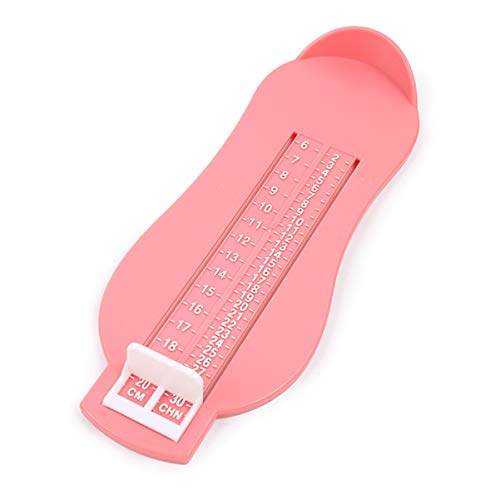
Kids Foot Measuring Gauge – Best Home Alternative
This affordable plastic gauge mimics the Brannock’s functionality in a compact, user-friendly design. It clearly displays both US and EU sizes. It’s an excellent, portable option for tracking children’s foot growth or for households with multiple skaters.
Stainless Steel Ruler with Non-Slip Base
For the tracing method, a heavy-duty 12-inch stainless steel ruler is essential. A non-slip rubber base prevents movement during measurement, ensuring accuracy to the millimeter. Pair this with a flexible sewing tape measure for the most precise width and circumference readings.
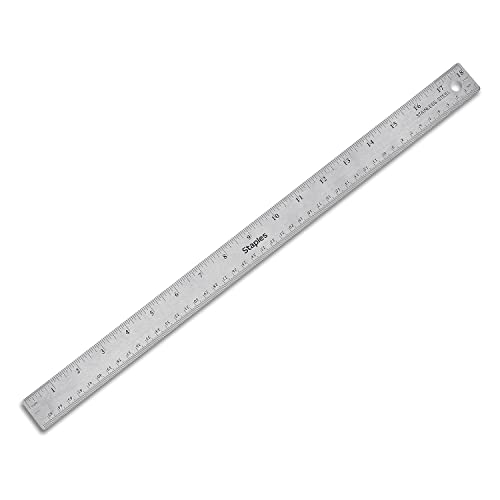
- Sold as 1 Each.
- Stainless steel ruler
- 1/16″ imperial and standard 1/10 metric scales
Conclusion: Mastering Your Figure Skate Fit
Accurate foot measurement is the non-negotiable foundation of great skating. It prevents pain, enhances performance, and builds confidence on the ice. Following this guide gives you control over the fitting process.
The key takeaway is to trust your measurements, not your shoe size. Use the right tools and consult brand-specific charts. Remember that a professional fitting is always the best investment for serious skaters.
Take your measurements today and use them to explore our detailed skate reviews. Your perfect, pain-free fit is within reach. Step onto the ice with the confidence that comes from a boot that feels like an extension of your body.
Frequently Asked Questions About Measuring for Figure Skates
What is the most accurate way to measure foot length for skates?
The most accurate method is using a Brannock Device while standing with full weight on both feet. This professional tool measures length, width, and arch length simultaneously. It accounts for the natural spreading of your foot under body weight.
If you don’t have a Brannock Device, the foot tracing method is the next best option. Ensure you stand straight with your weight evenly distributed. Measure from the very back of the heel to the tip of your longest toe.
How much smaller should figure skates be than regular shoes?
Figure skates are typically 1 to 1.5 sizes smaller than your standard street shoe size. This is because they require a performance fit with no extra room for sliding. Your heel must be locked firmly in place.
Never use your shoe size as a reference. Always start with your actual foot measurement in centimeters or inches. Then, consult the specific manufacturer’s size chart for the skate model you are considering.
Can I measure my foot at home without special tools?
Yes, you can achieve accurate measurements at home with common items. You will need a blank piece of paper, a pencil, a ruler, and a flexible measuring tape. The key is following the proper technique while standing with your full weight on the foot.
Trace your foot carefully with the pencil held vertically. Measure the longest distance from heel to toe for length, and the widest part of the forefoot for width. Always measure both feet and use the larger measurement.
What should I do if one foot is bigger than the other?
It is very common to have one foot slightly larger. You must always fit your skates to your larger foot. A skate that is too small on one foot will cause significant pain and potential injury.
For the smaller foot, you can use a thin, non-bulky insert or a specialized heel pad to take up a small amount of extra volume. For more than a half-size difference, consult a professional fitter for customized solutions.
How do I measure my foot width correctly for skate sizing?
To measure width, stand on your traced foot outline. Mark the widest part of your forefoot, which is usually across the ball of the foot. Measure the distance between these two marks in centimeters or inches.
Compare this width measurement to the brand’s specific width chart. Remember that width designations (like C, D, E) are not standardized between brands. Your measurement in inches/cm is your most reliable guide.
Why do my toes touch the end of the skate when standing straight?
Your toes should lightly brush or just touch the front of the boot when standing upright with knees straight. This is called a performance fit and is completely normal. It ensures your heel is seated properly in the heel pocket.
When you bend your knees into a skating posture, your toes should pull back slightly from the front. If your toes are painfully jammed or curled when standing straight, the skate is likely too short.
How often should I remeasure my child’s feet for skating?
For growing children, you should remeasure their feet every 3 to 4 months. Growth spurts can happen quickly, and an improperly sized skate can hinder development and cause discomfort. Regular checks prevent skating in boots that are too small.
Look for physical signs like red pressure marks or complaints of pain. A good rule is to allow one thumb’s width of space for growth when purchasing new skates for a child.
What is the difference between arch length and foot length?
Foot length is the total measurement from your heel to your longest toe. Arch length (or heel-to-ball length) measures from your heel to the ball of your foot, where your foot naturally bends. This measurement ensures the boot’s flex point aligns with your foot’s joint.
If the arch length is incorrect, the boot will bend in the wrong place. This causes discomfort, inefficient energy transfer, and can break down the boot prematurely. Always check both measurements.