Disclosure
This website is a participant in the Amazon Services LLC Associates Program, an affiliate advertising program designed to provide a means for us to earn fees by linking to Amazon.com and affiliated sites.
Choosing the right figure skates for competitive skating is the most critical equipment decision you will make. The wrong pair can hinder performance, increase injury risk, and stall your progress on the ice.
This complete guide provides expert tips and proven methods to navigate boot stiffness, blade profiles, and fit. You will learn to match skates to your skill level and competitive discipline.
We will break down key factors like boot construction, blade technology, and proper fitting techniques. Our goal is to help you find skates that offer optimal support, precision, and the competitive edge you need.
The Common Pitfall: Choosing Skates That Don’t Match Your Level
Many competitive skaters make one costly mistake. They select skates based on a pro’s recommendation or brand appeal, not their own technical needs. This leads to boots that are either too stiff or too soft.
Over-booting (too stiff) restricts ankle flexion, killing knee bend and jump height. Under-booting (too soft) fails to support landings, risking injury and poor technique. Both scenarios stall progress and waste valuable training time.
The solution is a systematic approach. You must honestly assess your current jump repertoire, weight, and skill intensity. Then, match those factors to a boot’s stated stiffness rating and construction.
Quick Fix: A Reliable Entry-Level Boot for Developing Skills
For skaters entering the competitive realm and mastering single jumps, a properly fitted, supportive beginner boot is essential. It provides the foundation for safe skill development.
A solid option to consider is the Jackson Ultima Classic SoftSkate 380. It’s designed for beginners moving into freestyle elements.
- Boot: Synthetic upper with a foam-padded lining for comfort and moderate support.
- Blade: Jackson’s Mark I blade, a good introductory freestyle blade with a slight toe pick.
- Best For: Skaters working on basic edges, spins, and beginning single jumps.
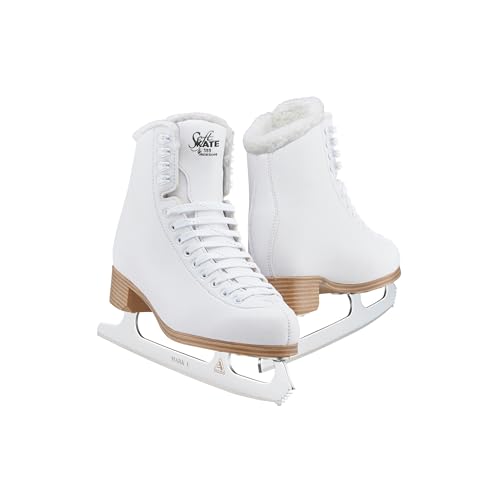
- Introducing our NEW SoftSkate 380 line. Affordable quality. The SoftSkate…
- PRODUCT FEATURES: 1) Reinforced vinyl upper with strength and durability…
Check current price on Amazon →
When a Quick Fix Isn’t Enough: The Path to Customization
Once you’re consistently landing axels and doubles, off-the-rack skates often fall short. You need equipment engineered for higher-impact forces and precise blade control.
This is where specialized intermediate and advanced boot guides become invaluable. You’ll graduate to brands like Riedell and Edea that offer tiered stiffness levels.
For example, our review of the Riedell Soar details a boot built for single and double jumps. Similarly, understanding blade and boot construction for your primary skating surface is crucial for peak performance.
Boot Stiffness and Support Levels
Boot stiffness is the most critical factor for competitive figure skates. It determines how much support your ankle receives during jumps, spins, and landings. Choosing the wrong stiffness level is a common and costly error.
The correct stiffness protects your joints and transfers energy efficiently from your body to the ice. Manufacturers rate boots on a numerical scale, but these ratings are not standardized across brands. You must understand what each level is designed for.
Stiffness Ratings for Your Jumps
Boot stiffness directly correlates to the impact forces of your jump repertoire. Manufacturers design boots to withstand specific stress levels. Use this general guide to match your skills.
- Beginner/Intermediate (Singles): Boots rated 30-60. Suitable for skaters mastering up to axels. Provides support for single jumps without restricting necessary ankle flexion for knee bend. Examples include boots for mastering waltz jumps and single axels.
- Advanced (Doubles): Boots rated 70-90. Engineered for the higher impact of double jumps. Features reinforced counters, tongues, and stronger materials to handle rotational force and hard landings.
- Elite (Triples/Quads): Boots rated 95+. Maximum stiffness for the extreme forces of triple and quadruple jumps. Often involves custom molding and specialized materials like carbon fiber for lightweight, rigid support.
Material Breakdown: Leather vs. Synthetic
The boot’s construction material dictates its performance, break-in time, and longevity. The choice between traditional leather and modern synthetics is fundamental.
| Material | Best For | Key Considerations |
|---|---|---|
| High-Quality Leather | Skaters with stable skills, wider feet, seeking a custom mold over time. | Molds uniquely to your foot for excellent fit. Longer, more painful break-in period. Requires consistent maintenance to prevent breakdown. |
| Advanced Synthetics (Thermoformable) | Skaters progressing quickly, needing precise fit with less break-in. | Can be heat-molded for immediate personalized fit. Lighter weight and often more consistent stiffness. May have a shorter overall lifespan than top-tier leather. |
Your choice here affects everything from initial comfort to long-term performance. Always consult with a professional fitter when deciding between these materials for your competitive skates.
Selecting the Right Blades for Precision and Control
While the boot provides support, the blade is your direct connection to the ice. It dictates your glide, grip, and stability during every element. Choosing the correct figure skating blades is a nuanced decision for competitive success.
Blades vary in rocker radius, toe pick configuration, and hollow grind. These technical specs influence your ability to hold edges, execute tight spins, and achieve powerful take-offs. A mismatched blade can undermine even the most perfect boot.
Rocker Profile and Hollow Grind
The rocker is the curved bottom profile of the blade from toe to heel. The hollow is the U-shaped groove ground into the blade’s edges.
- Rocker Radius: A shorter rocker (7-foot) offers quicker turns and is ideal for spins and footwork. A longer rocker (8-foot) provides more stability on glides and landings, favored by many jumpers.
- Hollow Depth: A deeper hollow (e.g., 1/2″) gives more bite and grip on the ice, aiding in powerful pushes and secure landings. A shallower hollow (e.g., 3/4″) allows for faster glides and is less “catchy,” better for advanced skaters with precise edge control.
Most competitive skaters start with a standard 7-foot rocker and a 1/2″ hollow. Fine-tuning should be done with a coach and a skilled skate technician.
Toe Pick Configuration for Jumping and Spinning
Toe picks are not all created equal. Their size, shape, and placement affect your jumping technique and spin centering.
| Pick Style | Primary Use | Skater Level |
|---|---|---|
| Large, Aggressive Picks | Powerful jump take-offs, securing landings. | Intermediate/Advanced jumpers working on doubles and triples. |
| Medium, Balanced Picks | Versatile for jumps and spins; the most common choice. | Most competitive skaters at the single and double jump level. |
| Small, Low-Profile Picks | Minimizes tripping, maximizes glide; used in ice dance patterns. | Ice dancers and skaters focused on edge quality and flow. |
Your choice here is critical. Aggressive picks can hinder a beginner’s flow, while small picks may not provide enough purchase for a powerful double axel.
The Professional Fitting Process for Competitive Skates
You cannot properly choose competitive figure skates online without professional guidance. A professional fitting is a non-negotiable investment in your performance and safety. It ensures your expensive equipment works with your unique biomechanics.
An expert fitter assesses your foot shape, arch type, and pressure points. They measure both length and width while you are bearing weight. This process matches you to the correct brand and model that accommodates your specific foot morphology.
What to Expect During a Professional Skate Fitting
A comprehensive fitting is a step-by-step consultation, not a simple shoe purchase. Come prepared with your current skates and skating socks.
- Gait and Foot Analysis: The fitter watches you walk and stand to understand your arch and weight distribution. They will trace your foot and take precise measurements.
- Brand and Model Selection: Based on your foot shape and skill level, they will recommend 2-3 specific models to try on. They will explain the stiffness and material differences.
- Trial and Evaluation: You will lace up each potential boot tightly. The fitter checks for heel lock, width through the ball, toe clearance, and overall pressure points while you simulate a knee bend.
Critical Fit Checkpoints You Must Feel
When trying on skates, you are feeling for precise sensations, not general comfort. Know what a correct fit should and should not feel like.
- Heel Lock: Your heel must be held firmly in place with zero lift or slippage when you bend your knees. This is the most important stability factor.
- Toe Placement: Your toes should gently brush the front of the boot when standing straight, but pull back slightly into a “pinky nail’s width” of space when in a deep knee bend.
- Width and Pressure: The boot should feel snug, like a firm handshake, across the ball of your foot without pinching. There should be no distinct, painful pressure points on the ankles or bones.
Remember, new competitive boots will feel extremely stiff and snug. They are meant to break in and mold to your foot, not feel like slippers from day one.
Budgeting and Long-Term Investment for Competitive Skaters
High-quality competitive figure skates are a significant financial investment. Understanding the cost breakdown and lifespan of your equipment is crucial for smart budgeting. This prevents unexpected expenses and ensures you’re never skating on dangerous, broken-down boots.
Your budget must account for both the initial purchase and ongoing maintenance. This includes sharpening, blade replacements, and eventual boot upgrades as your skills progress. Planning ahead saves money and protects your training consistency.
Breaking Down the Cost: Boots, Blades, and Mounting
A full competitive setup has three primary cost components. These are often sold separately at higher skill levels.
| Component | Price Range (Approx.) | What It Covers |
|---|---|---|
| Competitive Boots | $300 – $1,000+ | Quality materials, construction, and stiffness for singles/doubles. Elite custom boots are more. |
| Intermediate/Advanced Blades | $200 – $800+ | Precision-machined steel, specific rocker profiles, and toe pick configurations (e.g., Pattern 99, Coronation Ace). |
| Professional Mounting & Sharpening | $50 – $150 | Expert alignment of blade to boot (mounting) and the initial hollow grind (sharpening). |
Remember, entry-level “package skates” combine boot and blade. As you advance, you will buy them separately for optimal performance.
Maximizing the Lifespan of Your Equipment
Proper care extends the life of your investment and maintains consistent performance. Follow these essential maintenance steps.
- Drying is Critical: Always remove footbeds and wipe down boots/blades after every session. Use absorbent boot dryers to prevent breakdown from sweat and rust from moisture.
- Regular Sharpening Schedule: Get blades sharpened every 20-40 hours of ice time, depending on intensity. Consistent sharpening prevents loss of hollow and uneven wear.
- Monitor Boot Breakdown: Look for loss of support: excessive creasing at the ankle, a “leaning” boot that won’t stand straight, or softened material that no longer springs back.
A well-maintained boot for a single-jump skater may last a season or two. A skater landing doubles will put more stress on the boot, potentially requiring replacement annually.
Top Brand Comparison for Competitive Figure Skates
Navigating the major skate brands is essential for making an informed choice. Each manufacturer has distinct philosophies regarding fit, materials, and performance characteristics. Understanding these differences helps you narrow your search before even visiting a fitter.
Popular brands for competitive skating include Jackson, Riedell, Edea, and SP-Teri. While all produce high-quality skates, their target foot shapes and technological approaches vary significantly. Your foot’s anatomy will often dictate your best brand match.
Brand Profiles: Fit Philosophy and Technology
Here’s a breakdown of what each major brand is known for in the competitive market.
| Brand | Best For Foot Shape | Key Technology / Focus |
|---|---|---|
| Jackson | Medium to wider forefoot, average to high instep. | Known for the Ultima blade line and consistent fit. Uses the MI Series for heat-moldable customization in higher-end models. |
| Riedell | Narrow to medium width, especially in the heel. | Emphasizes traditional leather craftsmanship and durability. Offers extensive width sizing and the Silver Star level for advanced jumpers. |
| Edea | Varied widths, known for a roomy toe box. | Revolutionary lightweight, synthetic construction with a forward-flexing design to promote deeper knee bend without breaking down the ankle. |
Matching Brand Models to Your Skill Progression
Each brand has a model hierarchy that corresponds to jump levels. Knowing the entry-point model for your skills is crucial.
- Jackson: Moves from the Freestyle series (singles) to the Elite and Quantum series (doubles/triples). Their stiffness ratings are clearly numbered within each line.
- Riedell: Progresses from the Soar (beginning axels) to the Silver Star and Gold Star (doubles/triples). They emphasize incremental support increases.
- Edea: Uses a distinct model naming system: Chorus (axels), Ice Fly (doubles), and Piano (triples/quads). Their stiffness comes from unique material layering rather than thickness.
Always cross-reference a brand’s model chart with your current jump repertoire. A professional fitter will guide you to the correct tier within your chosen brand’s lineup.
Essential Accessories and Final Preparation Steps
The right skates are only part of the equation. Proper accessories and preparation ensure they perform as intended and last longer. Neglecting these final steps can undermine your entire investment and affect on-ice comfort.
From the right socks to the break-in process, attention to detail is key. These elements fine-tune the fit, protect your equipment, and help you adapt to your new skates safely and effectively.
Must-Have Accessories for Competitive Skaters
Invest in these key items to complement your new skates from day one.
- Skating-Specific Socks/Tights: Thin, seamless, and moisture-wicking. They provide a consistent layer that doesn’t bunch, ensuring the fit you were measured for remains accurate.
- Quality Blade Guards & Soakers: Hard guards for walking off-ice protect edges from nicks. Absorbent soakers are mandatory after skating to wick moisture and prevent rust on the blade.
- Boot Dryers: Electric or chemical dryers that circulate air. They are essential for removing sweat moisture from the boot’s interior lining, preventing breakdown and odor.
- Proper Skate Bag: A bag with separate compartments for boots, guards, and wet gear. This protects your blades and keeps your other belongings dry.
The Safe and Effective Break-In Protocol
Breaking in stiff competitive boots requires a gradual, methodical approach to avoid injury. Rushing this process can cause severe blisters and foot problems.
- Initial Wear (At Home): Lace up your skates tightly and wear them while sitting for 30-60 minutes over several days. Flex your ankles forward to start softening the tongue and creasing the ankle.
- First On-Ice Sessions: Plan for 2-3 short (20-30 minute) light sessions. Focus on basic edges, stroking, and simple spins. Avoid jumping until the boot begins to flex more naturally at the ankle.
- Progressive Loading: Gradually increase ice time and introduce single jumps over 2-3 weeks. Listen to your feet; use moleskin or gel pads on any persistent hot spots, but consult your fitter if pain is sharp or intense.
Remember, a proper break-in molds the boot to your foot, not your foot to the boot. Patience during this phase ensures long-term comfort and performance.
When to Upgrade: Recognizing the Signs for New Skates
Competitive skates have a finite lifespan dictated by use and material fatigue. Skating on broken-down equipment is a major safety hazard and reinforces poor technique. Knowing when to upgrade is as important as the initial selection.
Upgrade triggers are based on skill progression and physical wear. You may need new skates because you’ve outgrown them technically, or because the materials have simply worn out. Both are valid and urgent reasons.
Physical Signs of Boot Breakdown
Inspect your skates regularly for these clear indicators of material failure. Catching them early allows for a planned upgrade, not an emergency purchase.
- Ankle Collapse: The most definitive sign. When unlaced and placed on a flat surface, the boot leans or falls over to the side instead of standing straight.
- Deep, Permanent Creasing: Severe creasing across the ankle and especially over the top of the foot (the “punch” area) indicates the material is permanently deformed and can no longer rebound to provide support.
- Softened Counter: The firm heel counter feels soft and malleable when you squeeze it. This means it can no longer lock your heel securely in place.
- Visible Wear & Tear: Separating soles, torn lining, or cracked leather are obvious red flags. Moisture damage from improper drying accelerates this process.
Skill-Based Reasons for an Equipment Upgrade
Your skates should match your highest consistent jump. Progressing to new elements often requires more support.
- Mastering New Jumps: If you are consistently landing axels and moving toward doubles, your beginner/intermediate boots likely lack the necessary stiffness. You need a boot rated for higher impact forces.
- Increased Training Intensity: Moving from a few hours a week to daily training dramatically increases wear. It also means your technique generates more force, demanding more robust equipment.
- Changing Disciplines: Transitioning seriously into ice dance or pairs skating may require specialized boots and blades designed for the unique demands of those disciplines, such as shorter picks or reinforced support areas.
Consult your coach and fitter proactively when you approach a new skill level. They can advise on the optimal timing for your upgrade to avoid a plateau or regression.
Best Figure Skates for Competitive Skating – Detailed Comparison
Based on performance, support, and fit for various skill levels, these three models stand out for competitive skaters. Each offers distinct advantages for specific stages of a skater’s development, from mastering axels to landing consistent doubles.
Jackson Ultima Softec Elite – Best for Advancing Single Jumps
The Jackson Softec Elite provides excellent support for skaters working on consistent axels and beginning double jumps. Its heat-moldable MI Series lining offers a customizable fit for comfort and precise heel lock. This boot is ideal for the skater transitioning from intermediate to advanced technical elements.

- STYLISH DESIGN – These figure ice skates possesss new stylish pattern in…
- ADAPTED WIDTH C LAST – This last provides competitive fit with wider arch…
- NON-ABRASIVE FABRIC LINING – The Elite ST7200 skates feature non-abrasive…
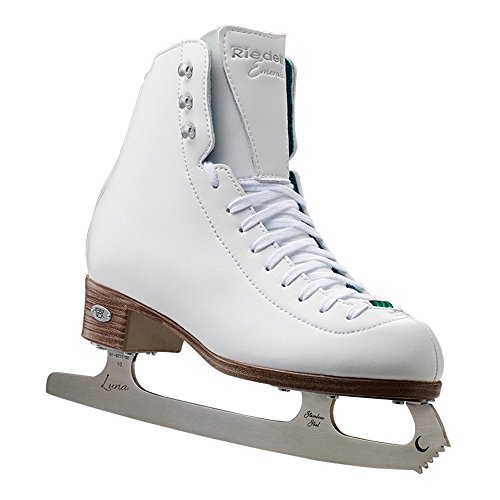
Riedell 119 Emerald – Best for Double Jump Competitors
Designed for the impact of double jumps, the Riedell 119 Emerald features a reinforced leather upper and a stiffness rating suited for doubles. It’s renowned for its narrow heel fit and exceptional durability, making it a top choice for serious competitors needing reliable, long-lasting support through intense training.
Edea Ice Fly – Best for High-Impact Doubles and Triples
The Edea Ice Fly uses a revolutionary lightweight synthetic construction and forward-flex design to promote deep knee bends without breaking down. Its unique material layering provides the rigid support needed for double and triple jumps while being significantly lighter than traditional leather boots, reducing fatigue.
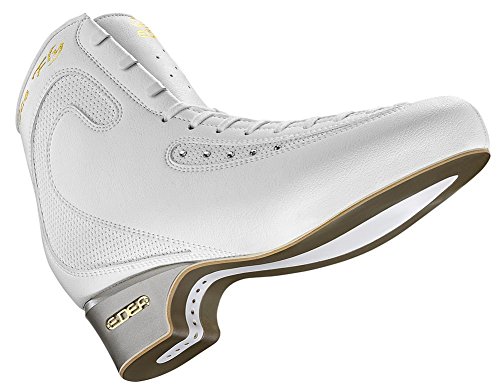
- Extra Tough Construction 90
- Type of Skating: ICE and Inline Roller Skating
- Training Level: Double, Triple, and Quad Jumps (Even a good option for…
Conclusion: Making the Right Choice for Competitive Success
Choosing the right figure skates for competitive skating is a strategic decision. It directly impacts your safety, technical development, and on-ice confidence. The correct pair supports your jumps and enhances your performance.
Remember, professional fitting is non-negotiable. Match boot stiffness to your highest consistent jump and prioritize proper blade selection. Your equipment is an investment in your athletic future.
Take this guide with you when consulting with a certified skate fitter. Use it to ask informed questions and advocate for your needs. Your perfect skates are the foundation for reaching your competitive goals.
Now you have the knowledge to make a confident, performance-driven choice. Step onto the ice with equipment that empowers your talent.
Frequently Asked Questions about Choosing Competitive Figure Skates
How often should I replace my competitive figure skates?
Replace skates based on wear or skill progression. Boots for single jumps may last 1-2 seasons with proper care. Skaters landing doubles often need new boots annually due to higher impact forces. Inspect for ankle collapse, deep creasing, and softened support regularly.
Never wait until boots are completely broken down. Upgrading proactively prevents injury and technical bad habits. Your coach and fitter can best assess your specific timeline based on training hours and visible wear.
What is the difference between recreational and competitive figure skates?
Competitive skates have significantly stiffer boots and specialized blades. The boot provides rigid ankle support for jump landings and multi-rotation take-offs. Recreational skates offer more flexibility for comfort but lack the structure for advanced elements.
Blades on competitive skates feature a more pronounced rocker and aggressive toe picks for precise edge control and powerful jumps. The materials are also higher quality to withstand intense, frequent training sessions.
How do I know if my skates are too stiff or not stiff enough?
Too-stiff skates prevent proper knee bend and ankle flexion. You’ll feel restricted and unable to achieve a deep skating position. Too-soft skates will feel unsupportive on landings and develop deep creases very quickly.
If you cannot flex forward into a deep knee bend, the boot is likely too stiff for your current strength. If the boot collapses inward when you press on the ankle, it is too soft for your jumping level.
Can I buy competitive skates online without a fitting?
We strongly advise against buying your first pair of competitive skates online without professional fitting. Fit is too precise and varies dramatically between brands and models. An improper fit can cause pain, injury, and hinder performance.
Use online research to educate yourself, but make the final purchase in person with an expert. For subsequent pairs of the exact same model and size, online purchasing may be feasible if your foot has not changed.
What is the best way to break in new competitive skates?
Break in new skates gradually over 2-3 weeks. Start by wearing them tightly laced at home for short periods. Then, do several short, light on-ice sessions focusing on edges and stroking, avoiding jumps.
Progressively increase ice time and intensity. Use protective gel pads on hot spots but consult your fitter for persistent sharp pain. A proper break-in molds the boot to your foot, not your foot to the boot.
Which is more important for competitive skating: the boot or the blade?
Both are critically important and work as an integrated system. The boot provides the foundational support and stability for your body. The blade is your connection to the ice, dictating glide, grip, and turning ability.
Think of the boot as the engine and the blade as the tires. A weak engine (boot) won’t generate power safely, while poor tires (blades) won’t transfer that power to the ice effectively. Never compromise on one for the other.
How much should I expect to spend on competitive figure skates?
A full competitive setup for a skater working on single and double jumps typically ranges from $500 to $1,500+. This includes boots ($300-$1,000+), separate blades ($200-$800+), and professional mounting/sharpening ($50-$150).
Budget for both the initial investment and ongoing costs like sharpening (every 20-40 ice hours) and eventual replacement. Higher-level skates are an investment in safety and performance, not just equipment.
What should I do if my new skates are causing blisters or pain?
Some discomfort is normal during break-in, but sharp, localized pain is not. Identify the exact pressure point. Often, a professional fitter can “punch out” the boot in that specific area to relieve pressure.
Ensure you are wearing proper thin skating socks and lacing correctly. For general rubbing, use moleskin or gel pads. If pain persists after the initial break-in period, return to your fitter for an adjustment; the skate may need modification.