Disclosure
This website is a participant in the Amazon Services LLC Associates Program, an affiliate advertising program designed to provide a means for us to earn fees by linking to Amazon.com and affiliated sites.
Choosing the right figure skates for ice dancing is the most critical decision for your performance and safety. The wrong boots or blades can hinder progress and increase injury risk. This complete guide provides expert tips to find your perfect match.
Proper ice dance skates offer superior support for deep edges and flexibility for intricate footwork. They differ significantly from freestyle or recreational models. We’ll break down the key features that matter most for dancers.
The Common Mistake: Choosing the Wrong Type of Skate
Many new ice dancers make a critical error. They purchase skates designed for freestyle jumping or general recreation. These skates lack the specific features needed for dance.
Ice dancing requires a unique blend of support and flexibility. You need boots that allow for deep knee bends and intricate footwork. The blades must facilitate swift turns and precise edges on a tight axis.
Using the wrong equipment limits your technique from day one. It can also lead to discomfort and overuse injuries. Recognizing this mismatch is the first step toward a proper solution.
Quick Fix: Start with a Dedicated Beginner Dance Skate
For those new to the discipline, a pre-packaged beginner dance skate is ideal. These are designed with the correct blade profile and balanced support. They offer a cost-effective entry point to ensure proper fundamentals.
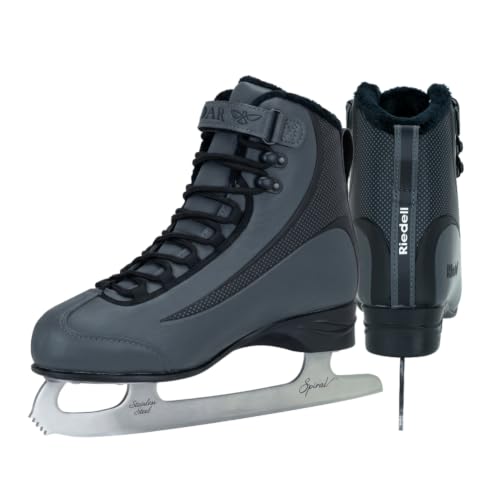
One reliable and accessible option is the Riedell Soar ice skate. It’s a popular choice for entry-level dancers seeking quality construction.
Riedell Soar Ice Skates
A great starter package for developing proper edge control and footwork.
- Features a supportive leather boot with a cotton lining for comfort.
- Comes mounted with the popular Mirage blade, suitable for basic dance moves.
- Offers a good balance of stiffness for beginners learning deep edges.
- ENDLESSLY COMFORTABLE: These modern ice skates for women and men have a…
- GREAT SUPPORT: This ice skate set offers light support to keep you stable…
- KEEP YOU SAFE & DRY: These beginner ice skates have safety in mind by…
Check current price on Amazon →
For a deeper analysis, read our full Riedell Soar ice skates for men and women review. You can also explore our curated list of the best figure skates for beginners for more options.
When a Quick Fix Isn’t Enough: The Path to Advanced Solutions
A pre-packaged skate may not suffice as your skills advance. Serious dancers eventually need a custom-fitted boot and a specialized dance blade. This is where the real performance differences become apparent.
Advanced boots offer customizable stiffness levels and anatomical precision. Dance-specific blades have a shorter tail and different rocker for quicker turns. This upgrade is crucial for mastering complex patterns and holds.
If you’re progressing beyond the beginner stage, our guide to the best ice skates for women covers intermediate and advanced models. It will help you navigate the next step in your equipment journey with confidence.
Key Differences: Ice Dance Skates vs. Freestyle Skates
Understanding the core design differences is essential. Ice dance and freestyle skates are built for completely different movements. Choosing the wrong type will fundamentally limit your technical progress.
Freestyle skates prioritize vertical shock absorption for landing jumps. Dance skates prioritize lateral support and flexibility for intricate footwork and deep edges. This distinction affects every component from the boot to the blade.
Key Takeaway: Freestyle skates are for jumping; dance skates are for flowing movement, deep edges, and close partnership holds. Never use freestyle boots for serious ice dancing.
Boot Construction and Stiffness Levels
Dance skate boots are typically softer and more flexible than their freestyle counterparts. They allow for a greater range of motion in the ankle and deeper knee bends.
However, they still provide strong lateral (side-to-side) support. This prevents the ankle from rolling during powerful edge pushes. The stiffness is strategically distributed.
- Freestyle Boot: Very stiff overall to support multi-rotation jumps and landings.
- Dance Boot: Softer in the ankle for flex, but reinforced in the sides for edge control.
- Recreational Boot: Generally soft all around, lacking the specific support for either discipline.
Blade Profile and Pick Design
The blade is where the most critical differences lie. A dance blade is shorter from heel to toe and has a smaller tail. This design allows for quicker turns and closer footwork without the blades touching.
Dance blades also have a different rocker (curve) radius. It’s typically flatter, providing more blade-on-ice contact for stable edges. The toe picks are smaller and less aggressive.
| Feature | Ice Dance Blade | Freestyle Blade |
|---|---|---|
| Length | Shorter tail, less overhang | Longer, full-length tail |
| Toe Picks | Smaller, less pronounced | Large, aggressive for take-offs |
| Primary Use | Precise edges, swift turns, footwork | Jumping, spinning, and landing impact |
How to Find the Right Fit for Ice Dance Skates
A perfect fit is non-negotiable for performance and injury prevention. Ice dance skates should fit snugly but not cause pain or numbness. They will feel different from street shoes or recreational skates.
The boot must hold your heel firmly in place without slippage. Your toes should lightly brush the front when standing straight. This precise fit ensures optimal power transfer and blade control.
Pro Tip: Always try on skates with the specific skating socks you intend to wear. Sock thickness dramatically changes the interior volume and fit.
The Step-by-Step Fitting Process
Follow this process when trying on potential ice dance skates. Do not rush this critical step, as it is the foundation of your comfort and technique.
- Measure Both Feet: Have your length and width professionally measured while standing. Always fit to the larger foot.
- Lace Up Properly: Lace firmly from the toe to the ankle, securing the heel. Leave the top hook slightly looser for ankle flexion.
- Perform a Knee Bend: In a skating posture, your heel should remain locked down. Your toes should pull back slightly from the front.
- Check for Pressure Points: Stand and bend for several minutes. Note any sharp pains, especially on the ankle bones or instep.
Width, Volume, and Break-In Expectations
Beyond length, width and internal volume are crucial. Most brands offer multiple width options (e.g., Narrow, Regular, Wide). A proper fitter will assess your foot shape.
New skates will feel very stiff and require a break-in period. Expect some general discomfort, but not localized, sharp pain. The boot should mold to your foot’s unique contours over time.
- Signs of a Good Fit: Snug heel, secure midfoot, toes lightly touching, no side-to-side foot movement.
- Signs of a Bad Fit: Heel lift, pinching on bones, numbness, toes painfully curled or jammed.
- Next Step: If you have unusual foot anatomy, consider our guide on finding the best ice skates for warmth and comfort, which often addresses fit issues.
Selecting the Best Ice Dance Skates for Your Skill Level
Your current ability dictates the ideal skate features and investment. Beginners, intermediates, and advanced dancers have distinct equipment needs. Matching your skates to your skill prevents frustration and accelerates learning.
Using skates that are too advanced can be as detrimental as using skates that are too basic. The right support-to-flexibility ratio evolves with your technique. This guide helps you navigate that progression.
Skill-Level Rule: Choose a boot that provides just enough support to maintain proper form without restricting the movements you are actively learning.
Beginner Ice Dance Skates: Foundation and Support
New dancers need a boot that offers clear feedback and forgiving support. Look for a pre-packaged “dance” model from reputable brands like Jackson, Riedell, or Risport.
These skates typically feature a moderate stiffness rating and a standard dance blade. The goal is to learn proper edges and knee action without fighting an overly stiff boot.
- Focus: Secure fit, basic blade control, and comfort during long practice sessions.
- Blade: A standard pattern dance blade (e.g., MK Dance, Coronation Dance) is perfectly suitable.
- Recommendation: Explore our dedicated list of the best figure skates for beginners for curated options.
Intermediate to Advanced Skates: Customization and Specialization
As you master basic patterns and edges, your equipment needs become more precise. Intermediate skaters often move to a separate boot and blade purchase.
You can select a boot with a specific stiffness index and a blade with your preferred rocker and tail length. This is where professional fitting becomes critical.
| Skill Level | Boot Characteristic | Typical Blade |
|---|---|---|
| Intermediate | Higher stiffness, heat-moldable for custom fit | Specialized dance blade (e.g., Pattern 99, Phantom) |
| Advanced/Competitive | Custom-made or high-level stock boots, maximum lateral support | Precision-matched to dancer’s style and weight |
For a look at a popular model for progressing skaters, read our in-depth 5th Element Grace ice skates review.
Top Ice Dance Skate Brands and Models to Consider
Several leading brands specialize in high-quality figure skates for dance. Each has a unique fit profile, construction philosophy, and price point. Knowing the key players helps narrow your search effectively.
Popular brands include Jackson Ultima, Riedell, Edea, Risport, and Graf. Your foot shape and personal preference will determine the best brand for you. A professional fitter is invaluable for this decision.
Brand Fit Note: Brands have distinct “lasts” (foot molds). Riedell often suits narrower heels, while Jackson may fit a wider forefoot better. Try multiple brands.
Entry-Level and Recreational Dance Models
These models offer excellent value for new dancers and serious recreational skaters. They provide the essential dance-specific features without a premium price tag.
They are typically sold as complete packages (boot and blade mounted). This simplifies the purchase for those not ready for separate component selection.
- Jackson Ultima Elle: A great women’s model with a soft-flex dance boot and a Mirage blade. Ideal for learning edges and basic dance steps.
- Riedell Soar: As mentioned earlier, a reliable unisex option with good support for developing skills.
- Consideration: For more recreational-focused options, see our guide on the best women’s recreational ice skates.
Intermediate and High-Performance Dance Skates
At this level, skaters choose boots and blades separately for a custom setup. Boot stiffness is measured by a numerical rating (e.g., 45, 55, 65, 75+).
Higher numbers indicate stiffer boots for stronger skaters requiring more support for deep edges and power. Always consult a coach or expert fitter on stiffness.
| Brand | Popular Dance Boot Series | Notable Feature |
|---|---|---|
| Edea | Chorus, Ice Fly | Lightweight, synthetic construction with unique flex points |
| Risport | RF3, Royal Pro | Excellent heel hold and anatomical design |
| Jackson Ultima | Premiere, Elite | Heat-moldable for a semi-custom fit, wide toe box options |
For a detailed review of a specific high-quality recreational model, check out our Lake Placid Cascade figure ice skates review.
Essential Maintenance for Ice Dance Skates
Proper care extends the life of your skates and ensures consistent performance. Ice dance blades are precision instruments that require regular attention. Neglecting maintenance can dull edges and lead to rust, affecting your glide and control.
A simple, consistent routine protects your investment. It also keeps you safer on the ice by maintaining optimal blade sharpness. Focus on drying, protecting, and sharpening your skates correctly.
Golden Rule: Never walk on hard surfaces (concrete, asphalt, tile) without hard skate guards. This instantly ruins your blade’s sharp edges.
Daily and Weekly Care Routine
Immediately after each skating session, follow these critical steps. This prevents corrosion and keeps your boots in good condition.
- Dry the Blades: Wipe them thoroughly with a soft, absorbent cloth. Remove all moisture, including in the stanchions and screw areas.
- Use Soft Guards: Place absorbent terrycloth “soakers” over the blades. These wick away residual moisture and allow air circulation.
- Air Out Boots: Remove the footbeds and let the boots dry at room temperature. Avoid direct heat sources like radiators.
Sharpening and Professional Services
Skates do not need sharpening after every session. The frequency depends on ice conditions, usage, and personal preference. Most dancers sharpen their blades every 20-40 hours of ice time.
Always use a certified skate technician familiar with figure skates. Specify that you need a dance hollow (the groove along the blade’s bottom). A standard sharpening hollow is often too deep for dance.
- Signs You Need a Sharpening: Feeling “slippery” on edges, difficulty holding a clean line, visible nicks in the blade.
- Blade Protection: Use hard plastic guards only for walking from the locker room to the ice. Never store skates in hard guards.
- Boot Care: Clean leather boots with appropriate products. Keep eyelets and hooks free of rust for easy lacing.
Budgeting and Where to Buy Your Ice Dance Skates
Investing in quality ice dance skates is essential, but costs vary widely. Setting a realistic budget helps you find the best value for your skill level. Remember, the cheapest option often costs more in the long run due to poor performance and faster wear.
Prices range from under $150 for basic packages to over $1,000 for custom setups. Your budget should account for the skates, professional fitting, and essential accessories like guards and soakers.
Budget Tip: Allocate funds for a professional sharpening and fitting service, even if you purchase online. Proper setup is part of the cost.
Price Tiers
Skates are priced according to materials, construction, and customization. Knowing what to expect at each tier prevents sticker shock and guides your search.
- Entry-Level ($150 – $300): Pre-packaged boots and blades. Good for beginners and recreational dancers. Examples include the Jackson Elle or Riedell Soar.
- Intermediate ($400 – $700): Separate boot and blade purchases. Higher-quality leather, heat-moldable options, and better blades like the MK Dance or Coronation Ace.
- Advanced/Competitive ($800+): Custom or high-level stock boots with premium, hand-finished blades. Includes brands like Edea Ice Fly or custom Riedells with Pattern 99 blades.
Choosing a Retailer: Pro Shop vs. Online
Where you buy is as important as what you buy. Each option has distinct advantages and trade-offs to consider for your situation.
| Retailer Type | Pros | Cons |
|---|---|---|
| Specialized Pro Shop | Expert fitting, immediate adjustments, professional mounting, try-on multiple brands. | Potentially higher prices, limited local availability. |
| Reputable Online Retailer | Wider selection, competitive pricing, convenience. | No in-person fitting, may require paid return shipping for exchanges, need to find a local tech for mounting. |
For those considering adjustable skates for growing feet, our guide to the best adjustable youth ice skates is an essential resource for budget-conscious families.
Final Checklist Before You Buy Ice Dance Skates
Use this actionable checklist to make a confident, informed purchase decision. It consolidates all the critical factors discussed throughout this guide. Review each point before finalizing your order or walking out of the pro shop.
This checklist ensures you haven’t overlooked a key detail that could affect your comfort or performance. It applies whether you’re a first-time buyer or upgrading your equipment.
Final Verification: If possible, have your coach or an experienced skater review your final choice. A second expert opinion is invaluable.
Pre-Purchase Verification Points
Answer these questions before spending any money. They cover the fundamental requirements for proper ice dance skates.
- Are they designed for ice dancing? Confirm the boot model and blade are marketed for dance, not freestyle or hockey.
- Do they match my skill level? The boot stiffness should be appropriate for my current edge power and technique.
- Is the fit perfect? Heel is locked, no painful pressure points, toes gently touch when standing straight.
- Is the blade a dance pattern? It should have a shorter tail and smaller picks compared to freestyle blades.
Accessories and Post-Purchase Plan
Your responsibility doesn’t end at the purchase. Plan for the necessary accessories and services to get your skates ice-ready.
- Essential Accessories: Do I have hard guards for walking, soft soakers for drying, and a sturdy skate bag?
- Professional Services: Have I budgeted for and located a certified technician for mounting (if needed) and sharpening?
- Break-In Strategy: Am I prepared for the gradual break-in process, starting with short wear sessions at home?
For a real-world example of a skate that balances many of these features, our Lake Placid Summit adjustable youth ice skates review highlights a good fit and value option for younger skaters.
Best Ice Dance Skates for Different Levels – Detailed Comparison
Based on performance, value, and skater feedback, these three models stand out. Each serves a distinct skill level and budget. Choose the one that aligns with your current dance goals and progression path.
Riedell Soar – Best Beginner Ice Dance Skate
The Riedell Soar package offers exceptional value for new dancers. Its moderately stiff leather boot provides the right support for learning edges. The pre-mounted Mirage blade is a proven, forgiving dance pattern ideal for mastering basic steps and turns.
No products found.
Jackson Ultima Elle with Mirage Blade – Best for Recreational & Adult Dancers
Designed specifically for women, the Jackson Elle features a softer flex dance boot for comfort and knee bend. It’s an excellent choice for recreational pattern dancing and adult beginners. The secure fit and reliable blade make it a trusted, hassle-free entry point.

Edea Chorus Boot + MK Dance Blade – Best Intermediate Upgrade
For skaters moving beyond basics, this separate boot/blade combo is ideal. The Edea Chorus offers lightweight support and excellent energy transfer. Paired with the renowned MK Dance blade, it provides the precision and responsiveness needed for more complex dance patterns and deeper edges.
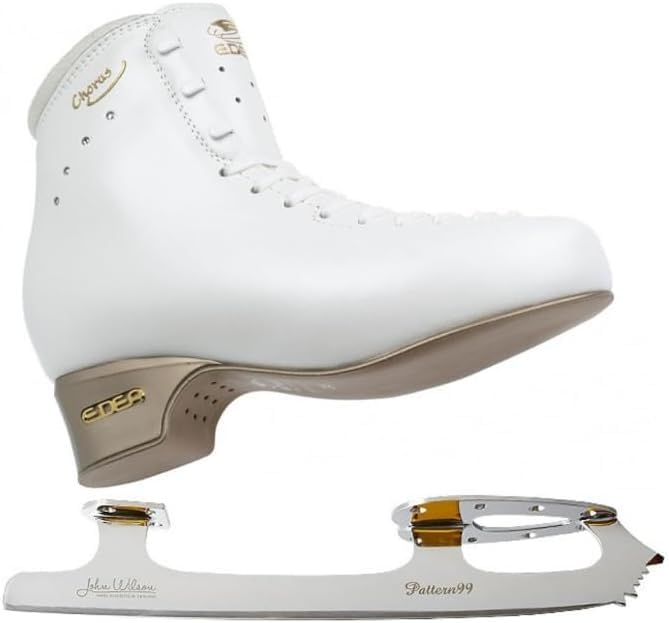
- EDEA Chorus: traditional leather and modern design for a classic look with…
- Leather exterior: The specially coated leather according to European…
- Thermal support: The lightweight, three-layer construction provides more…
Conclusion: Choosing Your Perfect Ice Dance Skates
Selecting the right figure skates for ice dancing is a foundational step. It directly impacts your safety, comfort, and technical progress on the ice. Prioritize dance-specific features like boot flexibility and blade profile.
The key takeaway is to match the skate to your current skill level and get a professional fit. Use the final checklist to verify your choice before purchasing. This ensures your investment supports your dancing journey.
Now you’re equipped with the knowledge to make an informed decision. Visit a reputable pro shop, try on multiple brands, and trust the fitting process. Your perfect pair of dance skates awaits.
Step onto the ice with confidence and let your movement flow.
Frequently Asked Questions about Ice Dance Skates
What is the main difference between ice dance and freestyle skates?
Ice dance skates have softer boots for knee bends and shorter blades with smaller toe picks. This design facilitates intricate footwork and swift turns. Freestyle skates are much stiffer to support jumps and have larger picks for take-offs.
The blade rocker is also flatter on dance skates for more stable edges. Using freestyle skates for dance restricts movement and hinders proper technique development from the start.
How should ice dance skates fit compared to regular shoes?
Ice dance skates should fit much snugger than street shoes. Your heel must be locked firmly in place with zero lift when you bend your knees. Your toes should just lightly brush the front of the boot when standing straight.
There should be no painful pressure points. Expect a break-in period where the stiff boot molds to your foot. A proper fit is non-negotiable for control and injury prevention.
Can I use recreational skates for ice dancing?
You can skate casually in recreational skates, but not for serious ice dancing. Recreational boots lack the specific lateral support needed for deep edges. Their blades are not designed for the precise turns and quick steps of dance patterns.
They will limit your progress and can be unsafe for advanced movements. Investing in proper dance skates is essential for anyone committed to learning the discipline.
How often do ice dance blades need sharpening?
Most ice dancers sharpen their blades every 20 to 40 hours of ice time. The frequency depends on ice conditions, skating style, and personal preference. You’ll know it’s time when your edges feel slippery and less secure.
Always use a certified technician who understands figure skates. Specify you need a “dance hollow,” which is typically shallower than a standard freestyle sharpening.
What is the best ice dance skate for beginners?
The best beginner ice dance skates are pre-packaged models from reputable brands. Look for options like the Riedell Soar or Jackson Ultima Elle. These offer a good balance of support and flexibility at an accessible price point.
They come with a suitable dance blade already mounted. This simplifies the purchase and ensures the components are correctly matched for a new dancer’s needs.
When should I upgrade from beginner to intermediate ice dance skates?
Upgrade when you consistently work on more complex patterns and deeper edges. If your boot feels too soft and provides inadequate support for powerful pushes, it’s time. Another sign is if you’re advancing in your test or competitive level.
Consult your coach for guidance. Intermediate skates typically involve buying separate boots and blades for a customized setup.
Why are dance blades shorter than freestyle blades?
Dance blades have a shorter tail to prevent partners from stepping on each other’s blades during close holds. The shorter length also allows for quicker, tighter turns and footwork. It improves maneuverability for intricate pattern dances.
This design minimizes the risk of catching a pick or blade during fast rotational movements. It’s a critical safety and performance feature for the discipline.
What are the most important features to look for in ice dance skates?
The three most critical features are: a boot with the right flex for your level, a dedicated dance pattern blade, and a perfect fit. The boot must allow knee bend while supporting your ankle laterally. The blade must have the correct rocker and pick profile.
Never compromise on fit. Everything else—brand, style, price—is secondary to these three core functional requirements for performance and safety.