Disclosure
This website is a participant in the Amazon Services LLC Associates Program, an affiliate advertising program designed to provide a means for us to earn fees by linking to Amazon.com and affiliated sites.
Choosing the right blade hollow is a critical decision for every figure skater. This single setting dramatically impacts your glide, grip, and control on the ice. Our complete guide provides expert tips to match your hollow to your skill level and goals.
Selecting the wrong hollow can hinder progress and cause frustration. The correct choice enhances performance and builds confidence. It solves the common problem of feeling unstable or stuck during maneuvers.
The Common Problem: Feeling Unstable or Stuck on the Ice
Many skaters struggle with a fundamental disconnect between their intent and the ice’s response. You might feel like you’re slipping out on turns or, conversely, that your blades are digging in and stopping your flow. This frustrating experience often stems from an incorrect blade hollow.
A hollow that’s too deep (a smaller ROH number) creates excessive bite. This can make gliding difficult and cause jarring stops. A hollow that’s too shallow (a larger ROH number) offers less grip, leading to a scary, slippery feeling during edges and take-offs.
Quick Fix: The Trusty Skate Honing Guide
For skaters who want to maintain a consistent hollow between professional sharpenings, a simple tool can help. A skate honing guide allows you to lightly refresh your edges at home, preserving that perfect bite and extending time between shop visits.
Recommended Product: The Sharp Pebble Honing Guide
- Easy-to-use design for both figure and hockey skates.
- Helps maintain sharp edges and correct blade alignment.
- Extends the life and performance of your professional sharpening.
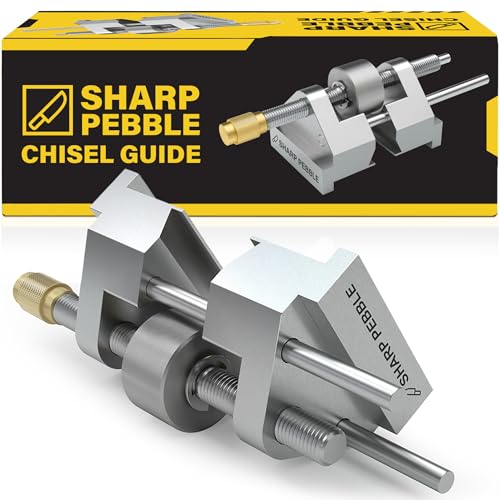
- Precision Honing Guide with Amazing Results: Careful freehand sharpening…
- Stainless Steel Design: This chisel sharpener is solidly machined from…
- Easy to Use: Place the blade into the honing guide, then use the adjuster…
When Sharpening Alone Isn’t Enough
If adjusting your hollow doesn’t solve instability, the issue may be your foundational equipment. Beginner skates often lack the supportive ankle and proper blade quality needed for advanced maneuvers. Upgrading to a boot that matches your skill level is crucial.
Start by exploring our guide to the best figure skates for beginners to ensure you have a solid base. For those ready to advance, detailed reviews like our Riedell Soar ice skates review can help you find the right supportive boot. Also, consider if your blades are suited for your primary skating environment by reading about the best ice skates for indoor and outdoor use.
Blade Hollow and Radius of Hollow (ROH)
The blade hollow is the U-shaped groove ground into the bottom of your figure skate blade. This groove creates the two distinct edges you skate on. The Radius of Hollow (ROH) refers to the depth and width of this groove, measured by the radius of the imaginary circle that would fit inside it.
A smaller ROH number means a deeper, sharper hollow. A larger ROH number indicates a shallower, flatter hollow. This single measurement is the most critical factor in customizing your blade’s performance to your skating style.
How ROH Affects Your Skating Performance
The chosen hollow directly controls the balance between grip and glide. This balance impacts every element of your skating, from basic stroking to complex jumps.
- Grip & Bite: A deeper hollow (smaller ROH) bites into the ice more aggressively. This provides excellent security on landings and tight turns.
- Glide & Speed: A shallower hollow (larger ROH) has less blade touching the ice, reducing friction. This allows for faster, smoother glides and less fatigue.
- Maneuverability: The right hollow makes executing edges and turns feel effortless. The wrong one can make you feel like you’re fighting the ice.
Common ROH Ranges and Their Best Uses
While personal preference is key, standard ranges exist for different skill levels and disciplines. Your skate technician will refer to the hollow in inches.
| ROH (Inches) | Depth | Best For |
|---|---|---|
| 1/2″ to 5/8″ | Deep | Beginners needing stability; advanced jumpers seeking maximum bite on landings. |
| 3/4″ to 7/8″ | Medium | The most popular range. Ideal for intermediate to advanced skaters in freestyle and dance. |
| 1″ to 1 1/2″ | Shallow | Advanced skaters with strong edge control; ice dancers and skaters prioritizing glide and speed. |
Most new skates are sharpened at a standard 1/2″ or 5/8″ hollow. This is a safe starting point, but optimizing it is your first step to better performance.
How to Choose Your Ideal Blade Hollow: A Step-by-Step Guide
Selecting your perfect hollow is a personal journey. It depends on your skill level, skating style, body weight, and even ice conditions. This process involves honest self-assessment and sometimes a period of experimentation.
Start with a standard recommendation based on your profile. Then, make small, incremental adjustments to dial in the feel. Always communicate clearly with your skate technician about the changes you want to feel.
Assessing Your Skating Profile and Needs
Before you change your hollow, answer these key questions. Your answers will point you toward the right starting point on the ROH spectrum.
- Skill Level: Beginners benefit from a deeper hollow (5/8″ or 1/2″) for stability. Advanced skaters can handle a shallower cut for better glide.
- Discipline & Style: Freestyle jumpers often prefer more bite. Ice dancers and skaters focused on edges and flow typically choose a shallower hollow.
- Body Weight: Heavier skaters may need a slightly shallower hollow to prevent excessive digging. Lighter skaters might need a deeper cut to achieve sufficient grip.
The Process of Testing and Refining Your Hollow
Finding your ideal hollow is rarely a one-time decision. Follow this methodical approach to refine your choice without frustration.
- Start Standard: Begin with a common recommendation for your profile (e.g., 3/4″ for an intermediate freestyle skater).
- Skate and Analyze: Pay close attention to your feel on the ice for 2-3 sessions. Are you slipping or catching?
- Adjust Incrementally: Only change your ROH by 1/8″ at a time. A smaller change than you think can make a huge difference.
- Communicate Clearly: Tell your sharpener exactly what you felt and what you want to change (e.g., “I felt stuck on my landings, I want less bite”).
This iterative process ensures you systematically find the hollow that makes your skating feel effortless and controlled.
Advanced Considerations and Professional Sharpening Tips
Once you understand the basics, you can fine-tune your hollow for peak performance. Advanced skaters must also consider blade profile, ice temperature, and sharpening frequency. These factors work in tandem with your ROH choice.
Building a relationship with a skilled skate technician is invaluable. They can provide personalized advice and ensure consistent, high-quality sharpenings. This consistency is key to maintaining your ideal feel on the ice.
Beyond the Hollow: Blade Profile and Ice Conditions
The hollow is just one part of your blade’s geometry. The blade profile—the curvature from toe to heel—also significantly affects performance. A complementary profile and hollow create a perfect setup.
- Profile Rocker: A more pronounced rocker aids in spins and tight turns. A flatter rocker promotes stability and glide speed.
- Ice Temperature: Hard, cold ice requires a slightly shallower hollow to prevent excessive bite. Soft, warm ice often needs a deeper cut for adequate grip.
- Blade Quality: High-end blades hold a precise edge longer. This consistency is crucial when you’ve found your perfect hollow.
How Often to Sharpen Your Figure Skates
Sharpening frequency depends on your skating hours, intensity, and the ice quality. A dull blade will negate the benefits of a perfectly chosen hollow. Watch for these key signs you need a sharpening.
Follow these general guidelines, but always let feel be your final judge:
| Skater Level | Typical Frequency | Key Consideration |
|---|---|---|
| Beginner / Recreational | Every 15-20 hours | Focus on maintaining a consistent edge for learning. |
| Intermediate | Every 10-15 hours | Regular sharpening preserves jump and spin technique. |
| Advanced / Competitive | Every 5-10 hours | Peak edge sharpness is non-negotiable for performance. |
Always request the same ROH from your technician and specify if you want any changes. Clear communication ensures you leave with the exact hollow you need.
Troubleshooting Common Blade Hollow Problems
Even with a good starting point, you may encounter issues. Recognizing the symptoms of an incorrect hollow helps you diagnose and fix problems quickly. Most issues stem from a mismatch between your hollow and your current skating needs.
Listen to your skates and your body. Persistent problems with specific elements often point directly to your blade setup. The right adjustment can transform your confidence on the ice.
Diagnosing “Too Deep” vs. “Too Shallow” Hollow Feelings
Identifying the problem is the first step to the solution. Use this comparison to pinpoint whether you need more or less bite.
| Symptom | Likely Cause: Too DEEP a Hollow | Likely Cause: Too SHALLOW a Hollow |
|---|---|---|
| General Sensation | Feeling “stuck” or “dragging”; tires quickly. | Feeling “slippery” or “out of control.” |
| On Turns & Edges | Blade catches unpredictably; hard to maintain flow. | Skates slip out from under you; lack of grip. |
| On Jumps & Landings | Harsh, jarring landings; difficult to check out. | Landings feel unstable; foot slides on impact. |
| Sound on Ice | Loud, scraping sound. | Quiet, insubstantial sound. |
Quick Fixes and When to See a Professional
For minor adjustments, you can take action yourself. For persistent issues or major changes, always consult a certified skate technician.
Follow this decision path to solve your hollow problem effectively:
- Identify the Symptom: Use the table above to decide if you have too much or too little bite.
- Plan the Adjustment: To reduce bite, request a larger ROH (e.g., go from 1/2″ to 5/8″). To increase bite, request a smaller ROH (e.g., go from 7/8″ to 3/4″).
- Visit Your Technician: Clearly describe the symptom and your desired change. A good tech will confirm and execute the adjustment.
- Test and Refine: Skate on the new hollow for at least two sessions. Allow your muscles to adapt before deciding if further tweaking is needed.
Specialized Hollow Recommendations by Skater Type
While personal experimentation is key, starting with a proven recommendation accelerates the process. Different skating disciplines and goals demand different balances between grip and glide. These guidelines provide a strategic starting point for your hollow selection.
Remember, your weight, strength, and ice conditions will fine-tune these suggestions. Use them as a foundation, not a final answer. The goal is to minimize trial and error from the very first sharpening.
Best Blade Hollow for Beginners and Recreational Skaters
New skaters need stability and forgiveness above all else. A hollow that provides consistent grip builds confidence and helps master basic skills safely. The priority is control, not maximum speed.
- Recommended ROH: Start with a 5/8″ to 1/2″ hollow. This deeper cut offers security for learning edges, stops, and basic turns.
- Why It Works: The extra bite prevents unexpected slips, allowing you to focus on posture and technique without fear.
- When to Change: Consider moving to 3/4″ once your stroking becomes strong and you feel overly “stuck” or fatigued on long glides.
Pairing the right hollow with proper beginner skates is essential. Explore our guide to the best figure skates for beginners to ensure your boots provide the necessary support.
Optimal Hollow Settings for Freestyle and Ice Dance
As skating becomes more specialized, hollow preferences diverge. Freestyle skaters prioritize explosive power and secure landings. Ice dancers need seamless flow and minimal friction for intricate footwork.
Freestyle/Jumpers: Often prefer 3/4″ to 5/8″ for grip on take-offs and landings.
Ice Dancers/Artistic Skaters: Typically choose 7/8″ to 1″+ for superior glide and edge flow.
Advanced skaters should also consider their blade’s overall quality and profile. For insights on high-performance boots that complement a precise hollow, read our 5th Element Grace ice skates review. For versatile options, our Lake Placid Nitro review covers a popular adjustable model.
Maintaining Your Blade Hollow and Final Checklist
Choosing the perfect hollow is only half the battle. Proper maintenance ensures you enjoy its benefits consistently. Your blades are precision tools that require care and attention to perform their best.
Establishing simple routines for protection, drying, and timely sharpening will extend your blade’s life. It also preserves that custom feel you worked so hard to achieve. Consistency is the hallmark of a serious skater.
Essential Blade Care and Protection Practices
Daily care prevents rust, nicks, and premature dulling. These habits protect your investment and your perfect hollow setting between sharpenings.
- Always Use Soft Guards: Put on terry cloth soakers immediately after skating. Never walk in hard guards, as this dulls edges.
- Dry Thoroughly: Wipe blades completely dry with a soft towel before storing. Remove soakers once blades are dry to air them out.
- Store Properly: Keep skates in a breathable bag, not a sealed plastic case. This prevents moisture buildup and corrosion.
- Guard the Edges: Use hard plastic guards only for brief walking to and from the ice surface.
Your Pre-Sharpening Consultation Checklist
Before you visit your technician, be prepared. Clear communication leads to a perfect sharpening result. Use this checklist to get exactly what you need every time.
- Know Your Current ROH: Write down your last hollow setting (e.g., “3/4 inch”).
- Define the Problem or Goal: Be specific. Say, “I’ve been slipping on my right outside edge,” or “I want to try a slightly shallower hollow for more glide.”
- State Your Request Clearly: “Please sharpen to a 7/8″ hollow,” or “Please take me from 1/2″ to 5/8″.”
- Ask for Inspection: Request they check for flat spots, nicks, or uneven wear before starting.
- Confirm the Machine: Ensure they use a fixture that sharpens the entire blade length evenly, not a handheld stone.
Best Skate Sharpeners and Tools for Maintaining Your Hollow
While professional sharpening is essential, the right tools help you preserve that perfect edge between visits. These products protect your investment and extend the life of your custom hollow setting. They are must-haves for any serious skater’s gear bag.
Sharp Pebble Honing Guide – Best Maintenance Tool
The Sharp Pebble Honing Guide is the gold standard for at-home edge maintenance. Its precise aluminum guide ensures you hone at the correct angle every time. This tool refreshes your edges, fights rust, and significantly extends time between professional sharpenings. It’s ideal for all skaters wanting consistent performance.
- Precision Honing Guide with Amazing Results: Careful freehand sharpening…
- Stainless Steel Design: This chisel sharpener is solidly machined from…
- Easy to Use: Place the blade into the honing guide, then use the adjuster…
Edge Pro 4Plus Sharpening Machine – Best for Clubs/Coaches
For skating clubs or serious coaches, the Edge Pro 4Plus Sharpening Machine offers professional-grade results. Its consistent clamping system and high-speed motor deliver a perfect, repeatable hollow. This machine allows for on-demand sharpening with precise control over ROH. It’s the best option for those who sharpen frequently.
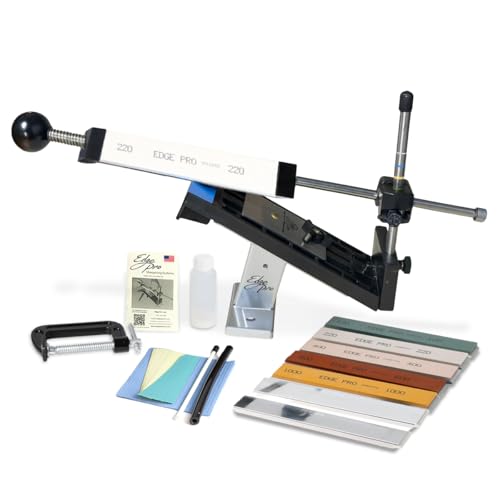
- Enhanced A-Plus Frame for Superior Stability – Upgrade your sharpening…
- Flexible Mounting Options for Any Setup – Clamp the system to a countertop…
- Ergonomic Elevated Work Height – Sharpen longer and more comfortably. The…
Chazcool Skate Blade Sharpener – Best Portable Professional Option
The Chazcool Skate Blade Sharpener is a compact, powerful sharpener used by many mobile technicians. Its portability doesn’t sacrifice accuracy, providing a tournament-quality finish. This model is ideal for pros who travel or rinks needing a reliable, space-efficient machine. It delivers a consistent hollow with every use.

- Application: This type of ice skate blade is widely used in most ice hockey…
- Convenient and practical: When using our skate sharpener, you can keep the…
- Adjustable design: The skate blade can adapt to different skate blade…
Conclusion: Mastering Your Blade Hollow for Peak Performance
Choosing the right blade hollow transforms your skating experience. It bridges the gap between effort and effortless flow on the ice. This guide provides the roadmap to find your perfect balance of grip and glide.
The key takeaway is to start with a standard recommendation and adjust incrementally. Listen to your skates and keep a simple journal of what works. Your ideal hollow is a personal signature.
Take this knowledge to your next sharpening appointment. Communicate clearly with your technician using the terms and steps outlined here. Your confidence and control will improve immediately.
Embrace the process of fine-tuning your equipment. The perfect hollow unlocks a new level of connection with the ice, making every session more rewarding.
Frequently Asked Questions About Blade Hollow
What is the most common blade hollow for beginner figure skaters?
The most common starting hollow for beginners is 5/8 of an inch (5/8″). This radius provides a good balance of stability and glide. It offers enough bite to prevent slipping while learning basic edges and stops.
Many new skates come pre-sharpened at this depth. It’s a safe, forgiving choice that builds confidence. Beginners can adjust from this point as their skills and strength develop.
How do I know if my blade hollow is too deep?
You’ll feel like your skates are “grabbing” or “catching” the ice unpredictably. Gliding feels difficult and requires excessive effort. You may also experience harsh, jarring landings on jumps.
Your strides will feel short and labored. Listen for a loud scraping sound instead of a smooth hiss. If you feel stuck or tire quickly, a shallower hollow is likely needed.
What is the best blade hollow for doing jumps and spins?
For jumps, a medium hollow like 3/4″ or 7/8″ is often preferred. It provides secure bite for take-offs and landings without being too grabby for the glide-in. For spins, consistency is key, so a hollow you’re comfortable with on edges works best.
Many freestyle skaters use 3/4″ as it supports both elements well. Ultimately, the “best” hollow depends on your weight, technique, and personal feel during rotation and landing.
Can the same hollow feel different on different ice rinks?
Yes, ice conditions dramatically affect hollow feel. Hard, cold ice makes any hollow feel more aggressive and bite harder. You might feel stuck. Soft, warm ice makes blades feel dull and slippery, even with a deep hollow.
Some competitive skaters adjust their hollow seasonally or for specific rinks. For consistent recreational skating, choose a hollow that works best at your home rink’s typical temperature.
How often should I change my blade hollow setting?
Change your hollow only when your skating needs change. This could be due to a new skill level, different discipline focus, or significant change in body weight. Don’t change it frequently on a whim.
Stick with one setting long enough to properly assess it—at least several skating sessions. Constant changing prevents your muscles from adapting and makes it impossible to diagnose true progress.
What’s the difference between blade sharpening and changing the hollow?
Sharpening restores the blade’s U-shaped groove and sharp edges, typically maintaining the same hollow (ROH). Changing the hollow means altering the depth/width of that U-shape to a new measurement (e.g., from 1/2″ to 3/4″).
Every sharpening removes a tiny amount of steel. You request the same or a new ROH each time. A technician can sharpen your blades without changing the hollow if you’re happy with the current feel.
Is a deeper hollow better for heavier skaters?
Not necessarily. Heavier skaters naturally press their edges into the ice with more force. Therefore, they often achieve sufficient grip with a shallower hollow than a lighter skater would use. A deep hollow can cause them to dig in too much.
A medium or medium-shallow hollow (like 3/4″ or 7/8″) is a common starting point for heavier adults. It provides control without sacrificing glide or causing fatigue.
What should I tell my skate sharpener when getting a new hollow?
Be specific and use the terminology from this guide. State: “Please sharpen my skates to a [X] inch hollow,” replacing X with your desired measurement (e.g., 3/4). Briefly explain your goal, like “for more glide” or “less bite on landings.”
If unsure, ask for their recommendation based on your weight, level, and the issues you’re experiencing. A good technician will ask clarifying questions to ensure you get the right result.
Can I Change My Hollow Myself?
No, you cannot change the radius of hollow yourself without professional equipment. Sharpening a figure skate blade requires a precise, calibrated grinding machine. Attempting to modify it with handheld tools will ruin your blades.
Your role is to diagnose the feel and request the change. A certified skate technician executes the sharpening. This ensures a consistent, even hollow across the entire blade length.
- What you CAN do: Use a honing guide to maintain edges between professional sharpenings.
- What you MUST NOT do: Use a file, stone, or any abrasive on the blade bottom yourself.
How Does Body Weight Affect Hollow Choice?
Body weight significantly impacts how a hollow performs. Heavier skaters exert more pressure on the blade’s edges. Lighter skaters exert less pressure.
This is why personal experimentation is crucial. A recommendation based on skill alone may need adjustment for your specific weight and strength.
Should My Spin Rocker Affect My Hollow?
Yes, the spin rocker and hollow work together. A more pronounced rocker (a tighter curvature at the front) facilitates quicker spins and turns. This is often paired with a hollow that offers good grip, like a 3/4″.
A flatter overall blade profile promotes stability and speed. It may pair well with a slightly shallower hollow to maximize glide. Discuss your entire blade setup—profile and hollow—with your technician for a cohesive performance feel.
For skaters considering new blades with different profiles, research is key. Our Riedell Soar review details a popular blade’s performance, which can influence your hollow choice.