Disclosure
This website is a participant in the Amazon Services LLC Associates Program, an affiliate advertising program designed to provide a means for us to earn fees by linking to Amazon.com and affiliated sites.
Drying figure skate boots overnight is crucial for comfort and boot longevity. Wet boots from heavy use can cause blisters and damage the materials. This guide provides the fastest, safest methods.
Proper drying prevents odor, mold, and structural breakdown. It ensures your expensive skates remain supportive and perform well. We solve the core problem of moisture effectively.
The Hidden Dangers of Wet Figure Skate Boots
Moisture is the enemy of your skates. After a heavy session, sweat and melted ice soak into the boot’s interior and padding. This creates an ideal environment for bacteria and mold to grow overnight.
Beyond unpleasant odors, this dampness breaks down the boot’s structural materials. The leather or synthetic parts can stiffen, crack, or lose their shape. This compromises the crucial ankle support figure skating requires.
Wet boots also lead to immediate discomfort. Damp linings cause blisters and cold feet on your next skate. Proper overnight drying is essential for both your performance and your investment.
Quick Fix: The Boot Dryer Solution
For consistent, safe drying, a dedicated boot dryer is your best tool. It uses gentle, forced air to circulate inside the boot, evaporating moisture without damaging heat.
We recommend the PEET Dryer Original. It’s a reliable, fanless dryer that uses convection to dry boots gently and effectively overnight.
- Gentle Convection Drying: Uses ambient air flow, not direct heat, to protect delicate materials.
- Versatile Design: Adjustable arms fit figure skate boots, sneakers, and gloves.
- Quiet Operation: Perfect for overnight use in any room.
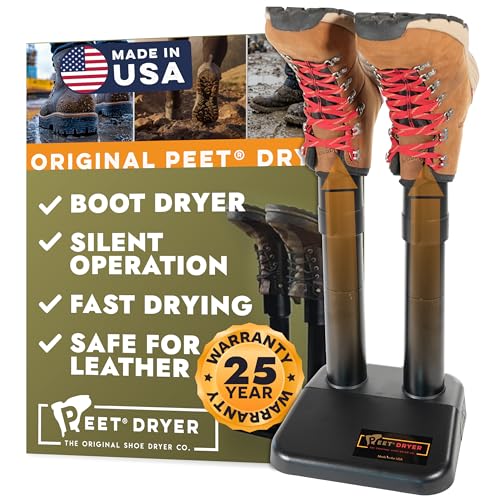
- SILENT, ALWAYS-ON DRYING: The Original PEET uses a patented DryPort system…
- DRIES MOST FOOTWEAR OVERNIGHT: Safe, gentle airflow reaches the inside of…
- EXPAND YOUR DRYING SYSTEM: Compatible with PEET Helmet DryPort, Glove…
Check current price on Amazon →
When Drying Alone Isn’t Enough
If your boots are consistently soaked, it may indicate a fit or performance issue. Poorly fitting skates can cause excessive sweating, while lower-quality boots may lack adequate moisture-wicking liners.
Consider if it’s time for an upgrade. Investing in a quality pair designed for better breathability can solve the root cause. Explore our guide on the best ice skates for warmth and comfort to find models that manage moisture better.
For specific recommendations, read our in-depth reviews of high-performance models like the Jackson Ultima Classic series or the versatile 5th Element Grace ice skates.
Proven Methods to Dry Skates Overnight
Successfully drying your figure skate boots requires the right technique. The goal is to remove moisture without damaging the boot’s structure. These proven methods ensure your skates are ready by morning.
Each approach balances speed with material safety. Avoid high heat sources like radiators or hair dryers at all costs. They can warp leather and melt synthetic components.
Method 1: The Newspaper Absorption Technique
This classic method is highly effective and requires no special equipment. It uses crumpled newspaper to wick moisture from deep inside the boot.
- Remove liners and laces: Take out any removable liners and fully untie the laces.
- Crumple dry newspaper: Loosely ball up several sheets of black-and-white newspaper (avoid colored ink).
- Pack the boots tightly: Fill the entire toe box and ankle area with the paper balls.
- Replace paper after 2 hours: Swap the damp newspaper for fresh, dry balls before you sleep.
Place the packed boots in a well-ventilated area, not in a closed bag. The newspaper will absorb the majority of the moisture overnight.
Method 2: Using a Dedicated Boot Dryer
For skaters who train frequently, a boot dryer is a worthwhile investment. It provides consistent, gentle drying with minimal effort.
Simply place the dryer’s wands inside each boot and turn it on. Most models have a timer or can safely run for 8-10 hours. Look for dryers with these features:
- Fan-forced, room-temperature air: Circulates air without applying damaging heat.
- Adjustable wands: Fits different boot sizes and depths properly.
- Multiple ports: Allows you to dry skates, gloves, and guards simultaneously.
| Method | Best For | Time to Dry |
|---|---|---|
| Newspaper | Occasional skaters / low cost | 6-8 hours |
| Boot Dryer | Frequent skaters / convenience | 4-6 hours |
What to Avoid When Drying Your Skates
Knowing what not to do is just as important as knowing the right techniques. Common mistakes can permanently damage your expensive figure skate boots. Avoid these pitfalls to protect your investment.
Many quick-fix methods seem logical but have destructive consequences. Heat and improper handling are the primary culprits for ruined skates. Let’s break down the critical errors to steer clear of.
Direct Heat Sources: The Fastest Way to Ruin Boots
Applying direct heat is the most common and damaging mistake. It causes irreversible harm to the boot’s materials and fit.
- Hair Dryers & Heat Guns: Concentrated hot air dries the surface too fast. This causes the outer material to shrink and crack while the interior stays wet.
- Radiators & Space Heaters: Uneven, intense heat can melt synthetic components and weaken the boot’s stiffeners. It also dries out leather, making it brittle.
- Ovens & Clothes Dryers: These are absolutely forbidden. The temperatures are uncontrolled and will delaminate layers and destroy the boot’s shape completely.
Poor Airflow and Storage Mistakes
Even with good intentions, poor drying setup can lead to mildew and odors. Proper environment is key for overnight success.
- Avoid Sealed Bags: Never place damp skates in a sealed skate bag or plastic container. This traps moisture and breeds bacteria and mold.
- Don’t Dry on Their Sides: Always dry boots upright. Laying them on their side can cause moisture to pool and distort the ankle support area.
- Skip the Car Trunk: Extreme temperature fluctuations in a car can damage boots. It’s also a poor environment for consistent air circulation.
Instead, place boots in a dry, room-temperature area with good air movement. A simple fan blowing nearby can significantly improve drying time and effectiveness.
Advanced Tips for Faster Drying and Boot Care
Beyond basic drying, pro-level care extends your skate’s life and performance. These advanced tips tackle stubborn moisture and integrate drying into your regular routine. They ensure your boots stay in competition-ready condition.
Implementing these habits prevents long-term damage from repeated wetness. Consistent care is the hallmark of serious figure skaters who value their equipment.
Pre-Drying Prep: Maximize Airflow Immediately
Your actions right after skating set the stage for overnight success. Start the drying process before you even leave the rink.
- Loosen Laces Fully: As soon as you take your skates off, completely undo the laces. Pull the tongue forward as far as possible to open the boot.
- Use Absorbent Socks: Immediately stuff the boots with cedar shoe trees or moisture-wicking towels. This begins absorbing sweat during your commute home.
- Remove Guards & Blades: Wipe down blades and soles to prevent rust and transfer moisture. Let guards air dry separately.
This 5-minute routine can cut your total drying time by several hours. It’s the most effective step for heavily soaked boots.
Essential Accessories for Moisture Management
The right gear makes moisture control effortless. These accessories are affordable and highly effective.
- Cedar Shoe Trees: These absorb moisture, eliminate odors, and help maintain the boot’s original shape. They are a long-term investment in boot preservation.
- Moisture-Wicking Skate Socks: Wear technical socks made of merino wool or synthetic blends. They pull sweat away from your feet, leaving boots less damp.
- Silica Gel Packs: After drying, toss a few packs into your skate bag. They absorb residual ambient moisture during storage.
Creating a Consistent Drying Routine
Make drying an automatic part of your post-skate ritual. Consistency prevents neglect on busy or tired days.
Designate a specific, well-ventilated spot at home for your skates. Keep your drying supplies (newspaper, boot dryer, towels) in that area. This removes friction from the process and ensures your boots are always ready.
Special Considerations for Different Skate Materials
Not all figure skate boots are created equal. The material of your boot dictates the safest drying approach. Using the wrong method can damage specific leathers or synthetics.
Understanding your boot’s composition is the first step to proper care. Always check the manufacturer’s guidelines for specific recommendations. This section covers the most common materials.
Drying Leather Figure Skate Boots
Leather is a natural, breathable material that requires gentle care. It can stiffen and crack if dried improperly with high heat.
- Priority: Shape Retention: Always use cedar shoe trees in leather boots. They absorb moisture while maintaining the critical molded shape of the ankle and heel.
- Avoid Rapid Drying: Let leather dry slowly at room temperature. The newspaper method is excellent for full-grain or nubuck leather skates.
- Condition After Drying: Once completely dry, apply a light leather conditioner to the exterior. This prevents the material from becoming brittle.
Never expose leather boots to direct sunlight or intense heat sources. This will cause the leather to dry out and lose its suppleness.
Drying Synthetic & Hybrid Boots
Modern synthetic materials (like Clarino) and hybrid boots are common. They often have different care requirements than traditional leather.
- Check for Removable Liners: Many synthetic boots feature liners that can be taken out. Always remove and dry these separately for the fastest results.
- Beware of Glue and Stiffeners: High heat can melt the adhesives and soften the internal stiffeners (often plastic). Use only room-temperature air circulation.
- Focus on Interior Drying: Synthetics may not breathe as well. Ensure your method targets the interior padding where sweat accumulates.
| Material Type | Best Drying Method | Key Caution |
|---|---|---|
| Full-Grain Leather | Newspaper + Cedar Trees | Never use direct heat; condition after. |
| Synthetic (Clarino) | Boot Dryer (cool air) / Remove Liners | Avoid heat that melts glue. |
| Hybrid (Leather/Synthetic) | Air Circulation + Moisture Absorption | Treat for the most delicate material present. |
Long-Term Boot Maintenance and Prevention
Overnight drying is a reactive measure. A proactive maintenance routine prevents excessive moisture buildup in the first place. This long-term strategy protects your investment and enhances performance.
Consistent care extends the lifespan of your skates significantly. It also ensures they provide reliable support and comfort for years. Let’s explore the habits that make drying easier.
Establishing a Post-Skate Ritual
Turn boot care into an automatic habit. A simple, consistent routine takes minutes but saves hours of drying time.
- Wipe Down Immediately: Use a dry microfiber cloth to wipe the inside lining after each use. This removes surface sweat before it soaks in deeply.
- Air Out Instantly: Never leave damp skates in a closed bag. Open your skate bag wide or remove skates entirely as soon as you get home.
- Rotate Your Gear: If you skate multiple days in a row, consider having two pairs of boots or using high-quality rental skates for lighter sessions to allow for proper drying cycles.
Investing in the Right Support Gear
The accessories you use directly impact how much moisture your boots absorb. Smart gear choices are a form of prevention.
- Performance Skate Socks: Wear moisture-wicking socks made of merino wool or technical synthetics. Cotton traps sweat against your skin and transfers it to the boot.
- Boot Covers & Soakers: Use absorbent terrycloth soakers after skating. They wick moisture away from the blades and soles, preventing rust and leather damage.
- Proper Storage: Store dry skates in a breathable bag or open shelf, not a plastic box. Include a silica gel pack to control ambient humidity.
- Daily: Wipe lining, air out, use cedar trees.
- Weekly: Check for loose stitches or wear, condition leather (if applicable).
- Seasonally: Deep clean liners (if removable), inspect blades and mounting.
Knowing When to Seek Professional Help
Persistent problems may indicate issues beyond routine drying. If boots develop a permanent odor, severe stiffness, or internal breakdown, consult a professional skate technician.
They can assess if the boot is salvageable or if the core materials are compromised. Sometimes, the most cost-effective long-term solution is investing in a new, well-fitting pair designed for better performance.
Troubleshooting Common Drying Problems
Even with the best methods, you might encounter stubborn issues. This troubleshooting guide addresses specific problems with targeted solutions. Don’t panic—most moisture-related issues are fixable with the right approach.
Identify your specific problem below and follow the recommended steps. Acting quickly can prevent minor issues from becoming major damage.
Problem: Boots Smell Musty or Like Mildew
A persistent musty odor indicates mold or bacteria growth deep in the lining. This requires more than just drying; it needs disinfection.
- Freeze Them: Place the boots in a plastic bag and freeze them for 24-48 hours. Extreme cold kills odor-causing bacteria.
- Use a UV Shoe Sanitizer: These devices use ultraviolet light to kill microbes inside the boot without chemicals.
- Apply a Specialist Treatment: Use a product like OdorStop Shoe & Boot Deodorizer Spray. It uses natural enzymes to break down odor molecules.
After treatment, ensure boots are completely bone-dry before wearing or storing. Moisture is the root cause of the smell returning.
Problem: Boots Feel Stiff and Uncomfortable After Drying
Over-drying or using heat can sap moisture from leather, making it hard and inflexible. You need to rehydrate the material carefully.
- For Leather Boots: Apply a small amount of leather conditioner or mink oil to the exterior. Buff it in gently and let it absorb for 24 hours. Never over-apply.
- For Synthetic Boots: Stiffness may be from melted glue or warped stiffeners. This damage is often irreversible. A skate tech may be able to assess and repair.
- General Softening: Wear thick socks and gently flex the boots by hand for a few minutes daily to help break them in again.
| Symptom | Likely Cause | Immediate Action |
|---|---|---|
| White salt stains on leather | Dried sweat (perspiration salts) | Wipe with a 50/50 water & white vinegar solution, then condition. |
| Interior lining peeling away | Glue failure from heat/moisture | Stop using; consult a skate technician for re-gluing. |
| Cold, damp feel that won’t go away | Deep-seated moisture in padding | Use a boot dryer on continuous low for 24+ hours. |
Best Products for Drying Figure Skate Boots Overnight
Investing in the right gear makes overnight drying effortless and reliable. These three products are highly recommended by skaters for their effectiveness and safety. Each serves a slightly different need and budget.
Using a dedicated tool protects your skate investment far better than makeshift methods. Consider your skating frequency and boot type when choosing.
PEET Dryer Original (2-Shoe) – Best Overall Dryer
The PEET Dryer Original is a fanless, convection-based system that uses gentle ambient air circulation. It’s ideal for all boot materials, including delicate leather. Its simple, durable design runs quietly overnight without overheating risks.
Best for: Skaters who want a set-and-forget solution that’s safe for all boot types.
- SILENT, ALWAYS-ON DRYING: The Original PEET uses a patented DryPort system…
- DRIES MOST FOOTWEAR OVERNIGHT: Safe, gentle airflow reaches the inside of…
- EXPAND YOUR DRYING SYSTEM: Compatible with PEET Helmet DryPort, Glove…
DryGuy Force Dry DX Boot Dryer – Best for Heavy Use
This model features forced air with a 12-hour timer and two-speed fan. The adjustable warm air setting (on low) can tackle deeply saturated boots faster. Its multiple ports can dry skates, gloves, and guards simultaneously.
Best for: Frequent skaters or those in humid climates who need powerful, adjustable drying.

- SAFE & EFFECTIVE DRYING – Safe to use on nearly any type of material, the…
- QUICK DRY PROCESS – Central forced-air blower circulates air evenly…
- NO DISRUPTIVE NOISE – Whisper-quiet rotary blower operates silently to…
Forlim Boot & Glove Dryer – Best Budget & Travel Option
The Forlim is a compact, USB-powered dryer perfect for travel or dorm rooms. It uses room-temperature airflow and comes with flexible nozzles. Its low price and portability make it an excellent entry-level choice.
Best for: Occasional skaters, younger skaters, or anyone needing a portable, affordable dryer.

- 3 TEMP MODES: Choose fan only, low heat, or high heat for sneakers, leather…
- 24H DELAY START: Set the activation timer from 0.5-24 hours so shoes can be…
- FORCED AIR DRYING: 200W airflow reaches about 104-140°F to help dry damp…
Conclusion: Mastering Overnight Skate Drying for Lasting Performance
Properly drying your figure skate boots overnight is non-negotiable for serious skaters. It preserves boot integrity, prevents odors, and ensures comfort. The methods outlined protect your investment and performance.
The key takeaway is to prioritize air circulation over direct heat. Whether using newspaper or a boot dryer, gentle drying wins. Make it a consistent part of your post-skate ritual.
Start tonight by choosing one proven method from this guide. Your future self—and your dry, supportive skates—will thank you at your next session.
With the right care, your boots will provide reliable support for countless performances to come.
Frequently Asked Questions about Drying Figure Skate Boots
What is the fastest way to dry figure skate boots without a dryer?
The fastest no-dryer method combines newspaper with active airflow. Pack boots tightly with crumpled newspaper and replace it every hour. Place the boots upside down in front of a standard room fan to dramatically increase evaporation speed.
This accelerated approach can dry moderately wet boots in 4-5 hours. Ensure you remove all liners and open the tongue fully to maximize internal air circulation from the start.
How can I tell if my skate boots are completely dry inside?
Perform the “hand test” by reaching deep into the toe box and ankle padding. The lining should feel cool but not cold or clammy. Any lingering dampness or a musty smell indicates moisture remains.
For absolute certainty, use cedar shoe trees overnight after your initial drying. If the wood feels damp in the morning, your boots needed more time. Never store skates that aren’t bone dry.
Is it safe to use a hair dryer on my figure skates?
No, using a hair dryer is strongly discouraged. The concentrated, direct heat can warp leather, melt synthetic materials, and break down the adhesives holding the boot together. This causes irreversible damage to the boot’s structure and fit.
Heat dries the surface too quickly, creating a hard shell that traps moisture inside the padding. Always opt for gentle, room-temperature air circulation methods instead for safe drying.
What should I do if my boots develop a mildew smell?
First, freeze the boots for 24-48 hours in a sealed plastic bag to kill mold spores. Then, use a dedicated UV shoe sanitizer or an enzyme-based deodorizer spray designed for athletic gear. These treatments target odor-causing bacteria without chemicals.
After treatment, ensure a thorough, complete dry using a boot dryer or desiccant method. Prevent recurrence by never storing damp skates and using moisture-wicking socks.
Can I put my figure skate boots in a regular clothes dryer?
Absolutely not. The intense, tumbling heat of a clothes dryer will destroy your skates. It can melt components, delaminate the sole, and completely warp the boot’s crucial ankle support structure. The risk of catastrophic damage is extremely high.
Treat your figure skates as precision athletic equipment, not regular footwear. The drying process must be controlled and gentle to maintain their performance characteristics and safety.
Are boot dryers worth the investment for casual skaters?
For casual skaters, a budget-friendly dryer or the newspaper method is sufficient. However, if you skate weekly or own expensive boots, a dryer is a wise investment. It extends boot lifespan, prevents odor, and offers convenience.
Consider a compact, affordable model like a USB-powered dryer. It pays for itself by preventing the cost of premature boot replacement due to moisture damage.
How do I dry my skate boots in a humid climate?
In high humidity, air circulation is critical. Use a forced-air boot dryer on a longer cycle (8-10 hours). Supplement with moisture-absorbing products like silica gel packs or rechargeable desiccant bags placed inside the boots after the dryer cycle.
Never dry boots in a basement or bathroom. Choose the driest room in your house, ideally with a dehumidifier running, to lower the ambient moisture they’re drying in.
What’s the best way to dry skate boots with removable liners?
Always remove the liners and dry them separately. This is the most effective method. Hand-wash liners if allowed, then air dry. For the boot shell, use cedar trees or a dryer to maintain shape while the interior airs out.
Separating the components cuts drying time in half and ensures no moisture is trapped between the liner and the shell, which is a common cause of mildew.
How Can I Dry My Skates Fast Without a Dryer?
For a quick dry without special equipment, the newspaper method is your best bet. Maximize its effectiveness with these steps.
- Accelerate with Airflow: Place the newspaper-stuffed boots in front of a gentle fan. The moving air dramatically increases evaporation speed.
- Use More Absorbent Material: Swap the damp newspaper for fresh, dry balls every 60-90 minutes for the first few hours.
- Elevate and Open: Position the boots upside down on a boot stand or rack. This lets gravity help pull moisture down and out.
This accelerated approach can cut drying time to 4-5 hours. It’s perfect for an afternoon session before an evening skate.
Can I Use Rice or Cat Litter to Dry My Boots?
While rice is a known moisture absorber for electronics, it’s not ideal for skates. Uncooked rice grains can leave dust and starch inside the boot’s lining.
Non-clumping, silica crystal cat litter is a better alternative. Place it in a breathable sock or fabric pouch before inserting it into the boot. This contains the crystals while allowing them to absorb moisture effectively.
- Pros: Highly absorbent, reusable (can be dried in an oven), and inexpensive.
- Cons: Can be messy if the pouch breaks; doesn’t help with shape retention like cedar trees.
How Do I Know When My Skates Are Fully Dry?
Don’t rely on just the exterior feel. Moisture hides in the toe box and ankle padding. Use the hand test for accuracy.
Insert your hand deep into the boot and feel the interior lining, especially around the heel. It should feel cool but not cold or damp. Any lingering dampness or a musty smell means they need more time.
When in doubt, give them an extra hour. Putting on slightly damp boots reverses all your drying progress and restarts the moisture cycle.