Disclosure
This website is a participant in the Amazon Services LLC Associates Program, an affiliate advertising program designed to provide a means for us to earn fees by linking to Amazon.com and affiliated sites.
Your figure skates hurt your ankles primarily due to improper fit, lack of support, or a break-in period. This common issue can turn a graceful sport into a painful struggle.
Solving this pain is crucial for performance and enjoyment on the ice. Our complete guide provides expert tips and proven methods for immediate relief.
Diagnosing the Root Causes of Ankle Pain
Ankle pain in figure skates typically stems from a few key issues. The most common culprit is an improper boot fit, either too loose or too tight. A lack of adequate ankle support or stiff, unbroken-in boots can also be to blame.
Specific problems include pressure points, lace bite, and boots that are too tall or too stiff for your skill level. Identifying which one affects you is the first step toward a pain-free skate. Our comprehensive guide on the best figure skates for beginners explains how proper support varies by experience.
A Quick Fix for Pressure and Friction
For immediate relief from pressure points and lace bite, protective gel sleeves are a game-changer. They cushion the ankle and Achilles tendon, reducing friction and impact.
Recommended Product: Silipos Ankle Gel Sleeves
- Made from medical-grade silicone gel for maximum cushioning.
- Stay in place without slipping during intense movement.
- Machine washable and designed for long-term use.
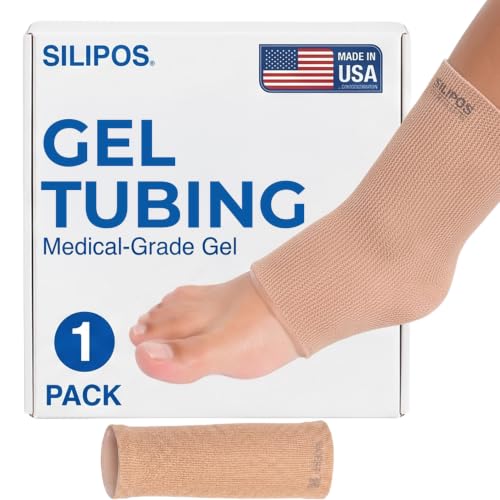
- Applications: this limb protector can be used for the safety of fingers…
- Skin Safe: this ankle compression sleeve causes no irritation or pinching…
- Athletic Compression Sleeve: this ankle sleeve is ideal for figure skaters…
Check current price on Amazon →
When a Quick Fix Isn’t Enough
If pain persists after using protective gear, the boots themselves may be the problem. Skates that are the wrong size or offer incorrect support will cause chronic pain. This often signals it’s time for a proper fitting or an upgrade.
Consider exploring skates known for excellent ankle support and comfort. For instance, read our in-depth Jackson Ultima Classic 200 & 500 ice skates review for a popular supportive model. For a wider selection, our guide to the best figure skates with stainless steel blades highlights durable, performance-oriented options.
How to Properly Fit and Lace Your Skates for Ankle Support
Correct fit and lacing technique are foundational for preventing ankle pain. A boot that is either too loose or too tight will create instability or pressure points. Mastering this can eliminate most common discomfort issues before you even step on the ice.
The Goldilocks Fit: Not Too Tight, Not Too Loose
A proper figure skate fit is precise and differs from street shoe sizing. Your heel must be locked in place with zero lift when you bend your knees. Your toes should lightly touch the front of the boot when standing straight, but not be crammed.
- Width Matters: Your foot should not bulge over the sole, nor should there be empty space on the sides. Many brands offer multiple width options.
- Ankle Pocket: The area around your ankle bones should be snug and supportive without pinching. This is where most pressure point pain originates.
- Professional Fitting: Always get measured by a specialist. Our guide on selecting the best ice skates emphasizes the importance of expert fitting.
Strategic Lacing Techniques to Prevent Pain
How you lace your skates directly impacts pressure distribution. Avoid cranking all laces equally tight. Instead, use a zone-based approach for customized support and comfort.
Follow this step-by-step lacing method to secure your ankle without causing lace bite:
- Toe & Mid-Foot: Lace snugly to provide a stable platform.
- Ankle Flex Point: Slightly loosen the lace over the front ankle bend to allow for knee flexion.
- Ankle Lock: Pull the next two eyelets firmly tight to lock your heel and ankle in place.
- Top Hooks: Lace comfortably to secure, not strangle, the top of the cuff.
| Mistake | Resulting Pain | Solution |
|---|---|---|
| Lacing over-tight everywhere | Restricted circulation, lace bite, numbness | Use the zone method; leave the flex point looser. |
| Lacing too loosely at the ankle | Heel lift, ankle wobble, blisters | Ensure a firm “lock” at the ankle eyelets. |
| Not re-tying after warm-up | Boots become loose, losing support | Re-tighten laces after 10-15 minutes of skating. |
Breaking In New Skates and Modifying Existing Ones
New skates are notoriously stiff, and old skates can develop painful pressure points. This section covers how to safely break in new boots and make targeted modifications to old ones. These methods can transform uncomfortable skates into a perfect, custom fit for your ankles.
The Right Way to Break In Stiff Figure Skates
Breaking in skates is about gradually molding the stiff interior to the shape of your foot. Rushing this process leads to blisters and improper packing of the boot’s padding. Start by wearing them at home for short periods before skating.
- Wear Them Off-Ice: Wear your skates with protective blade guards around the house for 15-30 minute sessions. Flex your knees and ankles repeatedly to encourage the leather to soften at key points.
- Heat Molding (If Available): Many modern skates offer professional heat molding. A fitter uses a special oven to warm the boot, which you then wear as it cools to form a perfect imprint of your foot.
- Gradual Ice Time: For your first few ice sessions, limit strenuous jumps and spins. Focus on edges and basic stroking to allow the break-in to progress naturally with movement.
Simple Boot Modifications for Immediate Relief
If break-in isn’t enough, minor modifications can solve specific pressure issues. These should be done carefully, and for major changes, consult a professional skate technician.
Here are common DIY fixes for ankle pain:
- Punching Out: A technician uses a specialized tool to gently stretch and “punch out” the boot’s leather at a precise pressure point, like an ankle bone.
- Adding Padding: Use adhesive moleskin or specialized foam pads inside the boot to cushion a hot spot. Place them around the problem area, not directly on it.
- Adjusting the Tongue: Ensure the tongue’s padding is centered and lies flat. A folded or shifted tongue creates uneven pressure and lace bite.
| Situation | Try Modifying | Consider Replacement |
|---|---|---|
| One isolated pressure point | Yes – Punching out or padding can help. | No |
| Generalized pain all over | No – This indicates a fundamental fit issue. | Yes – Explore skates with a better fit profile. |
| Boot is broken down and offers no support | No – Modifications cannot restore structure. | Yes – The boot is no longer safe or supportive. |
Strengthening Exercises and When to Seek Professional Help
Sometimes, ankle pain stems from the skater, not the skate. Weak ankles and improper technique place excess strain on joints and boots. Targeted off-ice conditioning builds the stability needed for comfort and performance.
Knowing when to consult a professional is equally crucial. Persistent pain can signal issues that require expert diagnosis beyond simple fixes.
Off-Ice Exercises for Stronger, More Stable Ankles
Building ankle strength and proprioception reduces your reliance on the boot for all support. This allows you to skate with less tension and better alignment. Dedicate 10-15 minutes, 3 times a week to these exercises.
- Alphabet Drills: Sit with leg extended and trace the alphabet in the air with your big toe. This improves range of motion and engages all the small stabilizing muscles.
- Single-Leg Balances: Stand on one foot for 30-60 seconds. Progress by doing it on a pillow or with your eyes closed to dramatically challenge your ankle stability.
- Resistance Band Work: Use a light resistance band to perform ankle dorsiflexion, plantarflexion, and eversion/inversion. This builds the specific strength needed for deep edges and secure landings.
1. Mobilize: Alphabet drills for flexibility.
2. Stabilize: Balance exercises for control.
3. Strengthen: Resistance bands for power.
Signs You Need a Skate Technician or Podiatrist
If pain continues after fit adjustments, lacing changes, and break-in, seek expert help. A professional can identify subtle issues you may have missed. Ignoring these signs can lead to chronic injury.
| Symptom | Likely Expert | Potential Solution |
|---|---|---|
| Sharp, localized pain on a bone | Skate Technician | Boot punching or spot stretching. |
| Numbness, tingling, or burning | Podiatrist / Fitter | Nerve compression assessment; custom orthotics. |
| Chronic pain in both feet/ankles | Podiatrist / Coach | Gait analysis, technique correction, or evaluating boot stiffness and blade alignment. |
For skaters in improperly sized or broken-down boots, no exercise will solve the core problem. In such cases, exploring a properly fitted replacement is the true solution. Reading detailed reviews, like our 5th Element Grace ice skates review, can guide you toward models known for comfort and anatomical design.
Choosing the Right Skates: Stiffness, Support, and Skill Level
Selecting skates with inappropriate stiffness is a major source of ankle pain. Boots that are too stiff restrict movement and cause pressure. Boots that are too soft fail to support jumps, forcing your ankles to overwork.
Matching boot specifications to your current skill level and physical strength is essential. This ensures the boot works with your body, not against it.
Boot Stiffness Ratings
Figure skate boots have a stiffness rating, often on a numerical scale. A higher number indicates a stiffer boot designed for advanced jumps and landings. Beginners do not need this level of rigidity.
- Beginner (Rating ~20-40): Softer flex allows for proper knee bend and ankle flexion while learning basics. A stiff boot here will be painful and hinder progress.
- Intermediate (Rating ~50-70): Moderate support for single jumps and more demanding footwork. Provides a balance of flexibility and stability.
- Advanced/Elite (Rating 80+): Maximum stiffness for multi-rotation jumps. These require significant leg strength to break in and flex properly.
• Basic Stroking & Turns: Low stiffness (20-40)
• Single Jumps (Axel & below): Medium stiffness (50-70)
• Doubles & Triples: High stiffness (80+)
Always consult a professional fitter for the final decision.
Ankle Support Features to Look For
Beyond stiffness, specific design elements contribute to comfortable ankle support. Knowing these features helps you make an informed choice when comparing models.
Key features that enhance ankle comfort and reduce pain include:
- Ankle Padding: Look for ample, contoured padding around the ankle collar and Achilles tendon. This cushions bones and prevents rubbing.
- Anatomical Design: Boots shaped to mirror the natural contours of the foot and ankle distribute pressure more evenly than straight-walled designs.
- Reinforced Counters: The heel counter (back of the boot) should be firm to lock the heel in place and prevent slippage that causes blisters.
For beginners seeking the right balance, our guide to the best figure skates for beginners analyzes supportive yet forgiving models. Similarly, reviews like our Lake Placid Summit adjustable youth ice skates review highlight features ideal for growing skaters who need adaptable support.
Preventative Care and Long-Term Skate Maintenance
Preventing ankle pain starts with proactive skate care and smart habits. Proper maintenance extends your boot’s supportive life and prevents material breakdown that leads to discomfort. Integrating simple routines protects your investment and your ankles.
Consistent care ensures your skates provide reliable support season after season. Neglect accelerates wear, causing padding to collapse and support to fail.
Essential Maintenance to Preserve Ankle Support
The materials in your skates—leather, padding, and adhesives—break down with moisture, heat, and stress. A disciplined maintenance routine counters these effects. This keeps the ankle pocket snug and supportive.
- Dry Them Thoroughly: After every session, remove the liners (if possible) and let boots air dry at room temperature. Never place them near a direct heat source, which can warp the leather and break down glue.
- Use Boot Trees: Insert cedar boot trees or rolled-up newspaper after drying. This absorbs residual moisture, maintains the boot’s shape, and prevents the ankle area from collapsing inward.
- Condition the Leather: Periodically apply a leather conditioner approved by your skate manufacturer. This prevents the ankle cuff from becoming brittle and cracking, which creates pressure points.
Smart Habits for On-Ice and Off-Ice Comfort
Your behavior directly impacts how your skates feel. Small adjustments in how you put on, take off, and store your gear make a significant difference. These habits minimize stress on the boot’s structure and your feet.
| Habit | Benefit for Ankles | How-To |
|---|---|---|
| Use a Horn & Unlace Fully | Prevents stretching and distorting the ankle collar. | Always use a shoehorn when putting skates on. Completely unlace them before removal. |
| Rotate Your Skates | Allows boots to fully dry and recover between uses. | If you skate daily, consider having two pairs to alternate, extending the life of each. |
| Store Properly | Prevents misshaping and moisture damage. | Store in a cool, dry place with boot trees inserted, not in a car trunk or damp basement. |
For skaters using adjustable skates, like those reviewed in our Lake Placid Nitro review, maintenance also involves checking adjustment mechanisms. Ensuring they function smoothly prevents unexpected fit changes that can cause ankle instability and pain.
Advanced Solutions: Orthotics, Customization, and When to Upgrade
When standard fixes fail, advanced solutions can resolve persistent ankle pain. These involve personalized interventions that address your unique foot biomechanics. Exploring these options is key for serious skaters committed to long-term comfort.
This stage often requires investment but can be transformative. It bridges the gap between off-the-rack equipment and a truly custom skating experience.
The Role of Custom Orthotics and Insoles
Flat feet, high arches, or leg length discrepancies can cause ankle pain in perfectly fitted skates. Custom orthotics correct these biomechanical issues inside the boot. They provide targeted support that the stock footbed cannot.
- Function: Orthotics align your foot, ankle, and knee, improving weight distribution. This reduces strain on specific ligaments and tendons.
- Process: A podiatrist or specialist fitter takes a 3D scan or mold of your foot. The custom device is then built to fit precisely inside your skate boot.
- Result: Enhanced stability, reduced fatigue, and often the elimination of mysterious, recurring pain points. They can be transferred to new skates in the future.
Signs It’s Time for a New Pair of Skates
All boots have a finite lifespan. Continuing to skate in broken-down equipment is a guaranteed path to ankle pain and injury. Recognizing the signs of a “dead” boot is crucial.
Your skates likely need replacement if you notice these key indicators:
- Permanent Creasing: Deep, hard creases in the leather around the ankle that no longer spring back. This indicates structural failure and loss of support.
- Excessive “Breakdown”: When you stand in your skates off-ice and your ankle collapses inward noticeably, the side support is gone.
- Pain Returns Despite Fixes: If you’ve tried punching, padding, orthotics, and lacing changes but pain persists, the boot itself is the problem.
| Your Current Issue | Advanced Solution Pathway |
|---|---|
| Biomechanical pain (e.g., arch collapse, supination) | Podiatrist consultation → Custom orthotics. |
| Boot is broken down but you love the model | Purchase the same model in your correct size/stiffness. |
| Chronic pain suggesting a poor fundamental fit | Professional re-fitting and exploration of different brands, like those in our Rollerblade Ice Diva review, which may offer a better anatomical match. |
Special Considerations for Youth and Recreational Skaters
Youth skaters and casual recreational skaters face unique challenges with ankle pain. Their needs differ from competitive athletes, often requiring more adaptable and forgiving solutions. Addressing these specific scenarios prevents frustration and keeps skating enjoyable.
For these groups, the priority is often comfort, adjustability, and value over high-performance stiffness. Choosing the wrong type of skate is a common source of discomfort.
Managing Growth and Fit for Young Skaters
Children’s feet grow rapidly, making proper fit a moving target. Skates that are too small are painfully obvious, but boots that are slightly too big can also cause ankle instability and blisters. Parents must check fit frequently.
- Regular Fit Checks: Perform the “finger test” monthly. With the skate on and laced, press behind the heel. If you can fit more than one finger, the skate is likely too big and compromising ankle support.
- Adjustable Skate Benefits: Adjustable skates that expand in length (and sometimes width) can accommodate growth spurts. This provides a consistently better fit than traditional skates. Our review of the best adjustable youth ice skates highlights top options.
- Don’t Size Up Excessively: Buying skates “to grow into” is a major cause of ankle pain and poor skill development. A proper fit is non-negotiable for safety and comfort.
Choosing Comfort-First Skates for Casual Use
Recreational skaters who hit the rink a few times a year have different needs. They often benefit from softer, more flexible boots designed for comfort, not triple jumps. Prioritizing features that prevent break-in pain is key.
• Softer Boot Flex: Easier to break in, more comfortable for walking.
• Ample Ankle Padding: Prevents rubbing and blisters during short sessions.
• Thermoformable Liners: Mold to the foot’s shape with heat for a custom-like fit off the shelf.
For casual skaters, models like those in our Mammygol light-support ice skates review are often a better match than stiff, traditional figure skates. The goal is to enjoy gliding on ice without enduring a painful break-in period meant for advanced techniques.
| Skater Type | Common Ankle Pain Cause | Recommended Solution |
|---|---|---|
| Youth (Growing) | Skates quickly become too small or are bought too big. | Frequent fit checks; invest in quality adjustable skates. |
| Recreational Adult | Stiff, high-level boots that are overkill for their use. | Choose “comfort” or “recreational” category skates with softer support. |
| All Casual Skaters | Lack of ankle strength from infrequent use. | Use gel ankle sleeves for cushioning and perform basic off-ice ankle exercises. |
Best Products for Ankle Pain Relief in Figure Skates
Beyond adjusting your skates, specific products can provide immediate comfort and protection. These accessories target common pain points like pressure, friction, and moisture. Investing in the right gear can make your existing skates feel brand new.
Bunga Ankle Sleeves – Best for Lace Bite & Pressure
The Bunga Ankle Sleeve is a gel-padded sleeve that provides targeted cushioning for the ankle bones and Achilles tendon. It’s made from durable, medical-grade material that stays in place. This product is ideal for skaters suffering from direct pressure points and lace bite, distributing force evenly.

- One in each box.
- Used to cushion and protect the entire ankle
- This is also part of the Skater’s Kit
Silipos Gel Ankle Protector Sleeves – Best All-Around Cushioning
Silipos sleeves offer full-circumference silicone gel padding for comprehensive ankle protection. They are excellent for preventing blisters and reducing friction all around the ankle collar. Their non-slip design and machine-washable fabric make them a practical, long-lasting solution for daily skaters.
- Applications: this limb protector can be used for the safety of fingers…
- Skin Safe: this ankle compression sleeve causes no irritation or pinching…
- Athletic Compression Sleeve: this ankle sleeve is ideal for figure skaters…
Ezeefit Ankle Booties – Best for Seamless Comfort & Moisture Wicking
Ezeefit Booties are thin, seamless sleeves made from technical fabric that wicks moisture. They protect against rubbing without adding bulk inside the boot. This is the best option for skaters who need a second-skin layer to prevent blisters without changing their boot’s fit.
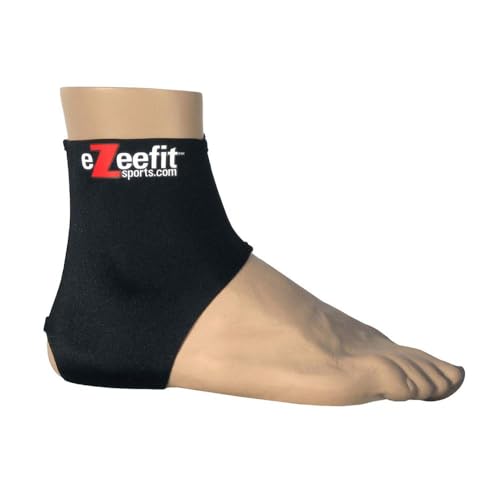
- Creates a friction barrier to help protect against rubbing inside your…
- Neoprene with a microfiber interior provides a soft contact surface
- 2 mm material adds light cushioning and helps fill small gaps
Conclusion: Achieving Pain-Free Skating Comfort
Ankle pain in figure skates is a solvable problem. The solutions range from simple lacing adjustments to professional boot modifications. Addressing the root cause restores your joy and performance on the ice.
Your best first step is to assess your skate’s fit and your lacing technique. Often, minor tweaks bring major relief. For persistent issues, consider protective gear or consult a professional fitter.
Take action today using the strategies outlined in this guide. Don’t let discomfort hold you back from the sport you love. Pain-free skating is within your reach with the right knowledge and approach.
Frequently Asked Questions About Figure Skate Ankle Pain
What is lace bite and how do I fix it?
Lace bite is a painful pressure point on the front ankle caused by tight laces rubbing over tendons. It feels like a sharp, burning pain where the laces cross. This occurs when laces are overtightened or lack proper padding.
To fix it, loosen the laces over the ankle’s flex point and use a gel pad or Bunga sleeve. Ensure your skate tongue is centered and consider waxed laces for more even pressure distribution. This simple adjustment often provides immediate relief.
How long does it take to break in new figure skates?
The break-in period typically takes 10-20 hours of on-ice time. It varies based on boot stiffness and your skating intensity. Softer beginner boots break in faster than stiff advanced models designed for jumps.
Accelerate the process by wearing skates at home with blade guards. Perform knee bends to flex the ankle area. Never use extreme heat or force, as this can damage the boot’s structure and void warranties.
Should figure skates hurt when you first wear them?
New skates should feel very snug and firm, but not cause sharp or debilitating pain. Expect some general stiffness and pressure as the boot molds to your foot. This differs from acute pain on specific bones or joints.
Persistent sharp pain indicates a potential fit issue. Mild discomfort from stiffness is normal; intense, localized pain is not. Always differentiate between breaking in and improper sizing to avoid injury.
What is the best way to stretch tight figure skates?
The safest method is professional “punching out” by a skate technician. They use specialized tools to stretch specific pressure points like ankle bones. This preserves the boot’s overall integrity while relieving pain.
For minor stretching, a professional heat-molding service can help. Avoid DIY methods with hair dryers or soaking, as they can weaken materials. Targeted stretching solves isolated issues without compromising support.
Are gel sleeves or padded socks better for ankle pain?
Gel sleeves are generally superior for targeted ankle pain. They stay in place, provide consistent cushioning, and protect specific pressure points. Padded socks can bunch up and may not offer enough protection for bony areas.
Gel sleeves like Silipos or Bunga are designed for athletic movement. They wick moisture and maintain their protective qualities. For general comfort, quality skating socks work well, but for pain relief, dedicated sleeves are more effective.
How do I know if my skates are too big or too small?
Skates that are too small cause toe cramming, numbness, and pressure on toenails. Skates that are too big allow heel lift, causing blisters and ankle instability. Both scenarios lead to pain and poor performance.
Perform the finger test: with the skate on and laced, press behind your heel. If you can fit more than one finger, they’re likely too big. Your toes should lightly brush the front when standing straight.
Can weak ankles cause pain even in properly fitted skates?
Yes, weak ankles can absolutely cause pain in perfect skates. When muscles lack strength, joints and ligaments absorb excessive force. This leads to fatigue, strain, and discomfort, even with excellent external support from the boot.
Strengthen ankles with off-ice exercises like single-leg balances and resistance band work. This builds the stability needed to skate comfortably. Strong ankles work synergistically with your boots rather than relying on them completely.
When should I see a professional for skate-related ankle pain?
Consult a professional if pain persists after two weeks of proper break-in and adjustments. Also seek help for numbness, tingling, or sharp localized pain. These symptoms may indicate nerve compression or serious fit issues.
A certified skate fitter or podiatrist specializing in sports can diagnose problems. They assess biomechanics, boot fit, and may recommend orthotics or modifications. Don’t ignore chronic pain, as it can lead to long-term injury.