Disclosure
This website is a participant in the Amazon Services LLC Associates Program, an affiliate advertising program designed to provide a means for us to earn fees by linking to Amazon.com and affiliated sites.
Your figure skate blades keep losing their edge primarily due to friction with the ice and improper maintenance. This dulling is a natural process, but it accelerates without correct care.
A sharp, consistent edge is critical for control, spins, and jumps. Understanding the causes is the first step to solving this frustrating and performance-limiting problem.
The Main Culprits Behind Dull Figure Skate Blades
The primary cause is simple friction from gliding on abrasive ice. However, several key factors dramatically speed up this process.
Improper storage is a major offender. Leaving guards on traps moisture, causing rust that eats away at the steel. Walking on hard floors without hard guards is equally damaging.
Finally, inconsistent or poor-quality sharpening creates an uneven blade profile. This makes edges feel dull faster and can ruin your skating technique.
Your First Line of Defense: Proper Blade Protection
While you can’t stop ice friction, you can prevent all other damage. The single most important tool for this is a set of hard skate guards for walking and soft soakers for storage.
Product Recommendation: Elite Skate Hard Guards & Soakers
A reliable combo pack protects your investment. The hard ABS plastic guards shield edges from concrete and locker room floors. The microfiber soakers absorb moisture after skating to prevent rust.
- Durable ABS plastic construction for hard guards.
- Absorbent microfiber soakers in multiple colors.
- Universal fit for most figure and hockey skates.
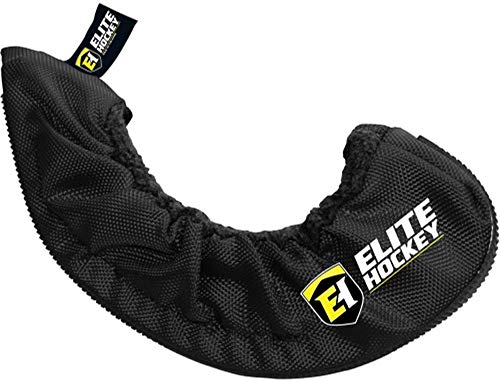
- Includes One Pair Of Elite Hockey Pro Skate Blade Covers
- Water-resistant Outer Lining Repels Moisture
- Fits Skates; Junior/Medium/Size 1-5 — Senior/Large/Size…
Check current price on Amazon →
When Protection and Sharpening Aren’t Enough
If you’re diligent with guards and sharpening but still struggle, the blade quality itself may be the issue. Lower-grade carbon steel blades lose their edge much faster than premium stainless steel.
Upgrading to skates with high-quality blades is a long-term solution. For insights, read our guide on the best figure skates with stainless steel blades that hold an edge longer.
Sometimes, the entire skate boot may be compromising your blade’s performance. If you’re in the market for new skates, our detailed Jackson Ultima Classic 200 & 500 review analyzes a popular model with solid blades. For beginners seeking value, the Lake Placid Nitro 8.8 review covers a good adjustable option.
How to Diagnose Dull Figure Skate Blades
Knowing when your blades need sharpening prevents poor performance and injury. Dull blades have clear warning signs you can feel and sometimes see. Learning to diagnose them is a crucial skill for every skater.
Common Signs Your Skate Edges Are Worn
Your body and the ice will tell you when edges fail. Listen to these physical and auditory cues during your session.
- Loss of Grip on Turns: You slip out during basic edges, three-turns, or mohawks. The blade feels like it’s sliding sideways instead of biting into the ice.
- Difficulty Pushing Off: Generating power for crossovers or stroking requires more effort. You may feel like you’re “slipping” with each push.
- Unusual Sounds: A sharp blade makes a distinct, crisp scraping sound. Dull blades often produce a quieter, more hollow or slippery sound.
- Struggle with Spins: Finding and holding your spin rocker becomes inconsistent. You may travel excessively or feel unstable on your spinning foot.
Sharpening Frequency and Factors
There’s no universal schedule for skate sharpening. The right frequency depends on several key variables.
An average recreational skater might need sharpening every 15-20 hours of ice time. Competitive skaters may need it weekly. The table below outlines the main factors affecting how often you need a sharpening.
| Factor | Effect on Sharpening Frequency |
|---|---|
| Skating Frequency & Intensity | More hours and harder jumps/edges wear blades faster. |
| Ice Conditions | Hard, cold ice is less abrasive than soft, warm ice. |
| Blade Material | Stainless steel holds an edge longer than carbon steel. |
| Skater Weight | Heavier skaters apply more pressure, accelerating wear. |
| Personal Preference | Some skaters prefer a very sharp, aggressive feel. |
Track your skating hours and note when performance drops. This creates a personalized sharpening schedule. Consistency with a trusted sharpener is more important than a rigid timeline.
Proper Figure Skate Blade Maintenance Between Sharpening
Extending the life of your sharpening saves money and ensures consistent performance. Daily care is simple but non-negotiable. These routines protect your blades from unnecessary wear and corrosion.
The Essential Post-Skating Care Routine
What you do in the first 10 minutes off the ice determines your blade’s longevity. Never skip these steps.
- Wipe Blades Thoroughly: Use a dedicated, absorbent microfiber cloth. Wipe down the entire blade, including the bottom runner and the stanchions, to remove all surface moisture and ice shavings.
- Apply Soft Soakers: Immediately place breathable terrycloth or microfiber soakers over the blades. These absorb residual moisture and protect edges from accidental bumps in your bag.
- Air Dry Completely: Once home, remove the soakers and let the skates air dry away from direct heat. Never store skates in a closed, damp bag overnight.
Storage and Transportation Best Practices
How you store and carry your skates is just as important as on-ice care. Avoid these common mistakes.
- Never Store with Hard Guards On: Hard plastic guards trap moisture against the steel, guaranteeing rust. Use them only for walking.
- Use a Breathable Skate Bag: Choose a bag with ventilation or a separate compartment. This allows air circulation to prevent a damp, rust-prone environment.
- Keep Blades Protected in Transit: Ensure soakers are secure and blades aren’t knocking against other gear like water bottles or keys, which can dent or nick the edges.
For skaters who use their equipment in various conditions, understanding the right gear is key. Explore our guide on the best ice skates for indoor and outdoor use to see how blade construction differs.
Choosing the Right Professional Skate Sharpening Service
A perfect sharpening can transform your skating, while a bad one can ruin your blades. Not all sharpeners provide equal quality or expertise. Knowing what to look for ensures you get a consistent, high-quality edge every time.
What to Look for in a Skate Technician
Finding a reliable sharpener is a partnership. Evaluate them based on these key criteria.
- Specialized Experience: Seek out a technician who specifically advertises figure skate sharpening. They should understand different blade brands (John Wilson, MK, Jackson Ultima) and their profiles.
- Modern, Well-Maintained Equipment: A professional shop uses a precise, calibrated sharpening machine (like a Blademaster or Wissota), not just a handheld stone. The equipment should be clean and well-cared for.
- Willingness to Consult: A good sharpener will ask about your skating level, discipline, and personal preferences for hollow depth (e.g., 1/2″, 5/8″). They should explain their process.
Hollow Radius and Sharpening Specifications
The hollow is the U-shaped groove ground into the blade. Its depth, measured by radius, dictates your grip on the ice.
| Hollow Radius | Common Use & Feel |
|---|---|
| 1/2″ or 5/8″ | Beginners/General Use: Deeper groove, more bite and stability, easier for learning edges. |
| 3/4″ or 7/8″ | Intermediate/Advanced: Shallower groove, less drag, better for advanced footwork and glide. |
| 1″ or Flat Bottom V | Specialized/Advanced: Very shallow, maximum glide speed used by some elite skaters. |
Start with a standard recommendation (like 5/8″) and note how it feels. Communicate any desired changes (e.g., “less grabby”) to your technician for the next sharpening. Consistency with one professional is key to perfecting your preferred edge.
Advanced Tips to Extend Your Blade Edge Life
Beyond basic care, specific habits can significantly prolong time between sharpenings. These advanced strategies focus on minimizing unnecessary blade contact and wear. Implementing them protects your investment and performance.
On-Ice Habits That Preserve Sharpness
Your behavior during practice directly impacts edge wear. Small adjustments make a big difference over a season.
- Minimize Scraping and Dragging: Avoid the habit of scraping your toe picks or dragging blades during rests. This grinds the edge against the ice for no benefit.
- Clean Entrances and Exits: Step onto the ice from the rubber matting, not the concrete. When exiting, step onto a towel or mat immediately to dry and protect the blades.
- Be Mindful of Ice Debris: Skating over deep ruts, piled snow, or sanded holes is abrasive. Navigate around them when possible during public sessions.
Equipment and Environmental Considerations
Your supporting gear and where you skate also influence edge longevity. Control these factors where you can.
Consider using a blade honing stone for light touch-ups. A few careful strokes can refresh a slightly dulled edge between full sharpenings. However, this requires practice to avoid damaging the profile.
Be aware of seasonal ice temperature. Warmer, softer ice in the spring and summer is more abrasive than hard, cold winter ice. You may notice edges dulling faster during these periods.
For skaters whose primary concern is durability and longevity in their equipment, selecting the right skate is fundamental. Our review of Riedell Soar ice skates highlights a model known for its robust construction, which often pairs with reliable blades.
When to Consider New Blades or Professional Repair
Even with perfect care, blades have a finite lifespan. Recognizing when maintenance is no longer enough prevents safety issues. Certain types of damage require expert intervention or replacement.
Identifying Damage Beyond Normal Wear
Some problems go beyond a simple dull edge. Inspect your blades regularly for these critical issues.
- Deep Rust Pitting: Surface rust can be polished, but deep pitting that creates holes in the steel compromises structural integrity. Pitted blades cannot hold a proper edge.
- Major Nicks and Gouges: Small burrs can be filed out. However, a deep nick (over 1mm) from hitting a doorframe or another blade may require significant grinding to remove, altering the blade’s profile.
- Bent Stanchions or Plates: If the blade is visibly bent or twisted, it affects alignment. This causes uneven wear and can make skating feel unstable or “off.”
Cost-Benefit Analysis: Sharpening vs. Replacing
Deciding between repeated repairs and new blades involves evaluating cost and performance.
Consider the Rule of Thumb: If repair costs approach 50% of the price of a new, equivalent blade, replacement is usually the better long-term investment. Frequent sharpening also removes metal, eventually making the blade too shallow.
For beginner or recreational skaters in adjustable boots, sometimes a full skate upgrade is more practical. Our guide to the best adjustable youth ice skates can help if growing feet are also a factor. For adults seeking warmth without sacrificing performance, explore the best ice skates for warmth and comfort which often feature well-insulated boots paired with quality blades.
Always consult a reputable skate shop or technician for a professional assessment of severe damage. They can provide the most accurate advice for your specific situation.
Common Figure Skate Blade Care Mistakes to Avoid
Many skaters unknowingly shorten their blade’s life through simple errors. Avoiding these pitfalls is often easier than fixing the resulting damage. Awareness is your best tool for prevention.
Storage and Handling Errors
Improper storage accounts for most preventable blade damage. These mistakes lead to rust and physical harm.
- Leaving Guards On in Your Bag: Storing skates with hard plastic guards on traps moisture, creating a rust incubator. Always swap hard guards for soft soakers for storage.
- Dropping or Throwing Skates: Impact can bend stanchions, chip edges, or misalign the blade. Always place skates down gently, especially when not in guards.
- Storing in a Damp Environment: Keeping skates in a cold car, basement, or non-breathable bag promotes condensation and rust. Store them in a climate-controlled, dry space.
Maintenance and Sharpening Missteps
Even well-intentioned actions can backfire. Steer clear of these common maintenance blunders.
Avoid using household oil or WD-40 to prevent rust. These can degrade boot materials and attract grime. Use a skate-specific blade oil sparingly if you live in a very humid climate, and wipe it off before skating.
Don’t attempt to sharpen your own blades without professional training. Hand sharpening stones can easily ruin the blade’s precise hollow and profile. The cost of fixing a botched DIY job far exceeds a professional sharpening.
Finally, resist the urge to over-sharpen. Getting sharpened too frequently removes excessive metal, shortening the blade’s total lifespan. Sharpen based on feel and performance, not a rigid calendar schedule.
By sidestepping these common errors, you ensure your blades remain sharp, safe, and ready to perform. Consistent, correct care is the ultimate strategy for edge longevity.
Essential Tools for At-Home Figure Skate Blade Care
Building a simple maintenance kit empowers you to protect your blades daily. You don’t need expensive equipment, just a few dedicated items. Having these tools on hand makes proper care a quick and easy habit.
Core Maintenance Tools and Their Uses
Each tool in your kit serves a specific, non-negotiable purpose. Using them correctly is key.
- Hard Plastic Guards: Their only job is to protect edges when walking to and from the ice. They should be removed the moment you step onto the rink surface or matting.
- Absorbent Soakers: Made of terrycloth or microfiber, these slip over blades after wiping them down. They absorb residual moisture and prevent accidental nicks during transport.
- Blade Wiping Cloth: Use a clean, dry, absorbent cloth (old t-shirt material works) to thoroughly dry blades immediately after skating. This is your first defense against rust.
- Small Phillips Screwdriver: For checking and gently tightening loose blade screws. Overtightening can strip the threads, so be gentle.
Optional Advanced Tools for Enthusiasts
For skaters wanting more control, these tools can be useful but require knowledge.
A rubber stone or gummy stone can lightly remove small burrs or rust spots without damaging the steel. Gently rub it along the edge, not across it.
Consider a blade coating or Teflon spray for extreme humidity. This creates a thin protective barrier. Always apply minimally and wipe off excess before skating.
For inspecting blade alignment and rocker, a true bar or flat granite tile helps. Place the blade on the flat surface to check for rocking, indicating wear. This is more common for advanced skaters and coaches.
Remember, these tools are for care and inspection, not for major repairs or sharpening. Leave complex work to certified professionals to avoid costly mistakes.
Best Products for Figure Skate Blade Care – Detailed Comparison
Investing in the right accessories dramatically extends your blade’s sharpness and lifespan. These three top-rated products address core protection, drying, and maintenance needs. Each serves a distinct purpose in a comprehensive care routine.
Elite Skate Hard Guards & Soakers Combo – Best Overall Protection
This universal combo pack provides essential dual protection. The durable ABS plastic hard guards shield edges from concrete and floors. The matching absorbent microfiber soakers prevent rust after skating. It’s the perfect starter kit for any skater.
- Includes One Pair Of Elite Hockey Pro Skate Blade Covers
- Water-resistant Outer Lining Repels Moisture
- Fits Skates; Junior/Medium/Size 1-5 — Senior/Large/Size…
JAMM Terrycloth Blade Soakers – Best for Maximum Absorption
Made from thick, plush terrycloth, these soakers excel at wicking moisture. They dry blades quickly and provide soft padding in your skate bag. The classic design fits most figure and hockey blades securely, making them a rink staple for good reason.
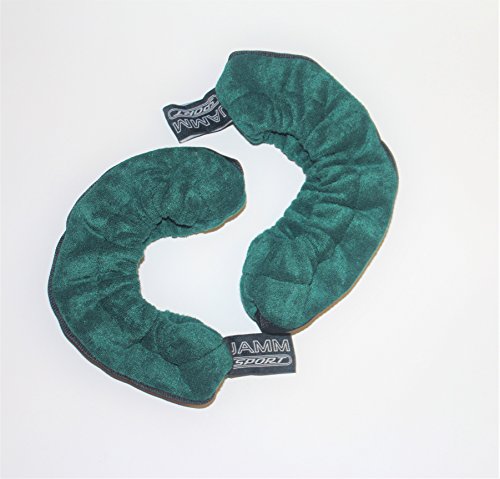
- Fits Hockey skate blades from size 6 to 12
Sinbana Blade Maintenance Kit – Best All-in-One Solution
This kit includes a rubber honing stone, rust inhibitor, and wiping cloth. It’s ideal for skaters who want to perform light touch-ups and prevent corrosion between professional sharpenings. The included guide helps you use each tool safely and effectively.
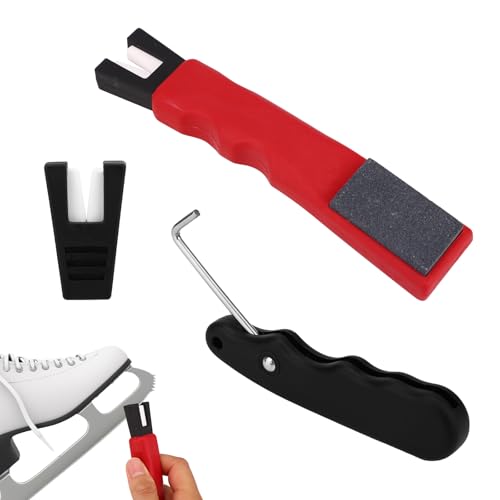
- Package Includes: You will receive 1 ceramic ice skate sharpener, 1 durable…
- Product Material: The ice skate sharpener and toe pick guard are made from…
- Portable & Convenient Design: Compact and lightweight, this complete skate…
Conclusion: Maintaining Sharp Figure Skate Blades for Peak Performance
Keeping your figure skate blades sharp is a blend of proactive care and informed maintenance. By understanding the causes of dulling and implementing the right routines, you ensure consistent control and safety on the ice.
The key takeaway is establishing a consistent post-skating ritual and partnering with a trusted sharpening professional. These two habits form the foundation of long-lasting edges.
Start today by inspecting your blades and assembling your basic care kit. Your next skating session will feel more secure and powerful with properly maintained equipment.
With knowledge and consistent effort, you can stop wondering why your edges disappear and start enjoying reliable, crisp performance every time you step on the ice.
Frequently Asked Questions about Figure Skate Blade Care
How often should I get my figure skates sharpened?
Sharpening frequency depends on use, ice conditions, and personal preference. Most recreational skaters need sharpening every 15-20 hours of ice time. Competitive skaters may require it weekly or bi-weekly due to intense training.
Track your skating hours and performance. A reliable indicator is when you start slipping on edges or spins. Consistency with a trusted technician is more important than a strict schedule.
What is the best hollow radius for beginner figure skaters?
Beginners typically benefit from a deeper hollow like 1/2″ or 5/8″. This provides more bite and stability, making it easier to learn edges and build confidence. It offers greater control while fundamental skills are developing.
As skills advance, skaters often move to a shallower hollow (like 3/4″) for better glide and less drag. Always consult your coach or a professional fitter for personalized advice based on your weight and discipline.
Can I sharpen my own figure skate blades at home?
It is not recommended to sharpen your own blades without professional training. Figure skate blades have a precise hollow and rocker profile that requires specialized, calibrated equipment to maintain correctly.
DIY sharpening attempts often ruin the blade’s profile, leading to poor performance and costly professional repairs. Investing in a qualified sharpener protects your equipment and ensures optimal on-ice feel.
Why do my new figure skates feel so slippery?
New skates often come from the factory with a very basic, protective coating or no sharpening at all. They are not “rink ready.” This slippery feeling means the blades lack the proper hollow groove to bite the ice.
Your first step with new skates should always be a professional sharpening. Specify your preferred hollow radius to the technician based on your skill level and coach’s recommendation.
What should I do if I get a deep rust spot on my blade?
First, gently clean the area with a soft cloth and a specialized blade cleaner or rubbing alcohol. For light surface rust, a rubber “gummy” stone can often polish it away without damaging the edge.
If the rust has created deep pitting, consult a professional. Pitting compromises the steel’s integrity and may require significant grinding or even blade replacement if severe. Prevent future rust with immediate drying and proper storage.
Is it bad to walk in figure skates without guards?
Yes, walking on any hard surface without hard guards is extremely damaging. Concrete, asphalt, and even rubber flooring will instantly dull or nick the delicate edges. Just a few steps can necessitate an immediate re-sharpening.
Always carry hard guards and put them on the moment you step off the ice matting. Remember to remove them before stepping back onto the ice to avoid a dangerous slip.
How can I tell if my blade’s spin rocker is worn out?
A worn rocker often causes a distinct “flat spot” feeling during spins, making you travel or feel unstable. Visually, place the blade on a perfectly flat surface like a table. If it rocks noticeably or you see light under the middle, the rocker is flattened.
This type of wear occurs over years of use and sharpening. A skilled technician can sometimes re-profile the rocker, but severe wear usually means it’s time for new blades.
What is the best way to store figure skates long-term?
For long-term storage, ensure blades are completely dry and apply a light coat of skate-specific blade oil to prevent rust. Use breathable soakers, not hard guards, and place the skates in a breathable bag or cloth sack.
Store them in a cool, dry place away from temperature extremes and humidity. Avoid attics, basements, or car trunks. Check on them periodically to ensure no moisture has accumulated.