Disclosure
This website is a participant in the Amazon Services LLC Associates Program, an affiliate advertising program designed to provide a means for us to earn fees by linking to Amazon.com and affiliated sites.
Uneven figure skates are a common and frustrating problem that can ruin your stability and performance. This sensation often stems from blade alignment, sharpening issues, or boot breakdown. Our complete guide provides the expert diagnosis and proven fixes you need.
You will learn to identify the root cause of the imbalance, from improper mounting to worn-down blades. We cover practical at-home checks and professional solutions to restore perfect, confident glide. Get ready to solve this skating puzzle for good.
Diagnosing the Root Cause of Uneven Skates
Feeling wobbly or like you’re skating on a tilt points directly to your equipment. The issue is rarely “you.” It’s typically one of three culprits: blade misalignment, uneven sharpening, or a broken-down boot. Identifying which one is the first step to a smooth recovery.
Blade alignment refers to how the blade is mounted to the boot’s sole. If it’s off-center, your weight distribution is thrown off. Uneven sharpening creates high and low spots on the blade’s edges. A softened or broken-down boot can no longer support your ankle, causing it to roll inward.
A Quick Fix for Blade Alignment: The Penny Test
You can check blade alignment at home with a simple coin. Place a penny between the boot sole and the blade holder at the heel. If the gap isn’t even on both sides, your blades are likely mis-mounted. This requires a professional skate technician for a permanent fix.
For skaters needing reliable, well-mounted blades from the start, consider figure skates with stainless steel blades. They hold an edge longer and often come from the factory with precise alignment. Our guide to the best figure skates with stainless steel blades highlights top-rated options.
When the Problem is Your Boot: Time for an Upgrade
If your boot is broken down, no amount of blade work will help. Persistent ankle pain and a noticeable lack of support are clear signs. This is a safety issue. Continuing to skate in compromised boots increases injury risk.
Upgrading to a supportive, properly fitted boot is the only solution. For beginners, a well-chosen beginner skate offers the right balance of support and comfort. If you’re ready for a performance model, our Jackson Ultima Classic review details a popular and reliable series.
For immediate ankle support while you research new skates, a quality skate guard can provide minor stabilization off the ice.
Product: Guardog Hard Ice Skate Guards
- Protects blades from dirt and damage when walking off-ice.
- Rubberized bottom provides extra grip and slight ankle stability.
- Universal fit for most figure and hockey skates.
No products found.
Check current price on Amazon →
How to Diagnose Uneven Figure Skate Blades
Accurate diagnosis is crucial before attempting any fix. The wrong solution can waste time and money. Start by isolating the problem through simple visual and physical checks.
This process helps you communicate effectively with a skate technician. You can identify whether the issue is with the blade, the boot, or your sharpening history. Let’s break down the three main diagnostic checks.
Visual Inspection: Checking for Blade Misalignment
Place your skate on a perfectly flat, level table. Look directly at it from the back (heel) and the front (toe). The blade should appear centered under the boot.
- The Heel Test: The center seam of the boot heel should line up perfectly with the center of the blade. A visible left or right lean indicates misalignment.
- The Toe Test: Look down from above. The blade should run straight down the middle of the sole. If it veers to one side, mounting is off.
- The Rocker Test: Gently rock the skate forward and back on the table. The contact point should move smoothly along the blade’s curve without catching or hopping.
The Physical Feel: Identifying Boot Breakdown
Your body often knows before your eyes do. A broken-down boot loses its structural integrity, causing a distinct and unsafe feeling.
Ankle Roll is the most common symptom. When you stand in your skates, does your ankle buckle inward? Apply gentle pressure to the sides of the boot. If the upper collapses easily, the support is gone.
Another sign is excessive creasing in the ankle area. Compare a new boot to your old one. Deep, permanent creases mean the materials have broken down and can no longer hold you upright.
Sharpening Analysis: Reviewing Your Service History
Uneven sharpening creates an imbalance you feel instantly on the ice. Think back to your last few sharpenings. Consistency in service provider matters.
| Symptom on Ice | Likely Sharpening Issue |
|---|---|
| Pulling strongly to one side | Uneven hollow or different edge angles |
| Feeling “catchy” or unstable | Uneven blade rocker or flat spots |
| One edge feels sharper than the other | Inconsistent edge depth during sharpening |
If you frequently switch technicians or use automated machines, inconsistent results are common. Tracking where and when you get sharpened can pinpoint this pattern.
Step-by-Step Solutions to Fix Uneven Skates
Once you’ve diagnosed the problem, you can apply the correct solution. Some fixes are simple DIY checks, while others require a professional’s expertise. Acting on the wrong issue can make the problem worse.
This section provides clear action plans for each common cause. Follow these steps to restore balance and confidence to your skating.
Correcting Blade Alignment and Mounting Issues
True blade misalignment must be fixed by a certified skate technician. Do not attempt to remount blades yourself without proper tools and experience. The process is precise and permanent.
Here is what a professional will do:
- Assessment: They will confirm misalignment using specialized jigs and levels.
- Removal: The old screws are removed, and holes are often plugged.
- Remounting: Using an alignment jig, the blade is positioned perfectly and screwed into new locations on the sole.
This service ensures your weight is centered over the blade for optimal power and control.
Addressing Uneven or Poor Sharpening
If your diagnosis points to sharpening, the solution is a proper re-sharpening. Find a reputable technician who uses a consistent process and understands figure skate geometry.
- Ask for a “Cross-Grind”: Request this initial pass to create a perfectly flat blade bottom before cutting the new hollow. This eliminates old inconsistencies.
- Specify Your Hollow: Consistently use the same radius (e.g., 1/2″, 5/8″). Changing it frequently can contribute to an uneven feel.
- Build a Relationship: Using the same expert ensures consistent quality and allows them to learn your skates’ history.
Solving Problems Caused by Worn-Out Boots
A structurally compromised boot cannot be repaired. Continuing to use it is a safety hazard that leads to poor technique and injury. The only solution is replacement.
When selecting new boots, prioritize proper fit and adequate stiffness for your skill level. Over-booting (too stiff) can be as problematic as under-booting. Consult our guide on finding the best comfortable ice skates that don’t sacrifice necessary support.
For developing skaters, adjustable youth skates can be a smart investment, accommodating growth while maintaining proper fit and alignment.
Preventative Maintenance to Keep Skates Balanced
Prevention is the best cure for uneven skate problems. A consistent maintenance routine saves you from future frustration and costly repairs. It also extends the lifespan of your equipment significantly.
These proactive habits ensure your blades stay sharp, aligned, and ready for performance. Incorporate them into your regular skating schedule for reliable results every session.
- ✔️ Wipe blades dry after every use.
- ✔️ Use hard soakers, not soft towel ones.
- ✔️ Schedule sharpening based on hours, not weeks.
- ✔️ Store skates at room temperature in a breathable bag.
Establishing a Smart Sharpening Schedule
Don’t sharpen on a calendar schedule; sharpen based on ice time. This prevents the slow development of flat spots and uneven wear. Tracking your hours is key to consistency.
Most recreational skaters need sharpening every 15-20 hours of ice time. Competitive skaters may need it every 10-15 hours. Listen to your skates—if you’re slipping on edges that were once sharp, it’s time.
- Use a Log: Keep a simple note in your phone of ice time since your last sharpening.
- Feel the Edges: Carefully run a fingernail perpendicular across the blade. If it doesn’t catch slightly, edges are dull.
- Visual Inspection: Look for a visible “white line” of light reflecting off a dulled edge.
Proper Storage and Blade Care Habits
How you treat your skates off the ice directly impacts their performance on it. Moisture is the enemy of both blades and boots, leading to rust and material breakdown.
Always wipe your blades completely dry with a soft, absorbent cloth immediately after skating. Then, use hard blade guards (not the soft terrycloth soakers) for walking and storage. Soft soakers trap moisture against the steel.
| Do | Don’t |
|---|---|
| Store in a breathable bag away from heat. | Leave wet soakers on blades. |
| Use blade guards for walking only. | Walk on concrete without guards. |
| Keep boots at room temperature. | Store skates in a hot car or damp basement. |
Knowing When to Seek Professional Help
Even with perfect care, professional assessment is vital. Schedule an annual “tune-up” with your skate tech, even if nothing feels wrong. They can spot minor issues before they become major problems.
Investing in quality skates from the start reduces alignment headaches. For versatile performance, explore our review of 5th Element Grace skates, known for their precision. For all-weather skaters, the right tool matters; see the best skates for indoor and outdoor use.
Choosing Skates to Prevent Future Alignment Problems
The best fix is prevention, starting with your initial purchase. Selecting well-constructed skates reduces the risk of premature breakdown and misalignment. Your investment in quality pays off in performance and longevity.
Focus on key construction features that contribute to stability. This ensures your equipment supports your progress, not hinders it.
Prioritize a stiff enough boot for your level, a securely mounted stainless steel blade, and a precise, comfortable fit. Avoid skates that feel “off” even when new.
Key Features for Stability and Durability
Not all skates are built the same. Specific design elements directly impact how well they maintain alignment over time. Understanding these helps you make an informed choice.
- Stainless Steel Blades: Resist rust and hold an edge far longer than carbon steel. They are a hallmark of quality. Our dedicated guide to the best stainless steel blade skates is an essential resource.
- Reinforced Sole: Look for a full-length, fiberglass-reinforced sole. It resists flexing and provides a stable platform for blade mounting.
- Ankle Support: The boot must offer appropriate stiffness (flex index) for your weight and skill level to prevent ankle roll.
The Critical Importance of Professional Fitting
Even the best skate will cause problems if it doesn’t fit perfectly. A professional fitting is non-negotiable, especially for adults and serious skaters. Your foot size is not your skate size.
A good fitter will measure both length and width, assess your arch, and observe your stance. They ensure the boot’s pitch and alignment match your biomechanics before the blades are ever mounted.
This service often includes heat molding for a custom fit, reducing break-in pain and improving overall control. It’s the foundation for a balanced skating experience.
Top Skate Models Known for Reliable Performance
Certain brands and models consistently earn praise for their build quality and out-of-the-box alignment. Starting with a reputable model sets you up for success.
For beginners seeking a dependable entry point, the Lake Placid Cascade offers excellent value and support. Women looking for a blend of comfort and performance should explore our curated list of the best ice skates for women, which considers fit and anatomical design.
Always read detailed reviews that discuss long-term durability and mounting quality, not just initial comfort.
Advanced Troubleshooting for Persistent Issues
Sometimes, standard fixes don’t resolve the feeling of imbalance. This indicates a more subtle or compound problem. Advanced troubleshooting requires a systematic approach and expert insight.
If you’ve checked alignment, sharpening, and boot integrity, explore these less common culprits. They often affect experienced skaters making precise technical demands of their equipment.
Checking for Subtle Blade Damage and Wear
Micro-damage invisible to the naked eye can create major instability. This includes hairline fractures, uneven rocker wear, or a compromised blade spine.
Inspect your blades under a bright light. Run your fingernail along the entire length of both edges, feeling for tiny nicks or dips. Also, look for unusual wear patterns on the stainless steel.
- Rocker Flat Spot: Excessive wear in one spot on the blade’s curvature, often from repeated take-offs or landings on one foot.
- Edge Burring: A tiny metal lip rolled over the edge, often from hitting a rut or pipe. It creates drag and catches.
- Stress Fracture: A faint line near the mounting area; this is rare but dangerous and requires immediate blade replacement.
Assessing Boot Punching and Modification Effects
Previous boot modifications to relieve pain can inadvertently create imbalance. Punching out areas for bunions or bone spurs changes the internal pressure points.
If one boot has been punched and the other hasn’t, your weight distribution between feet can shift. Similarly, excessive heat molding in one area can soften the boot structure unevenly.
Re-evaluate with your tech whether past modifications are now causing more harm than good. In some cases, a different boot model with a better inherent fit is a wiser long-term solution than aggressive alteration.
When the Problem Might Be Biomechanical
If your skates check out perfectly, the source may be your body. Leg length discrepancies, hip alignment issues, or ankle strength imbalances can manifest as a feeling of uneven skates.
A skilled coach or sports physiotherapist can perform a simple assessment. They might observe your posture, plié, and basic edges off-ice and on.
| Biomechanical Sign | Potential Equipment Adjustment |
|---|---|
| Consistent lean to one side | Lateral blade alignment shim |
| One ankle collapsing inward | Custom footbed or ankle brace |
| Uneven pressure on edges | Asymmetric sharpening (performed only by an expert) |
This is where a true partnership between skater, coach, and master technician is essential for a customized solution.
Essential Tools and Resources for Skate Maintenance
Having the right tools empowers you to perform basic upkeep and accurate diagnostics. A small, dedicated kit prevents problems and saves money on minor professional services. It also helps you communicate more effectively with your technician.
This section outlines the must-have items for every skater’s bag. We also highlight trusted resources for finding expert help and quality products.
Building Your At-Home Skate Care Kit
A simple, organized kit takes minutes to assemble. Store these items in a small pouch inside your skate bag for easy access after every session.
- Microfiber Cloths (2): One for a final blade dry, one for wiping down boots. They are lint-free and highly absorbent.
- Hard Plastic Skate Guards: For walking only. Never store skates in them, as they trap moisture.
- Soft Terrycloth Blade Soakers: For absorbing residual moisture during storage and transport after blades are completely dry.
- Blade Oil or Rust Inhibitor: A light coating applied after drying for long-term storage (e.g., over the summer).
- Small Screwdriver Set: For tightening loose blade screws—a common cause of sudden instability. Check snugness weekly.
Finding a Qualified Skate Technician
Your relationship with a good tech is as important as one with a good coach. Don’t settle for a general sports shop; seek a figure skate specialist.
Ask for recommendations from coaches and advanced skaters at your rink. Look for technicians certified by organizations like the Professional Skaters Association (PSA). A good tech will ask detailed questions about your skating level and the problems you’re experiencing.
They should explain their process and show you their sharpening and alignment equipment. Trust is built on transparency and consistent results.
Recommended Products for Protection and Longevity
Beyond basic tools, a few specific products can significantly extend your equipment’s life. These are investments that prevent costly replacements.
| Product Type | Purpose & Benefit | Example Use |
|---|---|---|
| Blade Covers (Rust Guards) | Absorb moisture, prevent rust during storage. | Place in bag after skates are fully dry. |
| Boot Trees / Shapers | Maintain boot shape, absorb interior moisture, reduce odor. | Insert immediately after skating to dry the lining. |
| Waterproof Skate Bag | Protects from external elements, has separate compartments for wet gear. | Use to transport skates to and from the rink in all weather. |
For product-specific insights, our Rollerblade Ice Diva review discusses the durability and care of a popular recreational model.
Common Myths and Mistakes About Skate Balance
Misinformation can lead skaters down the wrong path, wasting time and money. Debunking common myths helps you focus on effective solutions. Understanding these mistakes prevents you from repeating them.
This section clarifies widespread misconceptions about skate feel and maintenance. Avoid these pitfalls to keep your skating experience smooth and safe.
Myth: Breaking In New Skates Will Fix the Feel
Many believe a persistent lean or wobble in new skates will resolve after break-in. This is dangerous and incorrect. A proper-fitting new skate should feel supportive and relatively balanced from the start.
Break-in affects comfort and flexibility, not fundamental blade alignment or boot structure. If new skates feel consistently uneven, they likely have a manufacturing defect or were improperly mounted. Address this with your fitter immediately—do not “skate through it.”
Mistake: Using Worn-Out or Incorrect Guards
Your choice of blade protection has a direct impact. Using soft, absorbent guards as walkers grinds dirt and moisture into your edges, dulling them unevenly.
- Mistake: Walking to the car in terrycloth soakers.
- Solution: Use hard plastic guards for walking; use soakers only for storage after blades are bone-dry.
- Mistake: Using cracked or ill-fitting hard guards that don’t protect the entire blade.
- Solution: Replace damaged guards immediately. They can put uneven pressure on the blade.
Myth: More Frequent Sharpening Equals Better Performance
Oversharpening is a real problem that wastes blade life and money. It often creates a vicious cycle where the skater mistakes the feel of a fresh, aggressive hollow for “sharpness,” leading to unnecessary frequent visits.
| Belief | Reality |
|---|---|
| “I need a sharpening every week to spin.” | Excessive sharpening removes blade material, shortens lifespan, and can make edges too “bitey” and unstable. |
| “The machine at the rink is just as good.” | Automated machines often lack the precision of a skilled hand. Inconsistent results are a major cause of uneven edges. |
| “I can sharpen them myself with a tool.” | Hand sharpeners are for deburring, not full sharpening. DIY sharpening almost always ruins blade geometry. |
Stick to a schedule based on ice hours, not the calendar. Trust the feel of your edges, not an arbitrary date.
Best Products for Maintaining Skate Balance
Investing in the right accessories prevents the problems that cause uneven skates. These three products are essential for protection, maintenance, and accurate diagnosis. They help preserve your equipment’s alignment and performance between professional services.
LIVOS Microfiber Blade Wipes – Best for Daily Care
These specialized wipes are treated with a light rust inhibitor. They ensure your blades are perfectly dry and protected after every use, preventing corrosion that can pit edges and create drag. Their convenient, disposable format makes consistent care effortless and foolproof.
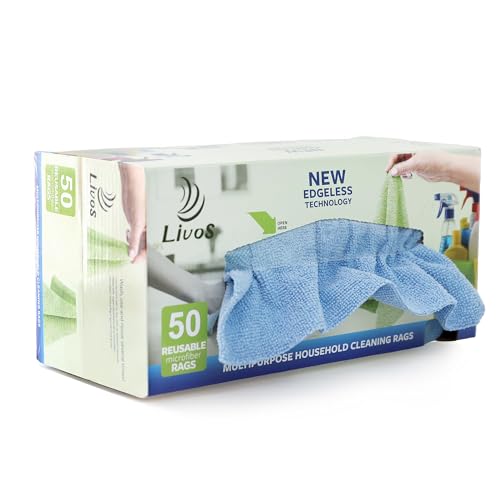
- IN A BOX: Packed in a box, it is easy to extract like a tissue box when…
- REUSABLE: The cleaning wipes are made of microfiber that won’t tear or warp…
- SOFT & LINT-FREE: These non-abrasive microfiber cleaning rags are…
Guardog Hard Ice Skate Guards – Best for Walking Protection
Durable hard guards shield your blades from concrete and debris when walking to the ice. Their rigid design prevents blade flex and protects the precise sharpening on your edges. A secure fit ensures they stay on, making them a must-have for any skater’s bag.
No products found.
Super Feet Yellow Hockey Insoles – Best for Biomechanical Support
These high-density foam insoles provide exceptional arch and heel support. They help stabilize your foot inside the boot, reducing ankle roll and promoting even weight distribution. This can correct minor alignment feelings caused by foot mechanics, not the skate itself.
No products found.
Conclusion: Achieving Perfect Balance in Your Figure Skates
Fixing uneven figure skates is a systematic process of diagnosis and solution. You now know how to identify blade alignment, sharpening, and boot issues. Implementing the preventative maintenance routines will save you future frustration.
The key takeaway is to listen to your equipment and your body. Address problems early with the right professional help. Consistent care is far easier than emergency repairs.
Start by performing the simple visual and physical checks outlined in this guide. Then, build your maintenance kit and find a trusted skate technician.
With this knowledge, you can step onto the ice with confidence, stability, and control. Your perfect glide is within reach.
Frequently Asked Questions About Uneven Figure Skates
What is the most common cause of figure skates feeling uneven?
The most frequent cause is blade misalignment, where the blade is not centered under the boot’s sole. This throws off your weight distribution immediately. Uneven sharpening from an inconsistent technician is a close second, creating high and low spots on the edges.
Boot breakdown, especially in the ankle collar, is another primary culprit for advanced skaters. Identifying which issue you have is the first critical step toward an effective fix.
How can I tell if my skate blades are misaligned at home?
Perform the simple “penny test.” Place your skate on a level table and look from the back. Insert a coin between the boot sole and blade holder at the heel. If the gap isn’t equal on both sides, the blade is likely mis-mounted.
You can also look down from above the toe. The blade should run straight down the centerline of the sole. Any visible veering indicates a need for professional realignment.
Can uneven sharpening be fixed, or do I need new blades?
Uneven sharpening can almost always be corrected by a skilled technician. Request a “cross-grind” to level the blade bottom before cutting a new, even hollow. This process removes the old, inconsistent edge pattern.
You only need new blades if there is severe, irreparable damage like deep nicks, a cracked spine, or excessive wear that has altered the blade’s fundamental rocker profile beyond repair.
Why do my brand new skates feel wobbly and uneven?
New skates should not feel persistently wobbly. This often indicates a manufacturing defect or improper mounting at the factory. It could also mean the boot’s stiffness (flex index) is too low for your weight and skill level.
Do not try to “break in” this feeling. Consult your fitter immediately. A proper new skate should offer stable, balanced support from the very first wear.
What is the best way to prevent my skates from becoming uneven?
Consistent, preventative maintenance is key. Always dry blades thoroughly after use and store them with breathable soakers. Establish a sharpening schedule based on ice hours, not the calendar. Use hard guards for walking only.
Most importantly, have your skates inspected annually by a professional technician. They can spot minor issues like loose screws or slight misalignment before you feel them on the ice.
Should I try to realign or remount my skate blades myself?
No, you should not attempt to remount blades yourself. This requires specialized alignment jigs, precise drilling, and expertise. DIY attempts often lead to permanent damage to the boot sole and incorrect alignment, making the problem worse and more expensive to fix.
Always seek a certified skate technician for any mounting or major alignment work. It is a precise craft that ensures your safety and performance.
How often should figure skates be sharpened to maintain balance?
Sharpen based on hours of ice time, not a set calendar schedule. Most recreational skaters need sharpening every 15-20 hours. Competitive skaters may need it every 10-15 hours due to more intense edge use.
Signs you need a sharpening include slipping on edges that once held, a visual “white line” on the blade edge, or a fingernail that doesn’t catch on the steel.
Can orthotics or insoles help with the feeling of uneven skates?
Yes, if the imbalance stems from your biomechanics. Custom orthotics or supportive insoles like Super Feet can stabilize your foot, correct minor pronation, and ensure even weight distribution inside the boot.
This addresses a feeling of imbalance caused by your foot rolling, not by the skate itself. A podiatrist or experienced skate fitter can assess if this is the right solution for you.