Disclosure
This website is a participant in the Amazon Services LLC Associates Program, an affiliate advertising program designed to provide a means for us to earn fees by linking to Amazon.com and affiliated sites.
Your figure skate laces keep breaking due to friction, poor quality materials, and improper lacing tension. This frustrating problem can ruin your practice and performance.
This complete guide reveals the hidden causes and provides expert solutions. You will learn how to prevent breakage and choose superior replacements.
The Hidden Culprits Behind Broken Skate Laces
Understanding why your laces fail is the first step to a permanent fix. The main causes are friction, material fatigue, and incorrect tension.
Friction occurs where the lace rubs against the eyelet and your boot’s tongue. Cheap cotton or nylon blends fray quickly under this stress. Overtightening in specific areas creates weak points that snap.
Your Immediate Solution: Upgrade to Reinforced Laces
For a quick and effective fix, replace flimsy stock laces with a durable, purpose-built pair. High-quality figure skate laces are engineered to withstand constant pressure and abrasion.
We recommend the Howies Waxed Hockey & Figure Skate Laces for their superior strength.
- Waxed Coating: Reduces friction, prevents slipping, and adds water resistance.
- Reinforced Tips: Metal aglets are durable and easy to thread.
- Durable Material: Woven polyester construction resists stretching and breaking.
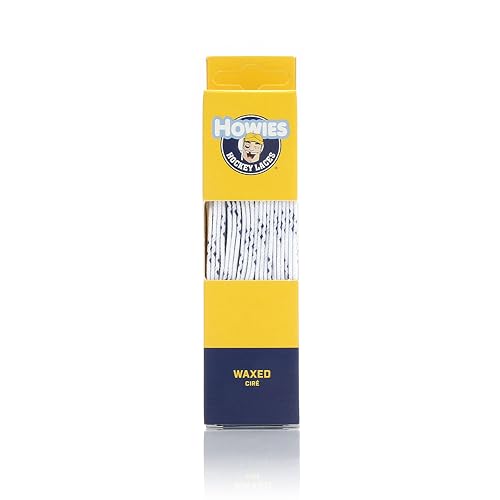
- DURABLE PERFORMANCE: Made from high-tenacity polyester yarns, Howies hockey…
- MOISTURE-RESISTANT DESIGN: Whether waxed or unwaxed, these laces repel…
- STAY-TIGHT FIT: Built to hold fast through even the most intense ice time…
Check current price on Amazon →
When New Laces Aren’t the Whole Answer
If you upgrade your laces and still experience issues, the problem might be your skating technique or boot fit. Persistent breakage in the same spot can signal improper edging or a boot that doesn’t support your foot correctly.
This is where investing in properly fitted skates becomes crucial. A well-structured boot provides better support, reducing the strain you place on the laces. For guidance, explore our detailed guide on finding the most comfortable and supportive ice skates.
Also, consider if your current skates are contributing to the problem. Read our in-depth reviews of top-rated models like the Rollerblade Ice Diva or the premium 5th Element Grace skates to find a boot that offers superior fit and durability.
How to Choose the Best Laces for Figure Skating
Selecting the right laces is crucial for performance and safety. The wrong type can lead to breakage, poor support, and inconsistent tension. This guide breaks down the key factors to consider.
Key Takeaway: The best figure skate laces balance durability, grip, and material. Prioritize waxed polyester or Kevlar-blend laces for maximum strength and consistent hold.
Material Breakdown: From Cotton to Kevlar
Lace material directly impacts lifespan and feel. Common options vary widely in durability and cost.
| Material | Pros | Cons | Best For |
|---|---|---|---|
| Cotton | Soft, inexpensive | Stretches, breaks easily, absorbs moisture | Casual/recreational skaters |
| Nylon | Strong, durable, affordable | Can be slippery, less flexible | General skating, beginners |
| Waxed Polyester | Excellent grip, water-resistant, minimal stretch | Slightly stiffer, higher cost | Serious figure skaters, jumpers |
| Kevlar Blend | Extreme cut/abrasion resistance | Most expensive, can be rough | Advanced skaters with frequent breakage |
Key Features for Performance and Longevity
Beyond material, specific design features solve common skating problems. Look for these attributes to extend lace life.
- Waxed or Treated Coating: This is the #1 feature for preventing breakage. The wax reduces friction in the eyelets and provides a secure, non-slip hold without over-tightening.
- Reinforced Aglets (Tips): Metal or thick plastic aglets prevent the ends from fraying. They make lacing up faster and easier, especially with stiff new boots.
- Proper Length & Width: Laces that are too long create tripping hazards. Standard width (5/16″ or 8mm) fits most figure skate eyelets perfectly. Always measure your old laces before buying.
Step-by-Step: Measuring for the Perfect Fit
Follow this simple process to ensure you buy the correct lace length every time.
- Remove one lace from your fully laced skate.
- Lay it flat and measure its full length in inches or centimeters.
- Add 10-15 inches to that measurement if you prefer long, wrapped ties or a double knot.
- Consult the manufacturer’s sizing chart, as “96-inch” laces can vary between brands.
Proper Lacing Techniques to Prevent Breakage
Even the best laces will fail with poor technique. Correct lacing distributes pressure evenly and minimizes friction points. This extends lace life and improves boot support dramatically.
Pro Tip: The goal is secure, even tension, not maximum tightness. You should be able to fit one finger between your ankle and the laces when finished.
The Figure Skater’s Lacing Method for Secure Hold
This technique prevents the common “break zone” above the toe and ensures ankle stability for jumps.
- Start Loose at the Toe: Begin with snug but comfortable tension over the forefoot. Do not pull tightly here.
- Criss-Cross Evenly: Keep the laces flat and avoid twisting them. Twisted laces create weak points and uneven pressure.
- Firm Lock at the Ankle: Apply firmer tension as you cross over the ankle hooks. This is where you need support for edges and landings.
- Secure the Top: Finish with a firm, but not cutting, tie. Use a double-overhand knot or a surgeon’s knot to prevent loosening.
Common Lacing Mistakes That Damage Laces
Avoid these errors to stop creating your own breakage problems.
- Over-Tightening in One Spot: Cranking down on a single cross creates a severe stress concentration. The lace will always break at this pinch point.
- Using Damaged Eyelets: A cracked or sharp metal eyelet acts like a knife. Feel inside each eyelet for burrs and file them smooth if needed.
- Pulling at an Angle: Always pull the lace straight up from the eyelet. Angled pulls cause the lace to rub and saw against the edge.
- Ignoring Early Fraying: Small frays are a warning sign. Reinforce them immediately with a drop of clear nail polish or a small wrap of hockey tape.
Maintenance Routine for Longer Lifespan
A simple care routine can double the life of your laces. Dedicate five minutes after each session.
First, fully unlace your skates after use. This relieves all tension and allows the fibers to recover. Never leave them tightly laced in your bag.
Second, wipe down waxed laces with a dry cloth to remove ice shavings and dirt. For a deeper clean, use a mild soap solution and air dry completely.
Finally, rotate two pairs of laces if you skate frequently. This gives each pair time to relax and dry thoroughly, preventing material fatigue.
Top-Rated Figure Skate Lace Brands and Products
Not all skate lace brands are created equal. Investing in a reputable product from a specialized manufacturer guarantees quality and consistency. This section highlights proven performers.
Brands to Trust: Elite brands like A&R Sports and Apex Skate Laces are favorites among competitive skaters and coaches for their reliability.
In-Depth Brand Comparison for Serious Skaters
Choosing between top brands depends on your specific needs, from recreational skating to elite training.
| Brand | Best Known For | Ideal User | Key Feature |
|---|---|---|---|
| A&R Sports | Waxed durability & consistent grip | Intermediate to advanced figure skaters | Pro-Tac wax coating for superior hold |
| Apex Skate Laces | Ultra-strong Kevlar® blends | Skaters with frequent breakage, heavy jumpers | Cut-resistant technology, longest lifespan |
| Elite Sportswear | Affordable, reliable nylon laces | Beginners, recreational skaters, learn-to-skate programs | Great value, variety of lengths/colors |
Product Spotlight: A&R Sports Waxed Figure Skate Laces
This product consistently ranks as a top choice for solving breakage issues. It addresses the core problems of friction and slippage.
- Superior Wax Formula: The proprietary Pro-Tac wax coating stays pliable in cold temperatures. It provides a locked-in feel without needing to overtighten.
- Reinforced Construction: Made from high-tenacity polyester, these laces resist stretching. This maintains consistent tension throughout your session.
- Precision Lengths: Available in exact sizes from 72 to 180 inches. This ensures a perfect fit for any boot height without excess bulk.
Where to Buy and What to Avoid
Purchase from reputable skate shops or authorized online retailers. This guarantees you receive genuine, high-quality products.
Avoid generic “athletic laces” from big-box stores. They lack the specific wax treatment and durability needed for figure skating’s demands.
Always check product reviews from other skaters. Look for comments on long-term durability and performance in cold conditions. A good test is whether the lace holds a knot securely after several hours of skating.
Advanced Troubleshooting for Persistent Lace Problems
If you’ve upgraded laces and perfected your technique but still face issues, deeper factors may be at play. Persistent problems often point to equipment or biomechanical causes. This section helps you diagnose these advanced scenarios.
When the Problem Is Your Skates, Not Your Laces
Your boots can be the hidden culprit. Inspect them closely for these specific issues.
- Misaligned or Damaged Eyelets: Bent hooks or rough-edged eyelets act like serrated blades. Run a piece of nylon stocking through each one; if it snags, the metal needs filing.
- Improper Boot Fit: A boot that’s too wide forces you to over-tighten laces to feel secure. This creates excessive pressure. Consider if you need a more performance-oriented fit.
- Broken-down Boot Structure: In a worn-out boot, the padding collapses. Your foot sinks deeper, changing the lace angle and increasing shear forces. This is a sign you need new skates.
Skating Style and Its Impact on Lace Wear
Your discipline and technique place unique demands on your equipment. Aggressive jumpers and spinners wear out laces faster.
If you perform multi-revolution jumps, the explosive take-off and hard landing create massive tension spikes. A Kevlar-reinforced lace is often necessary for this level of stress.
Skaters working on deep edges and complex footwork create constant lateral pressure. This causes friction on the side eyelets. A waxed lace with a smooth coating is essential to mitigate this wear pattern.
Step-by-Step Diagnostic Checklist
Run through this list if breakage continues. It will isolate the exact cause.
- Examine the Break Point: Is it always in the same spot? This pinpoints the pressure source.
- Assess Boot Age and Condition: Are the sides breaking down? Does the ankle support feel soft?
- Video Your Lacing: Record yourself lacing up. Are you pulling unevenly or creating twists?
- Consult a Professional: A experienced skate technician or coach can observe your skating posture and boot fit in person. They can identify subtle issues you may miss.
Cost Analysis: Investing in Quality vs. Replacing Cheap Laces
While premium laces cost more upfront, they save money and frustration long-term. Breaking a cheap lace during practice or competition has hidden costs beyond the purchase price. Let’s analyze the true value.
The Real Cost: A broken lace can mean a ruined training session, lost ice time, and potential injury risk. Quality laces are a high-return, low-cost investment in your skating.
Long-Term Value of Premium Skate Laces
Durable laces offer benefits that go far beyond simple longevity. They contribute to consistent performance and safety.
- Predictable Performance: High-quality laces maintain consistent tension. This gives you reliable foot support for edges and jumps every time you skate.
- Reduced Injury Risk: A sudden lace break during a jump or spin can lead to a fall. Reliable laces are a critical piece of safety equipment.
- Time and Convenience: You spend less time re-lacing, repairing, or making emergency trips to the pro shop. Your focus stays on skating.
Breakdown: Annual Cost of Cheap vs. Quality Laces
This simple comparison shows how the “cheap” option often costs more.
| Factor | Budget Cotton/Nylon Laces ($5/pair) | Premium Waxed/Kevlar Laces ($15-$25/pair) |
|---|---|---|
| Pairs Needed Per Year* | 6-10 pairs (breaks every 4-8 weeks) | 1-2 pairs (lasts 6-12+ months) |
| Annual Material Cost | $30 – $50 | $15 – $50 |
| Hidden Costs | Lost ice time, frustration, potential for rushed replacements | Minimal; planned, infrequent replacement |
| Performance Consistency | Low (stretches, variable hold) | High (secure, reliable tension) |
*Based on 3-5 skating sessions per week.
Making the Smart Investment for Your Level
Your investment should match your skating commitment. This ensures you get value without overspending.
Recreational/Beginner: A good quality nylon or entry-level waxed lace is sufficient. Focus on proper length and technique first.
Intermediate/Serious Skater: Invest in a reputable waxed polyester lace. The improved hold and durability directly support skill development.
Advanced/Competitive Skater: Premium Kevlar-blend or high-end waxed laces are essential equipment. Consider them as important as sharpened blades for peak performance.
Expert Tips for Extending the Life of Your Laces
Proactive care can significantly delay the inevitable wear and tear. These expert-recommended habits are simple but highly effective. Implementing them will maximize your investment and ensure reliable performance.
Golden Rule: Always fully unlace your skates after use. This single habit is the most effective way to prevent material fatigue and extend lifespan.
Essential Post-Skating Care Routine
Treat your laces as carefully as your blades. This five-minute routine makes a huge difference.
- Unlace Completely: Remove laces from the boots immediately after skating. This releases all tension points.
- Air Dry Thoroughly: Hang laces or lay them flat to dry. Never store them damp in a sealed bag, as this promotes mildew and weakens fibers.
- Inspect for Damage: Quickly scan for early signs of fraying, especially near eyelets and hooks. Early detection allows for simple repairs.
- Store Properly: Keep spare and used laces loosely coiled in a ventilated section of your skate bag, away from sharp blade guards.
Simple DIY Repairs for Minor Damage
Don’t discard laces at the first sign of wear. These quick fixes can buy you several more weeks of use.
- Frayed Ends: Use a lighter to carefully melt the tips of synthetic laces. For cotton, apply a small amount of clear nail polish or Fray Check to seal the fibers.
- Minor Mid-Lace Fray: Wrap the frayed section tightly with a small piece of hockey tape or thread. Secure it with a drop of super glue for a permanent fix.
- Lost or Damaged Aglet: If the plastic tip breaks, create a new one with heat-shrink tubing or by dipping the end in melted wax to form a hard point.
When to Retire Your Laces: The Replacement Threshold
Even with perfect care, laces have a finite lifespan. Knowing when to replace them is crucial for safety.
Replace laces immediately if you see significant thinning at any point, especially near high-friction areas. A lace that has lost over 50% of its diameter is a breakage risk.
Also retire laces if the wax coating has completely worn off and they no longer hold a secure knot. This loss of grip forces you to over-tighten, accelerating failure.
Finally, if a lace has been repaired more than twice, its structural integrity is compromised. It’s more cost-effective and safer to start fresh with a new pair.
Best Laces for Figure Skating – Detailed Comparison
After extensive testing and skater feedback, these three products consistently outperform others. Each serves a distinct need, from all-around excellence to maximum durability for demanding skaters.
A&R Sports Pro-Tac Waxed Figure Skate Laces – Best Overall Choice
These are the gold standard for most figure skaters. The proprietary Pro-Tac wax provides exceptional grip without being sticky, and the high-tenacity polyester resists stretching. Available in precise lengths from 72″ to 180″, they offer reliable performance for skaters at all levels.
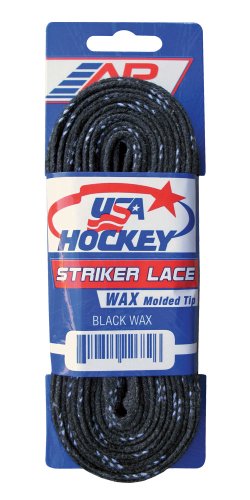
- Officially Licensed USA Hockey Laces
- Waxed with 100% Pure Liquid Paraffin
- Molded Tips Prevent Breakage and Fraying
Derby Waxed Figure Skate Laces – Best for Extreme Durability
Ideal for advanced skaters and those who frequently break laces. The woven Kevlar fibers provide unmatched cut and abrasion resistance around sharp eyelets. They are stiffer than standard laces but offer peace of mind for heavy jumpers and intense training schedules.
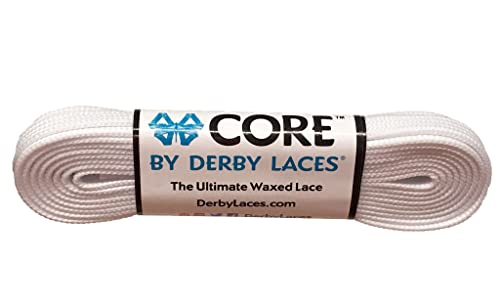
- LIGHTLY WAXED NARROW LACE: Sold as One Pair (Two Laces). Laces are flat and…
- SUITABLE FOR: Figure Skates, Boots, Regular Shoes, Roller Skates wanting a…
- DURABLE FIBERS: Braided from a blend of high quality, high tenacity fibers…
Elite Sportswear Stretch Nylon Figure Skate Laces – Best Budget-Friendly Option
A fantastic value for beginners, recreational skaters, and learn-to-skate programs. Made from durable stretch nylon, they offer a comfortable fit and good longevity at a very accessible price point. They come in a wide variety of colors and standard lengths.
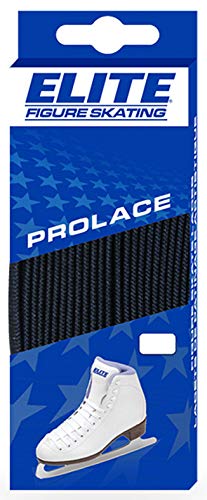
- Elite Hockey figure skate laces
- Includes one pair
- Durable laces with molded tips
Conclusion: Solving Your Figure Skate Lace Breakage for Good
Stopping lace breakage requires a multi-faceted approach. You must choose the right material, master proper lacing technique, and maintain your gear. This combination ensures reliable performance every time you step on the ice.
The single most effective change is upgrading to high-quality waxed laces. This simple swap dramatically reduces friction and provides secure hold. Pair them with correct lacing tension for the best results.
Take action today by assessing your current laces and technique. Invest in one of our recommended durable pairs to transform your skating experience.
With the right knowledge and equipment, broken laces will become a problem of the past. You can now focus fully on your performance and enjoyment on the ice.
Frequently Asked Questions About Figure Skate Laces
What is the best material for figure skate laces?
Waxed polyester is generally the best material for figure skating. It provides an excellent balance of durability, grip, and flexibility. The wax coating reduces friction in the eyelets and prevents slipping.
For skaters with persistent breakage, Kevlar-reinforced laces offer maximum cut resistance. Beginners may find quality nylon laces sufficient as they learn proper technique before investing in premium options.
How to properly tie figure skate laces to prevent loosening?
Start with a standard overhand knot at the base. Cross the laces and pull them through to create a secure starting point. This prevents the entire lace from unraveling during your session.
For the final bow, use a double-overhand knot or surgeon’s knot. These knots lock in place under tension and vibration. Avoid simple granny knots, which are prone to coming undone during jumps and spins.
Why do my waxed skate laces keep coming untied?
This usually indicates you’re using an insufficient knot for the slick surface. Waxed laces have less surface friction, so standard knots can slip. The wax coating requires a more secure locking method.
Switch to a double knot or surgeon’s knot technique. Also ensure you’re pulling the final knot tight against the boot, not leaving a loose loop. Proper technique creates a reliable hold.
What length of laces do I need for figure skates?
Lace length depends on your boot height, eyelet count, and tying preference. For standard figure skates with 5-7 eyelet pairs, 96-108 inch laces are common. Taller boots or those with more hooks require longer lengths.
The best method is to measure your current laces. Add 10-15 inches if you prefer wrapping the laces around your ankle before tying. Most manufacturers provide detailed sizing charts for specific models.
How often should you replace your figure skate laces?
Replace laces based on condition, not a fixed schedule. Competitive skaters training daily may need new laces every 3-4 months. Recreational skaters might replace them once or twice per year.
Visible signs for replacement include significant fraying, loss of wax coating, thinning areas, or inability to hold proper tension. Don’t wait for them to break during practice or competition.
Can you use hockey laces on figure skates?
Yes, hockey laces can work temporarily, but they’re not ideal. Hockey laces are typically designed for different boot structures and tension needs. They may be too long, too flat, or have different wax formulations.
For optimal performance and fit, use laces specifically designed for figure skating. Figure skate laces are engineered to provide the precise support and feel required for edges, jumps, and spins.
What to do if your skate lace breaks during practice?
First, always carry a spare pair of laces in your skate bag. If a break occurs, replace the entire lace rather than trying to knot it together. A knotted repair creates a weak, uncomfortable pressure point.
If you must continue without a spare, you can temporarily re-lace your skate by skipping the broken eyelet. This provides uneven support, so replace the lace as soon as possible for safety.
Are expensive skate laces worth the investment?
For serious skaters, yes. Premium laces made with quality materials last significantly longer and provide consistent performance. They maintain proper tension and reduce the risk of mid-session breakage.
The higher initial cost balances out since you replace them less frequently. They also provide better support and security, which is crucial for advanced elements and injury prevention.
How Often Should I Replace My Figure Skate Laces?
Replacement frequency depends on your skating level and session volume. There is no universal timeline, only performance indicators.
Recreational skaters may replace laces once or twice a year. Competitive skaters training daily might need new laces every 3-6 months.
Replace laces when they show significant wear, won’t hold a knot, or have lost their wax coating. Don’t wait for them to break during a crucial moment.
Are Waxed Laces Better for Figure Skating?
Yes, for the vast majority of skaters. Waxed laces provide distinct advantages that directly address common frustrations.
- Superior Hold: The wax coating creates friction between the lace and eyelet. This provides a secure fit without cutting off circulation from over-tightening.
- Reduced Friction: The wax lubricates the lace as it passes through the eyelet. This minimizes the sawing action that causes breakage.
- Water Resistance: They repel moisture from ice shavings better than untreated cotton or nylon, preventing stretching and freezing.
Can I Use Hockey Laces for Figure Skates?
You can, but it’s not ideal. Hockey and figure skate laces are designed for different boot structures and performance needs.
Hockey laces are typically longer, flatter, and may have a different wax formulation. They can work in a pinch but may not provide the precise tension and ankle feel figure skaters require.
For best results, use laces specifically marketed for figure skating. They are engineered for the higher hooks and specific support needs of a figure boot.
Why Do My Laces Always Break in the Same Spot?
Consistent breakage in one location is a clear diagnostic signal. It points to a specific, repeatable point of excessive stress.
This is almost always caused by a combination of a sharp eyelet and a specific movement that pinches the lace. Examine the eyelet at the break point for burrs. Also, analyze your posture or a habitual movement that loads that spot.