
Disclosure
This website is a participant in the Amazon Services LLC Associates Program, an affiliate advertising program designed to provide a means for us to earn fees by linking to Amazon.com and affiliated sites.
Your figure skate blades are rusting due to moisture exposure and improper care. This common problem damages your edges and ruins performance. This guide reveals the exact causes and provides a clear solution.
Rust compromises your blade’s integrity and your skating safety. Preventing it is essential for maintaining a sharp, consistent edge and protecting your investment. You can stop rust with simple, proven maintenance habits.
The Real Reason Your Blades Turn Orange
Rust forms when the carbon steel of your blades reacts with oxygen and moisture. This chemical reaction, called oxidation, creates iron oxide. Every time you step off the ice, a thin layer of meltwater clings to the metal.
If not dried immediately, this moisture begins the rusting process. Humidity in your skate bag or storage area accelerates it. Even tiny, invisible spots can grow and pit the steel, dulling your critical edges and creating friction points on the ice.
Your First Line of Defense: Proper Drying & Storage
The immediate solution is a consistent post-skate ritual. Always dry your blades thoroughly with a soft, absorbent towel. Pay special attention to the crevices near the toe pick and the screw holes.
After drying, use a dedicated blade guard that absorbs moisture, not the hard plastic “soakers” you use on the ice. These soft, microfiber covers wick away residual dampness. For a reliable option, many skaters trust the Cuayaes Ice Skate Guard.
- Made of super-absorbent, quick-drying microfiber.
- Protects blades from nicks and moisture in your bag.
- Fits most standard figure skate blades.
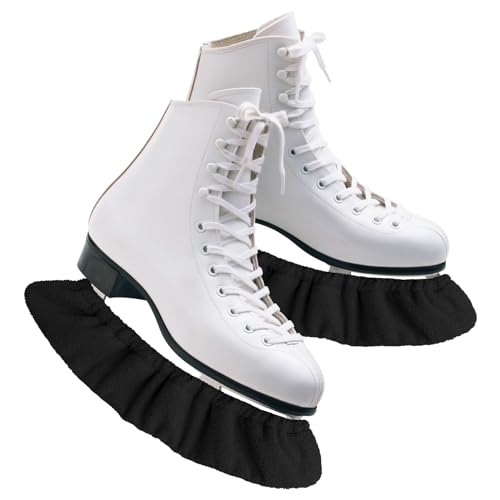
- Medium size youth ice skate guards:The maximum stretching caliber size of…
- Easy to put on and off:Our skate blade protector is soft and elastic enough…
- Durable materials:Our figure skates blade covers are designed of…
Check current price on Amazon →
Once covered, store your skates in a breathable bag, not a sealed plastic one. This allows any remaining humidity to escape. For a deeper clean, consider our guide on choosing skates with proper ventilation to prevent internal moisture buildup.
When Prevention Isn’t Enough: Considering an Upgrade
If you live in a humid climate or find rust a constant battle, your blade material itself might be the issue. Standard carbon steel blades require diligent care. A long-term solution is upgrading to stainless steel blades.
Stainless steel contains chromium, which forms a protective layer that resists oxidation. These blades are significantly more rust-resistant, though not completely rust-proof. They are a worthwhile investment for serious skaters.
If recurring rust has you considering new equipment, explore our detailed guide to the best figure skates with stainless steel blades. For specific models, read our reviews of the Jackson Ultima Classic or the Riedell Soar skates, which often feature this durable blade technology.
Step-by-Step Guide to Removing Rust from Skate Blades
Discovering rust on your blades doesn’t mean they’re ruined. With the right technique, you can safely remove surface corrosion. This process restores your blade’s smooth finish and prevents further damage.
Act quickly when you spot rust. Early intervention stops it from becoming deep pitting. Deep pits can permanently affect your blade’s performance and structural integrity.
Gathering Your Safe Rust Removal Toolkit
You need specific, non-damaging supplies. Household cleaners are often too harsh. Assemble these items before you begin the cleaning process.
- White Vinegar or Isopropyl Alcohol: These mild acids help break down rust without harming the base metal.
- Fine Grit Sanding Sponge (600+ grit) or Rust Eraser: A specialized tool that polishes away corrosion gently.
- Microfiber Cloths & Cotton Swabs: For application and detailed work in crevices and around mounts.
- Light Machine Oil or Blade Oil: To protect the bare metal after cleaning and prevent immediate re-oxidation.
The Safe Cleaning Process: A Step-by-Step Method
Follow this sequence to ensure you remove rust without causing harm. Work in a well-lit area and take your time with each step.
- Apply Solvent: Dampen a cloth with vinegar or alcohol. Gently rub the affected blade area to loosen surface rust.
- Polish Gently: Using your fine sanding sponge or eraser, lightly polish the blade in the direction of the metal grain. Apply minimal pressure.
- Inspect and Repeat: Wipe clean with a dry cloth. Inspect for remaining spots. Repeat steps 1 and 2 only on stubborn areas if necessary.
- Final Protection: Once the blade is clean and dry, apply a very thin coat of blade oil to the entire surface. This creates a protective barrier.
After this treatment, your blades will be protected. Implement the drying and storage habits from our previous section to keep them rust-free. For skates that are beyond simple maintenance, consider our review of durable options like the 5th Element Grace ice skates.
Proactive Blade Care: Building a Rust-Prevention Routine
Removing rust is reactive; preventing it is proactive. A consistent care routine is the most effective way to protect your investment. This habit ensures your blades stay sharp and perform reliably every session.
Think of blade care as part of your skating practice. It takes only a few minutes but saves you hours of repair and frustration. A good routine also extends the lifespan of your skates significantly.
The Essential Post-Skate Blade Maintenance Checklist
Immediate action after leaving the ice is critical. Follow this checklist before your blades ever go into your bag. This stops moisture from starting the oxidation process.
- Dry Thoroughly: Use a dedicated, absorbent towel to wipe down the entire blade, including the runner, stanchions, and toe pick.
- Use Soft Guards: Immediately place your blades into breathable microfiber soakers. Never store wet blades in hard plastic guards.
- Air Out Boots: Remove the footbeds and loosen the laces. Allow the boots to dry separately in a well-ventilated area away from direct heat.
Long-Term Storage Solutions for Skate Blades
How you store skates between uses matters just as much as immediate care. Improper storage in damp environments is a leading cause of chronic rust problems.
| Storage Method | Pros | Cons/Risks |
|---|---|---|
| Breathable Skate Bag | Allows moisture to escape; easy transport. | Offers less physical protection from impacts. |
| Vented Storage Box/Cube | Great air circulation; protects from dust and dings. | Less portable; requires dedicated space at home. |
| With Silica Gel Packs | Actively absorbs ambient humidity from the air inside your bag or box. | Packs must be regenerated or replaced periodically. |
For optimal protection, combine methods. Store your dried skates in a breathable bag or box with a couple of silica gel packs. This is especially crucial for adjustable youth skates that need to last through growth spurts. Always keep skates in a climate-controlled area, never in a damp basement or hot car trunk.
Choosing the Right Equipment to Prevent Blade Rust
Your hardware choices directly impact your rust prevention efforts. Some materials and products are inherently better at resisting corrosion. Investing in the right gear from the start simplifies long-term maintenance.
This doesn’t always mean buying the most expensive option. It means understanding the trade-offs between different blade types and protective accessories. Smart choices here can drastically reduce your maintenance workload.
Carbon Steel vs. Stainless Steel Blades: A Durability Comparison
The core material of your blade is the biggest factor in rust resistance. Most recreational skates come with carbon steel blades, while higher-end models often feature stainless steel.
- Carbon Steel Blades: The standard choice. They offer excellent flexibility and a great “feel” on the ice but require diligent, immediate drying after every use to prevent oxidation.
- Stainless Steel Blades: Contain chromium, which forms a passive protective layer. They are highly rust-resistant and ideal for skaters in humid climates or those who want lower maintenance. Explore options in our guide to the best ice skates for women, which highlights models with durable blade constructions.
Must-Have Accessories for Blade Protection
Beyond the blade itself, specific accessories are non-negotiable for rust prevention. These tools form a protective system around your investment.
- Absorbent Blade Covers (Soakers): Use these immediately after skating. They wick away moisture and cushion the blade. Avoid the hard plastic guards used for walking.
- Blade Oil or Teflon Spray: Apply a thin coat after cleaning and drying for long-term storage. This creates a hydrophobic barrier against ambient humidity.
- Breathable Skate Bag: A bag with mesh panels or ventilation allows trapped moisture to escape, preventing a humid micro-environment around your skates.
Pairing the right blade material with these protective accessories creates a robust defense system. For skaters seeking a complete package with quality components, reviews like our Lake Placid Nitro 8.8 review can help identify models that balance performance with durable, easy-care features.
Common Rust Prevention Mistakes and How to Avoid Them
Even with good intentions, skaters often make simple errors that lead to rust. Recognizing these common pitfalls is key to breaking bad habits. Avoiding them will keep your blades in competition-ready condition.
These mistakes usually stem from convenience or misinformation. They can undo all your careful maintenance work in a single oversight. Let’s identify and correct them.
The #1 Worst Habit: Using Hard Plastic Guards for Storage
This is the most frequent and damaging mistake. Hard plastic blade guards are designed for walking on surfaces, not for storage. They trap moisture directly against the metal.
- The Problem: Any residual moisture on the blade is sealed in, creating a humid chamber that accelerates rust formation, often in hidden spots under the guard.
- The Solution: Use hard guards only for walking. The moment you take your skates off, dry the blades and switch to absorbent microfiber soakers for storage and transport.
Other Critical Errors in Skate Blade Care
Beyond the guard mistake, several other habits can sabotage your rust prevention efforts. Be vigilant about these everyday actions.
| Mistake | Why It’s Harmful | Correct Practice |
|---|---|---|
| Storing skates in a car trunk | Extreme temperature swings cause condensation to form directly on cold metal. | Always bring skates indoors to a climate-controlled space. |
| Using harsh chemicals or steel wool | Aggressive cleaners strip protective coatings; steel wool leaves microscopic grooves that hold moisture. | Use only recommended mild solvents (vinegar, alcohol) and fine abrasives (rust erasers). |
| Neglecting the blade mounts & screws | Water pools in screw holes and under the blade plate, causing hidden corrosion that weakens the mount. | Dry these areas meticulously with a cotton swab or corner of a towel. |
By correcting these errors, you build a foolproof defense. For skaters who value warmth and may encounter melting ice on boots, choosing the right model is also key. Our guide on the best ice skates for warmth and comfort highlights boots designed to manage moisture effectively, complementing your blade care routine.
When to Seek Professional Help for Rusty Skate Blades
While most surface rust can be handled at home, some damage requires expert assessment. Knowing when to DIY and when to call a pro protects your safety and your wallet. Severe corrosion can compromise a blade’s structural integrity.
Professional skate technicians have specialized tools and expertise. They can evaluate damage you might miss and perform repairs that extend your blade’s life. Don’t risk your performance or safety on compromised equipment.
Signs Your Blades Need Professional Attention
Be on the lookout for these specific red flags. They indicate that home care is insufficient and the blades may need professional sharpening, repair, or replacement.
- Deep Pitting or Grooving: Rust that has eaten into the metal, creating visible holes or channels along the edge. This cannot be polished out without removing too much material.
- Rust at the Mounting Points: Corrosion on the blade plate or screws that attach it to the boot. This can weaken the connection and is a serious safety hazard.
- Persistent Rust After Cleaning: If rust reappears in the same spot immediately after thorough cleaning, it may be penetrating from the inside or the blade’s protective coating is gone.
What a Professional Can Do That You Can’t
A certified skate sharpener or technician offers services beyond basic maintenance. Their intervention can salvage blades you might think are ruined.
- Deep Cleaning & Reconditioning: Using ultrasonic cleaners and industrial polishers to remove corrosion from deep pores without damaging the blade’s profile.
- Precision Re-Sharpening: If significant rust is on the edges, they can re-establish the proper hollow (the groove) with precision machinery, ensuring even blade pressure.
- Expert Assessment: Providing an honest verdict on whether repair is cost-effective or if replacement is the safer option for your skating level.
If professional assessment leads you to consider new skates, thorough research is key. Read detailed analyses like our MammyGol Lace-Up Ice Skates review or the Lake Placid Summit youth skates review to find durable, well-made replacements that fit your needs and budget.
Advanced Tips for Protecting Blades in Humid Climates
Skaters in coastal or tropical regions face a constant battle with ambient humidity. Standard care routines might not be enough when the air itself is saturated with moisture. You need a fortified defense strategy.
High humidity accelerates oxidation dramatically. It requires more aggressive preventative measures to keep blades dry. These advanced tips create a multi-layered shield against persistent dampness.
Creating a Dry Micro-Environment for Storage
Your goal is to control the immediate air around your skates. You can’t dehumidify your entire home, but you can protect your gear.
- Use Silica Gel Desiccant Packs: Place several reusable packs in your skate bag and storage box. They actively pull moisture from the air. Reactivate them in the oven monthly.
- Invest in a Small Dehumidifier: For a closet or small room where you store gear, a compact electric dehumidifier can maintain a safe, low-humidity zone.
- Store in a Sealed Container with Desiccant: For long-term off-season storage, place dried skates in a plastic storage bin with a tight seal and a large desiccant canister.
Enhanced Maintenance Routine for High Humidity
Your post-skate ritual must be flawless and include extra steps. Consistency is non-negotiable in these challenging environments.
| Standard Step | Enhanced Step for Humidity | Reason |
|---|---|---|
| Dry blades with a towel. | Dry thoroughly, then use a hairdryer on a cool setting to evaporate any residual moisture from crevices for 60 seconds. | Forces evaporation in areas where towel-drying is insufficient. |
| Apply blade oil occasionally. | Apply a thin coat of Teflon-based blade spray or corrosion inhibitor after every drying session. | Creates a more durable, water-repellent barrier than light oil. |
| Use microfiber soakers. | Ensure soakers are completely dry before use. Consider having two pairs to rotate. | Putting blades into damp soakers defeats their purpose. |
In humid climates, your blade material choice is paramount. This is where the investment in stainless steel blades pays the highest dividend. The inherent rust resistance provides a critical baseline of protection that carbon steel cannot match, making your enhanced maintenance efforts far more effective.
Seasonal Skate Storage: How to Prevent Rust During Off-Seasons
Long-term storage presents unique challenges for blade preservation. Whether it’s a summer break or an extended period off the ice, proper preparation is critical. A neglected skate can develop severe corrosion that ruins it before the next season.
The key is to create a stable, dry environment for months at a time. This requires more thorough preparation than your weekly routine. A few extra steps now prevent heartbreak later.
The Complete Pre-Storage Preparation Checklist
Do not simply put your skates in the back of the closet. Follow this systematic process to ensure they are fully protected.
- Deep Clean & Dry: Perform a thorough rust inspection and cleaning as outlined earlier. Dry the blades meticulously, then let the entire skate air-dry indoors for 24-48 hours.
- Apply Heavy-Duty Protection: Use a generous, even coat of a long-term protectant like a heavy grease (e.g., Vaseline) or a specialized, thick blade wax. Cover every millimeter of the metal.
- Wrap for Protection: Wrap the blades in wax paper or VCI (Vapor Corrosion Inhibitor) paper. This paper emits a protective vapor that prevents rust. Then, place them in their microfiber soakers.
Choosing the Right Long-Term Storage Location
Where you store your skates is as important as how you prepare them. Avoid common but dangerous storage spots that guarantee problems.
- ✅ Ideal Locations: A cool, dry, interior closet in a climate-controlled home. A sealed plastic storage bin (with desiccant packs) placed in this closet is optimal.
- ❌ Dangerous Locations: Basements, garages, attics, or sheds. These areas suffer from temperature swings, high humidity, and condensation, which will defeat all your preparation efforts.
Before boxing them away, consider if your skates are due for an upgrade. The off-season is a perfect time to research. If you’re looking for a reliable new pair, our review of the versatile Riedell Soar skates is an excellent place to start your search for next season’s equipment.
Best Products for Preventing Skate Blade Rust
Investing in the right accessories makes rust prevention effortless. These three top-rated products form a complete defense system for your blades. Each addresses a specific part of the protection process.
Cuayaes Ice Skate Guard – Best Absorbent Soakers
These are the essential first line of defense. Made from super-absorbent terry cloth microfiber, they wick moisture away immediately after skating. They provide cushioning in your bag and prevent moisture-lock that hard plastic guards cause. An affordable must-have for every skater.
- Medium size youth ice skate guards:The maximum stretching caliber size of…
- Easy to put on and off:Our skate blade protector is soft and elastic enough…
- Durable materials:Our figure skates blade covers are designed of…
Blade Oil by Wahl – Best Protective Coating
This specialized oil creates a long-lasting, water-repellent barrier on clean, dry blades. A few drops spread easily and protect against ambient humidity during storage. It’s non-toxic and won’t gum up, making it safe for frequent use and ideal for applying before long off-season storage periods.
No products found.
DampRid Moisture Absorber – Best for Humid Climates
For skaters in humid environments, controlling storage air is key. This reusable hanging moisture absorber pulls water from the air inside your closet or skate bag. It provides continuous protection against ambient humidity between uses, significantly reducing the risk of condensation forming on your blades.

- DON’T JUST COVER UP ODORS, ELIMINATE THEM: DampRid 11-ounce Refillable…
- 10% MORE MOISTURE ABSORBING POWER* (*Compared to 10.5oz cup). Watch DampRid…
- LONG-LASTING FRESHNESS: Lasts up to 45 days depending on temperature and…
Conclusion: Protecting Your Investment from Blade Rust
Preventing figure skate rust is about consistent, simple habits. Immediate drying, proper storage, and the right accessories form a complete defense. This protects your blade’s sharpness and your safety on the ice.
The key takeaway is to never store blades damp. Always use absorbent soakers, not hard guards, after skating. For humid climates or easier care, consider stainless steel blades.
Start implementing these steps after your next session. Your blades will last longer and perform better. Share this guide with a fellow skater to help them protect their gear too.
With this knowledge, you can skate with confidence, knowing your equipment is secure. Enjoy a smooth, rust-free performance every time you hit the ice.
Frequently Asked Questions about Figure Skate Rust
What is the fastest way to remove rust from ice skate blades?
The fastest safe method uses white vinegar and a fine abrasive. Soak a cloth in vinegar and rub the rust spots to loosen them. Then gently polish with a 600+ grit sanding sponge or a dedicated rust eraser.
Always wipe the blade dry and apply a light coat of blade oil afterward. This prevents immediate re-oxidation. Avoid harsh chemicals or steel wool, as they can permanently scratch and damage the blade’s surface.
Can you skate on blades that have a little rust?
You can skate on blades with minor surface rust, but it’s not ideal. Light surface spots may not immediately affect performance, but they will create friction and dull your edges faster. The rust will also continue to spread if not addressed.
It’s best to clean off any rust before your next session. Skating on pitted or severe rust can compromise the blade’s integrity and lead to an inconsistent, unpredictable feel on the ice, affecting jumps and spins.
How often should I oil my skate blades to prevent rust?
For regular maintenance, oil your blades every few weeks during active skating seasons, especially if you live in a humid area. Always apply oil to a perfectly clean and dry blade. A thin, even coat is all that’s needed.
For long-term or off-season storage, apply a more generous coating. The key is consistency—making blade oiling part of your regular sharpening or monthly equipment check-in routine provides the best ongoing protection.
What is the difference between stainless steel and carbon steel blades for rust?
Stainless steel blades contain chromium, which forms an invisible protective layer that resists oxidation. They are highly rust-resistant and require less meticulous drying. Carbon steel blades are the standard but lack this protection, making them more prone to rust without immediate care.
While more expensive, stainless steel is ideal for frequent skaters or those in humid climates. Carbon steel is perfectly fine if you commit to a strict drying routine immediately after every use.
Why do my skate blades rust even when I dry them?
If rust appears despite drying, hidden moisture is likely the culprit. Water can linger in screw holes, under the blade plate, or in the crevices of the toe pick. Ambient humidity in your storage area can also cause condensation to form on the metal.
Ensure you are using a dry, absorbent towel and getting into all nooks. Consider your storage environment—using silica gel packs in your skate bag can absorb this residual atmospheric moisture.
Is it safe to use WD-40 on figure skate blades?
It is not recommended to use WD-40 as a long-term protectant. While it can displace water and remove light rust, it’s a degreaser and penetrant that dries out over time. It can leave a sticky residue that attracts dirt and grime.
For protection, use a product specifically designed for skate blades, like a light machine oil or Teflon-based blade spray. These are formulated to create a durable, clean barrier without damaging the steel or your boot’s finish.
What should I do if my blade screws are rusted?
Rusted screws require careful attention. Apply a drop of penetrating oil (like PB Blaster) to the screw head and let it sit for an hour. Use a properly sized, high-quality screwdriver with a good grip to attempt removal, turning slowly to avoid stripping.
If they won’t budge, take your skates to a professional skate shop. They have the tools and expertise to remove seized screws without damaging the blade or boot, and can replace them with new, stainless steel hardware.
Are there any home remedies for preventing skate blade rust?
Yes, several effective home remedies exist. After drying, a very thin coat of mineral oil or vaseline can protect blades. Storing skates with silica gel packets in a breathable bag absorbs ambient moisture. Ensuring they are in a climate-controlled room, not a garage or basement, is crucial.
The most powerful “home remedy” is simply consistent habit: immediate, thorough drying with a dedicated towel and using soft, absorbent blade covers (soakers) instead of hard plastic guards for storage every single time.