Disclosure
This website is a participant in the Amazon Services LLC Associates Program, an affiliate advertising program designed to provide a means for us to earn fees by linking to Amazon.com and affiliated sites.
Your figure skates squeak on the ice primarily due to friction between the blade and the ice surface. This common issue is often linked to blade sharpening, alignment, or ice conditions.
That annoying sound can be distracting and may indicate a performance problem. Fixing it leads to a smoother, quieter, and more confident glide.
Diagnosing the Squeak: It’s All About Blade Contact
A persistent squeak is a clear sign of improper blade-to-ice contact. This friction often stems from a few key issues. Understanding the root cause is the first step to a silent, smooth glide.
The most common culprits are a poorly sharpened hollow or misaligned blades. A blade with uneven edges or the wrong hollow depth will chatter. Worn-out blades on old skates can also lose their proper profile.
Quick Fix: The Right Sharpening Tools
For many skaters, a professional sharpening is the instant solution. However, maintaining your edges between sharpenings is crucial. A simple honing tool can remove minor burrs and prolong blade life.
We recommend the UICE Ice Skates Sharpener. It’s an affordable way to keep your blades in top condition and reduce friction-causing imperfections.
- Dual ceramic stones for quick edge maintenance.
- Ergonomic, easy-grip design for safe use.
- Helps preserve your sharpening and improve ice grip.
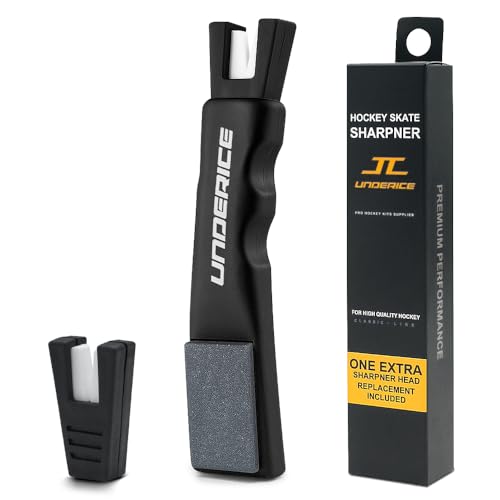
- Hockey-Specific Precision:Engineered to match the curve of hockey skate…
- Durable Ceramic Sharpening Stones:High-hardness ceramic material quickly…
- Ultra-Portable & Easy to Use:Lightweight (0.17 lbs) and 5.3 x 1.1 inches…
Check current price on Amazon →
When Sharpening Isn’t Enough: Assessing Your Skates
If proper blade care doesn’t stop the squeak, the problem may be deeper. Very worn or low-quality blades cannot hold a proper edge. The entire skate boot may also be breaking down, affecting your alignment on the ice.
In this case, investing in a new pair designed for better support and performance is wise. For beginners, our guide to the best figure skates for beginners is an excellent starting point.
Consider if your current skates offer enough ankle support and warmth. Upgrading to a more comfortable and supportive model can improve your stance and blade contact. For a trusted brand, read our in-depth Jackson Ultima ice skates review.
Top Causes of Squeaky Figure Skates Explained
Identifying the exact reason for the noise is crucial for an effective fix. The sound is a symptom of specific mechanical issues between your blade and the ice. Let’s break down the most common technical causes.
Key Takeaway: Squeaking is almost always caused by friction from an uneven blade edge, incorrect sharpening, or poor skate alignment. Addressing these core issues will silence your skates.
1. Improper Blade Sharpening and Hollow
This is the number one culprit for squeaky blades. The hollow is the U-shaped groove ground into the blade’s bottom. Its depth and symmetry directly affect your glide.
- Wrong Hollow Depth: A hollow that’s too deep bites the ice aggressively, causing chatter and squeal. A hollow that’s too shallow offers poor control.
- Uneven Edges (Blade Rocker): If the sharpening stone wasn’t level, one edge becomes higher than the other. This creates a wobbling, noisy contact patch.
- Burrs or Nicks: Tiny metal imperfections from hitting a rut or doorframe catch on the ice. These create a consistent, grating squeak with each stroke.
2. Blade Alignment and Mounting Issues
Your blades must be perfectly centered and straight under the boot. Even a minor misalignment changes how the edges engage the ice, leading to noise.
Toe or Heel Drag is a clear sign. If your blade is mounted slightly off-center, one part will scrape. This constant scraping creates a high-pitched squeak, especially during turns or stops.
Over time, the screws holding the blade can loosen. A slightly wobbly blade will not track cleanly. Always check your blade mounting screws for tightness if you hear new noises.
3. Ice Conditions and Temperature Factors
Sometimes, the problem isn’t your skates—it’s the ice itself. Environmental factors play a significant role in the sound your blades make.
- Wet, Soft Ice: Creates more suction and drag. Your blades can “stick” and release noisily, producing a squeaking or scraping sound.
- Very Cold, Hard Ice: Offers less bite. Your blades may skid across the surface instead of cutting in, leading to a chattering squeal.
- Dirty or “Snowy” Ice: A layer of snow or debris on the ice creates an inconsistent surface. Your blades constantly transition between clean ice and slush, causing noise.
Step-by-Step Guide to Fix Squeaky Skates
Now that you’ve diagnosed the likely cause, it’s time for action. Follow this systematic guide to eliminate the squeak and restore a smooth, quiet glide. These proven methods address both quick fixes and long-term solutions.
Pro Tip: Always start with the simplest, least invasive solutions (like checking screws) before moving to professional sharpening or equipment upgrades.
Immediate Actions You Can Take Today
Before heading to a pro shop, perform these quick checks. They can solve the problem in minutes without any special tools.
- Inspect and Tighten Blade Screws: Use a skate key or screwdriver to ensure all mounting screws are snug. Loose blades vibrate and squeak.
- Clean Your Blades Thoroughly: Dry blades with a soft cloth after skating. Remove any built-up ice or debris from the hollow with a plastic scraper.
- Test on Different Ice: Skate on a different session or rink. If the squeak disappears, the original ice condition was likely the culprit.
Professional Sharpening: What to Request
If quick fixes fail, a professional sharpening is your best bet. Communicate clearly with your skate technician for the best results.
- Request a “Balance and Polish”: Ask them to check the blade’s rockering (the curvature from toe to heel) and ensure both edges are even. This corrects wobble.
- Specify Your Hollow: If you know your preferred hollow depth (e.g., 1/2″, 5/8″), request it. If unsure, ask for a standard recreational hollow (usually 1/2″) as a starting point.
- Mention the Squeak: Tell them the blades are squeaking. A good tech will inspect for burrs and uneven wear they might otherwise miss.
Long-Term Maintenance to Prevent Future Noise
Prevention is key. Integrate these habits into your routine to keep your skates silent and performing well.
| Practice | How It Prevents Squeaking |
|---|---|
| Use Soft Skate Guards | Absorbs moisture and protects edges from nicks when walking. |
| Dry Blades Immediately | Prevents rust and pitting that creates an uneven blade surface. |
| Regular Honing | A honing stone removes tiny burrs, maintaining a smooth edge between full sharpenings. |
| Proper Storage | Store skates in a breathable bag, not a closed, damp environment. |
Advanced Troubleshooting for Persistent Squeaks
What if the squeak returns after a sharpening or persists despite good maintenance? You may be dealing with an advanced equipment or technique issue. This section dives into less common but critical fixes.
Warning Sign: A persistent, localized squeak or one that only happens during specific moves (like edges or turns) often points to these advanced issues.
Checking for Boot Breakdown and Alignment
The skate boot itself can be the source of the problem. As boots age and break down, they can no longer hold your ankle and foot in the correct position for proper blade alignment.
- The “Pinch” Test: Squeeze the sides of the boot’s upper. If it collapses easily, it has lost its structural support. This allows your ankle to roll, changing edge pressure.
- Blade Mounting Inspection: Look for rust around the screws or elongated screw holes. This indicates movement and a need for remounting or new boots.
- Professional Assessment: A qualified fitter can perform a stance alignment. They use specialized tools to check if your blades are perpendicular to your natural standing position.
When to Consider New Blades or Skates
Blades have a finite lifespan. Repeated sharpenings wear them down, eventually making a proper hollow impossible to maintain. Here’s how to know when it’s time for an upgrade.
| Symptom | What It Means |
|---|---|
| Visible Groove Wear | The stanchions (side walls) of the blade are worn nearly flat, leaving no material for a deep hollow. |
| Constant Re-Sharpening | You need sharpening every few sessions to feel an edge, indicating the blade steel is too soft or spent. |
| Squeak with Multiple Sharpeners | If several reputable technicians cannot fix the noise, the blade’s fundamental profile may be compromised. |
Technique Adjustments to Reduce Noise
Sometimes, the skater’s technique contributes to the sound. Subtle adjustments in your form can make a significant difference.
- Focus on Flat Glides: Squeaking often occurs on shallow edges. Practice gliding on a completely flat blade to build muscle memory for a neutral position.
- Check Your Knee Bend: Leaning too far forward or back changes the blade’s pressure points. Ensure your weight is centered over the middle of the blade.
- Softer Knee Action: A stiff, jarring push can cause the blade to chatter. Aim for smooth, powerful extensions to engage the edge cleanly.
Preventative Care and Maintenance Schedule
Consistent care is the ultimate solution to prevent squeaky skates before they start. A proactive maintenance routine protects your investment and ensures optimal performance. Follow this schedule to keep your blades silent and sharp.
Golden Rule: Your blades should only touch ice, steel (for sharpening), or a soft, absorbent material. Never let them touch concrete, stone, or hard plastic guards.
After Every Skating Session
This 5-minute routine is non-negotiable. It prevents rust and removes debris that can damage your edges.
- Wipe Blades Dry: Use a dedicated, absorbent microfiber cloth to completely dry both blades, paying special attention to the hollow.
- Remove Skate Guards: Take off hard plastic “soakers” or guards immediately. They trap moisture against the steel, causing rust.
- Use Breathable Soft Guards: Slide on terrycloth or absorbent fabric guards to wick away residual moisture and protect edges in your bag.
Weekly and Monthly Maintenance Tasks
Incorporate these simple checks into your regular schedule to catch small issues before they become noisy problems.
- Weekly Visual Inspection: Check for new nicks, burrs, or rust spots along the edges. Feel for rough spots with your fingernail.
- Monthly Screw Check: Use your skate key to ensure all blade mounting screws are firmly snug. Do not overtighten.
- Hone as Needed: Use a handheld honing stone (like the one recommended earlier) to gently remove minor burrs. Stroke from heel to toe, following the blade’s curve.
Sharpening Intervals and Signs You Need One
There’s no universal timeline for sharpening. It depends on ice time, skating style, and ice conditions. Watch for these performance cues instead of the calendar.
| Sign You Need Sharpening | Why It Causes Squeaking |
|---|---|
| Feeling “slippery” on edges | Dull blades skid instead of biting, creating chatter and noise. |
| Difficulty holding a clean line | Worn edges cannot maintain consistent pressure, leading to wobble. |
| Increased effort for pushes | You compensate with poor technique, altering blade contact. |
| Visible flat spots or rust | Uneven surface contact creates friction and vibration. |
Choosing the Right Equipment to Minimize Squeaking
Your choice of skates and blades can influence noise potential from day one. High-quality, properly fitted equipment is designed for clean ice contact. Investing wisely reduces friction-related issues like squeaking.
Equipment Insight: Stiffer boots provide better alignment, and higher-grade blade steel holds a sharper, more consistent edge longer. Both are key for a quiet glide.
Blade Features That Matter for a Quiet Glide
Not all figure skate blades are created equal. Specific design elements contribute to stability and smooth engagement with the ice.
- Stainless Steel vs. Carbon Steel: Stainless steel blades resist rust better and often hold an edge longer. Carbon steel may require more frequent care to prevent pitting that causes noise.
- Blade Profile and Rocker: A well-designed rocker (the blade’s curvature) ensures smooth transitions from toe to heel pick. A poorly profiled blade will feel “catchy” and noisy.
- Stanchion Height: Blades with taller stanchions (the side walls) allow for a deeper hollow and more sharpenings over their lifespan, maintaining performance.
How Proper Skate Fit Prevents Problems
Ill-fitting skates are a root cause of many technical issues, including squeaky blades. When your foot moves inside the boot, you lose precise control over your edges.
- Ankle Support is Critical: Your ankle should be held firmly upright, not buckling inward (pronating) or outward. This lateral support keeps your blade perpendicular to the ice.
- No Heel Lift: Your heel must be locked in place. Any up-and-down movement changes pressure on the blade’s heel and tail, creating inconsistent contact.
- Professional Fitting: Always get fitted by an expert. They can assess your foot type and recommend models like those in our guide to the best women’s recreational ice skates for a perfect match.
Recommended Skate Models for Beginners and Recreational Skaters
Starting with well-constructed skates sets you up for success. These models are known for good support and reliable blades that reduce common issues.
- For new skaters seeking comfort and stability, the Lake Placid Cascade figure skates offer excellent value and a quality blade.
- For growing kids, adjustable skates like those in our best adjustable youth ice skates roundup ensure a proper fit longer, promoting better technique.
- For adults prioritizing warmth and a secure fit, explore options in our review of the best ice skates for warmth and comfort.
Expert Answers to Common Squeaking Scenarios
Skaters often encounter specific, frustrating situations. This section addresses targeted questions with direct, actionable advice. Use these scenarios to pinpoint your unique issue.
Scenario Solver: Match your exact experience to the descriptions below. The solution is often a simple adjustment specific to that cause.
“My Skates Only Squeak When I Turn or Stop”
This localized noise points directly to an edge-specific problem. The pressure and angle during turns or stops highlight an imperfection on one part of your blade.
- Diagnosis: You likely have a burr or flat spot on the section of the blade used for that maneuver (often the middle or rear for stops).
- Fix: Carefully inspect that blade section. Use a honing stone to gently smooth the affected area. If the problem persists, a professional sharpening is needed to re-establish an even edge.
“The Squeak Started Right After a Sharpening”
A new squeak post-sharpening is a clear sign of a sharpening error. The technician may have used a dull stone or incorrect technique.
- Uneven Hollow: This is the most likely cause. The sharpening stone created a groove where the edges are not symmetrical, causing the blade to rock.
- Burred Edges: The sharpening process can leave a fine, wire-like burr on the edge. This burr catches and vibrates on the ice.
- Action: Return to a different, reputable shop and explain the issue. Request they check the blade’s balance and remove any burrs with a finishing stone.
“My New Skates Are Squeaking – Is This Normal?”
Brand new skates can sometimes squeak, but it’s not “normal” for quality equipment. It usually indicates a factory or setup issue that needs correction.
| Potential Cause | Recommended Solution |
|---|---|
| Factory-Applied Protective Coating | The blades may have a thin oil or coating. Wipe them thoroughly with rubbing alcohol and get them professionally sharpened. |
| Blades Never Properly Sharpened | Many new skates have only a rough “factory edge.” Their first real sharpening is essential for performance and quiet operation. |
| Mounting or Alignment Issue | If the squeak continues after sharpening, have a pro check the blade mounting. For quality new models, see our Jackson Ultima review for setup tips. |
Tools and Products for Skate Blade Maintenance
Having the right tools empowers you to perform essential maintenance at home. This prevents minor issues from becoming major, noisy problems. A small investment in these items saves money on frequent professional sharpenings.
Toolkit Essentials: Every skater should own a skate key, soft towel, and honing stone. These three items form the foundation of good blade care.
Must-Have Home Maintenance Kit
Assemble these basic tools to handle 90% of routine blade upkeep between professional services.
- Skate Key/Screwdriver: For checking and tightening blade mounting screws. Loose screws are a primary cause of new vibrations and sounds.
- Microfiber Drying Cloths: Dedicate a few soft, absorbent cloths solely for drying blades. They prevent water spots and rust without scratching.
- Terrycloth Soft Guards: These absorb moisture after drying and protect edges in your bag. Never store blades in hard plastic guards.
- Handheld Ceramic Honing Stone: As mentioned earlier, this tool gently removes burrs. It extends the life of a sharpening and maintains edge smoothness.
Professional Sharpening Equipment
Knowing what happens at the pro shop helps you communicate your needs. A proper sharpening requires specialized, precise machinery.
A sharpening jig holds your skate perfectly level. A spinning stone grinds the hollow to a specific radius (like 1/2″ or 5/8″). The technician’s skill ensures both edges are even and the blade’s natural rocker is preserved.
After grinding, a finishing stone or leather strap removes the microscopic “wire edge” burr left by the grinding stone. Skipping this step is a common reason for post-sharpening squeaks.
Product Recommendations for Blade Longevity
Beyond basic tools, these products can enhance your maintenance routine and protect your blades from damage.
| Product Type | Purpose & Benefit |
|---|---|
| Blade Covers (Hard Guards) | For walking to/from the ice ONLY. They prevent edge damage from concrete. Remove immediately after. |
| Rust Inhibitor Spray | A light, non-greasy spray applied after thorough drying for long-term storage in humid climates. |
| Blade Stone Holder | A small device that holds a honing stone at the perfect angle, making burr removal easier and more consistent for beginners. |
Pairing good tools with a solid skate is key. For reliable, well-made equipment, consider models reviewed in our Lake Placid Nitro review or our Rollerblade Ice Diva review.
Best Products for Fixing Squeaky Figure Skates
Equipping yourself with the right tools is half the battle against noisy blades. These three highly-rated products address the core causes of squeaking, from immediate fixes to long-term maintenance. Each one offers a specific solution to ensure a smooth, quiet glide.
UICE Ice Skates Sharpener – Best for Edge Maintenance
This handheld tool is essential for removing burrs between professional sharpenings. Its dual ceramic stones quickly smooth minor imperfections that cause chatter and squeaking. Regular use extends the life of your sharpening and improves overall ice grip effortlessly.
- Hockey-Specific Precision:Engineered to match the curve of hockey skate…
- Durable Ceramic Sharpening Stones:High-hardness ceramic material quickly…
- Ultra-Portable & Easy to Use:Lightweight (0.17 lbs) and 5.3 x 1.1 inches…
Jackson Ultima Classic 552 Figure Skate – Best for Upgrading Problematic Skates
If your squeak stems from worn-out, low-quality blades, upgrading to these skates solves it. They feature stainless steel Ultima Mark I blades that hold a consistent edge and a supportive boot for proper alignment. This combination eliminates noise from poor equipment.

- REFER TO SIZING CHART IN IMAGES.
- Reinforced vinyl coated uppers gives strength, support and durability…
- Padded felt tongues for comfort and support
Shupakul Skate Sharpening Stone – Best for Precision Honing
For serious skaters, this high-grade ceramic honing stone offers professional-level edge care. It provides a finer finish than basic models, ensuring a perfectly smooth blade surface. It’s the ideal tool for maintaining competition-ready edges and preventing friction-based squeaks.
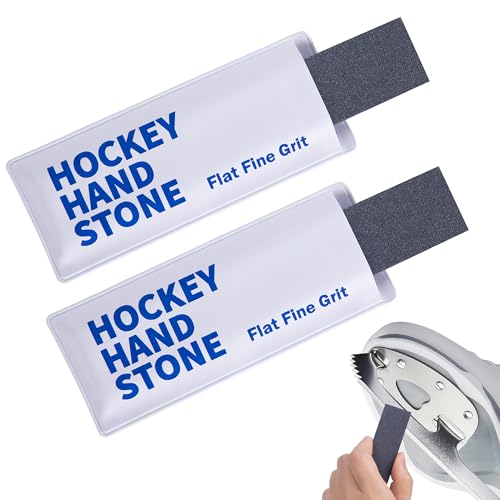
- Outstanding Performance:Ice skate sharpening stone is specifically designed…
- Product Dimensions:The 3.9 inch by 0.8 inch hand sharpening stone enables…
- Premium Materials:Crafted from high-quality oilstone material, this…
Conclusion: Achieving a Silent, Smooth Glide
Squeaky figure skates are a fixable problem caused by blade friction. You can diagnose the issue by checking sharpening, alignment, and ice conditions. Implementing the solutions outlined will restore a quiet, confident performance on the ice.
The key takeaway is proactive maintenance and proper equipment. Regular blade care and professional sharpening prevent most noise issues. Address boot breakdown promptly to maintain correct alignment.
Start by inspecting your blades and tightening the screws today. Consider investing in a honing tool for routine edge care. For persistent problems, consult a professional skate technician.
With the right knowledge and tools, you can eliminate distracting squeaks. Enjoy the pure, silent sound of perfect blade contact during your next skating session.
Frequently Asked Questions about Squeaky Figure Skates
What is the most common cause of squeaky ice skates?
The most common cause is improper blade sharpening. An uneven hollow or burred edges create inconsistent friction with the ice. This friction causes the blade to vibrate and chatter, producing the squeaking sound you hear during your glide.
Other frequent culprits include loose mounting screws and misaligned blades. Always check these simple fixes before assuming you need a major repair or new equipment.
How can I fix squeaky skates without sharpening them?
First, tighten all blade mounting screws with a skate key. Loose screws are a very common and easy-to-fix cause. Next, thoroughly clean and dry your blades, removing any ice or debris from the hollow.
You can also use a handheld honing stone to gently remove minor burrs from the edges. Test your skates on a different ice surface to rule out problematic ice conditions as the sole cause.
Why do my new ice skates squeak on the ice?
New skates often squeak because they have only a rough “factory edge” or a protective coating on the blades. This coating can cause inconsistent contact with the ice. The blades have not been professionally sharpened for optimal performance.
The solution is to get them professionally sharpened. A proper first sharpening will establish a correct hollow and remove any factory residue, ensuring a smooth, quiet glide.
Is a squeaking sound bad for my skate blades?
The squeak itself isn’t directly damaging, but it indicates a problem that can cause wear. The friction and vibration from uneven edges can accelerate the dulling process. It may also lead to flat spots on the blade over time.
More importantly, it signals reduced performance and control. Fixing the squeak improves your grip on the ice and prevents further, more serious damage to the blade’s profile.
What is the best hollow for figure skates to prevent squeaking?
For most recreational and beginner skaters, a 1/2-inch hollow is the best starting point. It provides a good balance of grip and glide without biting the ice too aggressively. A hollow that is too deep (e.g., 3/8″) can increase chatter and squeaking.
Advanced skaters may prefer different depths based on weight and discipline. Consult with a knowledgeable skate technician who can recommend a hollow based on your skill level and the ice conditions you typically encounter.
Can worn-out skate boots cause squeaking?
Yes, severely broken-down boots can indirectly cause squeaking. When the boot loses its ankle support, your foot and ankle can pronate or roll. This misalignment changes the angle at which your blade contacts the ice.
The blade then engages at an incorrect pressure point, leading to friction and noise. If your boots are very soft and offer no support, the squeak may be a symptom that it’s time for a new pair.
How often should I sharpen my skates to avoid noise?
Don’t sharpen on a strict schedule; sharpen based on feel. Sharpen when you feel slippery on edges, struggle to hold a line, or hear persistent squeaking. For average recreational use, this might be every 15-20 hours of ice time.
Over-sharpening wears blades down unnecessarily. Proper between-sharpening maintenance with a honing stone can significantly extend the time between professional services and maintain a quiet edge.
What should I tell my skate sharpener if my blades are squeaking?
Explicitly tell them, “My blades are squeaking on the ice.” Request that they check the blade balance and rocker to ensure both edges are even. Ask them to pay special attention to removing any burrs with a finishing stone or leather strap.
You can also mention if the squeak occurs during specific moves like turns or stops. This helps them inspect the corresponding section of the blade more closely for flat spots or imperfections.