Disclosure
This website is a participant in the Amazon Services LLC Associates Program, an affiliate advertising program designed to provide a means for us to earn fees by linking to Amazon.com and affiliated sites.
Is your child outgrowing figure skates every few months? This rapid growth is incredibly common and frustrating. It strains your budget and disrupts their skating progress.
This guide provides proven methods and smart purchasing strategies used by skating parents. You will learn to navigate growth spurts effectively while protecting your investment.
We will cover key factors like proper fit checks, strategic sizing tips, and boot longevity solutions. Get ready to master skate management and support your skater’s journey.
The Real Reason Skates Feel Too Small So Quickly
Children’s feet grow in unpredictable bursts, often gaining a full size in months. This natural growth is the primary culprit. However, improper initial sizing accelerates the problem.
Many parents buy skates with too much “room to grow,” which causes instability and blisters. Others fit them too snugly, leaving no room at all. Both mistakes shorten a skate’s usable life dramatically.
A Smart Stopgap: Adjustable Skate Solutions
For young skaters in rapid growth phases, adjustable skates are a brilliant temporary solution. They can expand up to four sizes, buying you precious months.
This option is perfect for beginners or as a backup pair. It ensures a proper, safe fit during critical learning periods without constant new purchases.
Jackson Ultima Softec Vista ST3201 Skates: A trusted brand offering a durable boot and stainless steel blade that adjusts with a simple tool.
- Provides a secure, performance-oriented fit that cheaper adjustable skates lack.
- Ideal for bridging the gap between growth spurts or for a first real pair of skates.

- Bundle with Guardog Skate Guards
- Design offers lightweight and modern look with Softec comfort and support…
- Durable, moisture resistant nylon uppe
Check current price on Amazon →
For more options, see our dedicated guide to the best adjustable youth ice skates on the market.
When a New Pair is the Only Answer
Adjustable skates have limits. For serious skaters working on edges, jumps, and spins, a precise, fixed-size boot is non-negotiable for safety and skill development.
When it’s time to invest in a permanent pair, strategic buying is key. Consider beginner figure skates with growth room designed for this stage. Look for models known for durability, like those in our Jackson Ultima Classic series review, to maximize the time between costly upgrades.
How to Accurately Measure Your Child’s Foot for Skates
Correct measurement is your first defense against rapid skate outgrowing. A precise fit maximizes comfort, safety, and the lifespan of the boot. Avoid the common mistake of guessing based on shoe size.
Skates should fit differently than street shoes. A proper measurement accounts for both length and critical width.
The Essential Tools for a Professional Measurement
You only need two items to measure like a pro fitter. This simple setup yields accurate, repeatable results you can trust.
- A Brannock Device or Ruler: Use a standard foot measurer or a rigid ruler placed against a wall.
- Socks & Time of Day: Have your child wear the skating socks they’ll use. Always measure feet in the evening when they are slightly swollen.
Step-by-Step Guide to Measuring Skate Size
Follow this process to find their true skate size. Consistency is key for tracking growth accurately.
- Position the Foot: Have your child stand straight with their heel firmly against a wall. Their full weight must be on the foot being measured.
- Mark the Longest Toe: Place a mark on paper or note the measurement at the tip of their longest toe (often the big toe, but not always).
- Record in Millimeters: Measure the distance from the wall to the mark in millimeters. This is the most precise unit for skate sizing charts.
Converting Shoe Size to Skate Size: The Critical Rule
Skate sizing is not the same as street shoe sizing. This is the most frequent error parents make.
Figure skates typically fit 1 to 1.5 sizes smaller than your child’s regular shoe size. A child wearing a size 3 shoe will likely need a size 2 or 1.5 skate.
Always use the millimeter measurement and the manufacturer’s specific size chart. Never assume the conversion is standard across all brands.
Proactive Strategies to Extend Skate Life and Save Money
Smart planning can significantly slow the cycle of constant replacement. These strategies protect your investment and ensure your skater’s safety. Implementing them requires a shift from reactive to proactive thinking.
The goal is to maximize the usable months from each pair. This involves both purchasing wisdom and ongoing maintenance.
Strategic Sizing: The “Performance Fit” vs. “Growth Room”
Understand the two primary fitting philosophies. Choosing the right one depends on your skater’s level and growth rate.
- The Performance Fit: This fit is snug with precise 3-5mm of space. It’s essential for advanced skills, offering superior control and faster break-in. It typically lasts 6-9 months before outgrowing.
- The Growth Room Fit: This allows for more forward space (up to 10mm). It’s a compromise for fast-growing beginners, extending wear but potentially hindering skill development and safety for jumps.
The Two-Pair Skate System for Serious Skaters
For skaters practicing multiple times a week, a two-pair system is a cost-effective long-term strategy. It involves rotating between two distinct pairs of skates.
Pair one is their current, perfectly-fitted primary performance skate. Pair two is a slightly used, high-quality skate in the next half or full size up.
They break in the larger pair during off-ice or light practice sessions. This seamless transition eliminates downtime and rushed purchases when a growth spurt hits.
Invest in Quality Blades and Swap Them
High-quality stainless steel blades often outlast the boot. When buying new skates, consider purchasing a separate, upgradeable blade system.
When the boot is outgrown, a competent skate technician can mount the existing blades onto the new boots. This saves significant money compared to buying new blade-and-boot combos each time.
For guidance, see our list of the best figure skates with stainless steel blades that are worthy of this investment.
Recognizing the Signs It’s Time for New Figure Skates
Knowing when to upgrade is crucial for safety and performance. Waiting too long can cause injury and develop bad habits. Watch for these clear physical and behavioral indicators.
Growth isn’t just about toe length. Pay attention to width, pressure points, and your skater’s feedback.
Physical Red Flags: What to Look and Feel For
Conduct a monthly “skate check” using these tangible tests. Catching issues early allows for a planned purchase, not an emergency one.
- The Finger Test Fails: With the foot pushed forward, you can fit more than one finger behind the heel. This indicates excessive length and poor control.
- Visible Pressure Points: Look for pronounced bulging on the sides of the boot or a permanently creased toe box from curled toes.
- New Discomfort: Complaints of pinching, numbness, or hot spots on the sides or top of the foot signal width growth.
Performance Cues: When Skills Start to Regress
Often, the skater’s technique will deteriorate before they verbalize discomfort. Coaches and parents should monitor for these changes.
A sudden struggle with edge control or wobbling on simple moves can mean the foot is sliding inside an oversized boot. Difficulty pushing off or a loss of power in jumps are also major red flags.
The skate should feel like a secure extension of the foot. Any sloppiness or hesitation likely stems from a poor fit.
| Sign | What It Means | Urgency Level |
|---|---|---|
| Toes are curled or cramping | Skate is too short. Immediate upgrade needed. | HIGH – Safety Risk |
| Heel lifts easily when walking | Boot is too long/wide. Control is compromised. | MEDIUM – Plan purchase soon |
| New blisters on sides of feet | Foot width has increased. Boot is now too narrow. | MEDIUM to HIGH |
The Final Check: Consulting a Professional Fitter
When in doubt, visit a specialized skate shop. A professional fitter can assess wear patterns, shell integrity, and foot placement you might miss.
They can also advise if a model with a different fit profile (like a wider width) could extend usability. For options, browse our guide to the most comfortable ice skates that cater to various foot shapes.
Budget-Friendly Alternatives: Resale, Rental, and Trade-Ins
Managing skate costs requires creative thinking beyond retail purchases. Several community-driven and commercial options can drastically reduce expenses. These alternatives make frequent upgrades more sustainable.
Leverage the skating community’s lifecycle. One family’s outgrown skate is another’s perfect starter pair.
Navigating the Secondhand Skate Market Safely
Buying used skates is an excellent way to save, but requires caution. Focus on quality, condition, and fit over brand name alone.
- Inspect the Boot Structure: Check for deep, permanent creases at the ankle (breakdown) and ensure the sole is firmly attached. The boot should still stand upright on its own.
- Examine the Blades: Look for even wear and minimal rust. Deep nicks or a completely flat rocker indicate the blades may need costly sharpening or replacement.
- Verify Sizing Honestly: Use your precise millimeter measurement. Do not rely on the size stamped inside, as it may have been stretched or packed out.
Skate Rental Programs and Pro Shop Trade-Ins
Many local ice rinks offer seasonal rental programs. This is a low-risk, low-cost way to start for absolute beginners with rapidly growing feet.
Some specialized pro shops run trade-in or consignment programs. You can sell your outgrown skates back to the shop for store credit toward the next size.
This creates a convenient cycle and ensures your used skates are professionally assessed and re-fitted for their next owner.
Building a Supportive Skating Parent Network
Connect with other families at your rink. Informal networks are powerful resources for sharing and swapping gear.
You can organize a gear swap event or create a simple online group. This community approach turns a financial challenge into a supportive system.
It also provides access to tried-and-tested models. For example, you might get trusted feedback on recreational skates for women that work well for older teens.
Long-Term Planning: Creating a Skate Growth Timeline
Transition from reactive purchases to a proactive financial plan. A timeline helps you anticipate costs and make smarter buying decisions. This reduces stress and spreads out expenses.
Track your child’s growth patterns and skating progression. These two factors dictate your investment strategy.
How to Track Growth and Predict Upgrades
Consistent measurement is the foundation of good planning. Create a simple log to identify growth spurts.
- Measure Every 3 Months: Use the millimeter method and record the date and measurement in a notes app or spreadsheet.
- Note the Skate Size & Model: Record what they are currently wearing and its initial fit (snug or roomy).
- Plot the Data: Over time, you’ll see their personal growth curve, helping you predict when the next size will be needed.
Aligning Skate Upgrades with Skill Advancement
Not every size change requires a more advanced skate. Match the boot’s stiffness and blade quality to their skill level to avoid overspending.
A beginner can often stay in a supportive recreational model for multiple sizes. Upgrade to a more advanced figure skate with a stiffer boot only when their jumps and spins demand it.
This prevents paying for performance features they cannot yet utilize. Our guide on the best figure skates for beginners outlines appropriate entry-level features.
| Skater Level | Recommended Boot Stiffness | Typical Growth/Upgrade Cycle |
|---|---|---|
| Beginner (Basic edges, stops) | Soft to Moderate Flex | Every 6-9 months (or with 1+ size growth) |
| Intermediate (Single jumps, spins) | Moderate to Stiff | Every 8-12 months |
| Advanced (Axel, doubles) | Very Stiff, Customizable | Plan with coach & fitter; may involve punching/patching |
Building a Annual Skate Budget
Use your timeline to create a realistic yearly budget. Factor in the cost of the skate, professional sharpening, and potential blade transfers.
If you spend $300 on skates every 10 months, your annual budget is roughly $360. Setting this aside monthly ($30) makes the cost manageable.
This foresight allows you to shop sales or invest in higher-quality, longer-lasting models like those in our Mammygol lace-up skate review, ultimately saving money over time.
Expert Maintenance Tips to Preserve Skate Fit and Value
Proper care extends the functional life of skates and maintains their resale value. Neglect can cause premature breakdown, forcing an early replacement. Simple, consistent habits make a significant difference.
Focus on moisture control, blade care, and proper storage. These elements directly impact the boot’s structure and longevity.
Essential Post-Session Care Routine
Never let wet skates sit in a bag. Implement this quick 5-minute routine after every use to protect your investment.
- Wipe Down Blades: Immediately dry blades and soles with a soft, absorbent towel to prevent rust and water damage to the boot’s sole.
- Remove Insoles & Loosen Laces: Take out the footbeds and open the skates wide. This allows air to circulate and dry the interior lining thoroughly.
- Use Absorbent Boot Stuffers: Insert newspaper or commercial boot dryers. They wick moisture from the interior, preserving shape and preventing mildew.
Protecting the Boot’s Structure and Fit
The leather or synthetic boot breaks down from moisture and heat. Your goal is to keep it dry and at room temperature.
- Avoid Heat Sources: Never dry skates on a radiator, heater, or in direct sunlight. Excessive heat dries out leather, causes glue to fail, and warps the boot.
- Store in a Breathable Bag: Use a mesh or canvas skate bag, not an airtight plastic one. This prevents trapped moisture from softening the boot’s structure.
- Guard Against Blade Contact: Always use hard skate guards for walking and soft soakers for storage. This protects both the blade edge and the boot’s material from cuts.
Preparing Skates for Resale or Storage
When skates are outgrown, proper preparation maximizes their value for the next family. A well-cared-for pair sells faster and for a better price.
Give them a final deep clean, condition leather (if applicable), and apply a light coat of blade oil. Include any extra laces or original insoles.
This attention to detail reflects responsible ownership. It also makes your skates a more attractive option in the secondhand market or for a skate trade-in program.
When to Consult a Professional Skate Fitter
While online guides are helpful, some situations demand expert hands-on assessment. A professional fitter ensures safety, performance, and optimal value. They can solve problems that are impossible to diagnose at home.
Think of them as a specialist for your skater’s most important piece of equipment. Their expertise prevents costly fitting mistakes.
Key Scenarios Requiring Expert Fitting
Schedule a fitting appointment if you encounter any of these common but complex issues. A pro provides solutions beyond simple sizing.
- Significant Width or Volume Differences: If one foot is noticeably wider or has a higher instep. Fitters can recommend specific brands or models with different fit profiles or perform strategic stretching.
- Persistent Pain or Numbness: Ongoing discomfort in specific areas (e.g., bunions, ankle bones) indicates a mismatch between boot shape and foot anatomy. This requires professional adjustment.
- Transition to Advanced Skates: Moving from recreational to stiff, specialized boots for jumps. The fit must be precise to provide necessary support without injury.
What to Expect During a Professional Fitting
A quality fitting is a comprehensive service, not just a measurement. Come prepared with your skater and their old skates.
The fitter will analyze their stance, foot shape, and growth patterns. They will assess wear marks on the old boots to understand gait and pressure points.
They may use tools like a Brannock device, width gauges, and even try multiple brands to find the best match for unique foot morphology.
Value of Customization Services
For challenging fits, basic sizing isn’t enough. A professional shop offers customization that can extend a skate’s usable life.
Services like boot punching (stretching specific spots), adding padding, or grinding down interior seams can relieve pressure. For growing feet, a fitter might suggest a model known for a roomier toe box to accommodate length growth.
This expertise is invaluable for ensuring comfort and performance. It can make the difference between a skate that lasts 6 months versus 10. For insights into skates designed for comfort, see our resource on the best ice skates for warmth and comfort, which often consider anatomical fit.
Best Figure Skates for Growing Kids – Detailed Comparison
Choosing the right model can significantly slow the outgrowing cycle. These three skates offer smart solutions for different stages and budgets. Each is designed with growth and value in mind.
Jackson Ultima Finesse JS181 – Best Overall Adjustable
The Jackson Ultima Finesse JS181 features a durable microfiber boot and a stainless steel blade that adjusts up to four full sizes. It provides a secure, performance-oriented fit that cheaper models lack. Ideal for beginners or as a reliable backup pair during unpredictable growth spurts.
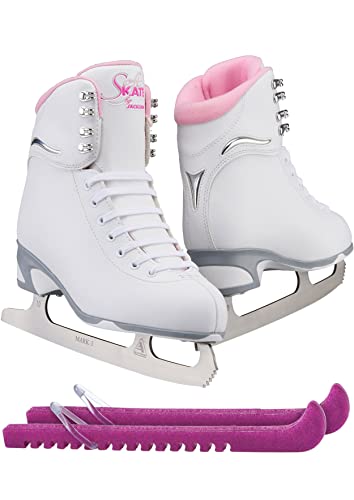
- Bundle with Skate Guards
- THE SIZING CHART IS AVAILABLE AS THE LAST PRODUCT PICTURE. PLEASE MAKE SURE…
- SoftSkate by Jackson combines the comfort and warmth of our popular Softec…
Riedell Unisex Horizon – Best Value Fixed-Size Skate
For skaters ready for a fixed-size boot, the Riedell Unisex Horizon offers excellent quality at an entry-level price. Its moderate stiffness supports basic skills while the reinforced toe cap extends durability. A cost-effective choice for skaters progressing beyond adjustable skates but still growing quickly.
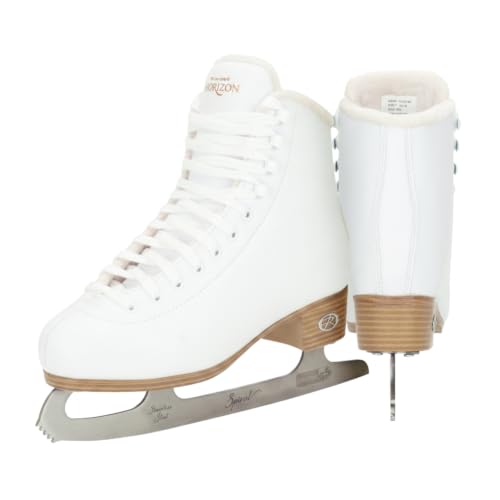
- GREAT SUPPORT: These casual ice skates offer ankle support to keep you safe…
- ULTRA DURABLE: Ice skates men and women can depend on, the Horizon has a…
- VERSATILE BLADE: These ice skates for women and men come with stainless…
Jackson Ultima Mystique – Best for Advancing Beginners
The Jackson Mystique is a step-up skate for skaters mastering edges and spins. It features a slightly stiffer boot for better support and a parabolic blade for easier turns. This model balances growth accommodation with the enhanced performance needed to develop proper technique safely.

- JS1490 for Women; JS1491 for Girls; JS1494 for Toddler (Girls); JS1592 for…
- Leather upper polyurethane coated and Stylized PVC outsole for easy care…
- Softer topline for added comfort
Conclusion: Mastering Your Child’s Figure Skate Growth Cycle
Managing rapid skate outgrowing is challenging but manageable. By implementing accurate measurement, strategic sizing, and smart budgeting, you can control costs. These solutions protect your investment and support your skater’s progress.
The key takeaway is to shift from reactive to proactive planning. Track growth, understand fit signs, and explore alternatives like adjustable skates or the secondhand market.
Start by measuring your child’s feet tonight using our guide. Then, assess which strategy fits your budget and their skill level best.
With the right approach, you can navigate growth spurts confidently. Your child will have the proper support to skate safely and joyfully for seasons to come.
Frequently Asked Questions About Kids Outgrowing Figure Skates
How often do children typically outgrow figure skates?
Children can outgrow skates every 6 to 12 months during growth spurts. The rate depends entirely on their individual growth pattern and age. Younger children in rapid development phases may need new skates more frequently than older teens.
Regular measurement every 3 months is the best way to track this. Keeping a growth log helps you anticipate the next purchase and avoid emergency buys.
What is the best way to buy figure skates for a growing child?
The best strategy combines accurate measurement with smart product selection. Start by getting their precise foot length in millimeters. Then, choose between a properly fitted fixed-size boot or an adjustable model based on their skill level and growth speed.
For fast-growing beginners, adjustable skates offer excellent value. For more serious skaters, invest in a quality fixed boot with a performance fit, and plan for the next size proactively.
Can you stretch figure skates to make them last longer?
Yes, a professional skate technician can stretch certain areas of a boot. This is called “punching out” and can relieve pressure on width or specific bony prominences. It is ideal for accommodating width growth or minor fit issues.
However, stretching cannot significantly increase the length of a skate. Once toes are crammed against the front, the skate is too short and must be replaced for safety.
Should figure skates be the same size as regular shoes?
No, figure skates should typically be 1 to 1.5 sizes smaller than your child’s street shoe size. This is because skates require a much snugger, more precise fit for control and support. A shoe-size conversion is unreliable.
Always use the manufacturer’s size chart based on a millimeter measurement of the foot. Never assume a standard conversion across different skate brands.
What are the signs that skates are too small and need replacing?
Clear signs include curled toes, persistent numbness, or new blisters on the tips of the toes. Visually, you may see a permanently creased toe box from the toes pressing constantly. The skater may also complain of cramping during or after use.
Performance cues are also telling. A sudden struggle with balance or reluctance to skate can indicate discomfort from a too-small boot.
Is it worth buying expensive figure skates for a growing child?
It depends on their commitment and skill level. For a recreational skater, a mid-range, well-fitted skate is sufficient. For a serious skater working on jumps, investing in a properly stiff boot is crucial for safety and proper technique development.
The value lies in the boot’s performance and durability. Sometimes, a higher-quality used skate is a smarter investment than a new, lower-quality model.
How can I save money when my child keeps outgrowing skates?
Utilize the secondhand market, consignment shops, and skate trade-in programs. Join local parent groups for gear swaps. For beginners, consider seasonal rentals from your local rink as a low-commitment option.
Another strategy is the two-pair system: buy a used pair in the next size up for light practice while using the current pair for serious training. This smooths the transition between sizes.
What is the single most important fitting tip for growing feet?
The most critical tip is to measure for a “performance fit,” not a “growth room fit.” A proper skate fit allows only 3-5mm (about a finger’s width) of space from the longest toe to the boot end. This ensures control and safety.
Buying skates with excessive room causes instability, promotes bad habits, and can be dangerous. It does not extend the skate’s usable life in a meaningful way.