Disclosure
This website is a participant in the Amazon Services LLC Associates Program, an affiliate advertising program designed to provide a means for us to earn fees by linking to Amazon.com and affiliated sites.
Your figure skate heel slipping is a common and frustrating fit issue. It compromises stability, control, and can lead to painful blisters. This movement inside the boot undermines your skating technique and confidence on the ice.
This complete guide provides expert tips and proven methods to solve this problem. You will learn the root causes of heel slippage, from boot breakdown to improper lacing. We cover both quick fixes and long-term solutions for skaters of all levels.
Diagnosing the Root Causes of Heel Slippage
Heel slip isn’t just annoying; it’s a symptom of a deeper fit issue. The primary culprits are often boot breakdown and improper volume fit. As boots break down, the padding compresses, creating empty space around your heel and ankle.
This loss of structure allows your foot to move vertically and side-to-side. A boot that is too wide or has too much volume in the heel pocket will never hold you securely, no matter how tightly you lace.
Quick Fixes and Supportive Gear
Before considering new skates, try these effective solutions. Heel lock lacing techniques can create an immediate, more secure fit. Adding specialized insoles or heel grips can take up excess volume and provide direct friction.
A highly effective product for this is the Superfeet Yellow Hockey Comfort Insoles. While designed for hockey, they are a popular figure skating fix.
- They feature a deep, molded heel cup that cradles and lifts the heel.
- The added arch support can better position your foot within the boot.
- They replace the flat stock insole, taking up dead space.
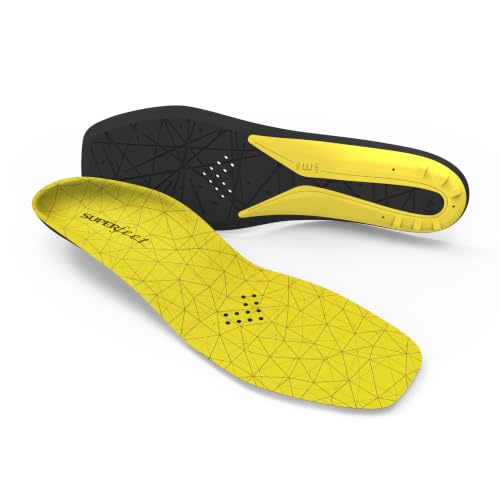
- Arch Support Inserts: Perforated forefoot improves air circulation and…
- Superfeet Insoles for Odor Control: Moisturewick top cover helps reduce…
- Formerly Known as Superfeet HOCKEY Comfort: Hockey Cushion insoles are the…
Check current price on Amazon →
For more permanent gear solutions, explore our guide to the most comfortable and secure figure skates.
When Adjustments Aren’t Enough
If heel grips and lacing tricks fail, your boots may be beyond repair. Chronically broken-down padding or a fundamentally wrong size cannot be corrected with accessories. At this point, investing in properly fitted skates is crucial for safety and progress.
Consider models known for excellent heel hold, like those in our Jackson Ultima Classic series review or the Riedell Soar skates. A professional fitting is the ultimate solution to eliminate heel slip permanently.
How to Fix Heel Slip with Lacing Techniques and Accessories
Proper lacing is your first and most powerful defense against a slipping heel. It costs nothing and can transform your skate’s fit instantly. These methods work by creating specific tension zones to lock your heel in place.
The Heel Lock Lacing Method
This technique creates an anchor point above your ankle to prevent vertical movement. It is the single most effective change you can make to your lacing routine. Follow these steps for a secure lock.
- Lace Normally to Second-to-Top Hooks: Lace your skates normally until you reach the second set of eyelets or hooks from the top.
- Create the Lock Loop: Instead of crossing over, take each lace and thread it through the same-side top eyelet, creating a small loop.
- Cross and Thread Through: Cross the laces and thread each end through the opposite-side loop you just created. Pull tight to cinch the lock down.
This creates a pulley system that pulls your heel back and down into the boot’s pocket when you tighten the final bow.
Using Heel Grips and Insoles for a Snug Fit
When lacing isn’t enough, accessories can take up excess volume. These solutions add material where your boot has stretched or was never quite right. They provide direct friction to stop slippage.
- Adhesive Heel Grips: Stick these padded inserts to the inside back of your boot’s heel. They fill space and add a high-friction surface to grip your sock.
- Molded Insoles: Replace flat stock insoles with supportive ones featuring a deep heel cup. Our recommended Superfeet insoles lift and cradle the heel, improving overall foot positioning.
- Ankle Bump Pads: For skaters with narrow heels, pads placed on either side of the Achilles tendon can help center the heel and eliminate side-to-side wiggle.
Key Takeaway: Combine the heel lock lacing method with a quality insole or heel grip for a multi-layered solution. This addresses both vertical movement and excess volume simultaneously.
For skaters needing more structured support, exploring boots designed for a precise fit is the next step. Our review of high-quality figure skates with excellent construction highlights models known for superior heel hold from day one.
When to Consider New Skates: Signs of Boot Breakdown
Sometimes, heel slip signals that your skates are worn out. Boots lose their supportive structure over time, compromising performance and safety. Recognizing the signs of irreversible breakdown is key to knowing when to replace them.
Identifying Permanent Wear and Tear
Look for these physical indicators that your boot can no longer provide a secure heel pocket. Persistent problems despite fixes mean the material itself has failed.
- Deep, Permanent Creases: Deep creases across the ankle or above the heel indicate the supportive leather or synthetic material has collapsed.
- Ankle “Bubbling” or Flaring: The sides of the boot bulge outward when you stand, showing the structure can no longer contain your foot.
- Compressed Interior Padding: The soft lining and foam around the heel and ankle feel flat and offer no resistance when pressed.
If your boot folds over significantly when you attempt to glide on an edge, the support is gone. This is a major safety risk for jumps and spins.
Choosing Skates for Superior Heel Lock
Investing in new skates is an opportunity to solve heel slip at its source. Focus on models designed for a precise, anatomical fit from the start. A proper professional fitting is non-negotiable.
Consider these features when selecting your next pair:
| Feature | Benefit for Heel Hold |
|---|---|
| Heat-Moldable Boots | Allows customization to your foot’s exact contours, sealing the heel pocket. |
| Multiple Width Options | Ensures a snug fit across the ball of the foot and a narrow heel fit. |
| Stiffer Ankle Support | Prevents the ankle from collapsing and creating space around the heel. |
Pro Tip: When trying on new skates, perform a “plié test.” In a slight knee bend, your heel should remain firmly planted with zero lift. Any movement indicates a poor fit.
For beginners, a well-fitting entry-level skate is essential. Our guide to the best beginner figure skates emphasizes proper fit from the start. For recreational skaters, explore options in our review of top recreational models that prioritize comfort and stability.
Professional Fitting Tips to Prevent Future Heel Slip
The ultimate solution to heel slippage starts before you buy. A professional skate fitting addresses root causes that DIY fixes cannot. This ensures your new boots match your foot’s unique shape and volume from day one.
What to Expect During a Pro Fitting
A quality fitting is a detailed process, not just trying on sizes. The fitter will measure both length and multiple width points of your foot. They assess your arch type, heel narrowness, and overall volume.
Be prepared to discuss your skating level and any past fit issues. The fitter will have you stand, bend (plié), and apply pressure in the boots. They are checking for specific pressure points and, critically, any heel movement during flexion.
Key Measurements for Heel Security
Understanding these terms helps you communicate your needs. A secure heel relies on more than just your shoe size.
- Heel-to-Ball Length: This ensures the boot’s flex point aligns with your foot’s natural bend, preventing your foot from sliding forward.
- Heel Width (Narrowness): Many brands offer separate width options for the heel and forefoot. A narrow heel in a standard width boot will always slip.
- Instep/Volume: A high instep can lift your heel out of the pocket if the boot’s tongue area is too restrictive or not laced properly.
Expert Insight: Don’t assume your street shoe size is your skate size. Skates should fit snugly, with toes lightly brushing the front when standing straight. Your heel must be immovable.
Questions to Ask Your Skate Fitter
Come prepared to advocate for a secure fit. These questions will guide you and the fitter toward the best solution.
- “Based on my measurements, which brands are known for a narrower heel fit?”
- “Can we try a different width or a model with a lower volume?”
- “Is this boot heat-moldable, and will that improve the heel pocket specifically?”
Remember, slight initial pressure is normal, but pinching or numbness is not. A great fitter will balance security with comfort. For examples of well-fitting models, see our reviews of the 5th Element Grace or the Lake Placid Nitro adjustable skates.
Maintaining Your Skates to Preserve Heel Fit
Proper skate care prevents premature breakdown and extends the life of a secure fit. Maintenance is not just about blade rust; it’s about preserving the boot’s structural integrity. Consistent care keeps the heel pocket snug for longer.
Daily and Weekly Care Routines
Simple habits make a significant difference in how your boots age. These routines protect materials from moisture and stress that cause stretching.
- Always Unlace Fully: Never pull your foot out of a tightly laced boot. This stretches the ankle and heel counter over time. Unlace completely to remove them.
- Use Boot Trees or Dryers: Insert absorbent boot trees or use a skate dryer after every session. This wicks sweat, maintains shape, and prevents padding compression.
- Rotate Your Skates: If you skate frequently, having two pairs to rotate allows each to dry and recover its shape fully between uses.
Preventing Padding Collapse and Stretching
The interior padding is crucial for heel hold. Once it flattens, slippage begins. Protect these key areas proactively.
| Area to Protect | Maintenance Action | Benefit for Heel Fit |
|---|---|---|
| Ankle & Heel Lining | Use a boot dryer; avoid excessive heat. | Prevents foam from breaking down and losing its supportive shape. |
| Boot Exterior (Ankle) | Store in a breathable bag, not airtight. | Prevents moisture buildup that weakens materials, causing them to “bubble.” |
| Tongue & Lace Area | Flatten the tongue after use; avoid over-tightening. | Preserves even pressure distribution and prevents material fatigue. |
Warning: Never dry skates on a radiator or with direct high heat. This bakes and cracks the materials, destroying their flexibility and support permanently.
When to Consider Minor Repairs
A skilled skate technician can sometimes extend a boot’s life. Consider these services before total replacement.
- Punch-Outs: For painful pressure points, not for creating space in a loose heel.
- New Lining: In some cases, a portion of the interior heel lining can be replaced to restore friction.
- Reinforcement Patches: Adding material to the exterior ankle can temporarily stiffen a breaking-down area.
For skates that are comfortable but need an upgrade, our review of skates with durable stainless steel blades pairs well with maintained boots. If maintenance can’t save them, our Jackson Ultima Softskate review highlights a durable recreational option.
Advanced Solutions: Heat Molding and Custom Modifications
For persistent heel slip, advanced techniques can customize your boot’s fit. These solutions bridge the gap between off-the-rack skates and full custom orders. They are performed by experienced technicians or, carefully, at home.
The Power of Professional Heat Molding
Many modern skate boots are heat-moldable. This process softens the boot’s materials so they can conform to your foot’s exact contours. It is especially effective for sealing the heel pocket and ankle.
A professional does this with controlled heat and pressure. They will have you stand and flex in the warm boots to set the shape. This can resolve minor volume issues and pressure points simultaneously.
- Best For: Skaters with slightly narrow heels or high insteps in an otherwise good-fitting boot.
- Limitation: It cannot add material; it only reshapes existing structure. It won’t fix a boot that is multiple sizes too large in volume.
DIY Padding and Strategic Additions
With careful application, you can modify your boot’s interior. The goal is to add strategic material without creating new pressure points. Use low-profile, adhesive foam or gel pads.
- Identify the Gap: With your foot in the laced boot, feel where space exists around your heel (sides, back, or bottom).
- Apply Adhesive Pads: Stick small, thin pads to the boot’s interior in those specific gap areas. Build up layers gradually.
- Test and Adjust: Skate lightly and assess. The heel should feel snug but not pinched. Remove or reposition pads as needed.
Proceed with Caution: DIY modifications are permanent. Start with temporary solutions like moleskin before using strong adhesives. When in doubt, consult a skate tech.
When Custom is the Answer
For skaters with extremely unusual foot shapes, custom boots are the definitive solution. This is the final step when all other fixes fail.
| Situation | Custom Boot Benefit |
|---|---|
| Extremely narrow heel with wide forefoot | Creates a last (foot mold) matching your exact dimensions in every zone. |
| Significant size difference between feet | Ensures each boot fits perfectly, eliminating compromise. |
| Previous injuries requiring specific support | Builds in targeted reinforcement and padding from the start. |
The investment is significant but eliminates fit problems forever. For high-quality off-the-rack options that suit many skaters, see our detailed Rollerblade Ice Diva review.
Common Mistakes That Make Heel Slip Worse
Well-intentioned skaters often make errors that exacerbate heel slippage. Identifying and correcting these habits is as important as applying the right fixes. Avoid these pitfalls to maintain a secure, locked-in feel.
Improper Sizing and Break-In Assumptions
The belief that skates should fit like street shoes is the most common mistake. Skates must fit snugly from the start, with the expectation they will mold to your foot, not stretch out.
- Buying for “Growing Room”: Purchasing a size too large creates immediate volume for the heel to lift. Skates should fit with toes just brushing the front when standing straight.
- Assuming They’ll Stretch: While they will mold, expecting significant stretching leads to buying a boot that is fundamentally too wide or voluminous.
- Ignoring Width Options: Settling for a standard width when you need a narrow fit guarantees a loose heel pocket.
Flawed Lacing and Sock Choices
Daily habits directly impact heel stability. Inconsistent lacing and poor sock selection undermine even the best-fitting boots.
| Mistake | Why It Causes Slip | Better Alternative |
|---|---|---|
| Lacing Too Tight at the Toes | Creates a pivot point, forcing the heel up. | Lace snugly but evenly; tightest at the ankle. |
| Using Thick, Bulky Socks | Compresses unevenly, creating dead space. | Use thin, moisture-wicking technical socks. |
| Not Re-lacing Mid-Session | Materials settle; laces loosen, losing tension. | Re-tighten laces after the first 15 minutes. |
Neglecting Boot Support and Alignment
How you stand and move in your skates affects heel contact. Weak supporting muscles or poor alignment can create the sensation of slip.
- Leaning Forward Excessively: This posture lifts your heels off the footbed. Focus on a balanced, centered stance over the blade’s sweet spot.
- Weak Ankle Muscles: If your ankles collapse inward (pronation), your heel rotates and loses full contact with the boot. Off-ice strengthening helps.
- Worn-Out Blades: Severely worn blade rocker or hollow changes your balance point, altering how your foot presses into the boot.
Quick Fix Check: Before trying complex solutions, ensure you are lacing correctly with thin socks and that your boots are not excessively broken down. Often, the simplest correction solves the problem.
For skaters ready to invest in a pair that avoids these issues from the start, our guide to the best comfortable ice skates emphasizes proper fit fundamentals.
Matching Solutions to Your Skill Level
The right fix often depends on how and how often you skate. A recreational skater’s needs differ from a competitive athlete’s.
| Skater Profile | Recommended Primary Solution | Long-Term Strategy |
|---|---|---|
| Beginner/Recreational | Heel lock lacing + adhesive heel grips. | Ensure proper initial fit; consider recreational-specific models. |
| Intermediate/Active | Molded insoles + professional heat molding. | Invest in heat-moldable boots with good support from brands like Jackson or Riedell. |
| Advanced/Competitive | Immediate professional fitting assessment. | Prioritize performance fit; consider custom boots if foot shape is atypical. |
The Ultimate Goal: A perfectly fitted skate where your heel is an immovable part of the boot. This provides the stable foundation for every edge, turn, and jump.
Remember, a slipping heel is a fixable problem. By understanding the causes—from lacing to breakdown—you can take control. For your next pair, use our resources like the beginner skate buying guide to make an informed choice that prioritizes heel security from day one.
Best Products for Preventing Heel Slip – Detailed Comparison
Superfeet Yellow Hockey Comfort Insoles – Best Overall Choice
These are the top-recommended insoles for fixing heel lift in skates. Their deep, stabilizing heel cup cradles and lifts your heel, taking up excess volume. The high-impact foam provides lasting support, making them ideal for skaters needing both heel security and arch comfort in broken-down boots.
- Arch Support Inserts: Perforated forefoot improves air circulation and…
- Superfeet Insoles for Odor Control: Moisturewick top cover helps reduce…
- Formerly Known as Superfeet HOCKEY Comfort: Hockey Cushion insoles are the…
EZ FIT Heel Lock Lace Pads – Best Budget Fix
These simple silicone pads attach directly to your skate laces. They create an instant friction lock when using the heel lock lacing method, preventing laces from loosening. This is an affordable, non-invasive solution perfect for beginners or recreational skaters experiencing minor slippage.
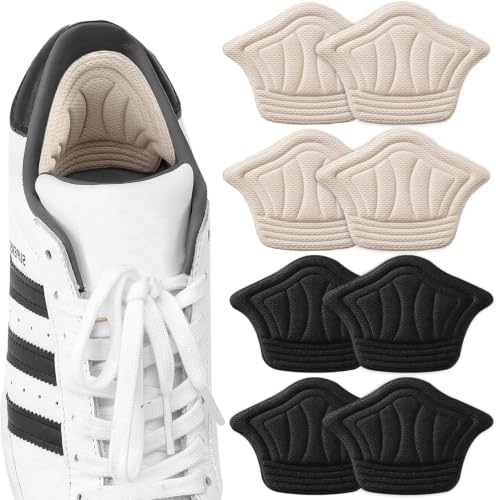
- Instant Relief from Painful Shoes: Tired of breaking in new shoes or…
- Universal Fit for a Snug Feel: Designed for both women and men, these…
- Easy to Use: No more complicated inserts or tools! Simply peel off the…
Bunga Heel Pads & Sleeves – Best for Protection & Grip
Bunga’s gel heel sleeves provide a dual benefit: they add protective padding against blisters while the textured material increases friction inside the boot. They are excellent for skaters with sensitive skin or those who need a slight volume fill without changing their insole.
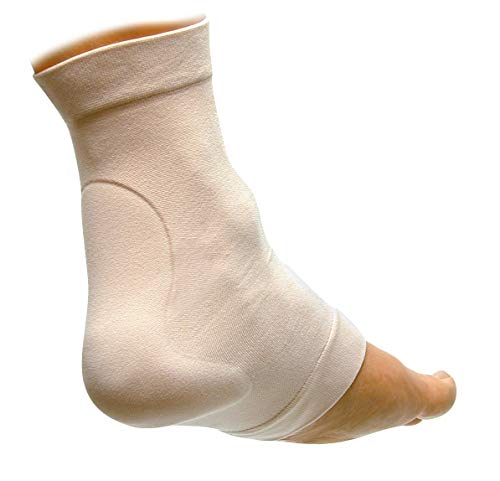
- 100% Medical Grade Quality, Blister Free
- Sizes Available, Washable & Reusable
- Bunga High-Tek Sleeving- Light weight, High Tech Elastic Sleeve
Conclusion: Securing Your Heel for Confident Skating
A slipping heel is a fixable problem with clear solutions. From simple lacing tricks to professional fittings, you now have a complete toolkit. Each method addresses different causes, from minor volume issues to boot breakdown.
The key takeaway is to diagnose before you treat. Start with the easiest, least expensive fixes and progress systematically. Investing in proper fit, whether through accessories or new skates, is investing in your performance and safety.
Take action today by trying the heel lock lacing method or assessing your boot’s condition. For your next pair, prioritize a professional fitting to prevent the issue from recurring.
With a secure, locked-in heel, you can focus on the joy of skating with stability and confidence.
Frequently Asked Questions about Figure Skate Heel Slip
What is the fastest way to stop my heel from slipping in skates?
The fastest solution is the heel lock lacing method. This technique creates an anchor point above your ankle to pull your heel down and back. It requires no tools and takes less than a minute to implement.
Combine this with wearing thin, moisture-wicking socks. Thick socks compress and create space, while proper lacing provides immediate mechanical security. This fix works for both new and broken-in skates.
How do I know if my skates are too big or just broken down?
Perform a simple test. Lace your skates snugly with the heel lock method and stand straight. If your toes are not lightly brushing the front, they are likely too big. If they fit lengthwise but the heel slips, they are probably broken down.
Look for physical signs like deep permanent creases above the ankle or outward bulging. These indicate structural collapse, meaning the boot has lost its supportive shape and volume.
Are gel heel grips or supportive insoles better for preventing slip?
They serve different purposes. Gel heel grips are best for adding friction and filling a small, specific gap at the back of the heel. They are a simple, localized fix.
Supportive insoles with a deep heel cup address the entire foot’s posture. They lift and cradle the heel while providing arch support, offering a more comprehensive solution for overall poor fit or collapsed padding.
Can a skate shop fix a heel that slips in my boots?
Yes, a professional skate shop can offer several solutions. They can assess if heat molding your boots will improve the heel pocket’s contour. They can also add internal padding or suggest the correct aftermarket insole.
If the boots are beyond repair, their most valuable service is a professional fitting for a new pair. They will measure your foot to find a model and size that secures your heel from the start.
Why does my heel slip only when I bend my knees?
Heel slip during knee bends (plié) indicates a fundamental fit issue. As you flex forward, your foot can slide inside the boot if it isn’t held securely. This often means the boot’s heel pocket is too wide or the overall volume is incorrect.
It can also point to weak ankle muscles allowing your foot to pronate. A proper fit should keep your heel firmly planted with zero lift during deep knee bends.
What are the best figure skates for a narrow heel?
Brands like Riedell and Jackson are renowned for offering multiple width options, including narrow fits. Specific models like the Riedell Soar or Jackson Mystique often come in width combinations, such as a narrow heel with a standard forefoot.
Always seek a professional fitting. A good fitter will measure your heel width separately and recommend brands known for a more anatomical, secure heel pocket to prevent slippage.
Is it normal for new skates to have a little heel slip?
A very minor amount of initial movement can be normal as the stiff padding hasn’t molded to your foot. However, significant or consistent slipping is not normal and indicates a poor fit. New skates should feel snug and secure everywhere, especially in the heel.
The padding will compact slightly with break-in, but it should not create large gaps. If you feel more than a few millimeters of lift, address it immediately with lacing or consult your fitter.
Can I use hockey insoles in my figure skates?
Yes, many figure skaters successfully use hockey insoles like Superfeet Yellows. The biomechanical needs are similar: both require excellent heel lock and arch support. Hockey insoles are designed for a stiff boot environment and a deep heel cup.
Ensure you trim them carefully to match your figure skate’s footbed shape. They are an excellent, cost-effective alternative to figure-specific brands for taking up volume and stabilizing the heel.