Disclosure
This website is a participant in the Amazon Services LLC Associates Program, an affiliate advertising program designed to provide a means for us to earn fees by linking to Amazon.com and affiliated sites.
Choosing between leather and synthetic figure skate boots is a critical decision for every skater. The right boot impacts performance, comfort, and longevity on the ice. This complete guide provides expert tips to help you make the perfect choice for your skating level and goals.
You will learn the proven pros and cons of each material. We break down key factors like break-in time, support, and durability. Our detailed comparison will give you the confidence to select the best skate boot for your needs.
The Core Problem: Material Choice Impacts Your Entire Skating Experience
Selecting the wrong boot material can derail your progress and enjoyment. It’s not just about aesthetics or price. The material directly affects break-in pain, ankle support, and long-term performance.
Many skaters choose based on a single factor, like initial comfort. This often leads to frustration as the boots break down prematurely or fail to provide needed support for jumps and spins. Understanding the core trade-offs is essential.
Quick Fix: A Reliable Synthetic Boot for Beginners
For new skaters and recreational users, a quality synthetic boot offers immediate comfort and consistent support. These boots require minimal break-in, letting you focus on learning skills.
A great entry-point option is the Jackson Ultima Classic 200/500 series. It provides excellent value and a gentle introduction to figure skating.
Jackson Ultima Finesse 200 Figure Skate
A superb synthetic boot for beginners, offering reinforced ankle support and a padded lining for comfort right out of the box.
- Thermoformable synthetic upper molds to your foot with heat
- Reinforced ankle and heel for stability
- Padded comfort lining reduces break-in time

- REFER TO SIZING CHART IN IMAGES.
- Reinforced vinyl coated uppers gives strength, support and durability…
- Padded felt tongues for comfort and support
Check current price on Amazon →
When a Quick Fix Isn’t Enough: Finding Your Perfect Match
If you’re advancing beyond basic skills, the “quick fix” boot won’t suffice. You need a boot that matches your technical demands and foot shape. This is where deep research pays off.
Start by exploring our detailed guide on the most comfortable ice skates for all skill levels. For specific model insights, read our in-depth Jackson Ultima Classic 200 & 500 review. If warmth is a priority, our roundup of the best ice skates for warmth and comfort is invaluable.
The right choice depends on your skating goals, frequency, and personal physiology. Investing time in research now prevents costly mistakes later.
Skate Boot Materials: Leather vs. Synthetic Construction
The fundamental difference between skate boots lies in their construction material. This choice dictates everything from feel to function on the ice. Understanding these core materials is the first step to making an informed decision.
Traditional Leather Skate Boots: The Gold Standard
Leather has been the premier material for figure skates for decades. It is prized for its natural performance characteristics and moldable qualities. High-quality leather boots are often handcrafted for a precise, custom fit.
The primary benefits of leather include:
- Superior Molding: Leather gradually conforms to the unique shape of your foot and ankle over time.
- Progressive Break-In: They offer a stiffer initial feel that softens predictably, providing long-lasting support.
- Breathability: Natural fibers allow for better air circulation, reducing moisture and odor buildup.
Modern Synthetic Skate Boots: Engineered Performance
Synthetic boots use advanced materials like thermoplastics, reinforced polymers, and synthetic leather. They are designed for consistency, durability, and immediate usability. This makes them a popular choice for recreational and beginner skaters.
Key advantages of synthetic materials are:
- Minimal Break-In Time: They offer near-immediate comfort with little to no painful molding period.
- Consistent Support: The material does not break down or soften as dramatically as leather, maintaining its stiffness.
- Weather Resistance: Synthetics are less susceptible to damage from moisture, salt, and temperature fluctuations.
Key Takeaway: Leather molds to you for a custom fit, while synthetic offers consistent, ready-to-use support. Your choice depends on prioritizing long-term customization versus immediate comfort.
Material Comparison at a Glance
| Feature | Leather Boots | Synthetic Boots |
|---|---|---|
| Break-in Period | Longer, progressive | Short, minimal |
| Fit Evolution | Molds to foot shape | Remains consistent |
| Durability | Long-lasting if cared for | Highly resistant to elements |
| Ideal For | Serious skaters, custom fit seekers | Beginners, rec skaters, rental replacements |
How to Choose: Matching Boot Material to Your Skating Level
Your skill level and skating frequency are the most critical factors in this decision. The right material provides appropriate support without hindering your progress. This guide helps you match the boot to your current and future goals.
Best Boots for Beginner and Recreational Skaters
New skaters need comfort and basic support to build confidence. A painful break-in period can discourage continued practice. Synthetic boots are typically the superior choice at this stage.
Look for these features in a beginner boot:
- Reinforced Ankle: Provides stability for learning edges and basic maneuvers.
- Padded Lining: Maximizes comfort during longer public skating sessions.
- Moderate Stiffness: Offers support without being overly restrictive or difficult to break in.
For specific models, explore our guide to the best women’s recreational ice skates for comfortable options.
Selecting Boots for Intermediate and Advanced Skaters
As you master single jumps and faster spins, support becomes paramount. Boots must withstand significant impact and lateral force. This is where high-quality leather boots often become necessary.
Advanced skaters should prioritize:
- Customizable Fit: Leather’s molding ability provides a precise, secure feel for complex footwork.
- Progressive Break-Down: The boot softens in a predictable pattern that matches your skill development.
- Superior Energy Transfer: A well-fitted leather boot offers a more direct connection to the blade for powerful pushes.
Skill-Level Rule of Thumb: Choose synthetic for comfort and consistency as a beginner. Transition to leather when your skills demand a custom, high-performance fit that evolves with you.
Considerations for Frequent vs. Occasional Use
How often you skate dramatically affects which material will last. Frequent skaters need durability, while occasional skaters value convenience.
| Skating Frequency | Recommended Material | Primary Reason |
|---|---|---|
| Frequent (3+ times/week) | High-Quality Leather | Withstands repetitive impact; molds perfectly with use. |
| Occasional (1-2 times/month) | Durable Synthetic | Maintains shape and support despite long periods of storage. |
Long-Term Value: Cost, Durability, and Maintenance Compared
The initial price tag is just one part of the financial equation. True value includes how long the boots last and what it takes to maintain them. Let’s break down the long-term costs of leather versus synthetic skate boots.
Breaking Down the Initial Investment and Lifespan
Leather boots typically have a higher upfront cost due to material and craftsmanship. Synthetic boots are generally more affordable initially. However, lifespan must be factored into this cost.
- Leather: Higher initial cost, but can last for several seasons with proper care, especially for advanced skaters.
- Synthetic: Lower initial cost, but may break down more abruptly and require replacement sooner under frequent, high-impact use.
For a durable synthetic option known for value, see our Rollerblade Bladerunner Ice Diva review.
Maintenance Requirements for Each Material
Proper care extends the life of any skate boot, but the routines differ. Neglecting maintenance can lead to premature breakdown, regardless of material quality.
Follow this simple care checklist:
- After Every Use: Wipe down boots with a dry cloth to remove moisture and ice melt.
- Weekly (Leather): Apply a leather conditioner to prevent drying and cracking.
- Weekly (Synthetic): Clean with a damp cloth and mild soap; avoid harsh chemicals.
- Storage: Always use hard skate guards for transport and soft soakers for drying blades after use.
Maintenance Insight: Leather requires more proactive conditioning to stay supple. Synthetic needs less upkeep but is less forgiving of neglect, as damage is often irreversible.
When to Know It’s Time for a Replacement
All boots eventually lose their supportive properties. Recognizing the signs prevents injury and ensures optimal performance.
| Sign of Wear | Common in Leather | Common in Synthetic |
|---|---|---|
| Loss of Support | Boot breaks down and becomes too soft, causing ankle roll. | Material may crack or crease permanently, losing structural integrity. |
| Visible Damage | Deep creases, dried/cracked areas, stitching failure. | Plastic fatigue cracks, peeling layers, torn synthetic lining. |
| Fit Issues | Over-molding creates too much volume, causing foot slippage. | Liner compresses permanently, creating painful pressure points. |
Expert Fitting Tips and Common Mistakes to Avoid
A perfect boot in the wrong size or fit will never perform correctly. Professional fitting is crucial, but understanding key principles empowers you. Avoid these common pitfalls to ensure your new boots feel right from the start.
Critical Sizing and Fit Considerations
Skate sizing differs from street shoe sizing. They should fit snugly with a “performance fit,” not a “comfort fit.” Your toes should gently brush the toe box when standing straight.
Essential fitting steps include:
- Measure Both Feet: Fit to your larger foot, as feet are often different sizes.
- Wear Proper Socks: Use thin, moisture-wicking skating socks for an accurate fit.
- Check Heel Lock: Your heel must be held firmly in place with no lift when you bend your knees.
- Consult Width: Many brands offer multiple width options (e.g., Jackson’s Classic vs. Elite fit).
Top 3 Fitting Mistakes with Leather and Synthetic Boots
These errors can lead to discomfort, injury, and wasted money. Being aware of them helps you and your fitter make better choices.
- Mistake 1: Buying Too Large. “Growing room” is a myth for performance skates; excess space causes blisters and poor control.
- Mistake 2: Ignoring Width. Assuming a standard width fits all can cause painful pressure or lack of support.
- Mistake 3: Misunderstanding Break-In. Expecting leather to be instantly comfortable or synthetic to mold significantly leads to disappointment.
For a boot known for a good fit right away, read our 5th Element Grace ice skates review.
Pro Fitting Tip: The boot should feel uncomfortably snug when new, not painfully tight. Leather will mold to relieve pressure points; synthetic will compress slightly in key areas.
When to Seek Professional Boot Fitting Help
While online guides are helpful, some situations demand expert intervention. A professional fitter can solve complex problems you can’t fix alone.
Seek a certified fitter if you experience:
- Persistent Pain: Numbness, burning, or sharp pain beyond normal break-in discomfort.
- Unique Foot Anatomy: Very high arches, flat feet, bunions, or previous injuries.
- Advanced Skill Transition: Moving to stiffer boots for double jumps or higher-level skating.
For younger skaters needing adjustable fits, our Lake Placid Nitro review covers a great adjustable option.
Making Your Best Choice
With all factors considered, it’s time to synthesize the information into a clear decision. This guide helps you weigh your personal priorities against the material properties. Follow this process to confidently select your ideal figure skate boot.
Step-by-Step Decision Matrix for Skaters
Answer these key questions to guide your choice between leather and synthetic materials. Your honest answers will point you toward the best option.
- What is your primary skating goal? (Recreation/Learning vs. Competitive/Advanced Skills)
- How often do you skate per week? (Occasional vs. Frequent/Intense)
- What is your tolerance for break-in discomfort? (Low/None vs. Acceptable for long-term gain)
- What is your budget for initial cost and maintenance? (Lower upfront vs. Higher investment)
Scenario-Based Recommendations
Let’s apply the matrix to common skater profiles. These scenarios illustrate how the decision plays out in real life.
| Skater Profile | Recommended Material | Why It’s the Best Fit |
|---|---|---|
| The Adult Beginner Skates 1-2x/month for fun. | Durable Synthetic | Maximizes comfort and requires no break-in; maintains shape between uses. |
| The Teenage Club Skater Practices 3x/week, learning single jumps. | Mid-Stiffness Leather | Provides necessary support for jumps and molds to support growing skill. |
| The Competitive Junior Training daily with double jumps. | High-Stiffness Leather | Essential for impact absorption, energy transfer, and precise custom fit. |
The Bottom Line: If your skating is casual and comfort-focused, choose synthetic. If you are serious about advancing your skills and need a boot that works with you, invest in quality leather.
Next Steps After Choosing Your Material
Your decision on material narrows the field. The next step is to find specific models that match your chosen category and fit.
- For Synthetic Seekers: Explore brands like Jackson’s Ultima Classic line or Lake Placid. Read our Lake Placid Cascade review for a popular model.
- For Leather Seekers: Research brands like Jackson’s Elite or Debut lines, Riedell, and Edea. Focus on stiffness ratings that match your jump level.
- For All: Prioritize finding a qualified fitter. Your perfect boot is the one that fits your foot perfectly, regardless of brand.
Best Figure Skate Boots for Every Skater – Detailed Comparison
Based on material, performance, and skater level, these three boots stand out in their respective categories. Each offers a distinct balance of leather and synthetic benefits to meet specific needs on the ice.
Jackson Ultima Finesse JS180 – Best Synthetic Boot for Beginners
This boot features a thermoformable synthetic upper that offers a custom-moldable fit without a traditional leather break-in. Its reinforced ankle and padded lining provide immediate comfort and stability, making it ideal for new skaters and recreational use. It’s a top value choice.
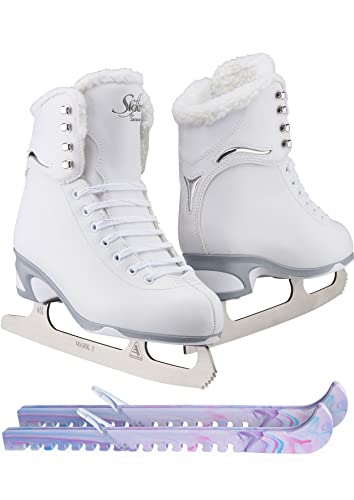
- Bundle with Skate Guards
- THE SIZING CHART IS AVAILABLE AS THE LAST PRODUCT PICTURE. PLEASE MAKE SURE…
- SoftSkate by Jackson combines the comfort and warmth of our popular Softec…
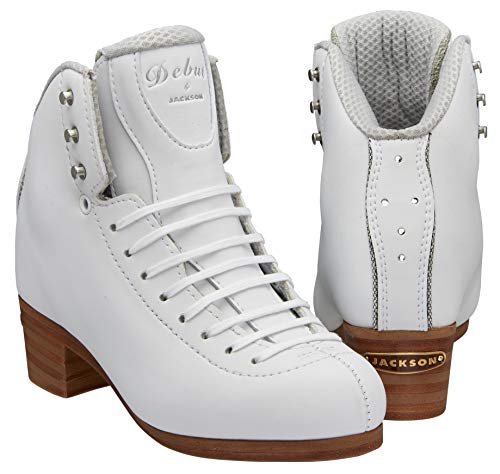
Jackson Ultima Debut DJ2430 – Best Leather Boot for Intermediate Skaters
Constructed with premium, hand-lasted leather, the Debut DJ2430 offers excellent molding and progressive support. It’s designed for skaters working on single jumps and demanding footwork. The breathable lining and durable construction provide the perfect bridge between beginner and advanced performance.
Riedell 23 Stride – Best Boot for Advanced/Competitive Skaters
A high-performance leather boot built for serious skaters. It features Riedell’s patented Angular Geometry for superior alignment and power transfer. The stiff, responsive leather is built to withstand the impact of double jumps and provide the precise, custom fit required at competitive levels.
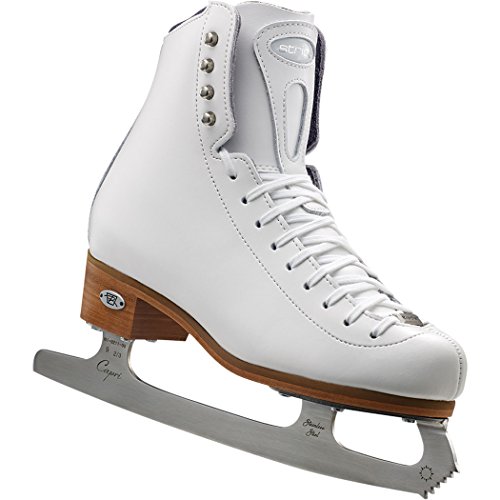
- Open Throat Design
- Flex Notch
- Hand Rolled Collar
Conclusion: Making the Right Choice for Your Skating Journey
Choosing between leather and synthetic figure skate boots defines your on-ice experience. Each material offers distinct advantages for different skill levels and goals. Your decision should align with your personal skating ambitions and frequency.
The key takeaway is simple: match the boot’s performance to your current needs. Don’t overboot as a beginner or underboot as an advancing skater. Let your progression guide your investment.
Now, take the next step. Use our detailed guides and reviews to find your perfect model. Most importantly, visit a professional fitter for expert advice tailored to your feet.
With the right boots, every session becomes more productive and enjoyable. Your perfect pair is waiting to help you glide, spin, and jump with confidence.
Frequently Asked Questions about Leather vs. Synthetic Figure Skate Boots
What is the main difference between leather and synthetic skate boots?
The core difference is in material behavior and break-in. Leather boots mold to your foot over time, creating a custom, breathable fit. Synthetic boots offer consistent, ready-to-use support with minimal break-in but less customization.
Leather evolves with your skating, while synthetic maintains its initial shape. This makes leather ideal for progressing skills and synthetic perfect for consistent recreational use.
How long does it take to break in leather figure skates?
Breaking in quality leather skates typically takes 10-20 hours of on-ice time. This process should be gradual over 2-4 weeks. Never attempt to break them in quickly during a single long session.
Proper break-in involves wearing them at home first, then short skating sessions. The leather will soften predictably at pressure points, forming to your unique foot and ankle contours for optimal support.
Are synthetic skate boots good for beginners?
Yes, synthetic boots are often the best choice for beginners. They provide immediate comfort and consistent support right out of the box. This allows new skaters to focus on learning skills without break-in discomfort.
Their predictable stiffness and lower maintenance make them ideal for casual use. Beginners can develop proper technique without fighting an overly stiff or painful boot during those critical first lessons.
Which type of skate boot lasts longer, leather or synthetic?
With proper care, high-quality leather boots generally have a longer functional lifespan for serious skaters. They break down gradually rather than failing abruptly. However, synthetic boots can last very well for occasional recreational use.
Durability depends heavily on skating frequency and maintenance. Leather requires conditioning but withstands repetitive impact better. Synthetic resists weather damage but may crack under intense, frequent use.
Can you heat mold synthetic skate boots?
Some advanced synthetic boots feature thermoformable materials that can be heat molded. However, most standard synthetic boots cannot be heat molded like traditional leather. Always check the manufacturer’s specifications before attempting any heat application.
Thermoformable synthetics bridge the gap between materials, offering moldable customization. For non-thermoformable models, the fit is largely determined by the internal padding compressing over time.
What is the best way to care for leather skate boots?
Regular conditioning is essential. Wipe boots dry after each use and apply a leather conditioner weekly to prevent cracking. Always use hard guards for walking and soft soakers for blade drying to protect the sole and leather from moisture damage.
Store them at room temperature away from direct heat sources. Proper care prevents the leather from drying out and maintains its supportive properties throughout its lifespan.
When should I upgrade from synthetic to leather skate boots?
Upgrade when you consistently practice jumps beyond waltz jumps or begin working on faster spins. If your synthetic boots feel too soft, causing ankle roll or inadequate support during landings, it’s time. Advancing to more technical skills demands the customizable support of leather.
Listen to your body and your coach. Persistent instability or the boot breaking down too quickly are clear signs you need the performance characteristics of a quality leather boot.
Do professional figure skaters use leather or synthetic boots?
Virtually all elite competitive figure skaters use high-quality leather boots. The custom molding, progressive breakdown, and superior energy transfer are essential for triple and quadruple jumps. Leather’s ability to provide precise, responsive support at the highest level is unmatched.
They may use advanced synthetic components for reinforcement in high-stress areas. However, the primary boot construction remains premium leather tailored to their exact specifications and skill demands.
Can Synthetic Boots Be as Good as Leather?
For the right skater, yes—synthetic boots can be the better choice. “Good” is defined by how well the boot matches the skater’s needs.
- For Beginners/Recreational Skaters: High-quality synthetics are often superior. They provide immediate, consistent support without a painful break-in.
- For Advanced/Competitive Skaters: Leather remains the performance standard. Its molding capability and progressive breakdown are unmatched for high-level skills.
It’s about finding the right tool for the job, not a universal “best.”
How Do I Properly Break In Leather Skates?
A proper break-in protects your investment and prevents injury. Rushing this process can damage the boot’s structure.
Follow this phased approach:
- Wear at Home: Lace up and wear the skates while watching TV to gently form the ankle.
- Short On-Ice Sessions: Start with 15-20 minutes of light skating, focusing on edges and basic moves.
- Gradual Increase: Slowly extend your skating time over 2-4 weeks as the boot softens.
- Never Force It: Avoid attempting high-impact jumps until the boot flexes comfortably at the ankle.
Remember: A proper break-in should involve discomfort, not sharp or debilitating pain. Persistent pain indicates a potential fit issue.
Are There Hybrid Leather/Synthetic Boot Options?
Yes, many modern boots use hybrid construction. This blends materials to optimize performance and cost.
Common hybrid designs include:
- Synthetic Upper with Leather Lining: Offers the consistent support of synthetic with the breathable comfort of leather inside.
- Reinforced Synthetic in High-Stress Areas: Leather boots may have synthetic panels or stiffeners in the ankle or toe for extra durability.
- Thermoformable Synthetics: Some advanced polymers can be heat-molded like leather, bridging the gap between the two categories.
For an example of a popular hybrid-style boot, check our Jackson Ultima SoftSkate 380 review.