Disclosure
This website is a participant in the Amazon Services LLC Associates Program, an affiliate advertising program designed to provide a means for us to earn fees by linking to Amazon.com and affiliated sites.
Heat-moldable boots provide a superior, custom fit for most skaters. This technology directly addresses the common pain points of traditional skate boots.
Our complete guide breaks down the key differences, benefits, and drawbacks. You’ll get expert tips for making the right choice for your skating level and goals.
The Universal Struggle: Finding Skates That Don’t Hurt
Every skater knows the pain of breaking in new boots. Traditional skates require a long, often painful process to mold to your feet. This leads to blisters, pressure points, and frustration that can cut your practice short.
Even after breaking them in, a generic fit can cause foot fatigue and limit performance. Your unique foot shape—with its specific arches, bunions, or width—simply doesn’t match a mass-produced boot’s interior.
A Modern Solution: Heat-Moldable Boot Technology
Heat-moldable boots are the game-changing solution. They use specialized materials that soften when heated, allowing the boot to conform precisely to your foot’s contours. A professional can perform this process in minutes.
The result is a customized fit from day one. This drastically reduces break-in time and eliminates most common pressure points. For a great selection of skates built for comfort, explore our guide to the most comfortable ice skates on the market.
When a Quick Fix Isn’t the Right Fix
Heat-molding is fantastic, but it’s not a cure-all for poorly chosen skates. If the boot’s basic size, stiffness, or structure is wrong for your skill level, molding won’t help. The foundation must be correct first.
This is where expert guidance is crucial. Choosing the right boot model for your weight, discipline, and jumping level is the first critical step. For detailed comparisons, read our in-depth Jackson Ultima Softskate review and our analysis of Lake Placid Cascade skates to understand different boot constructions.
Product Spotlight: Jackson Ultima SoftSkate Series Boot
A popular heat-moldable option for intermediate skaters. Its Thermo-Fit lining molds to your foot for a personalized fit.
- Heat-moldable Thermo-Fit interior liner.
- Reinforced ankle support for controlled jumps.
- Suitable for single and double jumps.
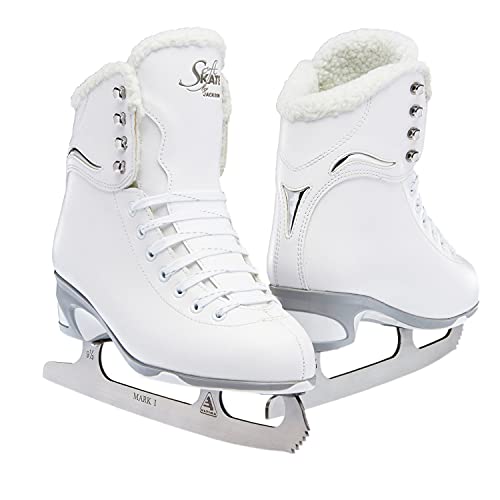
- To make sure that the skates fit correctly get half a size smaller than US…
- Fashionably placed chromed insert that adds style and sophistication.
- Reinforced vinly upper with padded covered tongue and rolled padded collar…
Check current price on Amazon →
Traditional Figure Skate Boot Construction
Traditional skate boots are crafted from stiff leather that forms to your foot over time. This process relies on friction, pressure, and body heat during skating. The break-in period is entirely dependent on your skating frequency and pain tolerance.
These boots offer a proven, durable structure favored by many professionals. However, achieving a perfect fit is often a lengthy and uncomfortable journey. The initial stiffness is necessary for support but can be a significant barrier for new and recreational skaters.
The Break-In Process: Patience and Pain
Breaking in traditional skates is a physical process. You must skate through the discomfort until the leather softens and creases at your specific flex points. This can take anywhere from 10 to 30 hours of ice time.
Common break-in techniques include wearing thick socks and using a hair dryer to soften specific spots. Despite these methods, blisters and hot spots are almost guaranteed in the early stages. The leather will eventually mold, but the path there is rarely pleasant.
Pros and Cons of Classic Skate Design
Weighing the advantages and disadvantages helps determine if traditional boots are right for you. Their longevity is a major benefit, but the initial experience is a notable drawback.
| Pros | Cons |
|---|---|
| Proven durability and long lifespan | Long, painful break-in period |
| Consistent feel and performance over time | Generic fit may not suit unique foot shapes |
| Often less expensive upfront cost | Higher risk of blisters and pressure injuries |
| Wide availability across brands and models | No ability to adjust fit after purchase |
This classic design excels for skaters with very standard foot shapes who prioritize longevity. For those seeking immediate comfort, the modern alternative of heat-moldable boots presents a compelling solution, which we will explore next.
How Heat-Moldable Boots Create a Custom Fit
Heat-moldable figure skates use advanced materials designed to soften under controlled heat. This technology allows the boot’s interior foam and lining to expand and contour to your unique foot shape. The result is a personalized fit achieved in a single professional session, not over months of skating.
This process targets specific areas like the ankle bones, instep, and heel pocket. It addresses common fit issues that standard boots cannot. The goal is to eliminate empty space and pressure points simultaneously for superior comfort and control.
The Professional Molding Process Step-by-Step
A certified technician should always perform the heat-molding process. It is not a DIY activity, as improper heating can damage the boot’s structure and support.
- Assessment: The technician evaluates your foot, noting bone structure, arches, and any existing pressure points.
- Heating: Specialized ovens or heat guns warm the boot’s interior materials to a precise, safe temperature.
- Molding: You immediately put on the warmed boots with your skating socks. You then stand and flex in a neutral position as the materials cool and set around your foot.
- Fine-Tuning: The technician may spot-heat specific areas for minor adjustments before the boots fully cool.
Advantages of a Boot Molded to Your Foot
The benefits of this custom approach extend far beyond simple comfort. A precise fit enhances every aspect of your skating performance and safety.
- Immediate Comfort: Drastically reduced or eliminated break-in pain and blistering from day one.
- Enhanced Performance: Better energy transfer from leg to blade due to reduced foot movement inside the boot.
- Improved Stability: Snug heel and ankle hold increases confidence for edges, spins, and jumps.
- Accommodates Irregularities: Excellent solution for skaters with bunions, hammer toes, or significantly different foot sizes.
While the advantages are significant, it’s important to understand the limitations. Heat-molding adjusts the interior volume and padding, but cannot alter the fundamental stiffness or external shell size of the boot. Choosing the correct model and size from the start remains essential.
Direct Comparison: Heat-Moldable vs. Traditional Boots
Choosing between boot types depends on your priorities as a skater. This side-by-side analysis highlights the critical differences in key performance and experience categories. Understanding these factors will guide you to the best decision for your needs and budget.
Consider your skill level, frequency of skating, and specific foot shape. A recreational skater’s ideal choice often differs from that of a competitive athlete. This comparison provides the clarity needed to weigh your options effectively.
Head-to-Head: Performance and Experience Factors
The table below breaks down how each boot type performs across essential criteria for skaters.
| Factor | Heat-Moldable Boots | Traditional Boots |
|---|---|---|
| Initial Fit & Comfort | Excellent from day one; custom molded. | Poor to painful; requires long break-in. |
| Break-In Time | Minutes (professional molding). | 10-30+ hours of skating. |
| Fit Precision | High; conforms to unique foot shape. | Moderate; generic interior shape. |
| Upfront Cost | Typically higher. | Often lower. |
| Long-Term Value | High comfort quickly; may need re-molding. | High durability once broken in. |
| Best For | Comfort seekers, irregular feet, intermediate skaters. | Budget-conscious, standard feet, patient beginners/pros. |
Making the Right Choice For Your Skating Level
Your current ability and goals are the ultimate deciding factors. The ideal boot supports your progression while preventing injury and frustration.
- Beginner/Recreational Skaters: Heat-moldable boots are often worth the investment. Immediate comfort increases enjoyment and encourages more frequent practice, accelerating skill development.
- Intermediate Skaters (learning singles/doubles): This is the prime category for heat-moldable technology. The custom fit provides the precise stability and confidence needed for mastering jumps without a painful break-in derailing training.
- Advanced/Professional Skaters: Choice becomes more personal. Many elite skaters still prefer the proven, consistent feel of fully broken-in traditional boots. Others value the precision of a custom-molded fit for peak performance.
Remember, the correct boot stiffness rating for your weight and skill level is more important than the molding technology. A properly fitted traditional boot is always better than a poorly chosen heat-moldable one.
Expert Buying Guide and Pro Fitting Tips
Purchasing the right skate boot is a critical investment in your skating journey. Beyond the heat-moldable vs. traditional debate, several universal fitting principles apply. Following these expert tips ensures you select a boot that supports your progress and prevents injury.
Always prioritize proper fit over brand loyalty or aesthetics. A poorly fitting boot, regardless of its technology, will hinder your performance and cause pain. This guide focuses on the essential steps for a successful purchase.
Critical Fit Checklist Before You Buy
Use this checklist during your fitting appointment, whether in-store or when trying on at home. Do not rely on your street shoe size for skate sizing.
- Heel Lock: Your heel must be snugly held down and back in the boot with zero lift when you bend your knees.
- Toe Placement: Your toes should gently brush the front of the boot when standing straight, but not be curled or jammed.
- Width & Volume: The boot should hug the sides of your foot without causing immediate pressure points on the bones.
- Ankle Support: The top of the boot (the cuff) should hit just below your ankle bones, allowing for proper flexion without pinching.
How to Get Professionally Fitted for Skates
Seeking a professional fitting is highly recommended, especially for your first pair of quality skates. A good fitter will assess more than just length.
- Find a Specialty Shop: Look for a dedicated skate or hockey shop with certified fitters, not a general sporting goods store.
- Bring Your Gear: Wear the thin skating socks you plan to use. Bring any orthotics you normally wear.
- Communicate Clearly: Describe any past foot issues or areas of concern. Be honest about your skill level and goals.
- Test the Fit: Walk, bend your knees, and simulate skating edges in the shop. Listen to the fitter’s advice on sizing and width.
Remember, heat-moldable boots offer a fantastic solution for fine-tuning. However, they are not a substitute for this crucial initial fitting process. For more model-specific guidance, explore our detailed reviews, like our analysis of Jackson Ultima Classic series boots for beginners and our look at versatile indoor-outdoor ice skates.
Cost Analysis and Long-Term Value Considerations
The upfront price tag is only one part of the financial picture when choosing skate boots. True value is measured in comfort per hour skated, performance gains, and boot longevity. A cheaper boot that causes pain and sits in the closet offers poor value.
You must consider both immediate and ongoing costs. This includes potential modifications, professional services like molding, and the expected lifespan of the boots. Let’s break down the cost factors for each type.
Breaking Down the True Cost of Each Option
Traditional boots often have a lower initial purchase price. However, they come with significant “hidden” costs in terms of time, discomfort, and potential accessory purchases to ease break-in.
- Traditional Boots: Lower sticker price. Potential added costs for blister pads, gel sleeves, and multiple professional punches/stretches to relieve pressure points. High cost in personal discomfort and lost skating time during break-in.
- Heat-Moldable Boots: Higher initial investment. Usually includes the professional molding service in the purchase price at a reputable shop. Very low “pain cost” and immediate usability.
Which Boot Offers Better Return on Investment?
Return on Investment (ROI) for skates isn’t just about money—it’s about enjoyment, progress, and safety. The best ROI minimizes barriers to your skating goals.
Consider your skating frequency. A once-a-year skater may not justify the heat-moldable premium. A weekly skater will reap massive benefits from the custom fit. Also, factor in potential resale value; heat-moldable boots are molded to you, which can reduce their value for a second owner.
Ultimately, the best value is a boot that fits correctly, feels good, and gets you on the ice consistently. Whether you prioritize initial comfort or long-term durability, ensure your choice aligns with your commitment level. For options that balance cost and warmth, see our guide to the best ice skates for warmth and comfort.
Common Myths and Misconceptions Debunked
Misinformation can lead skaters to make poor choices about their equipment. Let’s clarify the most common myths surrounding heat-moldable and traditional skate boots. Understanding the facts ensures you make a decision based on reality, not rumor.
These myths often stem from outdated information or misunderstandings of the technology. We’ll separate marketing hype from practical truth to give you a clear perspective.
Myth 1: “Heat-Moldable Means You Can Fix Any Size Mistake”
This is a dangerous and false assumption. Heat-molding adjusts the interior volume and contours of a boot that is already the correct fundamental size.
- The Truth: Molding can accommodate width variations, high arches, or bony prominences. It cannot significantly change the length or overall shell size. A boot that is a full size too large will never fit properly, even after molding.
- The Risk: Buying a larger size to “grow into” or for thick socks will result in a poor fit. Your foot will slide, causing blisters and reducing control, negating any benefit of the technology.
Myth 2: “Traditional Boots Are Always More Durable”
While high-end traditional leather boots are incredibly durable, this isn’t a universal rule. Durability depends more on material quality and construction than on molding technology alone.
A cheaply made traditional boot may break down faster than a well-constructed heat-moldable one. The key is the boot’s intended stiffness rating and the quality of its components, not just its ability to be molded.
Myth 3: “Only Beginners Need a Custom Fit”
This myth underestimates the performance benefits of precision. While beginners benefit greatly from immediate comfort, advanced skaters gain a critical edge.
- For Advanced Skaters: A perfectly locked-in heel and eliminated dead space allow for more efficient energy transfer. This means sharper turns, higher jumps, and more stable landings. Many elite skaters use custom-molded boots or orthotics for this reason.
- The Reality: A custom fit is beneficial at every skill level. It solves different problems: for beginners, it’s about comfort and encouragement; for experts, it’s about maximizing technical precision and consistency.
By dismissing these myths, you can evaluate both types of boots based on their actual merits. Your final decision should align with your factual needs, not fictional limitations.
Choosing Based on Your Specific Needs
There is no single “best” boot for every skater. The right choice is the one that best aligns with your individual circumstances, goals, and foot anatomy. This final analysis provides a clear decision-making framework.
By now, you understand the core trade-offs: immediate custom fit versus traditional durability and lower cost. Let’s translate that knowledge into a definitive recommendation based on common skater profiles.
Decision Matrix: Which Skater Are You?
Use this quick-reference guide to match your situation with the most suitable boot type. Consider your primary goal and biggest concern.
| Your Profile | Recommended Boot Type | Primary Reason |
|---|---|---|
| The Comfort-First Recreational Skater | Heat-Moldable | Maximizes enjoyment and eliminates break-in pain from infrequent use. |
| The Budget-Conscious Beginner | Traditional (with professional fitting) | Lower upfront cost while learning; ensures a proper fundamental fit. |
| The Intermediate Jumper (Singles/Doubles) | Heat-Moldable | Precise fit provides critical stability and confidence for new elements. |
| The Skater with “Problem” Feet (bunions, etc.) | Heat-Moldable | Custom contouring accommodates irregularities better than standard boots. |
| The Advanced Skater with Standard Feet | Either (Personal Preference) | Both can work; depends on preference for custom fit vs. traditional feel. |
Actionable Next Steps for Your Purchase
Knowing which direction to go is the first step. Here is your actionable plan to secure the perfect-fitting skates.
- Get Measured: Visit a professional fitter for an accurate measurement and consultation, regardless of your boot choice.
- Set Your Budget: Determine your total budget, including potential molding fees or necessary accessories like blade guards.
- Try On Both Types: If possible, try on a quality model from each category. Feel the difference in initial fit and stiffness.
- Ask the Right Questions: Ask the fitter about stiffness ratings, warranty on heat-molding, and return policies.
Your journey doesn’t end at purchase. For ongoing care and model-specific tips, explore our resources like the best ice skates for women and the best adjustable youth ice skates for growing skaters.
Best Figure Skate Boots for a Perfect Fit – Detailed Comparison
Based on performance, technology, and skater feedback, these three models stand out. Each represents a strong choice for different priorities within the heat-moldable and traditional categories. Consider which best matches your skill level and fit requirements.
Jackson Ultima GS180 – Best Heat-Moldable for Intermediate Skaters
The Jackson UltimaGS180 features the Thermo-Fit heat-moldable lining for a custom fit. It offers excellent support for single and double jumps with its reinforced ankle and sole. This boot provides the ideal balance of modern customization and traditional structure for developing skaters.

- Nylex lining for warmth, comfort and durability
- Charcoal PVC outsole for easy care
- Nickel all purpose blade
Riedell 23 Stride – Best Traditional Boot for Serious Beginners
The Riedell 23 Stride is a durable, traditional leather boot perfect for advancing beginners. Its moderate stiffness supports learning edges and basic jumps without being overly rigid. It breaks in reliably and offers proven longevity for skaters committed to regular practice.
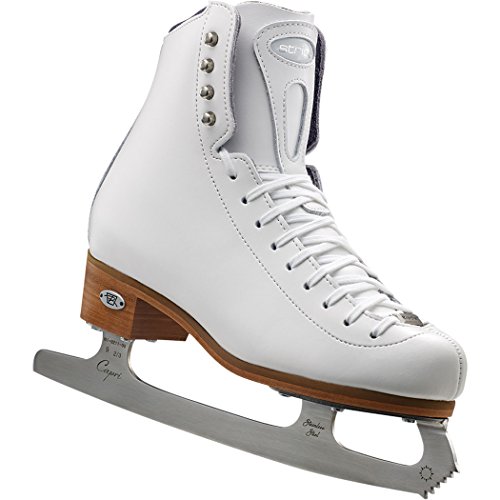
- Open Throat Design
- Flex Notch
- Hand Rolled Collar
Edea Chorus – Best Heat-Moldable for Performance & Lightweight Design
The Edea Chorus uses a unique lightweight composite material that is heat-moldable. Its innovative design promotes better knee bend and jump technique. This boot is the recommended choice for skaters prioritizing high performance, reduced weight, and a modern fit.

- Type of Skating: Mid Level for ICE FreeStyle
- Training Level: Double Jumps (Even a good option for lower level Skaters…
- Training Hours: 10 to 12 Plus Hours per week
Conclusion: Finding Your Perfect Figure Skate Fit
The choice between heat-moldable and traditional boots defines your skating experience. Heat-moldable technology offers a custom, comfortable fit from day one. Traditional boots provide durable, time-tested support after a patient break-in.
Your decision should prioritize your unique foot shape, skill level, and comfort needs. Always invest in a professional fitting first, regardless of the technology you choose.
Visit a certified skate shop to try on both types. Feel the difference in person with an expert’s guidance to make your final choice.
Your perfect fit is out there, ready to unlock greater confidence and performance on the ice.
Frequently Asked Questions about Heat-Moldable and Traditional Skate Boots
What is the main difference between heat-moldable and traditional skate boots?
The core difference lies in the customization process. Traditional boots require you to physically break in stiff leather over many skating hours. Heat-moldable boots use specialized materials softened by a professional to instantly conform to your foot’s exact shape.
This means heat-moldable boots offer a custom fit from the first wear. Traditional boots eventually mold to your foot but through a longer, often painful, process of friction and pressure.
How long does it take to break in traditional figure skates?
Breaking in traditional skates typically requires 10 to 30 hours of active skating time. The duration depends on the boot’s stiffness, your foot shape, and your pain tolerance. This period often involves dealing with blisters and pressure points.
There is no shortcut to fully breaking in a quality leather boot. Techniques like wearing them indoors or spot-heating can help, but consistent skating is the only true method.
Can I heat-mold my skates at home by myself?
We strongly advise against DIY heat-molding. Professional technicians use precise, controlled ovens and understand the materials’ limits. Incorrect heating can permanently damage the boot’s structural integrity and support, rendering them unsafe.
At-home methods using hair dryers or home ovens create uneven heat. This risks overheating certain areas, which can weaken the boot or cause the materials to break down prematurely.
Are heat-moldable skates good for beginners?
Yes, heat-moldable skates can be excellent for beginners. The immediate comfort eliminates the discouraging pain of a long break-in period. This allows new skaters to focus on learning skills rather than enduring discomfort.
The key is choosing a boot with the appropriate stiffness rating for a beginner’s weight and skill. The molding technology is a benefit, but the boot must still have the correct foundational support level.
Which type of boot lasts longer: heat-moldable or traditional?
High-quality boots of either type can last for years with proper care. Longevity depends more on construction quality and material than on the molding technology itself. A well-made traditional leather boot is renowned for its durability.
Modern heat-moldable materials from reputable brands are also engineered for longevity. The molding process does not inherently shorten the boot’s lifespan if performed correctly by a professional.
What should I do if my heat-moldable skates still hurt after molding?
First, return to your fitter. They can often re-heat and adjust specific pressure points in a follow-up session. Minor discomfort in a new boot is normal, but sharp pain indicates a fit issue that needs addressing.
The pain could signal that the boot’s fundamental size or stiffness is incorrect. Heat-molding fine-tunes fit but cannot fix a boot that is simply too small, narrow, or stiff for your foot and skill level.
How much more expensive are heat-moldable skate boots?
Heat-moldable boots typically carry a 15-30% higher upfront cost compared to traditional boots of similar quality and support level. This premium covers the advanced materials and technology required for the custom molding process.
Consider the value of immediate comfort and saved break-in time. For frequent skaters, this investment often pays off in faster progression and greater enjoyment, offering strong long-term value.
Can traditional skate boots be stretched or punched for a better fit?
Yes, a skilled technician can “punch out” or stretch specific areas on traditional leather boots. This is a common solution for localized pressure points, such as on bunions or ankle bones, after the initial break-in.
This process physically stretches the leather in a controlled spot. It is an effective remedy for minor fit issues but cannot alter the overall volume or length of the boot as comprehensively as full heat-molding can.