Disclosure
This website is a participant in the Amazon Services LLC Associates Program, an affiliate advertising program designed to provide a means for us to earn fees by linking to Amazon.com and affiliated sites.
Are expensive figure skates worth the investment? For serious skaters, high-end figure skates provide superior performance, support, and longevity that budget models simply cannot match.
This complete guide breaks down the critical differences to help you make an informed decision. You’ll learn expert tips on when to upgrade and how to maximize your skate budget for optimal results on the ice.
The Core Problem: Skates That Hold You Back
Many skaters start with budget-friendly figure skates. This is a smart initial investment. However, as skills progress, these skates often become a limiting factor.
They lack the ankle support for advanced jumps. Their softer materials break down quickly. The lower-grade blades don’t hold a sharp edge. This leads to frustration, poor technique, and even injury risk.
You’re not just fighting gravity on the ice. You’re fighting your own equipment. The solution is recognizing when your skates are the problem, not your ability.
Quick Fix: A Quality Beginner Upgrade
For skaters moving past the absolute basics, a mid-range skate offers a perfect balance. It provides better support and performance without the elite price tag. These skates bridge the gap between entry-level and professional models.
A great example is the Jackson Ultima Classic SoftSkate 380. It’s designed for developing skills safely.
- Ankle Support: Reinforced ankle padding for stability on turns and landings.
- Quality Blade: Features a stainless steel blade that holds an edge longer than budget models.
- Comfort Focus: Padded liner and thermal-moldable features for a better fit.
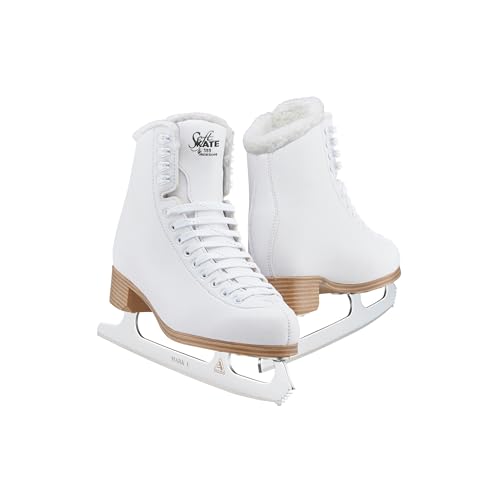
- Introducing our NEW SoftSkate 380 line. Affordable quality. The SoftSkate…
- PRODUCT FEATURES: 1) Reinforced vinyl upper with strength and durability…
Check current price on Amazon →
For more options in this category, see our guide to the best figure skates for beginners moving to intermediate skills.
When a New Skate Alone Isn’t Enough
Simply buying a more expensive skate isn’t a magic fix. The wrong high-end skate can be just as problematic. A stiff, competition-level boot will hinder a recreational skater.
The real solution involves a holistic assessment. You must match the skate’s stiffness and design to your specific skill level, weight, and goals. A proper professional fitting is crucial.
Explore detailed reviews to understand the nuances. For instance, see how the Riedell Soar caters to adult beginners, or why the most comfortable ice skates prioritize fit over pure stiffness. This research ensures your investment truly elevates your skating.
Key Differences: Breaking Down Materials and Construction
The gap between budget and high-end figure skates is most evident in their build. Materials and construction directly impact performance, safety, and durability. Understanding these differences is essential for making a smart purchase.
Boot Construction: Synthetic vs. Thermoformable Leather
The boot is the foundation of your skate. Budget models typically use layered synthetic materials and foam padding. They offer basic support but break down and lose shape quickly.
High-end boots are crafted from premium, thermoformable leathers and composites. This allows them to be heat-molded to your foot for a custom fit.
- Budget Boots: Use standardized sizing with generic ankle support. Materials compress over time, leading to a “broken-down” feel prematurely.
- High-End Boots: Feature multi-layered construction with targeted stiffness. Materials like carbon fiber reinforce high-stress areas without adding bulk, offering superior energy transfer.
Blade Technology: Stainless Steel and Profile
The blade is your direct connection to the ice. Budget skates often come with carbon steel blades that dull quickly and require frequent sharpening.
Premium skates feature high-grade stainless steel blades. They maintain a sharper edge longer and are less prone to rust.
Beyond material, the blade’s profile and toe pick design are critical. High-end blades have precisely engineered radii and pick configurations for specific disciplines.
| Feature | Budget Skate Blades | High-End Skate Blades |
|---|---|---|
| Material | Carbon Steel | Stainless Steel |
| Edge Retention | Requires frequent sharpening | Holds an edge significantly longer |
| Toe Pick Design | Generic, often smaller | Discipline-specific (e.g., freestyle vs. dance) |
For a focused look at this crucial component, explore our guide to the best figure skates with stainless steel blades.
Performance and Feel: How Skate Quality Affects Your Skating
The on-ice experience differs dramatically between skate tiers. High-end models provide precise control and feedback. Budget skates often feel vague and unresponsive, limiting skill development.
This difference in performance feel impacts everything from basic stroking to advanced jumps. It’s the difference between steering a car and being connected to the road.
Energy Transfer and Edge Control
Stiff, well-constructed boots act like a springboard. They efficiently transfer the energy from your push back into your glide. This creates more power with less effort.
Softer budget boots absorb this energy. You lose power and must work harder. The connection between your movement and the blade’s action is dampened.
- High-End Result: Crisp, powerful pushes and deep, secure edges on turns.
- Budget Result: Mushy pushes and a tendency for edges to slip or wash out, especially at speed.
Ankle Support and Jump Stability
Landing jumps safely requires immovable ankle support. High-end boots provide a rigid, custom-fit cuff that locks your heel in place. This prevents rolling and provides a stable platform.
Budget boots break down laterally over time. This creates a dangerous “winging” effect on landings. It increases the risk of ankle sprains and inhibits the confidence to attempt new elements.
For skaters focusing on jumps, a supportive yet comfortable boot is key. Reviews like our analysis of the 5th Element Grace ice skates highlight models built for this demand.
The “Break-In” Period and Long-Term Comfort
All new skates require a break-in period. However, the nature of this process differs vastly.
- Budget Skates: Break in quickly by compressing and losing shape. Initial comfort fades as support deteriorates.
- High-End Skates: Break in slowly by molding to your foot’s unique contours. They maintain their supportive structure, leading to lasting, customized comfort.
This is why long-term comfort is a performance feature. A skate that retains its fit allows you to focus on skating, not foot pain.
Cost Analysis: Calculating Long-Term Value and ROI
The upfront price is only part of the financial picture. True cost involves long-term value and return on investment (ROI). High-end skates often cost less over time when you factor in durability and performance gains.
This analysis helps you see beyond the sticker shock. It reveals why a larger initial investment can be the more economical choice for serious skaters.
Durability and Replacement Cycles
Budget skates are designed for occasional, recreational use. Their materials degrade quickly under the stress of regular training. A serious skater might outgrow or break down a budget pair in 6-12 months.
A well-fitted, high-end skate can last multiple seasons. The premium leather and construction withstand daily practice. This dramatically extends the replacement cycle.
- Budget Scenario: Buy a $150 skate every year = $450 over 3 years.
- High-End Scenario: Buy a $600 skate that lasts 3 years = $600 over 3 years.
The long-term financial difference is often smaller than it first appears.
Performance ROI: Skill Development and Coaching Value
Your skates are a tool for learning. Poor tools hinder progress. Struggling with soft boots and dull blades wastes valuable ice time and coaching dollars.
Quality equipment allows you to execute techniques correctly from the start. You build proper muscle memory. This accelerates skill acquisition and maximizes the value of every lesson.
Think of it as an investment in your skating future. The right skates, like those in our Lake Placid Nitro review, help you get the most from your training.
When Budget Skates Make Financial Sense
High-end skates are not always the correct financial choice. Budget models provide excellent value in specific scenarios.
- Absolute Beginners: Testing your commitment before a major investment.
- Recreational/Seasonal Skaters: Skating a few times a year doesn’t justify premium gear.
- Rapidly Growing Children: Frequent size changes make expensive skates impractical.
For these cases, a reliable budget option like the Rollerblade Bladerunner Ice Diva is a smart, cost-effective solution.
Making the Right Choice: A Skater’s Decision Guide
Choosing between budget and high-end skates is a personal decision. It depends on your skill level, goals, and commitment. This guide helps you match the right skate tier to your specific situation.
Use the following criteria to evaluate your needs objectively. The goal is to find the optimal point of investment for your skating journey.
- Choose Budget Skates If: You’re a first-timer, skate recreationally a few times a year, or are a rapidly growing child.
- Choose High-End Skates If: You train multiple times per week, are learning single jumps or beyond, or have recurring fit/comfort issues in budget models.
Assessing Your Skill Level and Goals
Your current abilities and future ambitions are the most critical factors. Be honest about where you are and where you want to go.
- Beginner/Recreational: Focus on basic edges, stroking, and fun. A supportive beginner skate, like those in our beginner’s guide, is ideal.
- Intermediate (Learning Jumps/Spins): You need consistent support for landings and centering spins. This is the prime time to invest in a mid-to-high-level boot.
- Advanced/Competitive: Maximum performance, precision, and customization are non-negotiable. High-end, discipline-specific skates are required.
The Critical Importance of Professional Fitting
Even the most expensive skate is a poor investment if it doesn’t fit. A professional fitter measures more than just length and width.
They assess your arch type, ankle shape, and weight distribution. This ensures the skate’s stiffness rating and volume match your physiology. A proper fit prevents injury and maximizes comfort.
Never buy high-end skates online without knowing your exact size and model in that brand. A fit is an essential part of the value.
Signs It’s Time to Upgrade Your Skates
How do you know when your current skates are holding you back? Watch for these clear indicators.
- Lack of Support: Your ankles visibly bend or roll when doing edges or landing from a small jump.
- Rapid Breakdown: The boot breaks down and feels soft around the ankle in less than a year of regular use.
- Plateau in Skills: You cannot progress to new elements despite consistent practice, often due to poor edge control or instability.
If you’re experiencing these issues, explore reliable upgrade options like the Riedell Soar as your next step.
Expert Recommendations: Matching Skates to Skater Profiles
General advice is helpful, but specific recommendations are better. Here, we match common skater profiles with ideal skate categories. This simplifies your final decision.
These profiles are based on skill progression, frequency of skating, and typical goals. Find the one that best describes you.
The Adult Beginner / Recreational Skater
You skate for fitness and enjoyment, not competition. Comfort, ease of use, and value are your top priorities. A stiff, high-performance boot would be uncomfortable and unnecessary.
Recommended Tier: Quality Recreational / Entry-Level Figure Skates.
- Focus: Good initial support, thermal moldability for comfort, and a decent stainless steel blade.
- Example: Skates like the Riedell Soar are built specifically for this profile, offering a balance of comfort and structure.
The Aspiring Youth Skater (Learning Jumps)
This young skater is past basic skills and is consistently working on waltz jumps, spins, and single jumps. They need reliable support for safe landings and developing proper technique.
Recommended Tier: Intermediate / Skater-Level Boots.
- Focus: Durable construction, strong ankle support, and a quality blade with a pronounced toe pick for jumps.
- Consideration: For growing feet, consider adjustable options like the Lake Placid Summit to extend the skate’s lifespan.
The Dedicated Competitive Skater
Skating is a primary commitment involving daily training and competitions. Performance, precision, and longevity are non-negotiable. Equipment is a direct investment in competitive results.
Recommended Tier: High-End / Elite Custom or Stock Boots.
- Focus: Maximum energy transfer, fully customizable fit (often heat-moldable with punch-out options), and professional-grade, hand-finished blades matched to their discipline.
- Key Point: At this level, working with a specialist fitter and brand tech is part of the process to fine-tune every aspect of the skate.
Common Myths and Misconceptions About Skate Pricing
Many skaters hesitate to invest in better equipment due to persistent myths. Let’s debunk these misconceptions with facts. This clears the path for a rational, informed decision.
Separating fiction from reality helps you focus on what truly matters: your safety, progress, and enjoyment on the ice.
- Myth: Expensive skates are only for Olympians.
- Fact: Intermediate skaters benefit most from the upgrade to proper support.
- Myth: A stiff boot is always uncomfortable.
- Fact: A correctly fitted stiff boot provides superior, lasting comfort and prevents pain.
“More Expensive Always Means Better”
This is a dangerous oversimplification. A skate that is too stiff or ill-fitting for your level is worse than a properly fitted mid-range model.
Better means “better for YOU.” A $800 competition boot is a poor choice for a recreational adult beginner. It would be painfully stiff and hinder their progress.
The goal is to find the optimal level of support for your current skills and weight. Price should correlate with appropriate performance, not just be high.
“You Must Suffer Through a Painful Break-In”
While all new skates require an adjustment period, excruciating pain is not normal. Severe pain often indicates a poor fit or the wrong skate for your foot shape.
A high-quality, professionally fitted skate should feel snug and supportive, not crippling. Modern thermoformable materials mold to your foot, reducing harsh break-in periods.
- Normal: General stiffness and some pressure points that ease within a few hours of skating.
- Not Normal: Sharp pain, numbness, or blisters in specific areas that do not improve.
“Budget Skates Are Just as Good for Basics”
This is partially true but misleading. While budget skates suffice for absolute beginnings, they can instill bad habits.
Their lack of support can cause a skater to over-grip with their toes or develop poor ankle alignment. Learning correct technique from the start is easier with adequate equipment.
For true beginners, the best strategy is a quality entry-level skate designed for learning, not the cheapest possible option. Our review of the Jackson Ultima Classic SoftSkate highlights a model built for this purpose.
Maintenance and Care: Protecting Your Investment
Your skates’ lifespan and performance depend heavily on proper care. This is true for both budget and high-end models. Good maintenance habits protect your investment and ensure consistent performance.
Neglecting basic care can ruin a premium skate quickly. Conversely, diligent care can extend the life of a budget pair significantly.
Blade Care: The Key to Consistent Performance
Blades are precision instruments. Keeping them dry and sharp is non-negotiable for safety and control. Rust and dull edges are your biggest enemies.
- Immediate Drying: Wipe blades completely dry with a soft, absorbent cloth after every session to prevent rust.
- Guard Use: Use soft “soakers” for blade protection immediately after skating. Only use hard plastic guards for walking to the ice or very short-term storage.
- Sharpening Schedule: Sharpen based on hours of use and feel, not time. A high-end blade may need sharpening every 20-30 hours; a budget blade may need it more often.
Boot Care: Preserving Structure and Fit
The boot’s materials break down from moisture and heat. Your goal is to manage both to maintain support and shape.
- Air Dry Thoroughly: Remove liners (if possible) and let boots air dry at room temperature after every use. Never place them on a heater or in a closed bag wet.
- Use Boot Trees: Insert cedar shoe trees or rolled-up newspaper to absorb moisture and help the boot retain its shape as it dries.
- Protect the Sole: Check for loose screws regularly. A loose blade can damage the boot’s sole plate irreparably.
Storage and Transportation Best Practices
How you store and carry your skates impacts their longevity. Proper storage prevents accidental damage and material degradation.
Always transport skates in a breathable skate bag, not a sealed plastic bag. Store them in a cool, dry place away from direct sunlight or heat sources. This prevents the adhesives and materials from breaking down prematurely.
For skaters prioritizing longevity, choosing models known for durable construction is wise. Explore options like those in our guide to the best comfortable and durable ice skates.
Best Figure Skates for Different Levels – Detailed Comparison
Choosing the right model is easier with specific recommendations. Here are three top-rated figure skates, each excelling for a different stage of a skater’s journey. These models balance quality, performance, and value for their intended use.
Jackson Ultima Classic SoftSkate 380 – Best for Beginners
This skate is ideal for first-time skaters and adults learning basics. It features a soft, comfortable boot with moderate ankle support and a stainless steel blade. The thermal-fit lining molds to your foot for a better fit, reducing break-in time. It provides the right foundation without overwhelming a new skater.
- Introducing our NEW SoftSkate 380 line. Affordable quality. The SoftSkate…
- PRODUCT FEATURES: 1) Reinforced vinyl upper with strength and durability…
Riedell Soar – Best for Recreational & Adult Skaters
Designed specifically for recreational adults, the Riedell Soar offers an excellent blend of comfort and structure. Its supportive yet flexible boot and responsive stainless steel blade cater to skaters focusing on edges, turns, and basic spins. It’s the ideal upgrade from entry-level skates for those skating regularly for fitness and fun.
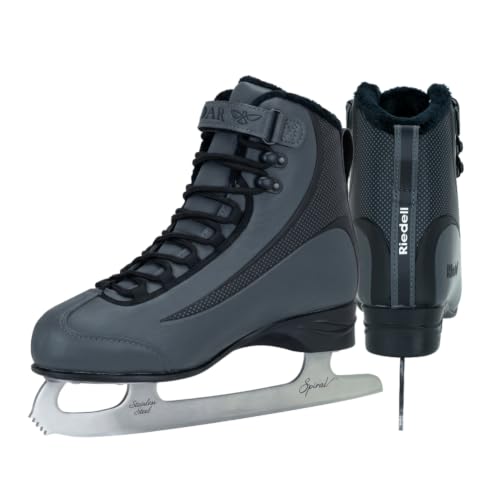
- ENDLESSLY COMFORTABLE: These modern ice skates for women and men have a…
- GREAT SUPPORT: This ice skate set offers light support to keep you stable…
- KEEP YOU SAFE & DRY: These beginner ice skates have safety in mind by…
Edea Overture – Best for Intermediate Skaters (Learning Jumps)
When you’re ready for waltz jumps and single rotations, the Edea Overture is a top choice. It uses Edea’s unique lightweight, shock-absorbing material and a pronounced toe pick. The boot offers the precise stiffness needed for secure jump landings while promoting proper knee bend, making it the recommended step into serious figure skating.

- tOur boots are designed with lightness in mind making them more responsive…
- The unique insole made by with fiberglass and nylon allows more power…
- Our hi-tech soles are made with ultra modern material making them both…
Conclusion: Making the Smart Choice for Your Skating Future
The debate between budget and high-end figure skates centers on value, not just price. Premium skates offer superior support, performance, and longevity for dedicated skaters. Budget models serve beginners and recreational skaters well.
Your decision should align with your skill level, goals, and commitment. Invest in better equipment when your current skates limit your progress. This protects your safety and accelerates learning.
Consult a professional fitter to find your perfect match. Use the guides and reviews here to inform your choice. Then, step onto the ice with confidence in your gear.
Choose the skate that supports where you are and where you want to go. Your best performance starts from the ground up.
Frequently Asked Questions about Figure Skates
What is the main difference between cheap and expensive figure skates?
The core differences are materials, construction, and performance. Budget skates use synthetic materials and standard blades for basic recreation. High-end skates feature thermoformable leather, handcrafted support, and precision blades.
This results in vastly different durability, energy transfer, and on-ice feel. Expensive skates provide the control and stability needed for advanced skills.
How do I know when to upgrade from beginner skates?
Upgrade when you start learning single jumps or your skates lack support. Clear signs include your ankles rolling on edges, boots breaking down quickly, or hitting a skill plateau.
If you’re skating multiple times per week and progressing beyond basic turns, a better skate will improve safety and technique. Consult a fitter for specific recommendations.
Can a beginner use professional-level figure skates?
No, beginners should avoid professional-level skates. These boots are excessively stiff, requiring advanced technique and strength to flex properly. They would be painfully restrictive and hinder a beginner’s ability to learn proper knee bend and skating posture.
Start with a boot designed for your skill level. Progress to stiffer models as your skills and strength develop over time.
What is the best figure skate brand for intermediate skaters?
Top brands for intermediates include Jackson, Riedell, and Edea. Jackson offers excellent support for developing jump technique. Riedell provides traditional fit and consistent quality. Edea uses innovative lightweight materials.
The “best” brand depends on your foot shape and skating style. A professional fitting is crucial to find which brand’s last matches your foot anatomy perfectly.
How often should figure skates be sharpened?
Sharpen based on hours of ice time, not a calendar schedule. Most recreational skaters need sharpening every 20-30 hours. Competitive skaters may need it every 10-15 hours.
Listen for a scraping sound or feel for slipping edges. These indicate dull blades. Consistent sharpening intervals maintain optimal performance and safety.
Are adjustable figure skates a good investment for growing kids?
Yes, adjustable skates are excellent for rapidly growing children. They can extend a skate’s usable life through 1-2 full sizes. This provides significant cost savings compared to buying new skates every season.
Focus on models with a durable adjustment mechanism and good ankle support. They bridge the gap between growth spurts effectively.
What should I look for in comfortable ice skates for wide feet?
Look for brands known for wider fits, like Jackson’s “Classic” line or certain Riedell models. Key features include a wider toe box, heat-moldable materials, and multiple width options (not just length).
Never assume a skate will “stretch out” enough. Proper width from the start prevents pain, blisters, and nerve compression during skating.
Is it worth buying used high-end figure skates?
Buying used high-end skates can be worthwhile with caution. Only consider boots that are not broken down and have plenty of stiffness remaining. Check for deep creases above the ankle.
Be prepared to invest in new blades and a professional sharpening. The total cost must still be significantly less than new skates to be a good value.