Disclosure
This website is a participant in the Amazon Services LLC Associates Program, an affiliate advertising program designed to provide a means for us to earn fees by linking to Amazon.com and affiliated sites.
Learning how to fall safely while wearing figure skates is a fundamental skill for every skater. It prevents serious injuries and builds the confidence needed to attempt new elements.
This complete guide provides proven methods used by coaches and professionals. You will learn to protect your head, wrists, and joints from hard impacts on the ice.
The Core Problem: Fear and Poor Equipment
Many skaters panic when they lose balance. This instinctive fear leads to stiff, dangerous falls where wrists, knees, and the head are vulnerable. The rigid, unforgiving nature of ice amplifies the impact.
Compounding this is improper gear. Beginners often use dull, poorly supported skates or lack essential protective equipment. This setup increases instability and offers zero cushioning during a fall.
Quick Fix: Essential Protective Gear
While technique is paramount, the right gear provides a critical safety net. Wearing protective padding can dramatically reduce the risk of bruises, fractures, and sprains, allowing you to practice falls with confidence.
A highly recommended starting point is a set of impact-absorbing knee and elbow pads. The Triple Eight Saver Series Pad Set is an excellent choice for beginners and recreational skaters.
- Durable Protection: Features hard cap shells with soft, sweat-absorbing foam for impact dispersion.
- Secure Fit: Adjustable straps ensure the pads stay in place during dynamic movement.
- Comfort & Breathability: Ventilated design and moisture-wicking liner for longer wear.

- All-in-one Skate Set: Includes one pair each of Kneesaver knee pads…
- Essential Multi-Sport Protection: Knee pads and elbow pads are made of…
- Built for Comfort and Confidence: Wrist guards offer rigid support and…
Check current price on Amazon →
When Gear Alone Isn’t Enough
Pads are a temporary shield, not a solution. True safety comes from mastering proper falling technique and ensuring your skates provide stable, responsive support. A wobbly boot makes controlled falls nearly impossible.
If you’re struggling with balance, the issue may be your skates. Investing in a proper pair of beginner-friendly figure skates with good ankle support is a foundational step. For specific recommendations, see our in-depth reviews of popular models like the Riedell Soar or the Jackson Ultima Classic series.
Mastering the Fundamentals of Safe Falling Technique
Knowing how to fall correctly is your most important defense against injury. The goal is to dissipate force and protect vulnerable joints. This requires overriding panic with trained, deliberate movements.
These core principles apply to almost every fall scenario on ice. Practice them off-ice first to build muscle memory.
The Golden Rule: Protect Your Head and Wrists
Your head and wrists are the most critical areas to safeguard. A head injury is severe, while a broken wrist is the most common skating fracture. Your technique must prioritize them.
- Keep Your Head Up: Fight the urge to tuck your chin. Look forward, not down at the ice. This prevents whiplash and keeps your skull from hitting the surface.
- Make a Fist, Not a Flat Hand: Never break a fall with an open, outstretched palm. Instead, make a loose fist or land on the fleshy part of your forearm to distribute impact.
- Fall to the Side: Aim to land on your hip, thigh, and shoulder in one motion. Your body’s side has more padding (muscle) to absorb the shock than bony areas like your tailbone or knees.
Step-by-Step: How to Fall Backwards Safely
Falling backwards is particularly dangerous due to the risk of head and tailbone injury. Follow this controlled sequence to minimize harm.
- Sit Down, Don’t Collapse: The moment you feel balance go, bend your knees and try to “sit” into the fall, lowering your center of gravity.
- Round Your Back: Curl your torso forward, tucking your chin to your chest. This creates a curved spine, not a flat surface, for the impact.
- Slap the Ice: As you land, use your forearms (with fists) to slap the ice beside your hips. This action helps absorb energy and control the fall.
Step-by-Step: How to Fall Forwards Safely
Forward falls often happen during toe-pick catches or simple trips. The instinct to put hands out is strong, so you must train against it.
- Bend Your Knees: Get low to reduce the distance to the ice. Turn your body slightly to one side if possible.
- Land on Forearms and Knees: Aim to contact the ice with your padded knees and the meaty part of your forearms simultaneously, keeping elbows bent.
- Slide and Roll: Allow the momentum to carry you into a gentle slide or roll onto your side, dispersing the remaining force.
Essential Off-Ice Drills and Recovery Strategies
Safe falling is a skill built through consistent practice. Training off the ice removes the fear factor, allowing you to focus on perfect form. This builds the muscle memory needed to react correctly during a real fall.
Equally important is knowing how to recover quickly and safely after a fall. A clumsy recovery can lead to a second, more dangerous fall.
Off-Ice Falling Practice for Beginners
Start these drills on a soft surface like a yoga mat or thick carpet. Wear your knee pads and elbow pads during practice to simulate the feeling and build confidence.
- The Tuck-and-Roll Drill: From a squat, practice falling sideways onto your hip and rolling onto your back. Focus on keeping your head tucked and limbs in.
- Forearm Slap Practice: Kneel on your mat and practice the “slap” motion with your forearms. The goal is to make contact with the entire forearm, not just the elbow or wrist.
- Controlled Sit-Fall: From standing, slowly bend your knees and lower yourself straight down into a seated position, practicing the rounded back and chin tuck.
How to Get Up From a Fall Correctly
Your recovery is part of the safety sequence. Rushing to stand up on your skate blades is a common mistake. Follow this stable, three-point method instead.
- Gather Yourself: First, come to a kneeling position on both knees. Ensure your skates are flat on the ice behind you, not on the toe picks.
- Create a Tripod: Place one hands flat on your thigh for support. Use your other hand on the ice in front of you, creating a stable three-point base.
- Rise Slowly: Push up from your thigh and ice hand, bringing one foot up at a time. Stand with knees slightly bent for stability before skating away.
Assessing Injury and Knowing When to Stop
Listen to your body immediately after a fall. Adrenaline can mask pain, so take a deliberate moment to check for injury before moving.
- Check for Sharp Pain: Any sharp, stabbing, or localized pain in joints (wrist, ankle, knee) is a red flag. Do not put weight on it.
- Test Range of Motion: Gently rotate your wrist and ankle. If movement is severely restricted or painful, you may have a sprain.
- When in Doubt, Sit Out: It is always better to end a session early than to aggravate an injury. Seek medical attention for persistent pain, swelling, or an inability to bear weight.
Advanced Tips for Common Figure Skating Falls
As you progress, falls become more dynamic and happen at higher speeds. Specific skating elements present unique falling hazards. Advanced preparation for these scenarios is crucial.
Understanding the mechanics of these common falls allows you to anticipate and react safely. This knowledge transforms panic into a controlled safety response.
Falling During Jumps and Spins
Rotational falls from jumps or lost control in a spin are disorienting. The key is to protect yourself while managing momentum.
- During a Jump Fall: If you under-rotate and fall, keep limbs tucked in to avoid catching a toe pick. Aim to slide out on your side, dissipating rotational energy across the ice.
- Exiting a Spin Fall: If you lose balance in a spin, try to step out of it first. If falling is inevitable, bend your knees deeply to collapse the spin and fall to your side, not straight down.
- Blade Awareness: Be acutely aware of where your free leg and blade are. Try to keep them away from your body to avoid accidental cuts.
Preventing Toe Pick Catches and Trips
The dreaded toe pick catch is a leading cause of forward falls. Prevention and a prepared reaction are your best defenses.
| Prevention Tip | Safe Reaction if You Trip |
|---|---|
| Maintain a slight knee bend; straight legs increase catch risk. | Do not try to “run out” of the fall. Go with the momentum. |
| Be mindful of toe pick depth during crossovers and step sequences. | Execute the forward fall technique: forearms and knees together. |
| Keep your weight centered over the middle of the blade, not the toe. | Tuck your chin and turn your head to the side to avoid facial impact. |
Building Confidence to Reduce Fear
Fear creates tension, which leads to harder, more dangerous falls. Building mental resilience is as important as physical skill.
- Practice Falling On Purpose: Dedicate a few minutes each session to controlled falls. This desensitizes you to the experience and reinforces good technique.
- Visualize Success (and Safe Falls): Mentally rehearse your elements, including a visualization of falling safely and getting up smoothly. This prepares your neural pathways.
- Wear Your Gear: Consistent use of protective padding during practice removes the psychological barrier of pain, allowing you to commit fully to new skills.
Gear and Equipment for Enhanced Fall Safety
The right equipment is a force multiplier for your falling technique. It provides a critical buffer, reducing impact severity and preventing common injuries. Think of it as essential safety infrastructure, not optional extras.
From your skates to specialized padding, each piece plays a role in stability and protection. Investing in quality gear is an investment in your skating longevity.
Essential Protective Padding for Skaters
While we covered knee and elbow pads earlier, a comprehensive safety kit includes more. These items are especially valuable for beginners and those learning new jumps.
- Impact Shorts: These padded shorts protect your hips, tailbone, and thighs. They are invisible under clothing and crucial for practicing falls and landing jumps.
- Wrist Guards: Designed to limit hyperextension, they are the best defense against sprains and fractures. Look for models with a splint on the palm side.
- Helmet for Beginners: While not standard in figure skating, a helmet is a wise choice for absolute beginners or skaters recovering from concussion. Safety should never be a stigma.
How Proper Skate Fit Prevents Falls
Ill-fitting skates are a primary cause of instability. A boot that is too loose or too stiff directly compromises your balance and control.
| Fit Problem | How It Causes Falls | The Solution |
|---|---|---|
| Boot is too loose | Ankle wobble and lack of immediate edge control. | Ensure a snug, heel-locking fit. Consider our guide to the most comfortable and secure ice skates. |
| Boot is too stiff | Restricts ankle flexion, making deep knee bends difficult. | Choose a boot appropriate for your skill level. Beginner boots offer more flexibility. |
| Dull or Improper Blades | Skates slip out from under you, causing sudden loss of edge. | Keep blades professionally sharpened. Explore skates with reliable stainless steel blades. |
Maintaining Your Equipment for Safety
Safety gear degrades with use. Regular checks ensure your equipment will perform when you need it most.
- Inspect Padding: Check foam inserts in pads and shorts for compression and tears. Compressed foam loses its protective quality.
- Check Fastenings: Ensure all Velcro straps, buckles, and laces are in good condition and hold securely.
- Blade Care: Wipe blades dry after each use to prevent rust. Use hard guards for walking and soft soakers for storage.
Training Your Mind and Body for Fall Prevention
Ultimate safety comes from preventing falls before they happen. This requires a proactive approach to building foundational strength, balance, and awareness. Your off-ice conditioning is as important as your on-ice practice.
By targeting key muscle groups and honing your proprioception, you create a more stable and responsive skating platform. This significantly reduces the frequency of unexpected falls.
Off-Ice Exercises for Better Balance and Stability
A strong core and stable ankles are your first line of defense against losing balance. Integrate these simple exercises into your routine 2-3 times per week.
- Single-Leg Balances: Stand on one foot for 30-60 seconds. Progress by closing your eyes or standing on a cushion. This directly translates to one-foot skating glides.
- Ankle Strengtheners: Use a resistance band for ankle dorsiflexion and eversion exercises. Strong ankles prevent unwanted rolls and improve edge control.
- Core Engagement Drills: Practice planks and dead bugs. A engaged core keeps your upper body stable over your skating foot, preventing you from leaning too far.
Developing On-Ice Spatial Awareness
Many collisions and falls are caused by poor awareness of other skaters and the rink environment. Cultivating this skill is a non-negotiable part of public session safety.
- Scan Constantly: Make a habit of looking over your shoulder before changing direction, especially when moving backwards. Never assume the space behind you is clear.
- Understand the “Flow of Traffic”: Skaters generally move counter-clockwise around the rink. Stay in the outer lanes for faster skating and the center for practice, respecting this pattern.
- Listen for Audible Cues: Pay attention to the sound of other skaters’ edges and any verbal warnings like “corner!” or “behind you!”
When to Seek Professional Coaching
While this guide provides a strong foundation, personalized feedback is invaluable. A certified coach can identify and correct subtle technical errors that lead to falls.
- Persistent Fear: If anxiety is severely limiting your progress, a coach can build your skills in a structured, confidence-boosting way.
- Recurring Fall Patterns: If you keep falling the same way (e.g., always to the inside edge), a coach can diagnose the root cause in your posture or blade work.
- Learning Advanced Elements: For jumps, spins, and footwork, professional guidance is essential for learning the correct, safe entry and exit techniques.
First Aid and Injury Management for Ice Skaters
Despite your best efforts, falls happen. Knowing basic first aid allows you to manage minor injuries and recognize when professional medical help is urgently needed. Quick, correct action can prevent a minor issue from becoming a major one.
This section covers immediate post-fall care and common skating injuries. Always prioritize safety and consult a healthcare professional for any serious concern.
Immediate Post-Fall Action Plan (The R.I.C.E. Protocol)
For sprains, strains, and bruises, the R.I.C.E. method is the gold standard for initial 48-hour care. Begin this as soon as possible after the injury.
- Rest: Stop skating immediately. Avoid putting weight on the injured limb to prevent further damage.
- Ice: Apply a cold pack or bag of ice wrapped in a thin towel for 15-20 minutes every 2-3 hours. This reduces swelling and pain.
- Compression: Use an elastic bandage to wrap the area snugly, but not tightly. It should not cut off circulation or cause numbness.
- Elevation: Prop the injured area above the level of your heart, especially when resting, to help drain fluid and reduce swelling.
Identifying Common Skating Injuries
Recognizing the signs of specific injuries helps you seek appropriate treatment. Here are three of the most frequent issues from falls.
| Injury | Common Cause | Key Symptoms |
|---|---|---|
| Wrist Sprain/Fracture | Falling on an outstretched hand. | Immediate pain, swelling, bruising, difficulty moving wrist or bearing weight through the hand. |
| Ankle Sprain | Blade catching an edge, awkward landing. | Pain on inside or outside of ankle, instability, swelling, difficulty walking. |
| Tailbone Bruise (Coccyx) | Falling directly backwards into a sitting position. | Sharp pain at the base of the spine, pain when sitting or changing positions, possible bruising. |
When to Seek Emergency Medical Attention
Some symptoms indicate a potentially serious injury that requires immediate evaluation by a doctor or at an emergency room.
- Head Impact: Any loss of consciousness, confusion, dizziness, nausea, or blurred vision after hitting your head.
- Deformity or Severe Pain: A visibly misshapen limb or pain so severe you cannot move it or bear any weight.
- Numbness or Tingling: Loss of sensation or “pins and needles” in the injured area or extremities, which could indicate nerve damage.
Special Considerations for Different Skaters
Safe falling techniques must be adapted to the skater’s age, skill level, and physical condition. A one-size-fits-all approach doesn’t account for the unique challenges faced by children, seniors, or advanced athletes.
Tailoring your strategy ensures maximum safety and effectiveness. Consider these specific guidelines for different skating populations.
Teaching Children How to Fall on Ice
For kids, the focus is on making safety fun and instinctive. Their lower center of gravity and lighter weight change the dynamics of a fall.
- Use Play-Based Drills: Turn practice into a game. Have them “play turtle” by tucking on a mat or practice “rolling like a log” to teach the sideways roll.
- Emphasize “Bottoms First”: Teach them to sit down like they’re landing in a chair when they feel wobbly. This prevents dangerous backward head snaps.
- Prioritize Gear and Supervision: Properly fitted helmets and full padding (knees, elbows, wrists, hips) are non-negotiable. Always ensure active adult supervision.
Safety for Adult Beginners and Older Skaters
Adults often have a greater fear of injury and longer recovery times. Building confidence slowly and using supportive gear is paramount.
| Challenge | Adapted Safety Strategy |
|---|---|
| Higher fear of falling | Spend significant time on off-ice drills and holding the barrier. Master balance before moving. |
| Less flexibility | Focus on controlled knee bends rather than deep squats. Use impact shorts for hip/tailbone protection. |
| Slower reaction time | Practice the “ready position” (knees bent, arms forward) to be prepared for instability. |
Adapting Techniques for Advanced Skaters
Competitive skaters fall at higher speeds and from more complex positions. Their technique must be razor-sharp and automatic.
- Fall “Small”: Keep limbs tightly in during rotational jumps to avoid blade contact and create a compact, safer landing surface.
- Practice Falling at Speed: Deliberately practice safe fall techniques from fast crossovers or entry patterns to train the high-speed reaction.
- Immediate Recovery Drills: Train to pop up from a fall instantly and seamlessly continue a program. This minimizes point deductions and maintains performance flow.
Best Protective Gear for Falling Safely – Detailed Comparison
Investing in quality protective gear is a proactive step towards injury-free skating. These three products are highly recommended by skaters for their comfort, durability, and impact absorption.
Triple Eight Saver Series Pad Set – Best Overall Protection
This complete set includes knee and elbow pads with dual-density foam and hard cap shells. The sweat-wicking liner and adjustable straps ensure a secure, comfortable fit for long practice sessions. It’s the ideal starter kit for any beginner or recreational skater.
- All-in-one Skate Set: Includes one pair each of Kneesaver knee pads…
- Essential Multi-Sport Protection: Knee pads and elbow pads are made of…
- Built for Comfort and Confidence: Wrist guards offer rigid support and…
Tortoise Pads Hip Protection Shorts – Best for Tailbone Safety
Specifically designed for ice sports, these shorts feature removable CE-certified foam pads over the hips, tailbone, and thighs. Their slim profile fits discreetly under skating attire, providing crucial impact absorption for practicing jumps and backward falls without bulk.
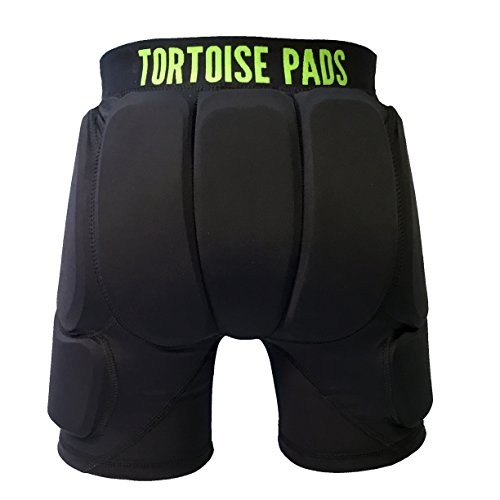
- 【Get The Right Size】 – 【Adult X-Small – 27.5″ to 30″ waist and…
- 【Non-Mesh Fabric】T2 Non-Mesh shorts are made with a Non-Mesh Spandex…
- 【Customizable Pad Thickness】 – All sizes come with a 5/8″ thick pad…
Demon Flexmeter D3O Wrist Guards – Best for Wrist Protection
These advanced guards use patented D3O intelligent shock-absorbing material that stiffens on impact. The unique angled splint design limits harmful hyperextension while allowing full range of motion. They are the top choice for preventing the most common skating fracture.
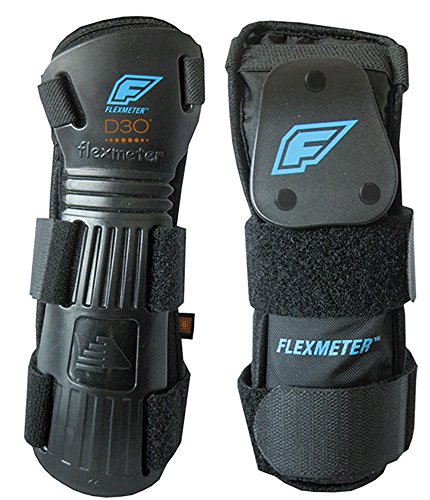
- Designed by a wrist surgeon in France specifically to minimize wrist…
- D3O impact protection is integrated in the wrist using 11271 – 4mm Solid…
- You can kind of compare it to a shock on a car, when you hit a bump the…
Conclusion: Mastering Safe Falls for Confident Skating
Learning how to fall safely while wearing figure skates transforms fear into confidence. It protects your body and empowers you to push your limits. This skill is as fundamental as learning to glide or stop.
The key takeaway is to practice the techniques off-ice and always wear appropriate protective gear. Make falling practice a regular part of your training sessions.
Start by reviewing the fundamental falling positions and drills outlined in this guide. Consider investing in quality wrist guards and impact shorts for added security.
With these strategies, you can enjoy the beauty of figure skating with greater safety and peace of mind. Now get out there and skate with confidence!
Frequently Asked Questions about Falling in Figure Skates
What is the most important thing to remember when falling in skates?
The absolute priority is to protect your head and wrists. Keep your chin up to avoid hitting your head and make a fist to prevent wrist fractures. Always aim to fall to your side, distributing impact across your hip, thigh, and shoulder instead of bony areas.
This technique helps dissipate force over a larger surface area. Practicing this sequence off-ice builds the muscle memory needed to react correctly during an unexpected fall on the ice.
How can I overcome the fear of falling on ice?
Start by practicing controlled falls off-ice on a soft surface while wearing all your protective gear. This desensitizes you to the sensation in a safe environment. Consistent off-ice drills build confidence and make the correct technique feel automatic.
On the ice, begin by holding the barrier and practicing small knee bends and squats. Gradually increase your distance from the wall as your balance improves. Remember, everyone falls—it’s a normal and expected part of learning.
What is the best protective gear for beginner figure skaters?
Beginners should prioritize a core set of pads: knee pads, elbow pads, and wrist guards. Impact shorts for hip and tailbone protection are also highly recommended. This combination covers the most commonly injured areas during typical falls.
Look for gear with adjustable straps for a secure fit and hard caps over soft foam for optimal shock absorption. Wearing this gear removes the fear of pain, allowing you to focus on learning proper technique.
How do you get up from a fall on ice skates safely?
First, come to a kneeling position on both knees with your skates flat. Place one hand on the ice and the other on your front thigh. Push up from this stable tripod base, bringing one foot up at a time.
Never try to stand up directly from a sitting or lying position. This method ensures you have a low center of gravity and three points of contact until you are fully stable on your blades.
Why do I keep falling on the same side when skating?
Consistently falling to one side often indicates a strength or balance imbalance. It may also be a technical issue with your edges, such as riding your inside edge too deeply or having unequal blade sharpness.
Focus on off-ice single-leg balance exercises to strengthen your weaker side. On ice, a certified coach can analyze your posture and blade work to identify and correct the specific technical flaw causing the repeated falls.
What should I do immediately after a hard fall on ice?
Stay still for a moment and take a mental inventory of your body. Check for sharp pain, numbness, or an inability to move a joint. If you hit your head, be alert for dizziness, confusion, or nausea.
For limb injuries, apply the R.I.C.E. protocol: Rest, Ice, Compression, and Elevation. Seek immediate medical attention for any head impact with symptoms, severe pain, or visible deformity.
Are there specific falling techniques for jumping in figure skates?
Yes. For jump falls, the key is to stay compact. Tuck your limbs in close to your body to avoid catching a toe pick on the ice. Aim to slide out on your side to dissipate the rotational energy safely.
Try to avoid reaching out with your hands or landing directly on your knees. Practicing off-ice jump landings and controlled falls from a spin can prepare you for these high-speed scenarios.
How often should I practice falling techniques?
Incorporate 5-10 minutes of deliberate falling practice into your off-ice routine 2-3 times per week. Short, consistent sessions are more effective for building muscle memory than one long, infrequent practice.
On the ice, you can dedicate a few minutes at the start or end of a session to review the basics. This ongoing practice ensures your reactions remain sharp and automatic whenever you lose balance.