
Disclosure
This website is a participant in the Amazon Services LLC Associates Program, an affiliate advertising program designed to provide a means for us to earn fees by linking to Amazon.com and affiliated sites.
Keeping your figure skate blades sharp is crucial for performance and safety. You can significantly extend the time between costly professional sharpenings with proper care. This protects your investment and ensures consistent on-ice control.
Rust, nicks, and improper storage are the main enemies of a sharp blade. Our proven maintenance methods tackle these issues directly. You will learn simple, effective routines to preserve your edges.
Why Your Blades Lose Their Edge So Quickly
Even the highest-quality figure skate blades dull over time. The main culprits are rust, surface nicks, and improper storage. Moisture is your blade’s worst enemy, leading to corrosion that erodes the sharp edge.
Walking on concrete or other hard surfaces instantly damages the delicate edges. Storing skates in a soft guard or damp bag traps moisture, accelerating rust. These habits force you to seek professional sharpening far more often than necessary.
The Essential Tool for Immediate Protection
Using hard blade guards is the single most effective habit for preserving sharpness. They protect your edges from accidental impacts and nicks the moment you step off the ice. Never walk in your skates without them.
For reliable protection, we recommend the Guardog’s Top Notch Hard Skate Guards. They are a favorite among serious skaters for their durability and secure fit.
- Durable Construction: Made from impact-resistant plastic to shield against concrete and debris.
- Secure Fit: Elastic strap ensures they stay on during walks to and from the rink.
- Ventilated Design: Allows air circulation to help prevent moisture buildup inside.
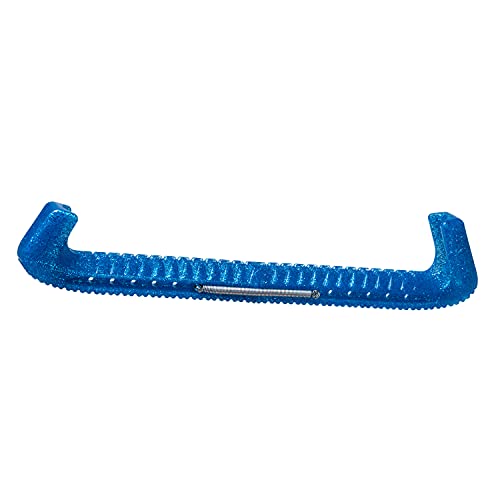
- You will receive one pair of hard plastic skate guards – essential…
- Top Notch deisgn is easier to cut to size. Assembled guards are 12.5 inches…
- Springs make it easy to stretch the guards over your blades to put them on…
Check current price on Amazon →
When Proper Storage Is the Real Solution
If your blades are constantly developing surface rust, the problem is likely your storage routine. Simply using hard guards isn’t enough if you put wet skates in a closed bag. You need a complete post-skate protocol.
Always thoroughly dry your blades with a soft towel after skating. Then, use absorbent soakers (soft guards) for storage, never hard plastic guards. Store your skates in a well-ventilated area, not a sealed bag. For skaters serious about longevity, investing in stainless steel blades offers superior rust resistance.
Starting with the right equipment makes maintenance easier. Explore our guide to the best ice skates for women or read specific reviews like the Lake Placid Cascade Figure Ice Skates review to find skates built to last.
The Complete Post-Skate Blade Care Routine
Your actions immediately after leaving the ice are critical for blade preservation. A consistent post-skate routine prevents rust and maintains edge integrity. This simple process takes only minutes but adds weeks between sharpenings.
Key Takeaway: Never store wet blades in hard guards or a sealed bag. Always dry thoroughly and use absorbent soakers for storage to fight moisture.
Step-by-Step Drying and Cleaning Process
Follow these steps every time you finish skating. Consistency is more important than complexity in preventing blade damage.
- Wipe Blades Immediately: Use a soft, absorbent microfiber cloth. Wipe from the heel to the toe to carefully dry the entire blade surface, including the stanchions.
- Remove Boot Moisture: Wipe down the sole of the boot and the area where the blade attaches. This prevents rust from creeping into the mounting screws.
- Air Dry Before Storage: Leave your skates out of the bag with the soakers off for 15-20 minutes in a dry area. This allows residual moisture to evaporate.
Choosing the Right Blade Guards for Storage
Understanding the difference between hard guards and soakers is essential. Each has a specific purpose in your blade maintenance toolkit.
| Guard Type | Primary Use | Material |
|---|---|---|
| Hard Skate Guards | Walking on hard surfaces ONLY | Rigid Plastic |
| Absorbent Soakers | Storage & moisture absorption | Terry Cloth / Microfiber |
For storage, always use soft, absorbent soakers. They wick away remaining moisture and protect edges from accidental bumps in your bag. Never store blades in hard plastic guards, as this traps moisture and guarantees rust.
Optimal Storage Conditions for Longevity
Where and how you store your skates between uses significantly impacts blade sharpness. Proper storage is a passive form of maintenance.
- Ventilation is Key: Store skates in a well-ventilated area, not a damp basement or hot car trunk. Use a breathable skate bag.
- Keep Them Dry: Avoid locations with high humidity. Consider using silica gel packets in your skate bag to control moisture.
- Blade Position: Store skates upright or lay them flat. Avoid letting the blades press against each other or hard objects.
This routine directly combats the main causes of premature dulling: corrosion and physical damage. Implementing it is your first defense in extending blade life.
How to Prevent Damage and Extend Blade Sharpness
Proactive prevention is more effective than reactive care. Your habits off the ice directly determine how long your sharpening lasts. Avoiding common mistakes protects the delicate edges from unnecessary wear.
Key Takeaway: Treat your blades as precision instruments, not footwear. Never walk on hard surfaces without protection and always handle them with care.
Protecting Blades From Concrete and Debris
Walking on any hard surface is the fastest way to ruin a sharp edge. Concrete, asphalt, and even rubber flooring will dull or nick your blades instantly.
- Always Use Hard Guards: Put on hard plastic guards the moment you step off the ice. Keep them on until you are seated to put on skate guards.
- Carry Your Skates: For longer walks, carry your skates or use a skate bag. Do not walk through parking lots or hallways in them.
- Check for Debris: Before putting on hard guards, quickly wipe the blade bottom with your hand to remove ice chips or grit that could be pressed into the edge.
Proper Handling and Transportation Tips
How you carry and store your skates between the rink and home matters. Careless handling can lead to chips and alignment issues.
Use a dedicated skate bag with separate compartments. This prevents the blades from knocking against each other or other gear. When carrying loose skates, hold them by the boots, letting the blades hang safely apart.
For car transportation, lay them flat or upright in a stable position. Avoid tossing them into a trunk where they can slide and impact hard objects.
Recognizing When a Professional Sharpening is Needed
Even with perfect care, blades eventually need professional attention. Knowing the signs prevents skating on dangerously dull blades.
| Sign | What It Means |
|---|---|
| Consistent slipping on edges | Edges have lost their bite and sharpness. |
| Visible nicks or rust pits on the edge | Damage that home care cannot fix. |
| Difficulty holding deep edges or spinning | The blade’s hollow has worn down. |
If you experience these issues, it’s time for a professional sharpening. No amount of maintenance can restore a fully worn blade edge. Proper care simply maximizes the time between these necessary services.
Essential Tools and Products for Blade Maintenance
Having the right tools makes proper blade care simple and effective. A small investment in quality maintenance products pays for itself by extending time between sharpenings. This toolkit addresses every threat to your blade’s sharpness.
Key Takeaway: Build a simple maintenance kit: hard guards for walking, soft soakers for storage, a microfiber cloth for drying, and a rust eraser for emergencies.
Building Your At-Home Skate Care Kit
You don’t need many items, but each serves a specific purpose. Keep these together in your skate bag for consistent use.
- Microfiber Drying Cloth: Dedicate a soft, absorbent cloth solely for drying blades. Avoid paper towels that can leave lint.
- Hard Plastic Skate Guards: For walking to and from the ice. Look for durable, well-ventilated models.
- Absorbent Terry Cloth Soakers: These soft covers are for storage only. They pull moisture away from the blade.
- Blade Rust Eraser: A specialized tool for gently removing light surface rust before it pits the edge.
Product Deep Dive: Blade Guards and Soakers
Understanding the features of quality guards helps you choose the best protection for your investment.
| Product Feature | Why It Matters |
|---|---|
| Ventilation Holes | Allows air circulation to reduce moisture trap in hard guards. |
| Secure Fastener | Elastic or clip ensures guards stay on during walking. |
| Absorbent Material | Soakers must be made of thick terry cloth to wick moisture effectively. |
When and How to Use a Blade Rust Eraser
Even with perfect care, light surface rust can appear. A rust eraser is a safe, manual tool for addressing this before it damages the edge.
- Identify Light Rust: Only use the eraser on superficial orange/brown film, not deep pitting.
- Gentle Application: Lightly rub the affected area along the length of the blade, not across the edge.
- Immediate Cleaning: Wipe away all residue with a dry cloth and apply a thin coat of blade oil if recommended.
This tool is for minor maintenance, not for reshaping or sharpening the blade. For deep rust or nicks, a professional sharpening is still required. Proper daily care minimizes the need for even this step.
Advanced Tips for Serious Figure Skaters
For competitive skaters and dedicated enthusiasts, advanced maintenance can optimize performance. These techniques go beyond basic care to fine-tune blade feel and longevity. Implementing them requires more attention but yields significant results.
Key Takeaway: Advanced care includes regular edge inspection, understanding blade profiles, and seasonal maintenance routines to preserve sharpness under intense training loads.
Regular Edge Inspection and Honing
Developing a keen eye for your blade’s condition helps you catch minor issues before they affect your skating. A weekly visual and tactile inspection is recommended.
- Visual Check: Look down the length of the blade for nicks, rust spots, or uneven wear. Use good lighting.
- Fingernail Test: Gently run your fingernail perpendicular to the edge. A sharp edge will catch your nail cleanly along its entire length.
- Honing Stone Use: For minor burrs, a fine-grit ceramic honing stone can be used gently along the edge. This is for de-burring, not sharpening.
Managing Blade Sharpness for Different Ice Conditions
Ice temperature and quality affect how your edges feel. Understanding this can help you communicate better with your sharpener and adjust your care.
| Ice Condition | Effect on Blades | Maintenance Tip |
|---|---|---|
| Hard, Cold Ice | Feels more slippery; can dull edges faster. | Ensure edges are perfectly clean and dry; consider a slightly deeper hollow. |
| Soft, Warm Ice | Edges may feel too “grabby” or slow. | Blades may stay sharper longer, but are more prone to rust from wet snow. |
Seasonal Storage and Long-Term Care
When storing skates for an extended off-season, extra precautions are necessary to prevent corrosion and preserve the sharpening.
- Deep Clean: Thoroughly dry blades, then wipe with a cloth lightly dampened with rubbing alcohol to remove all moisture and salts.
- Apply Protective Coating: A very light application of a silicone-based blade protector or oil can be used for long-term storage.
- Proper Packaging: Place skates in breathable fabric bags (like old pillowcases) with silica gel packets. Store in a cool, dry place.
Remember, these advanced methods supplement, but do not replace, professional sharpening. They are designed to maximize the performance and lifespan of a professionally sharpened edge.
Common Mistakes That Dull Blades Faster
Even well-intentioned skaters can accidentally shorten their blade’s sharp life. Recognizing and avoiding these common errors is as important as following good practices. These mistakes often negate all other careful maintenance efforts.
Key Takeaway: The top three blade-killing mistakes are storing skates wet, using hard guards for storage, and walking on hard surfaces without protection.
Storage and Handling Errors to Avoid
Improper storage is the silent killer of skate sharpness. It causes slow, preventable damage that accumulates over time.
- Storing in Hard Guards: This traps moisture against the steel, guaranteeing rust. Always use absorbent soakers for storage.
- Leaving Skates in a Wet Bag: A damp, closed environment is a rust incubator. Always air out your bag and skates after use.
- Letting Blades Touch: Storing skates loose in a bag allows the blades to clang together, causing nicks and dull spots.
Misusing Blade Guards and Protectors
Using the right tool for the wrong job can be worse than using no tool at all. Understand the specific function of each accessory.
| Mistake | Consequence | Correct Practice |
|---|---|---|
| Using soakers to walk | Wears through fabric instantly, exposing blade to concrete. | Soakers are for storage only. Use hard guards for walking. |
| Not wiping blades before putting on hard guards | Traps abrasive ice shavings against the edge, grinding it down. | Always wipe blade clean and dry before covering it. |
Neglecting the Boot and Mounting Area
Focusing solely on the blade metal ignores other critical rust points. Moisture collects in less obvious places and migrates to the edge.
- Ignoring the Sole: Water runs down the boot and pools where the blade meets the sole. Dry this junction thoroughly.
- Forgetting Mounting Screws: Rust can start on the screws and spread to the blade holder and blade itself. Check them periodically.
- Using Abrasive Cleaners: Never use steel wool or harsh chemicals on blades. They can scratch the finish and accelerate corrosion.
By eliminating these common errors, you systematically remove the primary causes of premature dulling. This ensures your proactive care efforts are fully effective in extending time between professional sharpenings.
Frequently Asked Questions About Blade Care
Skaters often have specific questions about maintaining their blades. This section addresses the most common concerns with clear, actionable answers. Understanding these nuances helps you tailor your care routine effectively.
Key Takeaway: For daily care, use soakers. For rust, use a specialized eraser gently. The frequency of professional sharpening depends entirely on your skating habits and maintenance.
How Often Should I Get My Blades Sharpened?
There is no universal timeline. Sharpening frequency depends on usage, ice conditions, and your maintenance diligence.
- Recreational Skaters: May only need sharpening once or twice a season with excellent care.
- Serious Figure Skaters: Typically require sharpening every 20-40 hours of ice time.
- Key Indicator: Your performance is the best gauge. If you’re slipping on edges you used to hold, it’s time.
Proper maintenance can often double the time between these professional services. It protects your investment in each sharpening.
Can I Sharpen My Own Figure Skate Blades?
We strongly advise against it. Sharpening figure skates is a precise craft requiring specialized equipment and training.
| DIY Attempt | Professional Service |
|---|---|
| High risk of ruining the blade profile and hollow. | Precision machines restore the exact radius and hollow you need. |
| Can create uneven edges, making skating dangerous. | Ensures both blades are perfectly matched for balance. |
| Voids warranties on high-end blades. | Maintains your blade’s integrity and value. |
Your role is preservation, not sharpening. Focus on the maintenance practices outlined in this guide.
What’s the Best Way to Remove Light Rust?
For superficial surface rust, a dedicated blade rust eraser is the safest tool. Follow this careful process.
- Assess the Damage: Only proceed if the rust is a light surface film. Deep pitting requires professional attention.
- Use Light Pressure: Gently rub the rusted area along the length of the blade with the eraser. Do not scrub aggressively.
- Clean Thoroughly: Wipe away all residue with a clean, dry cloth. Inspect the edge to ensure no damage was done.
Prevention is always better than cure. A consistent drying routine is the most effective rust removal strategy of all.
Creating a Sustainable Blade Maintenance Habit
The most effective care routine is one you consistently follow. Integrating simple steps into your regular skating ritual ensures long-term blade health. This final section focuses on building sustainable, effortless habits.
Key Takeaway: Success lies in consistency. Attach blade care to existing habits, like packing your bag or taking off your skates, to make it automatic.
The 5-Minute Post-Skate Routine
This streamlined checklist turns comprehensive care into a quick, manageable process. Perform these steps every time you skate.
- At the Rink Bench: Wipe blades dry with a microfiber cloth. Swap hard guards for absorbent soakers.
- At Home (Unpacking): Remove skates from bag. Take off soakers and let skates air in a dry spot for 15 minutes.
- Before Next Use: Do a quick visual check for rust or nicks. Ensure soakers are dry before putting skates in your bag.
This minimal routine addresses 90% of blade wear causes. It becomes second nature with minimal time investment.
Building Your Maintenance Toolkit Checklist
Keep these items in a small pouch within your skate bag. Having them always on hand removes friction from performing care.
- Essential Items: Microfiber cloth, hard skate guards, terry cloth soakers.
- Advanced Add-Ons: Blade rust eraser, small silicone cloth for final wipe (optional).
- Storage Aid: A few silica gel packets to toss in your skate bag to control humidity.
A prepared kit means you’re never caught without the right tool. This prevents the temptation to skip steps.
Tracking Your Sharpening Schedule
Knowing when you were last sharpened helps you understand your blade’s lifespan and your maintenance effectiveness.
| Tracking Method | How It Helps |
|---|---|
| Skating Log | Note sharpening date and approximate ice hours. Reveals your personal sharpening interval. |
| Blade Performance Notes | Jot down when edges start to feel slippery. Identifies early warning signs. |
This data empowers you. You’ll learn exactly how much time and money your diligent maintenance saves you between professional visits. The goal is not to avoid sharpening forever, but to maximize value and performance from each session.
Best Blade Care Products for Extending Sharpness
Investing in the right accessories is crucial for effective blade maintenance. These three products form the core of a professional-level care kit. Each addresses a specific need to protect your edges between sharpenings.
Guardog’s Top Notch Hard Skate Guards – Best Overall Protection
These durable hard guards are essential for walking to and from the ice. Their impact-resistant plastic shields blades from concrete and debris. The ventilated design and secure elastic strap make them a reliable, long-lasting choice for daily use.
- You will receive one pair of hard plastic skate guards – essential…
- Top Notch deisgn is easier to cut to size. Assembled guards are 12.5 inches…
- Springs make it easy to stretch the guards over your blades to put them on…
Riedell Terry Cloth Blade Soakers – Best for Storage
Made from thick, absorbent terry cloth, these soakers wick moisture away from blades after drying. They provide soft, safe storage in your skate bag, preventing rust and accidental nicks. Their classic design fits most figure skate blades securely.
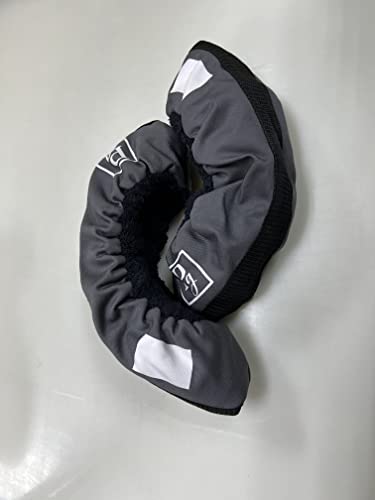
- Senior- Skate Size 6-12
- Junior- Skate Size 1-5.5
- Thick Terry Cloth Liner
Rollerblade Skate Blade Rust Eraser – Best for Maintenance
This specialized tool safely removes light surface rust before it damages the edge. Its gentle, non-abrasive formula cleans without scratching the blade finish. It’s an ideal solution for addressing minor corrosion spotted during regular inspections.

- Very friendly product to remove tough rust on knife without painful effort
- Usage: Soak the rust eraser for ten minutes with cold water
- Scrubs carefully the rusted part of knife and rinse knife when rust is…
Conclusion: Mastering Blade Care for Longer-Lasting Sharpness
Keeping your figure skate blades sharp between professional sharpenings is entirely achievable. Consistent, proper care prevents rust, nicks, and premature dulling. This protects your investment and ensures reliable performance on the ice.
The key is building simple habits into your routine. Always dry your blades thoroughly and use the correct guards for walking versus storage. These small actions yield significant results over time.
Start implementing the post-skate routine outlined in this guide today. Your blades will stay sharper, your skating will feel more secure, and you’ll save money on frequent sharpening costs.
With diligent maintenance, you can confidently extend the life of every professional sharpening and enjoy superior control every time you skate.
Frequently Asked Questions About Figure Skate Blade Care
What is the most important thing to do after skating to keep blades sharp?
The single most important step is to thoroughly dry your blades with a soft, absorbent cloth. Remove all moisture from the steel, the stanchions, and the sole of the boot. This prevents rust, which is the primary cause of edge degradation between sharpenings.
Immediately after drying, place your blades in absorbent terry cloth soakers—not hard plastic guards—for storage. This allows any residual moisture to wick away safely, keeping the edges protected and dry.
How often should recreational skaters sharpen their figure skates?
For casual recreational skaters, a professional sharpening is typically needed only once or twice per season. The exact frequency depends on how often you skate and the quality of your maintenance routine. With excellent care, you can maximize this interval significantly.
Pay attention to how your skates feel. If you start slipping on edges you could previously hold, or if spinning becomes difficult, it’s a clear sign the blades need professional attention, regardless of the timeline.
Can I use WD-40 or other oils on my skate blades?
No, you should not use WD-40, household oils, or grease on your figure skate blades. These products can attract dirt, gum up the hollow of the blade, and damage the boot material. They are not designed for precision skate maintenance.
For long-term seasonal storage, a light application of a silicone-based blade protector is sometimes recommended. For daily use, the best protection is simply keeping the blades completely clean and dry.
What’s the difference between hard guards and soft soakers?
Hard plastic guards are designed for one purpose only: walking on hard surfaces like concrete. They protect the delicate edges from chips and nicks. You should never store your skates in hard guards, as they trap moisture.
Soft soakers (terry cloth guards) are for absorption and storage. They wick away moisture after you’ve dried your blades and provide a soft barrier in your skate bag. Always use soakers when your skates are not on your feet and you are not walking.
How can I tell if my blades are dull without skating on them?
Perform the “fingernail test.” Gently run your fingernail perpendicularly across the blade’s edge (not along it). A sharp edge will catch your nail cleanly and consistently along the entire length. A dull edge will feel smooth and slide without catching.
Also, visually inspect the edges under good light. Look for visible nicks, rolls (where the edge is rounded over), or spots of rust along the cutting surface. These are clear indicators of needed maintenance or sharpening.
Is it bad to keep my skates in the trunk of my car?
Yes, storing skates in a car trunk is one of the worst things you can do for blade sharpness. Extreme temperature fluctuations cause condensation, leading to rapid rust. In summer, the intense heat can also damage the boot materials and adhesives.
Always transport skates inside the climate-controlled cabin of your vehicle and bring them into your home after skating. Store them in a cool, dry place inside, never in a garage or car where temperatures and humidity are uncontrolled.
What should I do if I see light rust on my blades?
For light surface rust, use a dedicated skate blade rust eraser or a very fine grit (1000+) sharpening stone. Gently rub along the length of the blade, not across the edge, with minimal pressure. The goal is to remove the rust without altering the blade’s profile.
After using the eraser, wipe the blade completely clean with a dry cloth. Address the cause—usually inadequate drying or storage—to prevent the rust from returning. Deep pitting requires professional assessment.
Are stainless steel blades worth it for better sharpness longevity?
Yes, stainless steel blades are highly recommended for their superior corrosion resistance. They rust much slower than traditional carbon steel blades, which directly contributes to longer-lasting sharpness. The edges are less likely to be eroded by surface corrosion between sharpenings.
While they are a higher initial investment, stainless steel blades are ideal for skaters in humid climates or anyone seeking lower maintenance. They still require proper drying and care, but they are more forgiving of occasional moisture exposure.