Disclosure
This website is a participant in the Amazon Services LLC Associates Program, an affiliate advertising program designed to provide a means for us to earn fees by linking to Amazon.com and affiliated sites.
Protecting your figure skate boots from ice and water damage is essential for their longevity and your performance. Moisture is the primary enemy of leather and synthetic materials, leading to breakdown and loss of support.
This damage can cause costly replacements and even compromise ankle safety. Our complete guide provides proven methods used by skaters and pros to create an effective defense.
Why Water and Ice Are Your Skates’ Worst Enemy
Figure skate boots face constant assault from moisture. Every session exposes them to ice melt, snow, and damp locker rooms. This isn’t just about wet feet.
Water seeps into the boot’s materials, breaking down leather fibers and weakening adhesives. Over time, this causes the supportive structure to soften and collapse, a process known as “breaking down.”
Once a boot loses its stiffness, it fails to provide the ankle support crucial for jumps and spins. This leads to poor performance and a significantly higher risk of injury. Protecting your investment starts with understanding this relentless threat.
The Essential First Line of Defense: Waterproofing Spray
A high-quality waterproofing spray is the most effective quick fix. It creates an invisible barrier that causes water to bead up and roll off the boot’s surface.
For a reliable and skater-trusted option, consider the Nikwax Fabric and Leather Proof Spray. It’s specifically formulated for performance footwear.
- Restores water-repellency without clogging leather pores.
- Safe for both synthetic materials and natural leather.
- Helps boots stay drier and last longer between applications.
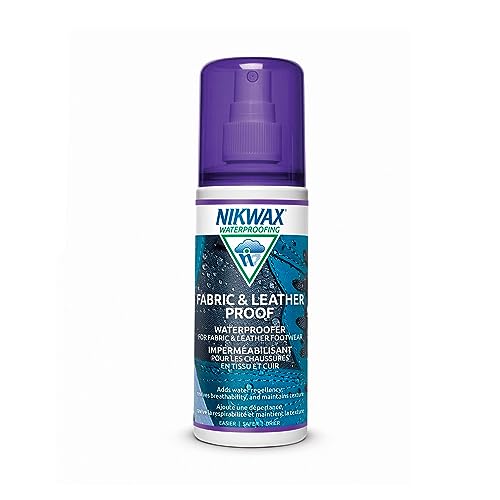
- High Performance Waterproofing: Designed to revitalize breathability of all…
- Easy Application: Spray-on waterproofing formula works on all fabric…
- Breathability and Water Repellency: Adds water repellency and revives…
Check current price on Amazon →
When Protection and Care Aren’t Enough
Sometimes, damage is too advanced or you’re starting fresh. If your boots are already breaking down, prevention is no longer the solution.
It’s time to consider a new pair designed for durability. For beginners, selecting the right starter skate is key to building good habits. Explore our guide on the best figure skates for beginners to find a supportive and lasting option.
For skaters prioritizing longevity, models with stainless steel blades and robust construction offer superior resilience. You can also read specific reviews on durable models like the Riedell Soar for detailed insights.
Proven Methods to Waterproof Your Figure Skates
Effective waterproofing is your most powerful tool against damage. It involves creating a durable barrier that repels moisture before it can soak in. This process extends the life of your boots and maintains their critical support structure.
Different boot materials require specific care approaches. Using the wrong product can damage leather or clog synthetic fabrics. Follow these expert techniques for maximum protection.
Choosing the Right Waterproofing Product
Not all protectants are created equal. Your choice depends entirely on your skate boot’s primary material. Using a product designed for the wrong material can be ineffective or harmful.
- For Leather Boots: Use a silicone-free conditioner or wax. Products like mink oil or beeswax-based conditioners nourish the leather while creating a water-repellent layer. They prevent the leather from drying out and cracking.
- For Synthetic (Man-made) Boots: Use a spray-on waterproofing sealant. These are typically silicone or polymer-based. They form a flexible, invisible shield over the material without softening it, which is crucial for maintaining stiffness.
- For Suede or Nubuck Accents: Use a specialized suede protector spray. These are designed to repel stains and water without altering the delicate texture of the material.
Step-by-Step Application for Lasting Protection
Proper application is just as important as product selection. A rushed job leaves vulnerable spots where water can penetrate. Follow this meticulous process for complete coverage.
- Clean Thoroughly: Wipe boots with a damp cloth to remove dirt, salt, and old polish. Let them dry completely for 24 hours. Application on damp boots traps moisture inside.
- Apply Evenly: For sprays, hold the can 6-8 inches away and use short, sweeping strokes. For creams and waxes, use a soft cloth to rub a thin, even layer over the entire boot, excluding the sole and blade.
- Dry and Cure: Allow the boots to dry naturally in a well-ventilated, room-temperature area for at least 12-24 hours. Avoid direct heat sources like radiators, which can crack materials.
How to Dry Wet Figure Skates Correctly
Getting your skates wet is sometimes unavoidable. The real damage occurs during improper drying. Rushing this process with high heat can permanently warp leather and ruin adhesives.
Correct drying preserves the boot’s shape and internal structure. This method ensures your skates are ready for your next session without hidden moisture causing breakdown from the inside out.
The Critical “Never Do This” Drying Mistakes
Common quick fixes cause the most harm. Avoid these practices at all costs to prevent irreversible damage to your expensive equipment.
- Never Use Direct Heat: Keep boots away from radiators, space heaters, hairdryers, or oven vents. Intense, dry heat causes leather to crack and stiffen unnaturally. It also melts the glues holding the boot together.
- Never Store Them Wet: Placing damp skates in a closed bag or tight skate guard is a recipe for mildew. Trapped moisture creates a perfect environment for mold growth and rust on your blades.
- Never Dry Blades on the Boot: Always wipe your stainless steel or carbon steel blades completely dry with a soft towel after use. Letting water drip from the blade onto the boot or sole prolongs exposure and promotes rust.
The Safe and Effective Drying Protocol
Patience is the key ingredient for safe drying. This step-by-step routine removes moisture thoroughly while protecting your investment.
- Immediate Post-Skate Wipe Down: As soon as you take your skates off, use a dry, absorbent towel to blot away all surface moisture from the boots, soles, and blades.
- Remove the Insoles and Laces: Take out the footbeds and fully untie the laces. This opens up the boot’s interior to air circulation, which is essential for drying the lining where sweat accumulates.
- Air Dry at Room Temperature: Place the boots in a well-ventilated area at normal room temperature. Use a boot dryer with a no-heat fan-only setting or simply stuff them loosely with crumpled newspaper, which absorbs internal moisture. Replace the newspaper every few hours until it comes out dry.
Daily Maintenance Routine for Skate Longevity
Protection is an ongoing process, not a one-time task. Integrating simple habits into your post-skate routine prevents minor issues from becoming major damage.
This daily maintenance takes less than five minutes. It dramatically extends the functional life of your boots and keeps them performing at their best.
Essential Post-Session Care Steps
What you do in the first 30 minutes after skating matters most. This routine addresses immediate threats from moisture, ice melt, and dirt.
- Wipe Down Blades & Boots: Immediately after leaving the ice, use a dedicated soft, dry cloth to thoroughly wipe your blades and boot soles. This removes ice melt and water, preventing rust and salt stains.
- Use Absorbent Skate Guards: Swap hard plastic “soakers” for terrycloth absorbent skate guards for storage. These soft guards soak up residual moisture from the blade while protecting the edge. Never store skates in hard guards, as they trap moisture.
- Air Out Your Gear: Once home, remove skates from your bag. Take out the insoles and loosen the laces fully. Allow everything to air out in a dry space away from direct sunlight.
Weekly and Monthly Deep Care Tasks
Beyond daily wiping, periodic deeper cleaning maintains the waterproofing barrier and boot integrity. Schedule these tasks consistently.
- Weekly Inspection & Clean: Each week, inspect boots for new scuffs, salt marks, or dirt buildup. Gently clean affected areas with a damp cloth and a tiny amount of mild soap designed for the boot material. Always let the area dry completely.
- Monthly Conditioning Check: For leather boots, assess the material’s suppleness monthly. If the leather feels dry or stiff, apply a thin layer of your approved conditioner to restore flexibility and water resistance.
- Seasonal Waterproofing Refresh: Reapply your primary waterproofing spray or wax every 3-4 months, or more frequently if you skate daily. The protective layer diminishes with wear and friction.
| Task | Frequency | Key Benefit |
|---|---|---|
| Wipe Blades & Boots | After Every Session | Prevents immediate rust and salt damage |
| Use Absorbent Guards | After Every Session | Protects edges while drying the blade |
| Deep Clean & Inspect | Weekly | Catches early signs of wear or damage |
| Reapply Waterproofer | Every 3-4 Months | Maintains the protective moisture barrier |
Choosing the Right Protective Gear and Accessories
The right accessories are force multipliers in your fight against water damage. They provide physical barriers and manage moisture in ways your boots alone cannot.
Investing in a few key items simplifies your maintenance routine. They offer proactive protection during transport, storage, and even while on the ice.
Must-Have Accessories for Boot Protection
These tools are specifically designed to shield your skates from their most common threats. They are inexpensive but deliver significant returns in boot longevity.
- Absorbent Terrycloth Skate Guards (“Soakers”): These are the single most important accessory. They slip over your blade after wiping it dry, absorbing leftover moisture and protecting the sharp edges from nicks. Never store skates in hard plastic guards.
- Water-Resistant Skate Bags: A bag with a separate, ventilated compartment for skates is ideal. Look for water-resistant materials and mesh panels that allow damp gear to air out during transport, preventing a humid, mold-prone environment.
- Boot Covers or “Over-the-Boot” Tights: For frequent skaters, these provide a physical barrier between your boot and snow, slush, and ice melt during walks to and from the rink. They are easy to wipe clean and keep the actual boot surface dry.
Storage Solutions to Prevent Hidden Damage
How you store your skates between sessions is critical. Poor storage can undo all your careful drying and maintenance work.
- Use a Dedicated Skate Drying Rack or Stand: Store skates upright on a rack that elevates the blades. This keeps them in a stable position and maximizes air circulation around the entire boot. Avoid tossing them in a heap on the floor of a closet.
- Control the Storage Environment: Keep skates in a cool, dry place with stable temperature and low humidity. Avoid damp basements, hot attics, or garages where temperature fluctuations are extreme, as this stresses materials.
- Employ Moisture Absorbers: For long-term storage (off-season), place a silica gel packet or a commercial moisture absorber in your skate bag or storage area. This helps control ambient humidity that can slowly degrade materials.
Advanced Repair and Restoration for Damaged Boots
Even with great care, boots can show signs of wear. Recognizing early damage allows for intervention before a full breakdown occurs. Some issues can be remedied at home, while others signal a need for professional help.
This section helps you diagnose common problems and understand your repair options. Acting quickly can save your boots and your budget.
Identifying Early Signs of Water Damage
Catching damage early is the key to successful restoration. Regularly inspect your boots for these specific warning signs.
- Persistent White Salt Stains: These are mineral deposits from ice melt. If left untreated, they draw moisture into the leather and cause it to dry out and crack. Gently brush them off and clean the area with a vinegar-water solution.
- Softening or Wrinkling in Key Areas: Feel for unusual soft spots, especially around the ankle collar or the sides of the boot. This indicates the internal structure is breaking down and losing support.
- Mold or Mildew Spots: Look for fuzzy or speckled black/green spots, often accompanied by a musty smell. This is a sign of chronic dampness and requires immediate cleaning with a specialized product to halt growth.
DIY Fixes vs. Professional Repair
Knowing when to tackle a repair yourself and when to seek a skate technician is crucial. Use this guide to make the right call.
| Problem | DIY Fix | Time for a Pro |
|---|---|---|
| Minor surface scuffs or salt stains | Yes. Clean with appropriate leather/synthetic cleaner. | No. |
| Small, isolated area of stiff, cracked leather | Maybe. Apply a leather conditioner to rehydrate. | If cracking is deep or widespread. |
| Boot feels noticeably softer, less supportive | No. This is internal damage. | Yes. A pro can assess if reinforcement is possible. |
| Loose or separated sole from the boot | No. Requires specific adhesive and clamping. | Yes. This is a critical structural repair. |
For significant structural softening, a professional skate technician may add internal patches or external stiffeners. If the boot is fully broken down, it’s time to explore new options. Consider durable models reviewed on our site, like the Jackson Ultima Classic Softskate 380, known for robust construction.
Seasonal and Long-Term Storage Strategies
Proper off-season storage is the final, critical phase of protection. A multi-month break can either preserve your boots or accelerate their decline. The goal is to create a stable, dry environment that puts no stress on the materials.
Whether you’re storing skates for the summer or a competitive break, this protocol ensures they return in ready-to-skate condition. It prevents the hidden damage of humidity and material fatigue.
Preparing Your Skates for Extended Storage
Never store skates directly after their last use. A thorough preparation process removes all active threats before they are sealed away.
- Execute a Full Deep Clean: Follow your weekly deep clean protocol meticulously. Remove all dirt, salt, and old conditioner. This prevents corrosive elements from sitting on the boot for months.
- Apply a Fresh Protective Layer: After cleaning and allowing full drying, apply your chosen waterproofing product. This creates a fresh, strong barrier to guard against ambient humidity during storage.
- Condition Leather and Loosen Laces: For leather boots, apply a final, light coat of conditioner to keep the material supple. Fully untie and loosen the laces to relieve tension on the eyelets and leather.
Ideal Storage Conditions and Setup
Where and how you store your skates is as important as their prepared state. Follow these guidelines to create the optimal environment.
- Control Climate: Choose a storage space that is cool, dark, and dry. A closet in a temperature-controlled part of your home is ideal. Avoid attics, basements, garages, or sheds where temperature and humidity fluctuate wildly.
- Use a Breathable Container: Store skates in a breathable fabric bag or a cardboard box with ventilation holes. Never use an airtight plastic container or sealed plastic bag, as this traps any residual moisture and promotes mold.
- Employ Silica Gel Packets: Place 2-3 silica gel desiccant packets inside the storage bag or box. These packets actively absorb ambient moisture, providing an extra layer of protection against humidity.
- Store Upright and Supported: Place the skates upright on their holders or stuff the tops lightly with acid-free tissue paper to help them maintain their shape. Do not lay them on their sides, which can warp the boot over time.
Frequently Asked Questions About Skate Boot Care
Skaters often have specific, pressing questions about protecting their gear. This FAQ section addresses the most common concerns with clear, actionable answers.
These answers are based on expert recommendations from fitters and technicians. They provide quick solutions to everyday problems you might encounter.
Common Concerns and Quick Solutions
From daily dilemmas to material worries, here are direct answers to frequent queries.
- “Can I use regular shoe waterproofing spray on my skates?”
Proceed with caution. Many general sprays contain silicones or polymers that can overly soften leather, compromising support. Always use a product specified for your boot’s material (leather or synthetic) for safe, effective protection. - “My boots got soaked in a downpour. What’s the emergency protocol?”
Immediately blot excess water with towels. Remove insoles and laces. Stuff boots tightly with crumpled newspaper, replacing it every 2-3 hours until dry. Never apply heat. This method draws moisture out safely. - “How often should I be reapplying waterproofing treatment?”
For frequent skaters (3+ times per week), reapply every 2-3 months. For recreational skaters, every 4-6 months is sufficient. Always reapply after a deep clean or if you notice water no longer beads on the surface.
Troubleshooting Specific Damage Issues
When problems arise, targeted action can prevent them from worsening. Use this guide for common damage scenarios.
| Problem | Likely Cause | Immediate Action |
|---|---|---|
| White, chalky residue on boots | Dried ice melt/salt stains. | Brush off, then wipe with a 50/50 white vinegar and water solution. Dry thoroughly. |
| Boot feels damp inside for days | Insufficient drying or wet insoles. | Remove insoles to dry separately. Use a boot dryer on fan-only setting or fresh newspaper stuffing. |
| Small cracks appearing in leather | Leather has dried out and lost flexibility. | Clean the area and apply a silicone-free leather conditioner to rehydrate. Address before cracks deepen. |
For persistent issues or if you’re considering new skates that are built to last, research is key. Reading detailed reviews, like our analysis of the 5th Element Grace Ice Skates, can help you choose a model known for durable construction from the start.
Best Products for Protecting Figure Skate Boots
Investing in the right protective products simplifies maintenance and extends boot life dramatically. These three top-rated options address waterproofing, drying, and storage—the core pillars of skate care.
Each is selected for its effectiveness and specific use case in a skater’s routine. Choose based on your most pressing protection need.
Nikwax Fabric and Leather Proof Spray – Best Waterproofing Spray
This spray is the gold standard for creating a durable water-repellent barrier. Its unique formula is safe for both natural leather and synthetic materials without clogging pores or causing stiffness. Easy to apply and long-lasting, it’s ideal for regular maintenance to prevent water absorption before it starts.
- High Performance Waterproofing: Designed to revitalize breathability of all…
- Easy Application: Spray-on waterproofing formula works on all fabric…
- Breathability and Water Repellency: Adds water repellency and revives…
PEET Shoe and Boot Dryer (Original) – Best Boot Dryer
The PEET dryer uses gentle, fan-forced ambient air circulation without heat to dry boots safely from the inside out. It eliminates moisture that causes breakdown and odor overnight. Its reliable design and quiet operation make it perfect for daily use, ensuring your skates are always dry and ready.
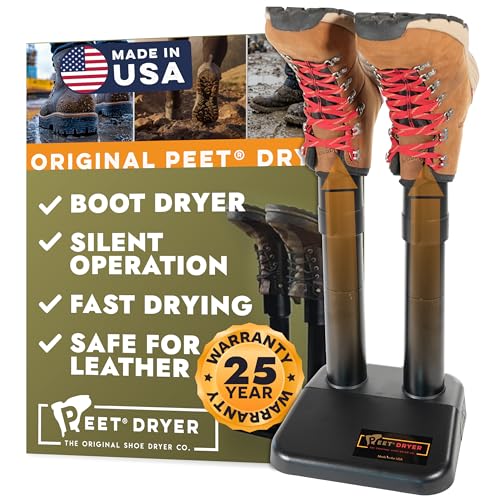
- SILENT, ALWAYS-ON DRYING: The Original PEET uses a patented DryPort system…
- DRIES MOST FOOTWEAR OVERNIGHT: Safe, gentle airflow reaches the inside of…
- EXPAND YOUR DRYING SYSTEM: Compatible with PEET Helmet DryPort, Glove…
GlideDry Ice Skate Guards – Best Skate Guards
These are essential for post-skate care. Made from thick, absorbent terrycloth, they soak up residual blade moisture while protecting sharp edges from nicks. Unlike hard guards, they allow evaporation, preventing rust and keeping your blade dry. A must-have for transport and storage after every session.
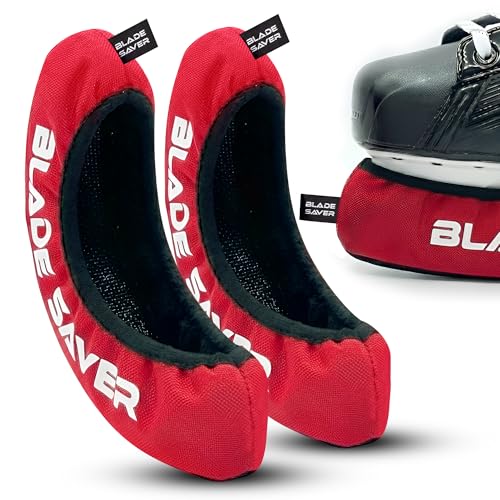
- RUST PREVENTION YOU CAN TRUST: The GlideDry ice skate blade covers are made…
- MADE TO LAST: The GlideDry ice skate blade protectors feature a durable…
- EASY-CARE PERFORMANCE: These ice skate covers are machine washable, and…
Conclusion: Extending the Life of Your Figure Skate Boots
Protecting your figure skate boots from ice and water damage is a systematic process. Consistent waterproofing, proper drying, and daily care form an unbreakable defense.
The key takeaway is to integrate simple habits into your routine. This prevents costly damage before it starts.
Begin today by applying a quality protectant and using absorbent skate guards. Your boots will reward you with lasting support and performance.
With this knowledge, you can skate with confidence, knowing your investment is well-protected for seasons to come.
Frequently Asked Questions About Protecting Figure Skate Boots
What is the best way to waterproof leather figure skates?
For leather boots, use a silicone-free conditioner or wax. Products like mink oil or beeswax-based conditioners are ideal. They nourish the leather while creating a water-repellent barrier.
Apply a thin, even coat to clean, dry boots. Allow it to absorb and cure for 24 hours. This maintains flexibility and prevents the leather from drying out and cracking from repeated wetting.
How often should I reapply waterproofing spray to my skates?
Reapply every 3-4 months for regular use. If you skate multiple times per week, consider reapplying every 2-3 months. The protective layer diminishes with friction and exposure.
A clear sign it’s time is when water stops beading on the boot’s surface. Always reapply after a thorough deep cleaning, as this can remove the previous protective layer.
Can I use a hair dryer to speed up the drying process?
No, you should never use a hair dryer or any direct heat source. Intense, dry heat causes leather to crack, stiffen, and can melt the adhesives holding the boot together.
Always air dry at room temperature. Use absorbent newspaper stuffing or a fan-only boot dryer. Patience is crucial to prevent irreversible damage to the boot’s structure and materials.
What should I do if my skates get completely soaked?
Immediately blot away excess water with dry towels. Remove the insoles and laces completely. Stuff the boots tightly with crumpled newspaper or paper towels.
Replace the stuffing every few hours until it comes out dry. Let them air dry in a ventilated room for 24-48 hours. Never put them near a heater to rush the process.
Are hard plastic skate guards or soft soakers better for protection?
Soft, absorbent terrycloth soakers are far better for post-skate care. They soak up moisture from the blade, preventing rust, while protecting edges. Hard plastic guards trap moisture against the blade and boot.
Use hard guards only for walking on non-ice surfaces to protect edges. For storage and transport immediately after skating, always switch to dry, absorbent soakers.
How can I remove white salt stains from my skate boots?
First, brush off any loose residue with a soft, dry brush. Then, wipe the stained area with a cloth dampened with a 50/50 solution of white vinegar and water.
The mild acidity breaks down the mineral deposits. Wipe clean with a water-dampened cloth afterward and dry thoroughly. Follow up with a conditioner for leather boots to restore moisture.
What is the best storage method for skates during the off-season?
Clean, waterproof, and dry them completely first. Store upright in a breathable fabric bag or box in a cool, dark, dry place like a closet. Insert silica gel packets to control humidity.
Loosen the laces fully to relieve tension. Avoid attics, basements, or garages where temperature and humidity fluctuate, as this stresses and can warp the materials over months.
When is it time to stop repairing boots and buy new ones?
When the boot loses its structural support, it’s time. Key signs include significant softening around the ankles, visible deep cracks in the leather, or a sole separating from the upper.
If your ankle wobbles during basic edges or pushes, the boot is broken down. Continuing to skate in compromised boots increases injury risk and hinders skill development.