Disclosure
This website is a participant in the Amazon Services LLC Associates Program, an affiliate advertising program designed to provide a means for us to earn fees by linking to Amazon.com and affiliated sites.
Essential protective gear is non-negotiable for figure skaters of all levels. While skates are the primary tool, additional safety equipment is crucial for preventing serious injuries. This gear builds confidence and allows skaters to push their limits safely.
Falls and impacts are an inevitable part of training and performance. The right protective equipment directly mitigates the risk of concussions, fractures, and painful bruises. It is a fundamental component of smart, long-term athletic development on the ice.
The Hidden Risk: Skates Alone Don’t Protect You
Figure skating is beautiful but involves high-impact falls on hard ice. Skates provide ankle support and glide, but they offer zero protection for your most vulnerable areas. Your head, hips, tailbone, knees, and wrists absorb the full force of every tumble.
This leaves skaters, especially beginners learning new jumps, at risk for concussions, bruises, fractures, and sprains. Fear of injury can also hinder progress and confidence on the ice. The solution is a dedicated set of protective gear designed for skating’s unique impacts.
Your First Line of Defense: Impact Shorts
For immediate protection, padded shorts are the most crucial piece of gear after a helmet. They shield your hips, tailbone, and thighs from painful bruises and fractures during falls. Look for low-profile designs that fit comfortably under practice attire.
A highly-rated and discreet option is the Triple Eight Bumsaver. These shorts are a favorite for their balance of protection and wearability.
- Features lightweight, dual-density foam padding over hips and tailbone.
- Designed with a moisture-wicking liner and stretch fabric for full range of motion.
- Low-profile fit allows them to be worn unnoticed under leggings or sweatpants.
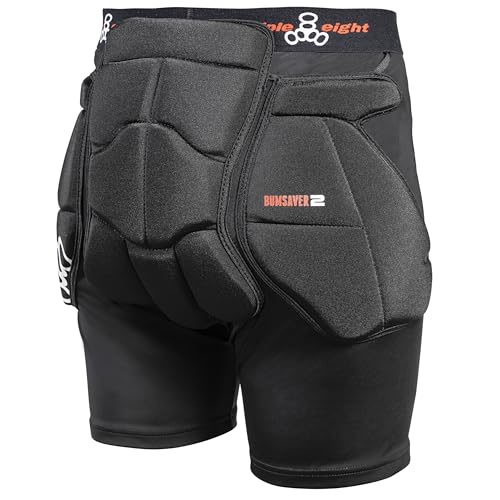
- Unique Dual Zone Foam: Engineered for enhanced impact absorption with less…
- Gapless Coverage: Smart paneling delivers continuous protection across…
- Multi-Sport Ready: Low-profile unisex design fits easily under pants or…
Check current price on Amazon →
When Protection Alone Isn’t Enough
Even with the right safety gear, improper skate fit or poor blade quality can cause instability and increase fall frequency. Protective equipment manages the impact, but well-fitted, supportive skates help prevent the fall in the first place.
If you’re experiencing frequent slips or ankle wobble, your skates may be the root cause. For beginners, selecting the right beginner figure skates is essential for building a safe foundation. Ensure you’re also using skates with quality stainless steel blades for consistent edge control. For young skaters who grow quickly, reliable adjustable youth skates provide a safe, cost-effective solution.
Essential Protective Gear for Figure Skating Safety
Building a complete safety kit is the smartest investment a skater can make. This gear is categorized by the body part it protects. Each piece serves a distinct purpose in mitigating common skating injuries.
From head to toe, the right equipment transforms a dangerous fall into a manageable slide. Let’s break down the non-negotiable items for a safe practice session.
Head Protection: The Non-Negotiable Helmet
A certified helmet is vital for skaters of all ages, especially when learning jumps or spins. It protects against concussions and serious head trauma from backward falls. Look for multi-impact helmets certified for ice sports.
Key features to prioritize:
- Certification: Ensure it meets ASTM F1447 or similar ice sport safety standards.
- Fit: Must be snug without wobbling; use the adjustable dial system for a perfect fit.
- Ventilation: Adequate vents prevent overheating during intense training sessions.
Joint and Impact Protection: Wrists, Knees, and Hips
Your joints and bones need shielding from direct ice impact. Wrist guards, knee pads, and padded shorts form a critical protective trio.
Wrist Guards: Prevent sprains and fractures by limiting backward bending. They disperse impact force across a splint.
Knee Pads: Protect the kneecap and joint during falls from jumps or failed landings. Gel or foam padding is essential.
Padded Shorts (Bum Pads): These are arguably the most important for comfort and confidence. They protect the tailbone, hips, and thighs.
Every skater’s bag should contain: 1) A certified multi-impact helmet, 2) Padded impact shorts, 3) Wrist guards, and 4) Knee pads. This combination addresses the most common and severe impact points.
Selecting the Right Gear for Your Skill Level
Your protective needs evolve with your skating. Beginners need full kits, while advanced skaters may focus on specific high-risk elements.
Beginners/Recreational Skaters: Use all four core items. Focus is on fall prevention and building confidence.
Intermediate/Advanced Skaters: Prioritize helmet and padded shorts for jump training. Wrist and knee protection may be used for learning new, complex elements.
How to Choose and Fit Your Skating Safety Gear
Selecting the right protective equipment involves more than just buying it. Proper fit and material choice are critical for both safety and performance. Ill-fitting gear can be uncomfortable and may not protect you effectively.
This guide will help you navigate key fitting considerations and material choices. Follow these steps to ensure your gear works as hard as you do.
Step-by-Step Fitting Guide for Maximum Protection
A perfect fit means the gear stays in place during a fall without restricting movement. Here is a simple process to check each item.
- Helmet: It should sit level on your head, about two finger-widths above your eyebrows. Shake your head “no” and “yes”; it should not shift.
- Impact Shorts: The padding must directly cover your tailbone and hip bones. Ensure they don’t ride up or twist during deep knee bends.
- Wrist Guards: The splint should align with the inside of your forearm. Your wrist should have very limited backward bending motion when secured.
Material and Design Considerations
The construction of your safety gear impacts its protection level, durability, and comfort. Understanding materials helps you make an informed choice.
Key material features to look for:
- Multi-Density Foam: Softer foam absorbs initial impact, while firmer foam disperses force. This combination is found in premium padded shorts.
- Moisture-Wicking Liners: Essential for comfort during long sessions. They pull sweat away from your skin to keep you dry.
- Low-Profile Design: Gear should be discreet under clothing. Bulky equipment can hinder your movement and technique on the ice.
| Material Type | Best For | Consideration |
|---|---|---|
| Hard Shell w/ Foam | Helmets, some knee pads | Maximum impact dispersion; can be less flexible. |
| Gel or Viscoelastic Foam | Padded shorts, knee pads | Excellent energy absorption; molds to body shape. |
| Breathable Mesh & Lycra | All gear liners and covers | Enhances comfort and reduces heat buildup during use. |
Advanced Safety Tips and Common Gear Mistakes
Proper gear usage extends beyond simply wearing it. Maintenance, situational awareness, and avoiding common pitfalls are key to long-term safety. Even the best equipment can fail if not cared for correctly.
This section covers expert-level practices to maximize your protection. Learn how to maintain your gear and use it strategically during training.
Gear Maintenance and Lifespan Guidelines
Safety gear degrades with use and time. Impact-absorbing foams compress, and straps lose elasticity. Regular inspection ensures your equipment remains reliable.
Essential maintenance checklist:
- Inspect After Hard Falls: Check for cracks in hard shells, compressed foam that doesn’t rebound, or torn stitching.
- Clean Regularly: Wipe down hard surfaces and follow manufacturer instructions to wash liners. This prevents bacteria and odor buildup.
- Know Replacement Signs: Replace helmets after any significant impact. Replace padded shorts when foam feels permanently flat or stiff.
Strategic Use During Practice Sessions
Your approach to safety gear should be dynamic. It should match the specific elements you are working on during a practice. This targeted use builds both safety and confidence.
For Jump Practice: Always wear your helmet and padded shorts. Consider adding knee pads when working on new take-off or landing techniques.
For Spin & Footwork Drills: Wrist guards can be beneficial if you are prone to putting your hands down during balance checks.
Building a Safety-First Mindset
Protective gear is a tool that enables progressive training, not a sign of weakness. Integrating it into your routine normalizes safety and reduces injury fear.
Benefits of a consistent gear routine:
- Increased Confidence: Knowing you are protected allows you to commit fully to new elements.
- Faster Skill Acquisition: With reduced fear of falling, you can attempt repetitions more freely.
- Longer Career: Preventing major injuries helps ensure you can skate healthily for years to come.
Special Considerations for Youth and Adult Skaters
Safety needs differ significantly between children, teenagers, and adults. Factors like growth, bone density, and risk tolerance all influence gear choices. A one-size-fits-all approach does not work for figure skating protection.
Understanding these differences ensures every skater gets appropriate, effective safety equipment. Let’s explore the tailored recommendations for each group.
Youth Skater Safety: Growth and Compliance
For children and teenagers, gear must accommodate rapid growth while still being worn consistently. Comfort and appeal are just as important as protection for ensuring use.
Key strategies for young skaters:
- Adjustable Gear: Prioritize helmets with dial-fit systems and padded shorts with wide, adjustable waistbands to last through growth spurts.
- Involve Them in Choice: Allow them to pick colors or styles from a selection of certified options. This increases the likelihood they’ll wear it willingly.
- Emphasize Routine: Make putting on safety gear as automatic as tying skate laces. Consistency from the very first lesson is crucial.
Adult Beginner vs. Advanced Skater Needs
Adult skaters have different physiological considerations. Beginners often have a higher center of gravity and less bone resilience, while returning skaters may push complex elements.
Adult Beginners/Recreational: Full protective kit is essential. Focus on impact absorption for hips and wrists, as adult bones are more prone to fractures from falls.
Advanced/Returning Adults: Gear should facilitate high-impact training. Look for professional-grade padded shorts and consider lightweight, ventilated helmets designed for athletic performance.
| Skater Type | Top Priority Gear | Key Rationale |
|---|---|---|
| Young Child (5-10) | Helmet, Padded Shorts | Protects developing bones and builds fearless early habits. |
| Teenager (Learning Jumps) | Helmet, Padded Shorts, Wrist Guards | Manages high fall frequency and impact during skill acquisition. |
| Adult Beginner | Padded Shorts, Wrist Guards, Knee Pads | Mitigates higher fracture risk due to age and unfamiliarity with falling. |
Integrating Safety Gear with Proper Skating Equipment
Your protective gear must work in harmony with your skates and clothing. Poor compatibility can create new hazards or hinder your technique. The goal is a unified system that supports both safety and performance.
This involves considering how gear layers interact and choosing complementary products. Let’s ensure your entire skating setup is optimized for protection.
Layering Gear with Skating Apparel
Safety equipment should be worn under or integrated with your practice wear. The right layering order ensures everything stays in place and functions correctly.
Recommended layering order:
- Base Layer: Moisture-wicking shirt and leggings/tights.
- Protective Layer: Padded shorts, knee pads (under leggings), wrist guards.
- Outer Layer: Fitted athletic pants and a long-sleeve top or jacket. Avoid baggy clothing that can catch on gear.
Your helmet is always the final piece placed on top. Ensure no hoods or high collars interfere with its fit.
Ensuring Gear and Skate Compatibility
Some safety items can affect your interaction with the ice. It’s vital to test your full setup before attempting difficult elements.
Key compatibility checks:
- Knee Pads & Knee Bends: Ensure pads don’t restrict your deep skating knee bend or cause fabric to bunch behind the knee.
- Wrist Guards & Gloves: Wear your gloves over the wrist guards. Test your ability to grip the ice during a fall simulation.
- Padded Shorts & Spin Position: Practice a basic scratch spin. Confirm the shorts don’t create excessive bulk that throws off your center.
Beyond Padding: Complementary Safety Equipment
While impact gear is primary, other items contribute to overall rink safety. These tools help prevent accidents before a fall happens.
Additional safety items to consider:
- Skate Guards: Essential for walking off the ice. They protect your blades and prevent dangerous slips on hard floors.
- Properly Fitted Skates: This is the foundation of all safety. Ill-fitting skates are a major cause of falls. They lead to ankle instability and poor edge control.
- Cut-Resistant Gloves: For skaters performing lifts or pair elements, these protect hands from accidental blade contact.
Addressing Myths and Building a Long-Term Safety Habit
Many skaters hesitate to use protective gear due to common misconceptions. These myths can prevent the adoption of life-saving equipment. Debunking them is crucial for fostering a true safety culture in the sport.
Beyond just having gear, the goal is to make its use an automatic, non-negotiable part of your skating identity. Let’s tackle the falsehoods and build lasting habits.
Debunking Common Figure Skating Safety Myths
False beliefs about gear can be a major barrier. Understanding the truth empowers skaters to make safer choices without fear of judgment.
Myth 1: “Gear is only for beginners.”
Truth: Elite skaters regularly use padded shorts and helmets when learning new, high-risk jumps. Safety is a sign of professionalism, not inexperience.
Myth 2: “It will mess up my technique or spins.”
Truth: Modern, low-profile gear is designed for athletic movement. Any minor adjustment is far outweighed by the confidence to commit fully to an element.
Myth 3: “I don’t fall that much, so I don’t need it.”
Truth: One serious fall is all it takes. Protective gear is insurance for the unexpected catch, slip, or collision that can happen to anyone.
Creating a Consistent Safety Routine
Consistency turns gear use from a chore into a habit. Integrating it into your pre-skate ritual ensures you never forget.
Steps to build your routine:
- Pack It First: Always place your helmet and pads at the top of your skate bag so they’re the first thing you see.
- Dress in Order: Establish a set order: base layer, protective gear, outer layer, skates, then helmet.
- Normalize It: Wear your gear during all practice sessions, not just when attempting new jumps. This makes it a standard part of your “skating uniform.”
The Role of Coaches and Rinks in Safety Culture
A supportive environment encourages gear use. Coaches and rink policies play a pivotal role in normalizing protection.
What to look for in a safety-positive environment:
- Coach Advocacy: Coaches who recommend or require gear for certain elements.
- Rink Policies: Some rinks mandate helmets for learn-to-skate programs, setting a strong precedent.
- Peer Support: Skaters who openly use gear without stigma, creating a community where safety is respected.
Budgeting for Safety: Cost vs. Value Analysis
Investing in quality protective gear is investing in your skating future. While cost is a factor, understanding the value proposition is key. Cheap, ineffective gear provides a false sense of security and may need frequent replacement.
This section helps you allocate your budget wisely across essential items. Learn where to save and where to spend for maximum protection and durability.
Prioritizing Your Safety Gear Purchases
If you need to build your kit over time, follow this priority order. This ensures you are protected against the most severe risks first.
- Priority 1: Helmet. Never compromise on head protection. Allocate budget for a new, certified helmet from a reputable brand.
- Priority 2: Padded Shorts. These prevent debilitating hip and tailbone injuries that can sideline you for months.
- Priority 3: Wrist Guards. Wrist fractures are extremely common. Good guards prevent long-term recovery and loss of training time.
- Priority 4: Knee Pads. Important for jump practice, but you can start with a quality basic model and upgrade later.
Understanding Price Tiers and What You Get
Safety gear typically falls into three tiers: budget, mid-range, and professional. Each offers different materials, durability, and comfort.
| Price Tier | Typical Features | Best For |
|---|---|---|
| Budget | Basic foam padding, simple straps, less breathable materials. | Very occasional skaters or initial try-out gear for kids. |
| Mid-Range | Multi-density foam, moisture-wicking liners, adjustable fit systems, better durability. | Most recreational and serious amateur skaters. Offers the best value. |
| Professional | Advanced impact-absorbing gels, ultra-breathable & antimicrobial fabrics, custom-molded options. | Elite skaters training complex jumps daily, or adults with specific injury concerns. |
The True Cost of Skipping Safety Gear
The financial and personal cost of a single injury far exceeds the price of a full protective kit. Consider this comparison.
Cost of Full Mid-Range Safety Kit: ~$150 – $250 (one-time investment, lasts several seasons).
Potential Cost of One Injury: Thousands in medical bills, physical therapy, lost ice time, and potential long-term complications. Protection is always the more economical choice.
Best Protective Gear for Figure Skaters – Detailed Comparison
Based on protection level, comfort, and skater feedback, these three products stand out. Each excels in a specific category, from overall performance to budget-friendly value.
Triple Eight Bumsaver – Best Overall Padded Shorts
The Triple Eight Bumsaver is the gold standard for hip and tailbone protection. Its dual-density foam absorbs high-impact falls while remaining low-profile. The moisture-wicking liner and stretch fabric provide all-day comfort without restricting movement, making them ideal for serious jump training.
- Unique Dual Zone Foam: Engineered for enhanced impact absorption with less…
- Gapless Coverage: Smart paneling delivers continuous protection across…
- Multi-Sport Ready: Low-profile unisex design fits easily under pants or…
G-Form Pro X Ventilated Knee Pads – Best for Mobility
G-Form Pro X pads use smart flexible padding that hardens on impact. They are incredibly thin and ventilated, offering protection without bulk. This design allows for a full skating knee bend, making them perfect for skaters who find traditional knee pads restrictive.
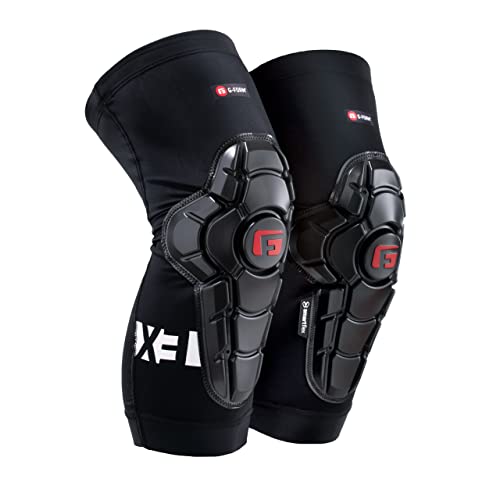
- Our compression product is designed to provide a snug fit while maintaining…
- Comfort & Breathable Knee Guards: G-Form knee guards boast a ventilated…
- Machine-Washable Knee Pad Sleeves: Keep your biking knee guards fresh and…
Bern Macon 2.0 Multi-Sport Helmet – Best Multi-Impact Helmet
The Bern Macon 2.0 features a Zipmold+ liner for superior multi-impact protection and a dial-fit system for a secure, customizable fit. Its versatile, stylish design and excellent ventilation make it a top choice for skaters seeking reliable, comfortable head protection for every session.
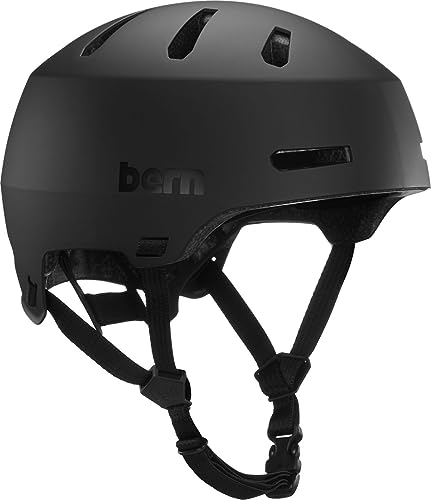
- 15% lighter than the classic Macon Increased protection due to the Ribbed…
Conclusion: Prioritizing Safety for a Confident Skating Journey
Investing in the right protective gear is a fundamental step for every figure skater. It directly prevents serious injuries and builds the confidence needed to master new skills. Safety equipment is a smart, non-negotiable part of your training toolkit.
The key takeaway is simple: consistent use of a helmet, padded shorts, wrist guards, and knee pads transforms your practice. Start by choosing one essential item, like impact shorts, and build your complete kit from there.
Your safety empowers your performance. Gear up with confidence and skate stronger, knowing you are protected for every jump and spin ahead.
Frequently Asked Questions about Figure Skating Safety Gear
What is the most important safety gear for figure skaters?
The helmet is the most critical piece, as it protects against concussions and head trauma. Following that, padded impact shorts are essential for preventing hip and tailbone injuries during falls. These two items should be the foundation of every skater’s protective kit.
While all gear is important, head and core protection address the most severe risks. Beginners should prioritize these before adding wrist and knee guards to their collection.
How do I choose the right size for skating protective gear?
Always consult the manufacturer’s specific size chart, as sizing varies by brand. For helmets, measure your head circumference just above your eyebrows. For padded shorts and guards, take your hip, waist, and limb measurements while wearing your typical practice base layer.
The gear should fit snugly without pinching or restricting movement. Use adjustable straps and dial systems to fine-tune the fit. Remember, gear that shifts during a fall offers little protection.
Can I wear hockey gear for figure skating?
While hockey helmets and some padded shorts can be used, they are not ideal. Hockey gear is often bulkier and designed for different types of impacts and collisions. Figure skating requires gear with a lower profile to allow for greater flexibility and aesthetic lines.
For optimal safety and performance, choose gear specifically designed for figure skating or multi-sport use. This ensures it accommodates the deep knee bends and spinning motions unique to the sport.
At what age can a child stop wearing a helmet for figure skating?
There is no specific age; the decision should be based on skill, consistency, and risk assessment. Many coaches recommend wearing a helmet until a skater has consistently mastered all single jumps. Even then, helmets are strongly advised when learning any new jump, regardless of age.
Safety should always trump appearance or perceived skill level. A confident skater is a protected skater, and many elite skaters use helmets during training for new elements.
How often should I replace my figure skating safety gear?
Replace your helmet immediately after any significant impact, even if no damage is visible. The internal foam can be compromised. For padded shorts, knee pads, and wrist guards, inspect them regularly and replace when the foam becomes permanently compressed, stiff, or cracked.
As a general rule, consider replacing gear every 2-3 years with regular use, as materials degrade over time. Always prioritize function over appearance for your safety.
What should I do if my safety gear is uncomfortable?
First, ensure it is sized and fitted correctly. Discomfort often stems from improper sizing or wearing it over the wrong clothing layers. Try wearing moisture-wicking base layers underneath to reduce chafing.
If properly fitted gear is still uncomfortable, you may need a different brand or model. Comfort is crucial for compliance, so invest time in finding gear you can wear for an entire practice session without issue.
Is it necessary to wear all protective gear during every practice?
For beginners and when learning new jumps, wearing the full kit (helmet, shorts, wrist, knee) is highly recommended. For advanced skaters running familiar programs, the helmet and padded shorts remain essential for jump sections.
You can adapt your gear use to the session’s focus. However, the core principle is to match your protection level to the risk of the elements you are practicing. When in doubt, gear up.
Do wrist guards limit my hand movement for spins and artistry?
Modern, flexible wrist guards are designed to limit only the dangerous backward bending that causes fractures. They allow full range of motion for forward flex, side-to-side movement, and finger dexterity needed for spins and expressive arm movements.
Look for guards with a flexible splint and breathable fabric. A proper fit ensures protection without hindering the graceful hand positions that are key to figure skating artistry.