Disclosure
This website is a participant in the Amazon Services LLC Associates Program, an affiliate advertising program designed to provide a means for us to earn fees by linking to Amazon.com and affiliated sites.
Proper off-season storage is crucial for keeping your figure skates clean and preventing damaging mold. Neglecting this can lead to ruined boots, rusted blades, and costly replacements. This guide provides the essential steps to protect your investment.
You will learn proven methods to clean, dry, and store your skates correctly. We cover everything from deep cleaning leather and suede to controlling humidity. Follow these expert tips to ensure your skates are competition-ready when the ice returns.
The Hidden Dangers of Improper Skate Storage
Storing your skates while damp is the biggest mistake you can make. Moisture trapped inside the boot creates a perfect breeding ground for mold and mildew. This not only causes foul odors but can also degrade the leather or synthetic materials, leading to cracks and a loss of support.
Blades are equally at risk. Humidity promotes rust, which can pit and dull your edges. A rusty blade requires extensive professional sharpening or may even become unsafe to use. Protecting your investment requires a proactive storage strategy.
Your First Line of Defense: Moisture Control
A simple, effective tool is a dedicated boot dryer or moisture absorber. Placing one inside your skates after every use pulls moisture out, but it’s absolutely essential before long-term storage.
Recommended Product: Dry & Dry 5 Gram [50 Pack] Reusable Silica Gel Packets
- Reusable silica gel beads that absorb ambient moisture.
- Non-toxic and safe to place inside boots and storage bags.
- Indicators show when they need reactivating (in a microwave or oven).
![Dry & Dry 5 Gram [50 Packets] Silica Gel Packets Silica Gel...](https://m.media-amazon.com/images/I/51ioFKpJqOL.jpg)
- [Packet Specification] (Packet dimension: 2 inch x 2.7 inch); 5 gram…
- [How To Use] Place your items and silica gel packets in a tightly sealed…
- [Food Grade] Our Packet Material was Tested under Strict Regulation for…
Check current price on Amazon →
When Basic Care Isn’t Enough
If your skates are already showing signs of wear or were an imperfect fit, preventing future damage might mean considering an upgrade. Skates that are too tight or too loose are harder to care for and can accelerate breakdown.
Investing in a well-fitting, quality pair designed for durability makes maintenance easier. For your next purchase, consult our comprehensive guide on the best figure skates with stainless steel blades to combat rust. If you need versatile options, read our review of the versatile Riedell Soar ice skates.
For beginners seeking a comfortable, reliable starter pair, our breakdown of the most comfortable ice skates is an excellent resource.
The Complete Step-by-Step Guide to Cleaning Figure Skates
Proper cleaning is the foundation of mold-free storage. This process removes salt, sweat, and dirt that attract moisture and cause damage. Follow these steps meticulously before putting your skates away for the season.
Deep Cleaning Your Skate Boots
Start by removing the laces and any removable insoles. This allows you to access every part of the boot’s interior. Use a soft brush or dry cloth to remove loose dirt and debris from both inside and out.
For leather boots, use a dedicated leather cleaner. Apply it with a soft cloth using gentle, circular motions. For synthetic or suede boots, use a specialized cleaner for that material. Always test on a small, hidden area first.
- Interior Focus: Wipe the inside lining with a cloth slightly dampened with a mild soap solution. Avoid saturating the material.
- Drying Method: Stuff boots with crumpled newspaper or boot shapers. This absorbs moisture and maintains shape. Replace paper until it comes out dry.
- Conditioning (Leather Only): After cleaning and full drying, apply a leather conditioner to prevent cracking.
Blade Care and Rust Prevention
Blade maintenance is critical. Even a small amount of rust can ruin their performance. Begin by thoroughly wiping the entire blade with a dry, soft cloth to remove surface moisture.
Next, use a specialized blade cleaner or a cloth with a small amount of isopropyl alcohol. Carefully clean the stanchions, toe picks, and the hollow between the edges. This removes ice residue and contaminants.
- Dry the blade completely with a separate clean, dry cloth.
- Apply a thin, even coat of blade oil or a rust inhibitor. This creates a protective barrier.
- Always use soft guards for storage, never hard plastic “soakers” which trap moisture.
| Protection Method | Best Use | Risk if Misused |
|---|---|---|
| Soft Terrycloth Guards | Absorb moisture during transport & storage | Minimal; ensure they are dry before use |
| Hard Plastic Soakers | Short-term protection during walk to ice | Traps moisture, guarantees rust |
| Blade Oil / Rust Inhibitor | Long-term off-season storage | Can attract dirt if over-applied |
Best Practices for Long-Term Skate Storage
Where and how you store your skates determines their condition months later. The goal is to create a stable, dry environment that discourages mold growth and material degradation. Avoid basements, attics, and car trunks at all costs.
Choosing the Ideal Storage Location
Consistency is key. Find a cool, dry place inside your living space with stable temperature and humidity. A closet in a climate-controlled room is perfect. Fluctuations in heat and humidity are your skates’ worst enemies.
Monitor the environment. Consider using a small hygrometer to ensure humidity stays below 50-60%. If humidity is high, use a dehumidifier in the room or silica gel packs in the storage bag.
- Avoid: Garages, sheds, basements (damp & temperature swings).
- Ideal: Bedroom closet, under-bed storage (in a climate-controlled room).
- Never: In direct sunlight or near heat sources like radiators.
Preparing Skates for Off-Season Storage
After cleaning and drying, preparation is the final step. Start by loosely lacing the boots to help them retain their shape. Do not pull them tight, as this can stress the material.
Insert boot shapers or acid-free paper to absorb any residual moisture and maintain form. For blades, apply a final light coat of oil and ensure they are perfectly dry before covering.
- Place each skate in a breathable fabric bag, like cotton or canvas. Avoid plastic bags that trap moisture.
- If using the original box, ensure it is dry and punch small air holes in it.
- Position skates upright in your chosen storage location, with the blades protected by soft guards.
| Material | Best For | Potential Risk |
|---|---|---|
| Breathable Fabric Bag | Long-term storage; allows air circulation | May not protect from dust |
| Vented Plastic Container | Dust protection in dry environments | Can create condensation if sealed |
| Original Cardboard Box | Short-term; maintains shape | Absorbs moisture, can degrade |
How to Prevent Mold on Skates and Handle Existing Issues
Mold prevention is proactive, while remediation is reactive. Understanding both processes keeps your skates safe and functional. Early detection and the right response are crucial to saving your gear.
Proactive Mold Prevention Strategies
Consistent moisture control is your primary defense. Make a habit of airing out your skates immediately after every use, even during the season. This simple step drastically reduces the chance of mold taking hold.
Incorporate moisture-absorbing products into your routine. Silica gel packs are excellent for storage bags. For active use, consider moisture-wicking boot inserts that pull sweat away from the lining.
- Ventilation is Vital: Store skates in an open, breathable bag, not a sealed container.
- Regular Checks: Inspect stored skates monthly for any odor or visual changes.
- Climate Control: Use a dehumidifier in the storage room if you live in a humid climate.
Steps to Remove Mold from Skate Boots
If you discover mold, act quickly. Take the skates outside to avoid spreading spores indoors. Begin by brushing off as much of the dry mold as possible with a soft, dry brush.
Create a cleaning solution of equal parts white vinegar and water. Vinegar is a natural fungicide. Dampen a clean cloth with the solution and gently wipe the affected areas. Do not soak the material.
- Dry Thoroughly: After treating, stuff the boots with newspaper and let them air dry completely in a well-ventilated area (outdoors if possible).
- Sunlight Treatment: Once dry, place them in direct sunlight for a few hours. UV light helps kill remaining spores.
- Assess Damage: If mold has deeply penetrated leather or caused structural softening, consult a professional skate repair shop.
Important: For severe mold infestations or allergic individuals, professional cleaning may be necessary. Never use bleach, as it can severely damage boot materials and stitching.
Essential Gear and Products for Skate Maintenance
Having the right tools makes off-season care simple and effective. A small investment in proper maintenance products protects your larger investment in the skates themselves. Build a basic skate care kit for year-round use.
Must-Have Cleaning and Drying Supplies
Start with the fundamentals for cleaning. Use soft, lint-free microfiber cloths for wiping blades and boots. A soft-bristled brush, like a horsehair detailing brush, is perfect for removing dirt from boot crevices and suede.
For drying, never use direct heat like a hairdryer. It can warp leather and glue. Instead, rely on absorbent materials and airflow. Boot shapers or crumpled newspaper are ideal for drawing moisture from the interior.
- Material-Specific Cleaners: Use conditioner for leather, specialized spray for suede, and mild soap for synthetic linings.
- Blade-Specific Tools: A rust eraser can address minor surface rust before it spreads. A dedicated blade cloth prevents cross-contamination.
- Moisture Absorbers: Reusable silica gel packs or cedar shoe inserts help control humidity in storage bags.
Choosing the Right Storage Solutions
Your storage container should protect from dust while allowing air circulation. Breathable fabric skate bags are the top choice for long-term storage. They prevent moisture buildup while keeping dust off.
For blade protection, always use dry, terrycloth soft guards. Hard plastic soakers are only for walking from the locker room to the ice. In storage, plastic traps moisture directly against the steel.
| Product Type | Primary Function | Usage Frequency |
|---|---|---|
| Blade Oil / Rust Inhibitor | Creates protective barrier on steel | After every sharpening & before storage |
| Silica Gel Desiccant Packs | Absorbs ambient moisture in enclosed spaces | Place in bag at start of storage; recharge as needed |
| Breathable Cotton Skate Bag | Allows airflow while preventing dust accumulation | Use for both transport and long-term storage |
| Boot Shapers or Stuffing | Maintains boot shape and absorbs internal moisture | Insert immediately after use and during storage |
Seasonal Maintenance Checklist and Timeline
A structured timeline prevents last-minute panic and ensures nothing is overlooked. Break down maintenance into pre-storage, mid-storage, and pre-season tasks. This proactive approach guarantees your skates are always performance-ready.
Pre-Storage Preparation (The Deep Clean)
This is your most intensive maintenance session, performed right after your final skate of the season. Complete every step before placing skates into long-term storage. Do not rush this process.
- Clean: Deep clean boots (exterior & interior) and blades as outlined in previous sections.
- Dry: Allow 48-72 hours for complete, thorough drying in a well-ventilated area.
- Protect: Apply leather conditioner (if applicable) and a coat of blade oil.
- Pack: Insert boot shapers, loosely lace, place in breathable bag with silica gel, and store upright.
Mid-Storage and Pre-Season Checks
Don’t just forget about your skates for months. Schedule a quick mid-storage checkup about halfway through the off-season. This is a simple visual and olfactory inspection.
- Mid-Storage Check (2-3 months in): Briefly open storage bag. Check for any musty odors. Ensure silica gel packs are still effective (reactivate if needed). Look for signs of pests.
- Pre-Season Activation (2 weeks before skating): Remove skates from storage. Wipe off any residual blade oil with a clean cloth. Inspect blades for rust and boots for stiffness or cracks.
- Sharpening: Get blades professionally sharpened if needed, after your pre-season check, not before storage.
| Timeframe | Action Item | Critical Purpose |
|---|---|---|
| Immediately After Last Use | Deep Clean & Dry | Remove all moisture and contaminants before mold can start |
| First Day of Storage | Final Protection & Packing | Create a stable, dry micro-environment for the boots and blades |
| Mid-Off-Season (~3 months) | Quick Environment Check | Verify storage conditions are still stable and dry |
| 2 Weeks Before First Use | Pre-Season Inspection & Prep | Ensure skates are safe, functional, and ready to perform |
Common Off-Season Storage Mistakes to Avoid
Even with good intentions, skaters often make critical errors that damage their equipment. Recognizing these common pitfalls is the first step to avoiding them. Steering clear of these mistakes will extend your skates’ lifespan significantly.
Mistakes with Immediate Consequences
These errors cause damage quickly, often within weeks of storage. The most devastating is storing skates while they are still damp. This almost always leads to interior mold and rusted blades.
Another fast-acting mistake is using hard plastic blade guards (soakers) for storage. They trap moisture directly against the steel, creating a perfect rust incubator. Only use dry, breathable soft guards.
- Sealing in Plastic: Storing in a sealed plastic bin or bag prevents moisture escape, promoting condensation and mold.
- Neglecting the Interior: Only cleaning the outside leaves sweat and salt inside the boot to degrade the lining.
- Heat Drying: Placing boots near a heater or in direct sun to dry quickly can warp leather and break down adhesives.
Long-Term Degradation Errors
These mistakes cause slow, cumulative damage that weakens skates over multiple seasons. Storing skates on their side or under heavy items can permanently deform the boot’s structure and alignment.
Failing to support the boot’s shape is another silent killer. Boots can collapse or develop creases without proper internal support, compromising ankle support and fit.
| Common Mistake | Likely Result | How to Fix It |
|---|---|---|
| Storing in Basement/Garage | Rust, mold, cracked leather | Move to a climate-controlled indoor closet immediately |
| Using Hard Plastic Soakers in Bag | Pitted, rusted blades | Only use dry terrycloth guards; store soakers separately |
| No Boot Shape Support | Collapsed ankle, misshapen boot | Always use boot shapers or acid-free paper stuffing |
| “Forgetting” Skates for 6+ Months | Dry rot, stiff leather, seized parts | Implement mid-storage check at the 3-month mark |
Expert Tips for Different Skate Materials
Not all skates are created equal, and their material dictates specific care. Leather, synthetic, and suede boots each have unique vulnerabilities and maintenance needs. Tailoring your approach ensures optimal protection for your specific skates.
Caring for Leather Figure Skates
Leather is durable but porous, making it susceptible to drying out and cracking. After the deep clean, conditioning is non-negotiable for off-season storage. Use a high-quality leather conditioner designed for footwear.
Apply conditioner sparingly with a soft cloth, focusing on stress points like the ankle creases. Allow it to absorb fully before storing. This maintains flexibility and prevents the leather from becoming brittle.
- Avoid Water-Based Cleaners: They can saturate and weaken leather. Use dedicated leather cleaners or saddle soap.
- Watch for Salt Stains: Wipe down leather boots after every use on salted ice to prevent permanent white stains.
- Storage Environment: Leather benefits from a slightly cooler, stable environment to prevent drying.
Maintaining Synthetic and Suede Boots
Synthetic materials (like PU or advanced microfiber) are often easier to clean but can degrade with harsh chemicals. Use a mild soap and water solution and avoid oil-based conditioners, which they cannot absorb.
Suede requires a gentle touch. Use a suede brush or eraser for dirt and a specialized suede protector spray before storage. This spray helps repel moisture and stains during the off-season.
| Material | Cleaning Agent | Conditioning Needed? | Key Storage Tip |
|---|---|---|---|
| Leather | Leather cleaner / Saddle soap | YES – Use leather conditioner | Condition before storage to prevent cracking |
| Synthetic (PU, Microfiber) | Mild soap & water solution | NO – Can cause buildup | Ensure complete interior drying to prevent lining mildew |
| Suede / Nubuck | Suede brush & specialized cleaner | YES – Use suede protector spray | Store in a breathable bag; avoid crushing the nap |
| Blade (Stainless Steel) | Blade oil / isopropyl alcohol | YES – Light coat of oil | Oil before storage; use dry soft guards only |
Best Products for Skate Storage and Maintenance
Investing in the right tools simplifies off-season care and provides superior protection. These three products address the core challenges of moisture, rust, and boot integrity. They are highly recommended by skaters and technicians for long-term storage.
PEET Shoe and Boot Dryer – Best for Drying
The PEET dryer uses gentle, ambient air flow to dry boots from the inside out without damaging materials. It’s ideal for ensuring skates are completely moisture-free before storage. This prevents the mold and mildew that starts with damp linings.
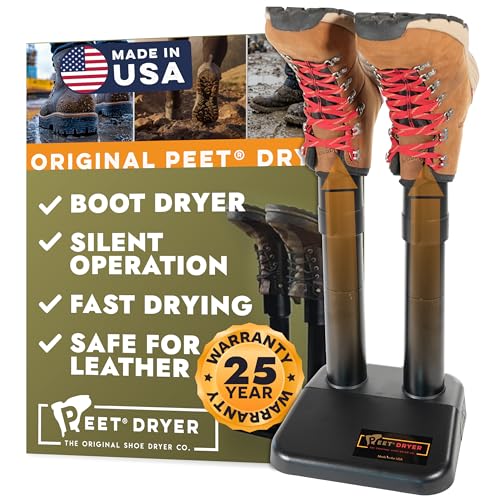
- SILENT, ALWAYS-ON DRYING: The Original PEET uses a patented DryPort system…
- DRIES MOST FOOTWEAR OVERNIGHT: Safe, gentle airflow reaches the inside of…
- EXPAND YOUR DRYING SYSTEM: Compatible with PEET Helmet DryPort, Glove…
Knife Pivot Lube – Best for Rust Prevention
This specialized blade oil creates a long-lasting protective film on stainless steel. A single light coat before storage shields against humidity and oxidation. It’s easy to apply and wipe off before your next skate, leaving blades pristine.

- 💧 KEEP YOUR EXPENSIVE KNIVES SMOOTH AND CLEAN: Our professional honing…
- ⚔️ MAINTAIN YOUR SWORD/KNIFE LIKE A PRO: Tsubaki oil is a universal…
- 🍽️ 100% FOOD SAFE OIL: Our knife cleaner oil contains high-pressure…
Houndsbay Cedar Boot Trees – Best for Shape Retention
These cedar boot shapers absorb moisture and odors while maintaining the boot’s original shape. Cedar is a natural desiccant. They prevent ankle collapse and creasing, ensuring your skates feel like new when you take them out of storage.

- American Grown Premium Cedar – Our top quality premium boot shaper inserts…
- FRONT and BACK Engravings – These markings help you see which part of the…
- Adjustable Width Perfect Fit – Rotate one side counter-clockwise to widen…
Conclusion: Protecting Your Investment with Proper Skate Storage
Following this guide ensures your figure skates remain clean, dry, and mold-free all off-season. Consistent care prevents costly damage to both boots and blades. This protects your financial investment and performance.
The key takeaway is simple: never store damp skates. Complete drying and a stable storage environment are non-negotiable. Implement the seasonal checklist to stay proactive.
Start your off-season routine today. Gather your cleaning supplies and choose a proper storage location in your home. Your future self will thank you when you pull out pristine, ready-to-skate equipment.
With these proven methods, you can confidently store your skates, knowing they will be in championship condition for your return to the ice.
Frequently Asked Questions about Off-Season Skate Storage
What is the best way to dry figure skates before storing them?
Remove the laces and insoles first. Stuff the boots tightly with crumpled newspaper or boot shapers to absorb internal moisture. Let them air dry at room temperature for 48-72 hours, away from direct heat sources. Never use a hairdryer or heater, as this can damage materials.
Replace the newspaper every few hours until it comes out completely dry. Ensure the blade is also thoroughly wiped and dried. Complete drying is the single most important step to prevent mold and rust during long-term storage.
How often should I check on my skates during the off-season?
Perform a quick mid-storage check about 2-3 months into the off-season. This is a simple visual and smell inspection. Open the storage bag and verify there are no musty odors or signs of moisture or pests.
This check allows you to reactivate silica gel packs if needed and confirm your storage environment remains stable. A brief, proactive check can prevent small issues from becoming major problems over several months of neglect.
Can I store my figure skates in their original box?
You can use the original box only if you modify it for airflow. Cardboard absorbs moisture, which can transfer to your skates. Punch several small air holes in the box to allow ventilation and prevent a humid micro-environment.
A breathable fabric skate bag is generally a superior choice for long-term storage. If using the box, ensure the skates are 100% dry first and consider adding desiccant packs inside to control humidity.
What should I do if I find mold on my skate boots?
Take the skates outside immediately. Brush off loose mold with a dry brush. Gently clean affected areas with a 50/50 white vinegar and water solution using a cloth. Vinegar kills mold spores naturally without harsh chemicals.
After treating, dry the boots completely with newspaper stuffing, ideally in sunlight. Sunlight’s UV rays help disinfect. For severe mold or damage to the boot’s structure, consult a professional skate repair shop for assessment.
Is it necessary to oil the blades before off-season storage?
Yes, applying a light coat of blade oil is a critical rust-prevention step. After cleaning and thoroughly drying the blades, use a dedicated blade oil or rust inhibitor. Apply a thin, even film over all steel surfaces, including the stanchions and toe picks.
This oil creates a protective barrier against atmospheric humidity. Remember to wipe off the oil with a clean cloth before your next skating session. Never store blades with hard plastic soakers on, as they trap moisture.
How do I prevent my leather skates from cracking during storage?
Condition the leather before storage. After cleaning, apply a quality leather conditioner with a soft cloth, focusing on high-flex areas like the ankle. This replenishes natural oils lost during the season and maintains flexibility.
Store the conditioned boots in a climate-controlled area with stable humidity. Avoid extreme dryness, which causes leather to become brittle. Using boot shapers also helps maintain the shape and prevents deep creases that can lead to cracks.
What’s the difference between soft guards and soakers for storage?
Soft guards are absorbent terrycloth covers meant for storage and transport. They wick away moisture. Soakers are hard plastic guards designed only for short-term walk-on protection from the locker room to the ice.
For off-season storage, always use dry soft guards. Hard plastic soakers trap moisture against the blade, guaranteeing rust. Store your soakers separately from your skates during the off-season.
Can I use silica gel packets for long-term skate storage?
Yes, silica gel packets are excellent for controlling humidity in enclosed storage spaces. Place several packets inside the breathable bag with your skates. They actively absorb ambient moisture, creating a drier micro-environment.
Use reusable packets with color indicators. When the beads change color (often from blue to pink), reactivate them by heating in a microwave or oven as per instructions. This makes them a cost-effective, long-term solution.