Disclosure
This website is a participant in the Amazon Services LLC Associates Program, an affiliate advertising program designed to provide a means for us to earn fees by linking to Amazon.com and affiliated sites.
Every figure skater needs the right accessories to perform and protect their investment. Skates and costumes are crucial, but the supporting gear makes all the difference. This complete guide reveals the seven non-negotiable items for safety and success on the ice.
The proper accessories prevent damage, enhance training, and boost confidence. They solve common problems like blunt blades, wet boots, and uncomfortable breaks. Our expert tips will help you skate smarter and extend your equipment’s life.
Your Blades Are Dull and Damaged After Every Session
Sharp, pristine blades are the foundation of great skating. Without protection, they face constant threats. Walking on concrete, rink floor debris, and improper storage quickly cause nicks, rust, and dull edges.
This damage ruins your glide, stops, and jumps. It forces frequent, expensive sharpening and can permanently compromise your blades. Protecting this investment is non-negotiable for performance and safety.
Quick Fix: Essential Blade Guards
The immediate solution is a simple pair of hard skate guards. Use them every time you step off the ice. They create a protective barrier between your sharp edges and abrasive surfaces.
For a reliable, affordable option, consider the Riedell 213 Terrycloth Blade Soakers. They are a staple for skaters of all levels.
- Durable ABS plastic construction withstands daily wear.
- Universal fit design works with most figure and hockey skates.
- Ventilated sides allow airflow to reduce moisture buildup.

- These terry cloth blade covers used to protect your blades while stored in…
- Sold by the pair.
- Large fits 6 and above.
Check current price on Amazon →
When Guards Alone Aren’t Enough
Hard guards protect off the ice, but moisture is the silent enemy. Wet blades left in soakers or soft guards will rust overnight. A complete blade care routine is essential.
Always dry blades thoroughly with a towel after skating. Then, use absorbent terrycloth soakers to wick away remaining moisture during storage. For long-term health, your blades need proper sharpening and care from a qualified technician.
Ultimately, blade care starts with quality equipment. If you’re investing in new skates, prioritize models with premium stainless steel blades for durability. Explore our detailed reviews of top-performing models like the Lake Placid Cascade or find the perfect pair in our guide to the most comfortable ice skates.
Essential Figure Skating Accessories for Blade Care and Protection
Your skate blades are your most critical equipment. Protecting them from damage and moisture is the first rule of smart skating. This category includes non-negotiable items that preserve your edges and investment between sharpenings.
Neglecting these accessories leads to rust, dullness, and costly repairs. A simple routine with the right gear extends blade life dramatically. Let’s break down the three essential protection accessories.
1. Hard Skate Guards for Off-Ice Walking
Hard guards are mandatory for any steps taken off the ice. They shield the sharp edges from concrete, rubber flooring, and debris. Never walk in your skates without them.
Key features to look for:
- Durable Material: Look for tough ABS plastic that won’t crack under pressure.
- Secure Fit: They should snap on snugly without being difficult to remove.
- Ventilation: Small air holes help prevent condensation buildup on the blade.
2. Soft Blade Covers (Soakers) for Storage
After skating, your blades are wet. Putting them directly into hard guards traps moisture, causing rust. This is where soft terrycloth soakers become essential.
Soakers absorb residual moisture and allow the blade to dry completely. They also provide a soft layer of protection during transport in your bag.
Pro Tip: Always wipe your blades dry with a towel first, then immediately put on soakers. Never store skates in hard guards.
3. A Quality Skate Bag for Transport
A dedicated skate bag organizes your gear and protects your blades from knocking against each other. Look for a bag with separate compartments.
An ideal figure skating bag should have:
- A ventilated, waterproof compartment for wet skates.
- Pockets for guards, soakers, and other small accessories.
- Enough space for off-ice shoes, a water bottle, and training gear.
Must-Have Training Aids and On-Ice Accessories
Beyond basic protection, specific tools can accelerate your skill development. These training accessories provide feedback, improve technique, and build confidence. They are invaluable for both beginners mastering basics and advanced skaters refining complex elements.
Investing in the right aids makes practice sessions more productive and safe. They help bridge the gap between instruction and muscle memory. Here are the key tools for effective on-ice training.
1. A Reliable Skate Towel for Safety
This is one of the simplest yet most critical accessories. A dedicated towel stays by the boards during your session. Use it to quickly wipe moisture off your blades.
Why is this so important? Water spots on the ice from your blades create slippery hazards for you and others. A dry blade also provides better grip for pushes and landings.
Pro Tip: Use a brightly colored, highly absorbent microfiber towel. It’s easy to spot on the boards and dries quickly.
2. Training Harness for Jump Confidence
A training harness is a game-changer for learning jumps safely. It allows a coach to provide physical support and stability during rotation. This builds confidence and proper air position without fear of hard falls.
While primarily a tool for coaches, skaters and parents should understand its purpose. It’s essential for mastering:
- Axel and double jumps: Reduces fear and allows focus on technique.
- Consistent rotation: Helps develop muscle memory for the correct number of turns.
- Safe practice: Minimizes impact from under-rotations or falls.
3. Spinner or Revolution Board for Off-Ice Rotation
You can practice rotation mechanics anywhere with an off-ice spinner. This tool simulates the feeling of spinning on ice. It strengthens core muscles and improves balance for on-ice spins.
Benefits of regular off-ice spinner use include:
- Improved centering and balance for spins.
- Enhanced ankle strength and control.
- The ability to drill rotation technique without ice time.
Comfort and Performance Accessories for Figure Skaters
The final category focuses on personal comfort and fine-tuning performance. These items address common annoyances and minor fit issues. They can make the difference between a distracted practice and a focused, productive session.
Small investments here significantly improve your overall skating experience. They help you stay comfortable, secure, and ready to perform. Let’s explore the essential comfort and performance gear.
1. Gel Pads and Bunion Protectors
New or tightly fitted skates often cause pressure points and blisters. Gel pads are a simple solution to prevent painful friction. They cushion sensitive areas like the ankles, heels, and bunion joints.
These silicone or gel pads adhere directly to your foot or inside the skate. They are crucial for breaking in new boots or managing chronic hot spots. This allows you to skate longer without discomfort.
2. Extra Laces and a Lace Puller
Skate laces endure tremendous stress and can break at the worst time. Always keep an extra pair of high-quality laces in your bag. Match the length and type (waxed or non-waxed) to your current set.
A lace puller (or hook) is a small but mighty tool. It provides the leverage needed to achieve a truly tight, secure fit around the ankle and instep. This ensures optimal support and control.
3. Warm Boot Covers and Gloves
Staying warm is vital for muscle function and safety. Cold feet and hands hinder performance and increase injury risk. Insulated boot covers slip over your skates to retain heat during breaks or in cold rinks.
Pair these with thin, flexible skating gloves that allow for dexterity. Look for gloves that provide warmth without sacrificing your feel for the ice.
| Accessory | Primary Benefit | Best For |
|---|---|---|
| Gel Pads | Prevents blisters & relieves pressure | Skaters breaking in new boots or with sensitive feet |
| Extra Laces | Prevents session disruption due to breakage | Every skater as a mandatory backup |
| Boot Covers | Maintains foot warmth and flexibility | Skaters in cold rinks or during long competitions |
Maintenance Tools and Long-Term Skate Care Essentials
Proper maintenance extends the life of your expensive skates and preserves performance. This final category focuses on proactive care, not just reactive protection. These tools help you manage wear, diagnose issues, and keep your gear in competition-ready shape.
Regular maintenance prevents small problems from becoming major repairs. It also ensures your equipment supports you consistently. Here are the key tools for a skater’s maintenance kit.
1. Professional Sharpening and a Honing Stone
Regular sharpening by a qualified technician is non-negotiable. The frequency depends on your skill level and ice time. Never let your blades become completely dull, as this damages the steel.
Between sharpenings, a honing stone (or diamond stone) is invaluable. Use it to gently remove small burrs or nicks from the edges. This quick fix can restore grip and extend time between full sharpening.
Important: Always pull the stone along the blade, never side-to-side. Learn the proper technique from your coach or technician.
2. Screwdriver Set for Blade and Plate Adjustments
A small, precision screwdriver set is essential for blade security. Vibrations from skating can loosen the screws that attach the blade to the boot. Loose blades are a major safety hazard.
Check these screws weekly for tightness. Your set should include flat-head and Phillips-head drivers that fit your specific screws. Tighten them snugly, but avoid over-tightening, which can strip the threads.
3. Boot Dryers and Deodorizers
Moisture is the enemy of leather boots and causes unpleasant odors. A boot dryer circulates warm, dry air to evaporate sweat from the inside. This preserves the boot’s structure and prevents cracking.
Combine this with baking soda inserts or specialized skate deodorizers. A simple maintenance routine includes:
- Removing insoles after each session to air dry separately.
- Using a boot dryer for 1-2 hours.
- Placing deodorizers inside before storage.
How to Build Your Figure Skating Accessory Kit: A Step-by-Step Guide
Now that you know the essential items, it’s time to assemble your kit. Prioritizing your purchases is key, especially for beginners or those on a budget. This guide helps you build your collection logically and effectively.
Focus on protection first, then comfort, followed by training and maintenance tools. This order ensures your core equipment is safe while you develop your skills. Let’s create your personalized shopping plan.
Phase 1: The Non-Negotiable Starter Pack
These three items are required from day one. They protect your investment and are fundamental to safe skating practice. Do not step on the ice regularly without this basic set.
- Hard Skate Guards: For walking to and from the ice.
- Soft Blade Soakers: For drying blades after every session.
- Skate Towel: For wiping blades clean on the ice.
This trio addresses immediate blade care and rink safety. It is the absolute minimum for any serious skater.
Phase 2: The Comfort & Convenience Add-Ons
Once your blades are protected, focus on your personal comfort. These items solve common frustrations that can distract from training.
Add these accessories within your first few months:
- Gel Pads: Target specific pressure points as they arise.
- Extra Pair of Laces: Keep these in your bag as an emergency backup.
- Warm Gloves & Boot Covers: Essential for skating in cold environments.
Phase 3: Advanced Training and Maintenance
This phase is for committed skaters looking to optimize performance and longevity. These are investments that pay off over time.
Consider these tools as you advance:
- Off-Ice Spinner: For practicing rotations at home.
- Precision Screwdriver Set: For weekly blade security checks.
- Boot Dryer: A worthy investment to extend the life of expensive boots.
Common Figure Skating Accessory Mistakes to Avoid
Even with the right gear, improper use can cause damage or hinder performance. Knowing these common pitfalls helps you protect your investment fully. Avoid these mistakes to get the most value from your accessories.
These errors often stem from habits or a lack of specific knowledge. Correcting them is simple and will extend the life of both your skates and your accessories. Let’s review the critical missteps.
Using Hard Guards for Storage
This is the most frequent and damaging mistake. Hard guards are for walking only. They trap moisture against the blade, leading to rapid rust and corrosion.
Correct Protocol: After skating, wipe blades dry, then immediately apply soft soakers. Store your skates in a well-ventilated bag. Never leave them in hard guards overnight.
Neglecting Regular Screw Checks
The screws holding your blades to the boots will loosen over time. This happens due to vibration and impact from jumps and landings. Loose blades are unstable and dangerous.
Make it a weekly habit to check and gently tighten all blade screws. Use the correct size screwdriver to avoid stripping the heads. A secure blade is fundamental to safe skating.
Choosing the Wrong Accessory Materials
Not all accessories are created equal. Low-quality materials can fail or even damage your skates. Be selective with what touches your blades and boots.
Avoid these material mistakes:
- Non-Absorbent Soakers: Some cheap covers are decorative but don’t wick moisture. Use terrycloth or microfiber.
- Ill-Fitting Hard Guards: Guards that are too tight can scratch blades; loose ones fall off. Ensure a secure, snug fit.
- Abrasive Towels: Don’t use rough materials to wipe blades. Use a soft, dedicated skate towel.
Where to Buy Quality Figure Skating Accessories
Finding reliable gear is crucial for performance and durability. Not all retailers specialize in products designed for the demands of figure skating. Knowing where to shop saves time and ensures you get the right items.
Your purchasing options range from specialized pro shops to convenient online retailers. Each has distinct advantages depending on your needs and experience level. Let’s explore the best places to build your kit.
Specialized Figure Skating Pro Shops
This is the gold standard for purchasing advice and service. Staff at a dedicated pro shop are often experienced skaters or technicians. They provide expert fitting and personalized recommendations.
Benefits of shopping at a pro shop include:
- Expert Fitting: They ensure guards, soakers, and other items fit your specific skate model perfectly.
- Quality Assurance: They stock reputable brands known for durability in the skating community.
- Sharpening Services: They offer professional blade sharpening by certified technicians.
Major Online Retailers (Amazon, eBay)
Online marketplaces offer convenience, fast shipping, and competitive prices. They are excellent for replacing standard items like towels, laces, and basic guards.
When shopping online, be a savvy consumer. Always check product reviews from other skaters. Verify the seller’s ratings and return policy before purchasing.
Brand-Specific Websites and Specialty Online Stores
Many major skate brands (like Riedell, Jackson, Edea) sell accessories directly. Specialty online retailers focus solely on skating or dance gear. These sites often have the widest selection of niche items.
Consider these sources for:
- Brand-specific maintenance tools and replacement parts.
- High-end training aids like advanced spinners or off-ice harnesses.
- Unique or competition-specific items not found in general stores.
| Retailer Type | Best For | Consideration |
|---|---|---|
| Local Pro Shop | First-time purchases, fittings, expert advice | May have higher prices but offers invaluable service |
| Online Marketplace | Convenience, replacements, common items | Requires diligence in checking reviews and seller reputation |
| Specialty Online Store | Wide selection, niche products, brand-specific gear | Shipping costs and times; excellent for researched buyers |
Best Accessories for Figure Skaters – Detailed Comparison
Choosing the right model makes a difference in durability and performance. We’ve selected three top-rated accessories across essential categories. These products are consistently recommended by coaches and skaters for their reliability and value.
Riedell 213 Terrycloth Blade Soakers – Best Overall Protection
These are the industry-standard soft guards for a reason. Made from thick, absorbent terrycloth, they effectively wick moisture and prevent rust. Their durable construction and secure fit protect blades in your bag. Ideal for daily use by skaters at any level.
- These terry cloth blade covers used to protect your blades while stored in…
- Sold by the pair.
- Large fits 6 and above.
Kami-So Ice Skate Guards – Best Value Guards
This universal-fit guard offers exceptional durability at an affordable price. The tough ABS plastic withstands concrete and arena floors. Ventilated sides promote airflow to reduce condensation. A reliable, no-fuss choice for essential off-ice walking protection.
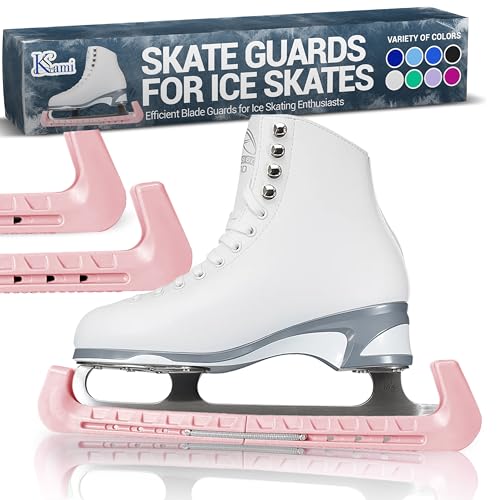
- PREMIUM BLADE COVERS WITH STYLE – Keep your ice skate blades protected…
- PROTECTIVE GEAR FOR ICE SKATERS – Each pack includes one pair of ice…
- DURABLE MATERIALS FOR MAXIMUM PROTECTION – Made from tough polypropylene…
Forlim Boot Dryer – Best Maintenance Investment
Extend the life of expensive boots with this specialized dryer. It uses gentle, forced air to evaporate sweat from the inside out. This prevents leather damage, cracking, and odors. The best option for committed skaters who train frequently.

- FORCED AIR HEAT: 200W warm airflow moves through dual ports to help dry…
- DEEP TOE REACH: Telescopic bendable ports extend into toe boxes and tall…
- 180° DRY RACK: Articulating ports rotate from flat to upright, fitting…
Conclusion: Elevate Your Skating with the Right Accessories
The right figure skating accessories protect your investment and boost your performance. They solve common problems like blade damage, discomfort, and poor maintenance. Building a complete kit is a strategic step for any serious skater.
Start with the essential blade care trio: hard guards, soakers, and a towel. Then, systematically add comfort and training aids as your skills progress. This approach ensures every purchase has a clear purpose.
Review the seven categories and begin assembling your own personalized gear bag today. Your future self will thank you for the saved money and enhanced confidence on the ice.
Skate smarter, not just harder, with the proper support.
Frequently Asked Questions about Figure Skating Accessories
What is the most important figure skating accessory for beginners?
Hard skate guards are the most critical first purchase. They protect your blades from immediate damage when walking off the ice. Without them, concrete and debris will quickly dull or nick your expensive edges.
Pair them with soft soakers for proper storage. This basic duo preserves your blade sharpness and prevents rust. It’s the essential foundation for all other gear.
How often should I replace my skate guards and soakers?
Replace hard guards when they show cracks, become loose, or the soles wear thin. Soakers should be replaced when they lose absorbency or develop holes. Inspect them monthly for signs of wear.
High-quality guards and soakers can last a full season or longer with proper care. Always have a backup pair of soakers on hand, as they are inexpensive but vital.
What is the best way to dry my figure skates after use?
First, wipe blades completely dry with a dedicated towel. Remove the insoles from your boots to air dry separately. Then, place soft terrycloth soakers on the blades to absorb residual moisture.
For thorough drying, use a specialized boot dryer that circulates air. Never store skates in a closed bag while damp, and avoid placing them near direct heat sources like radiators.
Are gel pads necessary for all figure skaters?
Gel pads are not mandatory for everyone but are highly recommended for skaters with pressure points. They are essential during the break-in period for new boots to prevent blisters. Many skaters use them on areas like the ankle bone or bunion.
If you experience consistent rubbing or hot spots, targeted gel pads can make skating much more comfortable. They are a simple, low-cost solution for a common problem.
How do I know if my blade screws need tightening?
Check your blade screws at least once a week. If you hear a slight rattling sound or feel unusual vibration, they are likely loose. Visually inspect them before each skating session.
Use a properly sized screwdriver to gently tighten each screw. Do not over-tighten, as this can strip the threads. Consistent maintenance prevents dangerous blade instability.
What is the difference between waxed and unwaxed skate laces?
Waxed laces are coated for increased durability and grip. They hold their tightness better, especially during intense jumping sessions, and are less likely to break. They are preferred by most advanced skaters.
Unwaxed laces are more flexible and easier to tie for beginners. They may require re-tightening more often. Your choice depends on your skill level and personal preference for lace feel.
Can I use a regular towel as a skate towel?
You can, but a dedicated microfiber skate towel is superior. It is highly absorbent, dries quickly, and is less likely to leave lint on your blades. A bright color makes it easy to spot on the rink boards.
The key is having a towel used exclusively for wiping blades clean. This prevents transferring rink dirt or grease from other surfaces onto your sharp edges.
When should a skater invest in an off-ice spinner?
An off-ice spinner is a valuable investment once you begin working on multi-rotation jumps or centered spins. It helps build muscle memory for rotation and improves ankle strength. It’s excellent for practicing technique without ice time.
Beginners focusing on basic edges and single jumps may not need one immediately. Consult your coach to determine the right time to incorporate this training tool into your routine.