Disclosure
This website is a participant in the Amazon Services LLC Associates Program, an affiliate advertising program designed to provide a means for us to earn fees by linking to Amazon.com and affiliated sites.
Finding the perfect figure skates for ice dancing is crucial for performance and safety. The right pair enhances glide, supports intricate footwork, and provides the flexibility needed for dance. This guide cuts through the confusion to highlight the top models.
We simplify your search by comparing key features like boot stiffness, blade rocker, and overall construction. You will learn what makes a skate ideal for the unique demands of ice dance routines. Our expert analysis saves you time and money.
The Common Struggle: Finding Skates That Balance Support and Flexibility
Many ice dancers face a frustrating dilemma. They need a boot stiff enough for jumps and secure ankle support. Yet, they also require the flexibility for deep edges, knee bends, and expressive movement.
Choosing the wrong stiffness can hinder performance or cause injury. Recreational skates are often too soft, while advanced freestyle boots are too rigid. This mismatch prevents dancers from achieving their full artistic potential on the ice.
Quick Fix: A Versatile Entry-Level Dance Skate
For beginners and intermediate dancers, a versatile boot designed for dance is the ideal solution. The Jackson Ultima Classic 200 is a fantastic starting point. It offers a balanced blend of support and flexibility specifically for ice dance fundamentals.
Check current price on Amazon →
- Dance-Specific Design: Features a slightly lower cut and optimized flex pattern for knee bends.
- Structured Support: Reinforced ankle and heel provide stability without excessive rigidity.
- Quality Blade: Comes with a reputable Aspire XP blade for solid edges and control.

- REFER TO SIZING CHART IN IMAGES.
- Reinforced vinyl coated uppers gives strength, support and durability…
- Padded felt tongues for comfort and support
For a deeper analysis, read our full Jackson Ultima Classic 200 & 500 review to see how it compares to higher models.
When a Quick Fix Isn’t Enough: The Path to Customization
As skills advance, a one-size-fits-all solution falls short. Serious dancers need to consider separate, specialized boots and blades. This allows for a truly personalized setup.
You might need a boot with a unique stiffness rating and a blade with a specific rocker profile. Navigating these choices is complex. Our comprehensive guide to choosing performance skates breaks down these technical factors.
For example, the Riedell Soar skates offer a great next-step in customizable performance. Exploring such options is key to mastering advanced ice dance techniques.
Top 5 Figure Skates for Ice Dancing: Detailed Reviews
Based on expert analysis and skater feedback, we present the top five ice dance skates. Each model excels for different skill levels and specific needs on the ice. Our reviews focus on performance, comfort, and value for dedicated dancers.
We evaluated boots, blades, construction quality, and overall suitability for dance. This curated list helps you compare the best options side-by-side. Find the perfect pair to elevate your ice dancing performance today.
1. Jackson Ultima Elle – Best Overall for Intermediate Dancers
The Jackson Ultima Elle strikes an ideal balance for serious intermediate dancers. It features a slightly lower-cut boot designed for the knee bends of dance. The Ultima Mark IV blade provides excellent control for turns and edges.
- Dance-Specific Boot: Optimized flex pattern and ankle contour for artistic movement.
- Superior Blade: Stainless steel Mark IV blade with a 7′ rocker for quick maneuvers.
- Durability: High-quality synthetic upper withstands rigorous practice schedules.

This skate is a proven workhorse for dancers progressing through their pattern tests.
2. Riedell Crystal Dance Skates – Best for Precision and Edge Control
The Riedell Crystal Dance Skates is a favorite for skaters who prioritize impeccable edge work. Its boot offers a snug, precise fit that translates movement directly to the blade. The Dance 133 blade has a specialized profile for swift changes of direction.
- Precision Fit: Leather construction molds to the foot for exceptional responsiveness.
- Signature Dance Blade: Designed in collaboration with champion ice dancers.
- Ankle Flexibility: Reinforced but not restrictive, allowing for deep extensions.
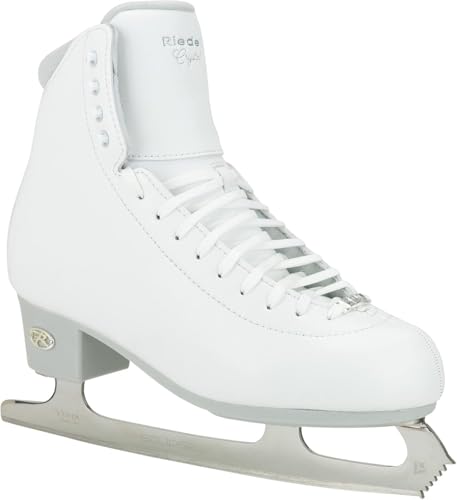
- PRECISION SUPPORT: The Riedell Crystal figure skates provide the ideal…
- ENHANCED COMFORT: Built for hours on the ice, these men and women’s ice…
- COMPETITION-READY PERFORMANCE: Designed with the stainless steel Eclipse…
3. Edea Chorus + MK Dance Blades – Best Advanced Combo
For the advancing competitor, this separate boot and blade combo is unmatched. The Edea Chorus boot uses innovative lightweight materials and a unique “walkable” design. Paired with dedicated MK Dance blades, it offers elite-level performance.

- Type of Skating: Mid Level for ICE FreeStyle
- Training Level: Double Jumps (Even a good option for lower level Skaters…
- Training Hours: 10 to 12 Plus Hours per week
| Component | Key Benefit |
|---|---|
| Edea Chorus Boot | Lightweight, thermo-moldable, promotes correct posture. |
| MK Dance Blades | Professional-grade stainless steel with perfect dance rocker. |
| Combined Performance | Unbeatable agility, power transfer, and artistic expression. |
4. Graf Tango II – Best for Traditional Feel & Warmth
Graf skates are renowned for their traditional leather craftsmanship and warmth. The Edmonton model provides a custom-like fit and superior moisture management. It’s an excellent choice for dancers who skate in colder rinks or value natural materials.
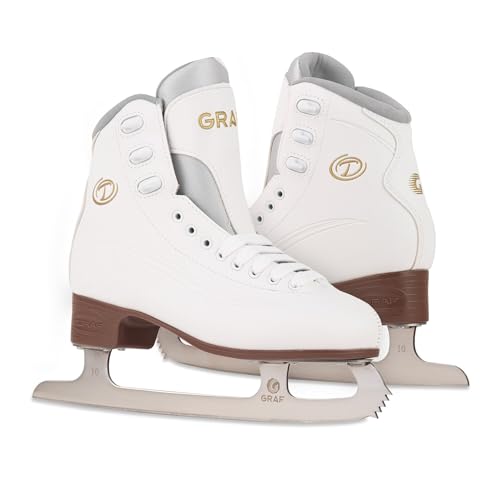
- Beginner-Friendly Figure Skate: Whether you’ve just started to skate for…
- Optimal Comfort Design: Starter skate featuring soft padding and padded…
- Flexible Construction: Small flex notch for enhanced flexibility combined…
5. Risport RF3 Pro + Pattern 99 Blades – Best for Competitive Edge
This is a top-tier setup for serious competitors. The Risport RF3 Pro boot offers strong support with targeted flexibility for dance. When mounted with the legendary Pattern 99 blades, it provides ultimate control and confidence.
- Competition-Ready Support: Handcrafted boot built for the demands of high-level dance.
- Iconic Blades: Pattern 99 blades are the gold standard for edge precision.
- Investment in Excellence: A premium choice for skaters aiming for national levels.
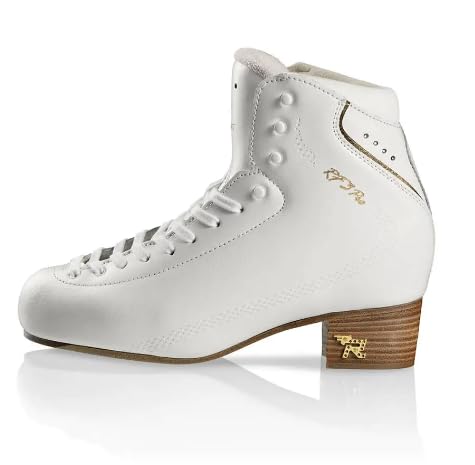
- L’Estel Skates – Risport – Risport RF3 Pro – Ice Figure Skating, Wheels and…
- Lightweight boots suitable for figure skating on ice and on wheels level…
- Strategically placed inner gussets to allow correct flexing. Anatomically…
What Makes a Great Ice Dance Skate: Key Features Explained
Understanding core skate features is essential for choosing the right pair. Ice dance skates differ significantly from freestyle or recreational models. They prioritize specific elements that enable fluid movement and precise control on the ice.
This section breaks down the anatomy of a performance ice dance skate. We will examine boot construction, blade technology, and overall fit. Knowing these details helps you make an informed, confident purchase.
Boot Flexibility and Ankle Support
The boot is the foundation of your performance. For ice dancing, it must offer a unique compromise. It needs enough stiffness for stability but superior flexibility for expressive movements.
- Flex Points: Quality dance boots have engineered flex points at the ankle and instep. This allows for the deep knee bends and extended lines crucial in dance routines.
- Ankle Cut: They often feature a slightly lower cut around the ankle bone. This design provides a greater range of motion without sacrificing all support.
- Stiffness Rating: Manufacturers use stiffness ratings (e.g., 30 for beginners, 70+ for advanced). Intermediate dancers typically thrive in boots rated between 45-60.
Blade Profile and Rocker Design
The blade is your direct connection to the ice. Its profile dictates your turning ability, glide, and stability. Dance blades are specialized for quick, multi-directional movement.
A key feature is the rocker, the curved bottom of the blade. Dance blades have a shorter, more pronounced rocker than freestyle blades. This allows for faster pivots and tighter turns.
| Blade Type | Rocker Profile | Best For |
|---|---|---|
| Freestyle Blade | Long, gentle rocker | Stable landings on jumps |
| Dance Blade | Short, sharp rocker | Quick turns & intricate footwork |
| Recreational Blade | Very long, flat rocker | Basic gliding and forward skating |
Importance of Proper Fit and Sizing
Even the best skate will fail if it doesn’t fit correctly. A proper fit ensures control, prevents injury, and maximizes comfort during long practice sessions. It is the most critical factor in your selection.
Your toes should gently brush the toe cap when standing straight. They should pull back slightly when you bend your knees into a dance position. Always prioritize the fit of the boot over the attached blade brand or aesthetics.
- Measure your foot in the afternoon when feet are slightly swollen.
- Wear the same thin socks you plan to skate in during fitting.
- Consider a professional fitting at a specialized skate shop for your first major purchase.
How to Choose Ice Dance Skates for Your Skill Level
Selecting skates based on your current ability prevents frustration and injury. The right progression supports skill development effectively. This guide matches skate features to beginner, intermediate, and advanced dancer needs.
Investing in overly advanced skates too soon can hinder your technique. Conversely, staying in beginner skates too long limits your progress. Let’s find your perfect match on the ice dancing journey.
Best Skates for Beginner Ice Dancers
New dancers need a forgiving skate that focuses on foundational skills. The priority is comfort, basic support, and learning proper blade control. Look for recreational or introductory dance models.
- Focus on Comfort & Fit: A well-fitting, comfortable boot encourages longer practice. Consider models with heat-moldable liners for a better fit.
- Moderate Support: Boots should prevent ankle roll but allow for easy knee bends. Avoid overly stiff, high-level boots.
- Starter Blades: Integrated or basic attached blades with a standard rocker are perfect. They provide stability as you learn edges and turns.
Our review of the Lake Placid Cascade skates highlights a great entry-point option for new skaters.
Intermediate to Advanced Skate Upgrades
As you master basic steps and patterns, your equipment must evolve. Intermediate skates offer more precise response and support for developing power and speed. This is where specialized dance boots and blades become essential.
You will notice a significant difference in performance. Upgraded blades offer better edge hold and quicker turns. More supportive boots provide the stability for stronger pushes and more dynamic movements.
- Assess Your Current Boot’s Limitations. Is it breaking down, or does it feel unresponsive?
- Consult a Pro Shop. Get measured again and discuss stiffness ratings and blade profiles.
- Consider Separate Boots & Blades. This allows you to mix and match for a perfect custom setup.
Navigating the Price vs. Performance Balance
Higher price typically reflects better materials, construction, and technology. However, the most expensive skate is not always the right one for your current stage. Smart spending means buying for your present needs with a slight eye toward the future.
| Investment Range | What to Expect | Ideal For |
|---|---|---|
| $150 – $300 | Recreational to beginner dance skates with basic blades. | First-time buyers & beginners. |
| $300 – $600 | Intermediate boots with better support and quality dance blades. | Serious dancers in pattern dances. |
| $600+ | Advanced custom-fitted boots and high-end professional blades. | Competitive dancers and professionals. |
Maintenance and Care for Your Ice Dance Skates
Proper maintenance extends the life of your skates and ensures peak performance. Dull blades or wet boots can sabotage your technique and safety on the ice. A simple, consistent care routine protects your investment.
This section covers essential daily and weekly maintenance tasks. Follow these steps to keep your blades sharp, your boots dry, and your skates ready for every session. Good habits make a dramatic difference in longevity.
Daily Blade Care and Drying Techniques
After every skating session, immediate care is non-negotiable. Moisture is the enemy of both blades and boots. A five-minute routine can prevent rust and damage.
- Wipe Blades Dry: Use a soft, absorbent towel to thoroughly dry both blades immediately after leaving the ice.
- Remove Boot Guards: Take off hard guards in the lobby. Trapped moisture accelerates rusting on sharp edges.
- Use Soft Soakers: Place absorbent terrycloth soakers over the blades for transport. These wick away residual moisture.
Never store skates in a closed bag while damp. Always let them air dry at room temperature.
When to Sharpen Your Skates
Sharp blades are crucial for control and safety. A dull blade will slip on edges and feel unstable. Learning to recognize the signs of dullness is a key skill.
- Loss of Grip: Your edges feel slippery, especially on pushes and turns.
- Visible Flat Spots: Look at the blade’s bottom. A sharp blade has a distinct hollow; a dull one appears flat.
- Performance Timeline: Most recreational dancers need sharpening every 20-30 hours. Competitive skaters may need it more frequently.
Always use a certified skate sharpener who understands dance blade profiles. An incorrect sharpen can ruin your blade’s performance.
Boot Protection and Long-Term Storage
Protecting the boot maintains its support and shape. Proper storage between seasons prevents leather from breaking down or synthetic materials from degrading.
| Task | Frequency | Action |
|---|---|---|
| Clean Exterior | Weekly | Wipe down with a damp cloth to remove rink dirt and salt. |
| Air Out Liners | After each use | Pull out liners or use boot dryers to prevent odor and bacteria. |
| Condition Leather | Seasonally | Apply a leather conditioner to prevent cracking (leather boots only). |
| Off-Season Storage | End of season | Clean thoroughly, apply blade oil, store in a breathable bag in a cool, dry place. |
Frequently Asked Questions About Ice Dance Skates
Choosing ice dance skates brings up common questions for skaters at all levels. Getting clear answers helps you make confident decisions and avoid costly mistakes. We’ve compiled expert answers to the most frequently asked questions.
This section addresses fit, differences between skate types, and investment timing. Use this information to finalize your choice and skate with greater assurance. Knowledge is power on your ice dancing journey.
What’s the Difference Between Dance and Freestyle Skates?
This is the most critical distinction for performance skaters. While they may look similar, their designs serve vastly different purposes on the ice.
- Boot Flexibility: Dance boots are cut lower and flex more easily at the ankle and instep. Freestyle boots are taller and significantly stiffer to support jump impact.
- Blade Rocker: Dance blades have a shorter, more pronounced rocker for swift pivots. Freestyle blades have a longer, flatter rocker for stable landings.
- Pick/Toe Rake: Dance blades have smaller, less aggressive picks to avoid catching during intricate footwork. Freestyle blades have larger picks for launching jumps.
How Should Ice Dance Skates Fit Compared to Street Shoes?
Skate fit is much more precise than street shoe fit. A proper fit feels snug and supportive, not necessarily “comfortable” in the casual sense.
- Size Down: Skate sizes are typically 1 to 1.5 sizes smaller than your regular street shoe size.
- Heel Lock: Your heel must be held firmly in place with no lift or slippage when you bend your knees.
- Toe Placement: Standing straight, toes should gently brush the end. In a knee-bent dance position, they should pull back slightly.
For more on achieving the perfect fit, see our guide on the best skates for warmth and comfort, which details fit and lining materials.
When Is the Right Time to Upgrade My Skates?
Upgrading at the right moment accelerates progress. Waiting too long can cement bad habits or lead to injury from broken-down equipment.
| Sign | What It Means | Action |
|---|---|---|
| Boot Breakdown | Ankle creases deeply, boot no longer provides support. | Immediate upgrade needed. |
| Skill Outpacing Equipment | You feel the skate is limiting your speed or edge precision. | Consider an intermediate model. |
| Coach Recommendation | Your instructor suggests your skates are holding you back. | Time to research new options. |
| Frequent Blade Sharpening | Blades lose their edge much faster due to advanced technique. | Consider higher-quality blades. |
Where to Buy Your Ice Dance Skates: Pro Tips
Where you purchase your skates is as important as which model you choose. The right retailer ensures proper fitting, expert advice, and reliable service. This guide helps you navigate the buying process for the best outcome.
You have several options, from specialized pro shops to online retailers. Each has distinct advantages and potential drawbacks for ice dancers. Making an informed choice saves time, money, and frustration.
Specialized Skate Shops vs. General Retailers
The level of expertise and service varies dramatically between these two options. Your choice should align with your experience level and the complexity of your needs.
| Retailer Type | Pros | Cons | Best For |
|---|---|---|---|
| Specialized Pro Shop | Expert fitters, wide brand selection, professional sharpening, boot modifications. | Higher prices, may require travel. | First-time buyers, serious dancers, anyone needing custom work. |
| General Sporting Goods Store | Convenient location, often lower prices. | Limited selection, untrained staff, no blade services. | Recreational skaters or known exact replacements. |
| Online Retailers | Broadest selection, competitive pricing, home delivery. | No professional fitting, return hassles, no initial sharpening. | Experienced skaters who know their exact make, model, and size. |
What to Expect During a Professional Fitting
A professional fitting is a comprehensive service, not just a shoe measurement. It is an educational process that ensures your skates perform as intended. Come prepared to spend 30-60 minutes.
- Foot Measurement & Analysis: The fitter will measure both feet in length and width, often using a Brannock device. They will assess your arch type and any unique foot characteristics.
- Boot Selection & Trying: Based on your skill and foot shape, they will bring out 2-3 recommended models. You will try them on with the appropriate thin socks.
- Evaluation in Stance: You will stand and simulate a skating posture (knees bent). The fitter checks for heel lock, width, and toe placement, often using a finger test behind your heel.
Understanding Return Policies and Warranties
Always check the fine print before purchasing, especially online. Skate return policies are often stricter than for regular shoes due to customization and wear.
- Unsharpened Returns: Most retailers only accept returns if the blades are completely unsharpened and unscratched.
- Restocking Fees: Online purchases may incur a 10-20% restocking fee for returned items.
- Manufacturer Warranty: This typically covers defects in materials or workmanship, not normal wear and tear or break-in issues. Keep your receipt.
Final Checklist Before You Buy Ice Dance Skates
Use this actionable checklist to ensure you’ve covered every critical detail. It consolidates key points from this guide into a simple pre-purchase review. Walking through these steps guarantees a confident and successful purchase.
Print or save this list for your shopping trip, whether online or in-store. It serves as your personal expert consultant, helping you avoid common pitfalls. A methodical approach leads to the perfect pair of skates.
- ✅ Skill Level & Budget are aligned.
- ✅ Fit is prioritized over brand or looks.
- ✅ Boot flexibility matches dance needs.
- ✅ Blade profile is designed for dance.
- ✅ Retailer offers expert service or a solid return policy.
Skill Level and Budget Alignment
First, honestly assess where you are in your skating journey. Match your financial investment to your current needs and commitment level. This prevents overspending on unnecessary features or underspending on critical support.
- Define Your “Why”: Are you skating recreationally, testing patterns, or competing? Your goal dictates the necessary performance level.
- Set a Realistic Budget: Include not just the skates, but also sharpening, guards, soakers, and potential fitting fees.
- Future-Proof Slightly: If you are progressing quickly, consider a skate that will last through your next skill milestone.
Fit and Feature Verification
Never compromise on fit. The most technologically advanced skate is useless if it doesn’t fit your foot correctly. Verify both the boot and the blade specifications.
- Heel Lock Test: Lace up snugly. Can you lift your heel inside the boot when your knee is bent? If yes, it’s too big.
- Width and Volume: Does the boot comfortably hug the widest part of your foot without pinching? Are there gaps or pressure points?
- Blade Confirmation: Ensure the model comes with a dance-specific blade (e.g., “Dance” in the name, shorter rocker). Don’t assume.
Retailer and Service Confirmation
Your relationship with the retailer matters, especially for your first major purchase. Confirm they can support you after the sale. This is part of the product’s value.
| Question to Ask | Why It’s Important |
|---|---|
| “Do you offer professional sharpening on-site?” | Ensures you can maintain your blades properly from day one. |
| “What is your return/exchange policy for skates?” | Protects you if the fit isn’t perfect after a brief trial. |
| “Can you heat-mold or punch out this boot if needed?” | Confirms they can perform minor customizations for comfort. |
| “Do you stock replacement laces, soakers, and guards?” | Indicates they are a full-service shop for future needs. |
Conclusion: Choosing Your Perfect Ice Dance Skates
Selecting the right figure skates for ice dancing transforms your performance and enjoyment. The ideal pair provides the perfect blend of flexibility, support, and precise blade control. This investment directly impacts your artistry and progression on the ice.
Remember to prioritize proper fit and skill-level alignment above all else. Use our final checklist to guide your purchase decision confidently. Your journey to more expressive and powerful ice dancing starts with the right equipment.
Ready to find your match? Revisit our top five reviews and begin your search at a reputable skate shop. Lace up your new skates and experience the difference expert-level equipment makes.
Frequently Asked Questions about Ice Dance Skates
What is the difference between ice dance and freestyle figure skates?
Ice dance skates prioritize flexibility for knee bends and have a shorter blade rocker for quick turns. Freestyle skates offer maximum ankle stiffness for jump landings and a longer rocker for stability. The toe picks are also smaller on dance blades to avoid catching during intricate footwork sequences.
How often should I sharpen my ice dance skates?
Most ice dancers need sharpening every 20-30 hours of skating. Frequency depends on ice conditions, skating intensity, and personal preference for edge sharpness. Signs you need a sharpen include slipping on edges and a visible flattening of the blade’s hollow.
Competitive skaters may sharpen more often. Always use a technician familiar with dance blade profiles to maintain proper performance characteristics.
Can I use recreational skates for ice dancing?
You can begin learning basic movements in recreational skates. However, they will significantly limit your progress in actual ice dance technique. Recreational boots lack the specific flex and support, and their blades are too flat for precise dance turns.
For dedicated practice, investing in proper dance skates is essential. They are designed to facilitate the correct posture and movements required for the discipline.
What is the best way to break in new ice dance skates?
Break in new skates gradually over several short sessions. Start by wearing them at home for 30-60 minutes to mold the liner. Then, use them for light edge work and basic stroking on the ice before attempting full dance patterns.
Avoid over-tightening the laces, which can cause pressure points. Heat molding by a professional can expedite the process for many modern boot models.
How tight should ice dance skates be laced?
Lace snugly for support, but not so tight that you cut off circulation or cannot bend your knees. The ankle area should be secure to prevent heel lift. The top hooks can often be slightly looser to allow for forward flex.
The fit should be firm, not painful. You should feel connected to the boot without numbness or pinching during knee bends.
Why do my feet hurt in new ice dance skates, and what can I do?
Some discomfort is normal during break-in, but sharp pain is not. Common causes are improper sizing, incorrect lacing, or pressure points from the boot’s structure. Ensure you have the correct width and size first.
For specific pressure points, a skate shop can “punch out” the boot in that area. Persistent pain indicates a poor fit and may require trying a different brand or model.
What are the best ice dance skates for wide feet?
Jackson and Riedell brands are renowned for offering multiple width options, including wide (W) and extra-wide (XW) fittings. The Jackson Ultima line and Riedell’s “D” width models are excellent starting points for dancers with wider feet.
Always try on skates in the correct width. Forcing a wide foot into a standard width boot will cause pain and impede performance.
Is it worth buying separate boots and blades for ice dancing?
For intermediate to advanced dancers, yes. This allows you to customize your setup perfectly—choosing a boot for your foot shape and a blade for your turning preference. It provides superior performance over pre-mounted packages.
Beginners are better served by a reliable pre-mounted pair. Consider separates when your skills outgrow the limitations of your current blade or boot.