Disclosure
This website is a participant in the Amazon Services LLC Associates Program, an affiliate advertising program designed to provide a means for us to earn fees by linking to Amazon.com and affiliated sites.
Finding the best figure skates for adult beginners is crucial for a safe and enjoyable return to the ice. The right pair provides essential support and comfort, preventing injury and building confidence. This guide cuts through the confusion to highlight proven options.
We simplify your search with expert insights and key feature comparisons. You’ll learn what makes a skate ideal for an adult relearning skills. Our top picks balance performance, support, and value perfectly.
The Common Struggle: Finding Support Without Sacrificing Comfort
Many adults returning to skating face a frustrating dilemma. Their feet have changed, and their bodies need more support than a recreational rental skate offers. However, stiff, high-level boots can be painfully unforgiving, leading to blisters and discouragement.
The solution lies in a specific category: beginner-to-intermediate skates designed for adult weight and foot shape. These models offer a crucial balance of structured support and padded comfort. They bridge the gap between flimsy rentals and overly aggressive professional boots perfectly.
For a deep dive into what features to prioritize, our comprehensive guide to the best figure skates for beginners is an essential read.
Quick Fix: A Reliable, All-Round Beginner Skate
If you need a trustworthy starting point, the Jackson Ultima Classic 200/500 series is a perennial favorite. It’s specifically engineered for the adult beginner’s foot and skill level.
Jackson Ultima Classic 200/500 Ice Skate
A superb entry-level boot and blade combo offering solid ankle support and a comfortable fit right out of the box. Ideal for mastering basic edges and footwork.
- Boot features a supportive vinyl upper with soft foam padding.
- Includes the reliable Mark I blade for good grip and control.
- Available in a wide range of sizes and widths for a better fit.

- REFER TO SIZING CHART IN IMAGES.
- Reinforced vinyl coated uppers gives strength, support and durability…
- Padded felt tongues for comfort and support
Check current price on Amazon →
You can explore a detailed analysis in our full Jackson Ultima Classic 200 & 500 review.
When a Quick Fix Isn’t Enough: Exploring Your Options
Every skater’s feet and goals are unique. You might need a softer boot for immediate comfort or a specific fit for wider feet. Relying on a single recommendation isn’t always the best path.
This is where thorough research pays off. Comparing different models within the beginner category ensures you find your perfect match. For alternatives, consider exploring our review of the highly comfortable Riedell Soar skates or our curated list of the best comfortable ice skates designed for longer sessions on the ice.
Top 3 Figure Skates for Adults Returning to Skating
Based on support, comfort, and value, these five models stand out for adult beginners. Each offers a unique balance of features to suit different foot shapes and skating goals. Our selections prioritize a smooth transition back onto the ice.
We evaluated boots for stiffness, blade quality, and overall construction. These skates are proven performers that help rebuild skills safely. Let’s explore the best options available for your comeback journey.
1. Jackson Ultima Mystique: Best Overall for Support & Value
The Jackson Mystique is a top-tier choice for its exceptional support-to-comfort ratio. It features a durable synthetic upper and a supportive ankle collar. The integrated Mark I blade provides excellent stability for relearning edges.
- Ideal For: Skaters seeking a structured, ready-to-skate boot that mimics higher-level performance.
- Key Benefit: Outstanding out-of-the-box support without an extreme break-in period.
- Consideration: May feel stiff initially for those prioritizing maximum immediate comfort.

- PLEASE USE SIZING GUIDE TO CHOOSE A PROPER SIZE (SEE THE SECOND PICTURE)
- Jackson Support Rating: Light Support – Level 15 (for Women’s skates…
- JS1490 for Women; JS1491 for Girls; JS1494 for Toddler (Girls); JS1592 for…
2. Riedell Soar: Best for Immediate Comfort & Easy Break-In
If comfort is your primary concern, the Riedell Soar excels. Its plush interior padding and moderate flex make it feel comfortable almost immediately. This skate is perfect for longer practice sessions focused on fundamentals.

- ULTRA DURABLE: These casual quad skates feature a soft padded lining that…
- COMFORTABLE FIT: These adjustable roller skates have an easy lace system…
- SMOOTH, LONG LASTING RIDE: Recreational roller skates women and men can…
Read our detailed analysis in the full Riedell Soar ice skates review for a complete breakdown of its features.
| Skate Model | Best For | Support Level | Comfort Focus |
|---|---|---|---|
| Jackson Ultima Mystique | Overall Support & Value | High | Structured Fit |
| Riedell Soar | Immediate Comfort | Medium | Plush Padding |
| Jackson Ultima Classic 200/500 | Classic Beginner Choice | Medium-High | Traditional Fit |
3. Edea Overture: Best for Precise Fit & Modern Design
Edea’s Overture uses innovative, heat-moldable materials for a customized fit. Its unique construction is lighter and promotes better knee bend than traditional boots. This is a fantastic option for skaters with narrower or hard-to-fit feet.
- Ideal For: Skaters wanting a lightweight, modern boot with a precise, customizable fit.
- Key Benefit: Heat-moldable for personalized comfort and superior energy transfer.
- Consideration: Requires professional fitting and molding, adding to the initial cost.
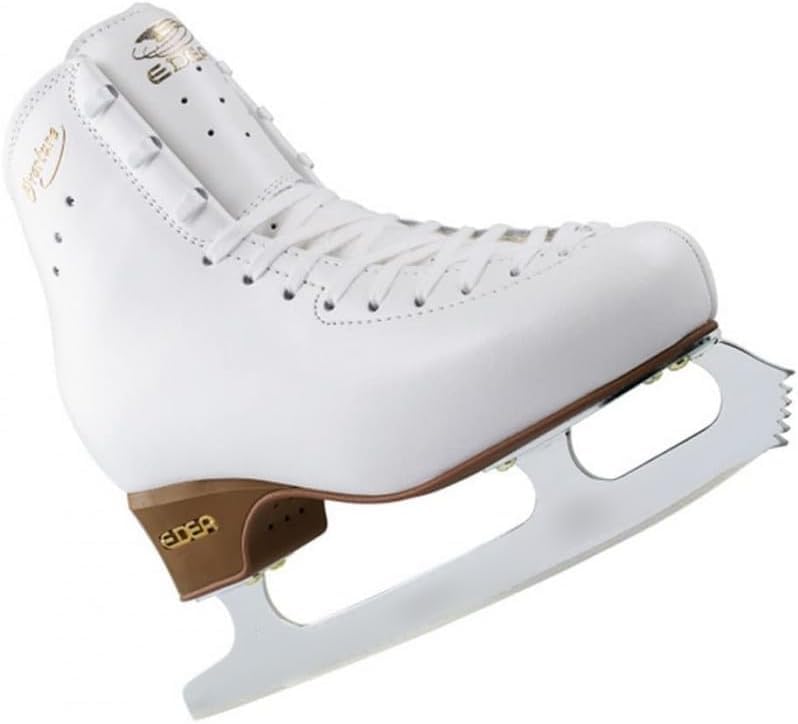
- L’Estel Skates – Edea – Edea Overture Boots+Grade 2 Blades – Ice Skating
How to Choose the Right Figure Skates for Adult Beginners
Selecting your first pair of adult figure skates involves more than just picking a popular brand. You must consider key technical features that directly impact your safety, comfort, and progress. This decision is critical for building confidence on the ice.
Focus on three core elements: boot stiffness, blade quality, and proper fit. These factors work together to provide the support and control you need. Getting them right transforms your skating experience from a struggle into pure enjoyment.
Boot Stiffness and Support Levels
Boot stiffness, measured by a numerical rating, determines how much ankle support the boot provides. A common mistake is choosing a boot that is too stiff or too soft for a beginner’s needs.
- Beginner/Recreational (Rating 10-25): These boots offer flexible support, perfect for learning basic edges and stroking. They are more forgiving and easier to break in, like the Jackson Ultima Softskate 380.
- Intermediate (Rating 30-50): Designed for skaters working on single jumps and spins. They provide a noticeable increase in support for more dynamic movements.
- Advanced/Professional (Rating 60+): Excessively stiff for beginners. They can restrict ankle mobility and cause pain, hindering fundamental skill development.
Decoding Blade Features: The Rocker and Toe Pick
The blade is your direct connection to the ice. Its profile, known as the rocker, and the toe pick design are vital for control.
A beginner-friendly blade has a flatter rocker. This creates more blade contact with the ice, enhancing stability. The toe picks should be smaller and less aggressive.
Large, pronounced toe picks are for multi-rotation jumps. For beginners, they are a tripping hazard. Look for a blade marketed as a “beginner” or “intermediate” pattern for safer, more controlled gliding.
| Blade Type | Rocker Profile | Toe Pick Size | Best For |
|---|---|---|---|
| Beginner/Recreational | Flatter, more stable | Small, less aggressive | Learning edges, stroking, basic turns |
| Intermediate | Moderate curve | Medium | Single jumps, spins, footwork sequences |
| Advanced/Professional | Pronounced curve | Large and sharp | Double/triple jumps, elite-level skating |
Essential Fit Guide for Adult Beginner Skates
A perfect fit is non-negotiable for performance and injury prevention. Ill-fitting skates cause blisters, pain, and poor blade control. This guide ensures you get the right size and width for your unique foot shape.
Remember, skate sizing differs from street shoe sizing. You will likely need a skate that is 1 to 1.5 sizes smaller than your regular shoe. Always measure your feet in the afternoon when they are slightly swollen for the most accurate fit.
The Step-by-Step Fitting Process
Follow this numbered process when trying on skates at a professional fitter or at home. Never assume your street shoe size is correct for skates.
- Measure Both Feet: Trace your feet on paper while standing. Use the larger foot’s measurement as your guide for sizing.
- Try with Thin Socks: Always wear the thin, moisture-wicking socks you plan to skate in. Thick socks create a false, tighter fit.
- Lace Up Fully: Lace the boots snugly from toe to ankle, ensuring your heel is locked firmly in the heel pocket without lifting.
- Assess the Fit: Stand in a skating stance (knees bent). Your toes should gently brush the front of the boot without being cramped or curled.
Common Fit Problems and Solutions
Even with careful sizing, you may encounter specific issues. Here’s how to diagnose and address them before hitting the ice.
- Heel Slippage: Your heel lifts when you bend your knees. This indicates the boot is too wide or long. Try a narrower width or a smaller size for a secure heel lock.
- Pressure Points/Pinching: Pain on the sides of your feet or ankles often means you need a wider fit. “Punching out” specific spots by a professional can also relieve pressure.
- Numb Toes: If your toes go numb, the skate is likely laced too tightly over the instep. Re-lace, keeping it snug at the ankle but slightly looser over the foot’s arch.
For more options designed for a comfortable fit, explore our list of the best women’s recreational ice skates, which prioritize comfort and proper support.
Maintenance and Care for Your New Figure Skates
Proper care extends the life of your skates and ensures consistent performance. Neglect leads to rust, dull blades, and broken-down boots. A simple routine protects your investment and keeps you skating safely.
Focus on three key areas: blade care, boot preservation, and proper storage. These habits take only minutes after each session. They make a dramatic difference in how your skates feel and perform over time.
Post-Skating Blade Care Routine
Moisture is the enemy of skate blades. Following this quick process after every use prevents rust and corrosion.
- Dry Thoroughly: Use a soft, absorbent towel to wipe down the entire blade, including the stanchions and screws. Remove all visible moisture.
- Use Blade Guards: Slide on soft, absorbent soakers (terry cloth guards) immediately. Never store blades in hard plastic guards, as they trap moisture and cause rust.
- Check for Nicks: Run a finger lightly along the edges to feel for burrs or nicks. These need professional sharpening to maintain proper grip.
Boot Preservation and Storage Tips
Your boots provide crucial support, so keeping them in good shape is vital. Avoid common mistakes that break down materials prematurely.
- Air Them Out: After skating, remove the soakers and let the boots air dry at room temperature. Never place them near a direct heat source like a radiator.
- Loosen the Laces: Always loosen the laces fully after use. This helps the boot retain its shape and prevents the tongue from becoming permanently compressed.
- Store Properly: Keep skates in a breathable bag or in open air. Store them upright to avoid deforming the ankle collar or blade alignment.
When to Consider an Upgrade
Even with great care, skates eventually wear out. Recognizing the signs prevents skating in unsafe equipment.
Upgrade when the boot no longer provides firm ankle support and your ankle begins to collapse inward. Visible deep creasing in the ankle area is a key indicator. Also, upgrade if you consistently feel the blade pulling or slipping despite recent sharpening.
For guidance on your next pair, revisit our best figure skates for beginners guide to assess evolving needs.
Essential Accessories for Adult Beginner Skaters
The right accessories enhance safety, comfort, and skate longevity. They address common beginner challenges like blisters, cold feet, and blade damage. Investing in a few key items significantly improves your on-ice experience.
These tools are just as important as the skates themselves. They help you focus on skill development instead of discomfort or equipment worries. Build your skating kit with these fundamental additions.
Must-Have Protective and Comfort Gear
Safety and comfort allow for longer, more productive practice sessions. Start with these essential items to protect yourself and your investment.
- Hard Skate Guards: Wear these when walking off the ice to protect blade edges from concrete and dirt. Never store skates in them, as they trap moisture.
- Soft Terry Cloth Soakers: These absorbent blade covers are for storage. They wick away moisture to prevent rust after drying your blades.
- Gel Pads or Bunga Pads: Prevent blisters and protect sensitive ankle bones. They are invaluable during the break-in period for new boots.
- Thin, Moisture-Wicking Socks: Avoid cotton socks, which retain sweat and cause blisters. Opt for technical skating or running socks.
Maintenance Tools for Home Care
A basic maintenance kit lets you handle minor upkeep between professional sharpenings. This keeps your blades in optimal condition.
Your kit should include a rubber blade guard remover, a soft polishing cloth, and a small handheld stone or gummy stone. Use the stone to gently remove small burrs or nicks from the blade’s edge.
Always store these tools in a dedicated pouch in your skate bag. Consistent minor maintenance prevents major edge damage and maintains consistent performance on the ice.
- Hard Skate Guards (for walking)
- Soft Soakers (for storage)
- Gel Ankle Sleeves
- Moisture-Wicking Socks
- Blade Maintenance Stone & Cloth
- Breathable Skate Bag
Choosing the Right Skate Bag
A good skate bag organizes your gear and protects your blades. Look for a bag with separate, ventilated compartments for skates and wet gear.
Additional pockets for guards, soakers, and small tools are highly useful. A bag with a waterproof bottom is also a practical feature for melted ice. Keeping your gear organized makes every trip to the rink smoother and more enjoyable.
For more gear insights tailored to different needs, explore our guide on the best ice skates for women, which includes accessory recommendations.
Final Checklist Before You Buy Your Skates
Use this actionable checklist to make a confident, informed purchase decision. It consolidates all critical factors from fit to features. This final review ensures you select the perfect skates for your return to the ice.
Go through each point carefully before completing your order or final fitting. Addressing these items prevents common buyer’s remorse and costly mistakes. Your goal is to find skates that feel like a natural extension of your feet.
Pre-Purchase Verification Steps
Complete these steps to narrow down your options and prepare for a successful fitting, whether online or in-store.
- Confirm Your Size & Width: Have your most recent foot measurements ready. Remember, skate size is typically 1-1.5 sizes down from your street shoe.
- Define Your Skill Level: Honestly assess your current ability. Are you a true beginner or returning with some basic skills? This dictates the ideal support level.
- Set a Realistic Budget: Include the cost of essential accessories (guards, soakers) and potential professional sharpening in your total budget.
- Research Retailers: Choose a reputable retailer or local pro shop known for expert fitting, especially for brands like Edea that may require heat molding.
In-Person Fitting Assessment Criteria
If trying on skates in person, use this moment to evaluate the fit and feel beyond just size.
- Heel Lock Test: With skates laced, stand on a flat surface and bend your knees. Your heel should remain firmly seated with zero lift or slippage.
- Toe Placement Check: Your longest toe should gently brush the front lining when standing straight. It may pull back slightly into a “pencil’s width” of space when in a knees-bent skating stance.
- Pressure Point Scan: Are there any immediate, painful pressure points on the ankle bones, instep, or little toe? Minor snugness is normal; sharp pain is not.
- Ankle Flex Test: Ensure you can achieve a proper knee bend without the boot’s tongue cutting off circulation or restricting forward flex excessively.
Post-Purchase Action Plan
Your responsibility begins once you own the skates. Plan for a proper break-in period to mold the boots to your feet gradually. Schedule your first professional sharpening if the blades come unsharpened from the factory.
Finally, pair your new skates with the essential accessories discussed earlier. Now you’re fully equipped for a successful and joyful return to figure skating.
Conclusion: Finding Your Perfect Figure Skates for a Confident Return
Choosing the right figure skates transforms your return to the ice from daunting to delightful. The ideal pair provides essential support, comfort, and control tailored to an adult beginner’s needs. This investment in proper equipment is an investment in your skating joy and safety.
Remember to prioritize fit and appropriate support level over brand name alone. Use our detailed checklist and top recommendations as your guide. Visit a professional fitter if possible to ensure the best match for your unique feet.
Now you’re equipped with the knowledge to make an informed choice. Lace up your new skates, step onto the ice, and rediscover the magic of gliding with confidence. Your skating journey awaits—enjoy every moment of your triumphant return.
Frequently Asked Questions about Figure Skates for Adult Beginners
What is the most important factor when choosing figure skates as an adult beginner?
The most critical factor is achieving a proper fit with adequate ankle support. Your skates must hold your heel securely and provide enough structure for your weight. A perfect fit prevents injury and gives you the confidence to learn proper technique.
Support level (stiffness rating) is equally vital. Beginners need boots that are flexible enough to allow a good knee bend but firm enough to prevent ankle roll. Prioritize fit and support over aesthetics or brand reputation for the best results.
How do I know if my figure skates fit correctly?
Correctly fitting skates provide a secure heel lock with toes lightly brushing the front. When you stand straight, your longest toe should just touch the lining. When you bend your knees into a skating stance, your heel stays down and your toes pull back slightly.
There should be no painful pressure points or pinching on the sides. Your foot should feel hugged, not crushed. Width is as important as length; many brands offer multiple width options to accommodate different foot shapes.
What is the difference between recreational and beginner figure skates?
Recreational skates are often designed for casual, occasional use and may prioritize comfort over precise technical support. True beginner figure skates are engineered for skill development, with features like a defined rocker and toe pick for learning edges and basic maneuvers.
Beginner models typically offer more structured support in the ankle to facilitate proper technique. They use better quality blades that can be professionally sharpened, whereas recreational skates often have non-sharpenable blades.
How long does it take to break in new figure skates?
The break-in period typically ranges from 5 to 15 hours of ice time. Modern synthetic boots may require less time than traditional leather. The process involves the materials softening and molding to the unique contours of your feet and ankles.
Wear your skates at home with guards on for short periods to accelerate the process. Some discomfort is normal, but sharp pain or numbness indicates a potential fit issue that should be addressed, not just “broken through.”
Can I buy figure skates online, or should I get fitted in person?
For your first pair, an in-person professional fitting is highly recommended. A trained fitter can assess your foot shape, measure accurately, and make width adjustments. They ensure you select the correct support level and model for your goals.
If buying online is necessary, use a retailer with an excellent return policy. Have your precise foot measurements taken professionally and consult the brand’s specific sizing chart, as sizing varies significantly between manufacturers.
What maintenance is required for beginner figure skates?
Essential maintenance includes drying blades thoroughly after each use and storing them in soft terry cloth soakers. Never store blades in hard plastic guards, as this traps moisture and causes rust. Keep boots at room temperature to dry out sweat.
Blades need professional sharpening every 20-40 hours of ice time. Inspect edges regularly for nicks. Basic care dramatically extends the life of your skates and ensures consistent, safe performance on the ice.
When should I consider upgrading my beginner figure skates?
Upgrade when the boot no longer provides sufficient support, indicated by excessive ankle flexion or deep, permanent creasing. If you’re consistently working on single jumps and your ankle feels unstable, it’s likely time for a stiffer boot.
Another sign is advancing skill level. If you’re progressing to more complex footwork and spins, a boot with a better blade and more responsive support will help you improve safely and effectively.
Are used figure skates a good option for adult beginners?
Used skates can be a cost-effective option but come with risks. The boot may be already broken into another skater’s foot shape, which can cause discomfort and improper support for you. The blades may be worn down or have uneven sharpening.
If considering used skates, inspect them for broken-down ankle support, deep permanent creases, and significant blade wear. It’s often safer to invest in new, properly fitted beginner skates to ensure optimal support and a clean start.