Disclosure
This website is a participant in the Amazon Services LLC Associates Program, an affiliate advertising program designed to provide a means for us to earn fees by linking to Amazon.com and affiliated sites.
Figure skates are specialized ice skates designed for artistic performance, jumps, and spins. They are fundamentally different from hockey or recreational skates in their blade, boot, and overall construction. This unique design enables the precision and artistry seen in the sport of figure skating.
Understanding these differences is crucial for choosing the right skate for your needs, whether you’re a beginner or an aspiring athlete. The wrong skate can hinder performance and even lead to injury. This guide will help you make an informed decision.
The Common Problem: Choosing the Wrong Skate Type
Many new skaters grab any pair of ice skates, not realizing the critical differences. Using hockey skates for spins or figure skates for aggressive stops creates a frustrating and unsafe experience. The wrong skate directly limits your ability to learn proper technique and enjoy your time on the ice.
This mismatch often leads to poor ankle support, incorrect balance, and a higher risk of falls. It’s the main reason beginners struggle with basic maneuvers. Identifying your primary skating goal is the first step toward finding the right tool for the job.
Quick Fix: Start with a Quality Beginner Figure Skate
For those interested in gliding, simple spins, or learning the fundamentals of figure skating, a dedicated beginner model is essential. These skates offer the right balance of support and flexibility without the advanced features of professional skates.
A great entry-point option is the Jackson Ultima Classic 200. It’s designed specifically for new skaters.
- Boot: Synthetic upper with a firm, supportive ankle for stability.
- Blade: Stainless steel with a standard rocker and toe pick for learning basics.
- Best For: First-time skaters and beginners in basic skills classes.

- REFER TO SIZING CHART IN IMAGES.
- Reinforced vinyl coated uppers gives strength, support and durability…
- Padded felt tongues for comfort and support
Check current price on Amazon →
When a Quick Fix Isn’t Enough: Finding Your Perfect Match
If you’re past the absolute beginner stage, your needs become more specific. You might need skates for outdoor use, advanced beginner jumps, or a perfect fit for wide feet. A single product recommendation can’t cover every unique situation.
This is where a detailed comprehensive guide to the best beginner figure skates becomes invaluable. It compares brands, support levels, and blade types to match your skill progression.
For further reading, explore our in-depth Jackson Ultima Classic series review or our guide on selecting the best skates for indoor and outdoor use to refine your choice based on where you’ll skate most.
Anatomy of a Figure Skate: Key Components Explained
Understanding figure skates starts with their unique anatomy. Each component is engineered for artistic performance and precise control. This design directly contrasts with the streamlined build of hockey or recreational skates.
The Boot: Support and Stiffness for Jumps
The figure skate boot is a high-top, rigid structure. It is typically made of leather or synthetic materials reinforced with stiffeners. Its primary job is to support the ankle and foot during high-impact landings from jumps.
- Ankle Support: High, stiff sides prevent ankle roll and provide stability for spins and landings.
- Heel: A pronounced, built-in heel shifts the skater’s weight forward onto the ball of the foot, aiding in toe pick use and proper posture.
- Lacing: Long laces and multiple hooks allow for a customized, secure fit from toe to top.
The Blade: Rocker, Toe Pick, and Hollow
The blade is the soul of the figure skate. It is permanently mounted to the boot’s sole and features several specialized parts. These elements work together to enable intricate footwork and maneuvers.
- Toe Pick: The serrated teeth at the front used for take-offs in jumps and certain footwork elements. This is absent on hockey skates.
- Rocker: The curved profile of the blade from toe to heel. It allows for smooth turns, spins, and changes of edge by rocking forward and backward.
- Hollow: The U-shaped groove ground into the blade’s bottom creates two distinct edges (inside and outside) for carving into the ice with control.
How Figure Skate Blades Differ from Hockey Blades
A direct comparison highlights the functional differences. Hockey blades are built for speed, quick stops, and agility. Figure blades are built for stability, precision, and artistry.
| Feature | Figure Skate Blade | Hockey Skate Blade |
|---|---|---|
| Toe | Serrated toe picks | Rounded, no picks |
| Length | Extends slightly past heel | Stops at heel (no tail) |
| Profile | Pronounced rocker for turns | Flatter rocker for stability |
| Primary Use | Jumps, spins, edges | Speed, stops, puck handling |
Figure Skates vs. Hockey Skates: A Detailed Comparison
Choosing between figure skates and hockey skates depends entirely on your skating goals. They are specialized tools for different disciplines on the ice. This side-by-side breakdown will help you understand their core distinctions.
Design and Construction Differences
The physical build of each skate type reveals its purpose. Figure skates prioritize vertical support and precise foot placement. Hockey skates prioritize forward flexion, speed, and lateral agility.
- Boot Height & Cut: Figure skates have a high, stiff boot covering the ankle. Hockey skates are lower-cut in the back to allow deep knee bends and forward lean.
- Boot Material: Figure skate boots are heavily reinforced with stiffening materials. Hockey skate boots are lighter and more flexible to facilitate rapid movement.
- Blade Attachment: Figure skate blades are permanently mounted. Many hockey blades are removable and interchangeable for sharpening or replacement.
Performance and Use Case Scenarios
Each skate excels in its intended environment. Using one for the other’s primary activity will feel awkward and limit your performance. Match the skate to the sport.
Key Differences at a Glance
| Aspect | Figure Skates | Hockey Skates |
|---|---|---|
| Primary Goal | Artistry, Precision, Control | Speed, Agility, Power |
| Blade Feature | Toe picks for jumps | No toe picks; rounded toe |
| Stopping Method | Snowplow or T-stop | Hockey stop (sharp lateral slide) |
| Balance Point | More centered on the blade | Forward-leaning for acceleration |
| Best For Beginners? | Yes, offers more ankle stability | Can be trickier to balance in initially |
How to Choose the Right Figure Skates for Your Level
Selecting figure skates is not one-size-fits-all. The correct pair matches your current skill level and aspirations. Skates that are too advanced or too basic can hinder progress and cause discomfort.
Skate Stiffness and Support Levels
Boot stiffness is rated on a numerical scale, but brands vary. A higher number indicates a stiffer boot designed for harder jumps and more advanced skills. Beginners need flexibility to build ankle strength.
- Beginner (Stiffness 10-25): Softer boots allow for proper knee bend and ankle flexion. Ideal for learning basic edges, crossovers, and one-foot glides.
- Intermediate (Stiffness 30-60): Moderate support for single jumps like salchows and toe loops. Provides stability for landing without being overly restrictive.
- Advanced/Elite (Stiffness 70+): Maximum stiffness for multi-rotation jumps (doubles, triples). These boots are very rigid and require significant breaking in.
A Step-by-Step Guide to Your First Pair
Follow this process to make an informed purchase. Rushing this decision often leads to buying the wrong skates. Focus on fit, support, and realistic assessment of your level.
- Get Professionally Measured: Visit a specialized skate shop. Your skate size is typically 1-1.5 sizes smaller than your street shoe size for a snug, performance fit.
- Assess Your True Skill Level: Be honest. Are you a first-timer, or can you execute basic jumps? Choose a boot rated for your current abilities, not your future goals.
- Prioritize Fit Over Brand: Different brands have different foot shapes (e.g., narrow, wide, deep). The boot should hug your heel snugly with no pinching in the forefoot.
Common Mistakes to Avoid When Buying
Steer clear of these pitfalls to ensure a better skating experience. These errors are common among new skaters and can set back your progress.
- Buying for Growth: Never buy skates that are too big “to grow into.” This causes blisters, poor control, and bad technique.
- Choosing by Looks Alone: A flashy design doesn’t equal proper support. Function must always come before fashion in skate selection.
- Neglecting Blade Quality: Beginner skates often come with entry-level blades. As you advance, upgrading your blades can improve performance more than a new boot.
Maintenance and Care for Figure Skates
Proper maintenance extends the life of your skates and ensures peak performance. Neglect can lead to rust, dull blades, and boot breakdown. A simple, consistent care routine is essential for all skaters.
Essential Blade Care and Sharpening
Your blades are precision instruments that require regular attention. Dull or rusty blades make skating difficult and unsafe. Follow these steps after every use.
- Dry Thoroughly: Immediately after skating, wipe the entire blade dry with a soft, absorbent cloth. This prevents rust from forming.
- Use Blade Guards: Only use hard soakers (soft cloth covers) for storage and transport. Never walk on hard guards, as this dulls the edges.
- Know When to Sharpen: Sharpen blades when they lose their “grip” on the ice or feel slippery. Most recreational skaters need sharpening every 20-40 hours of ice time.
Boot Maintenance and Drying Techniques
Boot care prevents odor, mold, and material degradation. Moisture from sweat and ice is your boot’s biggest enemy. Proper drying is non-negotiable.
- Remove Liners: If your skates have removable liners or footbeds, take them out after each session to air dry separately.
- Use a Boot Dryer: Invest in a specialized, low-heat boot dryer. It circulates air to dry the interior without damaging the leather or glue.
- Avoid Direct Heat: Never place skates near a radiator, heater, or in direct sunlight. Excessive heat warps the boot and breaks down materials.
Storage Solutions to Maximize Longevity
How you store your skates between uses is just as important as on-ice care. Poor storage can undo all your maintenance efforts.
| Do’s | Don’ts |
|---|---|
| Store in a cool, dry place | Leave in a hot car or damp bag |
| Use a breathable skate bag | Store in a sealed plastic bag |
| Keep blades in soft soakers | Store with hard guards on (traps moisture) |
| Periodically condition leather boots | Let salt or dirt build up on boots |
Advanced Considerations: From Recreational to Competitive
As your skills progress, your equipment needs evolve. Moving beyond beginner skates involves understanding more technical specifications. This knowledge ensures your gear supports your advancing technique.
Upgrading Blades vs. Buying New Skates
Advanced skaters often face this cost-benefit decision. A high-quality blade can transform your skating more than a new boot. However, there are clear rules for when to upgrade each component.
- Upgrade the Blade When: Your boot is still supportive, but you need more precision for advanced spins and jumps. A profile (rocker shape) and hollow (edge depth) tailored to your style make a huge difference.
- Buy New Skates When: The boot is broken down (ankles roll in), you’ve outgrown the stiffness level, or you need a different fit. A blade cannot compensate for a weak boot.
- Pro Tip: Many elite skaters purchase boots and blades separately, then have a technician mount them for a perfect, customized setup.
Blade Profiles and Radius of Hollow
These are the two most technical aspects of blade customization. They fine-tune how the blade interacts with the ice. Recreational skaters use stock settings, but competitors customize them.
Profile: The longitudinal curvature of the blade from toe to heel. A flatter profile is more stable for jumps; a more curved profile is more maneuverable for spins.
Radius of Hollow (ROH): The depth of the groove between the two edges. A deeper hollow (e.g., 1/2″) gives more grip; a shallower hollow (e.g., 1″) gives more glide and speed.
Equipment for Different Figure Skating Disciplines
Competitive figure skating has multiple disciplines, each with slight equipment variations. Your specialization may influence your ideal skate setup.
| Discipline | Boot & Blade Focus | Key Consideration |
|---|---|---|
| Singles | Maximum jump support, balanced for spins | Stiffest boots, blades with a standard rocker |
| Pairs | Extreme ankle support for lifts/throws | Reinforced boots, often heavier blades for stability |
| Ice Dance | Flexibility for deep edges, speed | Slightly shorter blade tail, less pronounced toe pick |
| Synchronized | Durability, uniformity with team | Often use a specific team-mandated model and ROH |
Consulting a professional coach and skate technician is crucial when making these advanced equipment decisions.
Top Figure Skate Brands and What They Offer
Several reputable brands dominate the figure skate market, each with distinct characteristics. Knowing brand specialties helps you narrow your search effectively. Your foot shape and skating style will determine the best brand for you.
Jackson Ultima: The Versatile Leader
Jackson is renowned for its wide range, catering from first-time skaters to Olympians. Their boots are known for a roomier toe box and excellent heel lock. This makes them a top choice for skaters with wider feet or those who need volume.
- Best For: Beginners, intermediate skaters, and those with a wider forefoot.
- Popular Series: The Classic line for beginners, the Freestyle series for single jumps, and the Elite line for advanced competitors.
- Blade Note: Jackson owns the Ultima blade brand, offering matched blade packages at every level.
Riedell: The Custom-Fit Specialist
Riedell emphasizes traditional craftsmanship and extensive customization options. They are famous for their precise, snug fit, particularly in the heel and ankle. Many professional skaters and coaches prefer Riedell for this reason.
- Best For: Skaters with narrow heels, those seeking a “custom-like” fit off the rack, and dancers.
- Popular Series: The Riedell Stride for recreational skaters, the Diamond series for serious competitors.
- Custom Options: They offer impressive semi-custom and full-custom boot programs for perfect fit and aesthetics.
Choosing a Brand Based on Your Needs
Your selection should be driven by fit first, then by your specific performance goals. A brand comparison can point you in the right direction before trying on.
| Brand | Typical Fit | Notable Strength | Ideal Skater Profile |
|---|---|---|---|
| Jackson | Wider forefoot, secure heel | Versatility & progression paths | Beginners, wide-footed skaters |
| Riedell | Narrow heel, snug overall | Precision fit & customization | Those with narrow feet, ice dancers |
| Edea | Wider toe box, unique flex | Extreme lightness & jump support | Advanced skaters focused on jumps |
| Risport | European fit, often narrower | Responsive feel & aesthetics | Skaters preferring a very direct connection |
Always try on multiple brands at a professional fitter. The right brand will feel like an extension of your foot, not a constraint.
Best Figure Skates for Different Skill Levels – Detailed Comparison
Jackson Ultima Classic 200 – Best for First-Time Beginners
This is the quintessential entry-level figure skate. It features a synthetic leather boot with adequate ankle support and the reliable Ultima Mark I blade. It provides the essential toe pick and rocker for learning basics without overwhelming a new skater. Ideal for introductory Learn-to-Skate classes.
- REFER TO SIZING CHART IN IMAGES.
- Reinforced vinyl coated uppers gives strength, support and durability…
- Padded felt tongues for comfort and support
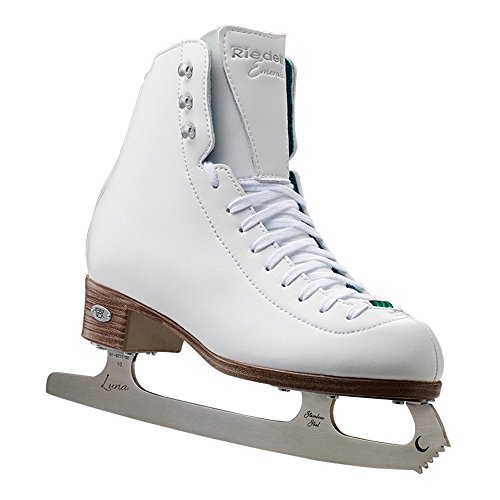
Riedell Stride 119 – Best for Recreational & Adult Beginners
Designed for comfort and casual skating, the Stride 119 offers a softer, more flexible boot that requires minimal break-in. It pairs with a durable stainless steel blade perfect for public sessions. This model is an excellent choice for adults who want stability and comfort for weekend skating.
Jackson Ultima Freestyle 180 – Best for Advancing Beginners
When you’re ready for waltz jumps and spins, the Freestyle 180 is the perfect step up. It offers increased boot stiffness for landing impact and the upgraded Ultima Mark II blade with a parabolic hollow for better edge control. This skate supports skaters moving into single jumps.
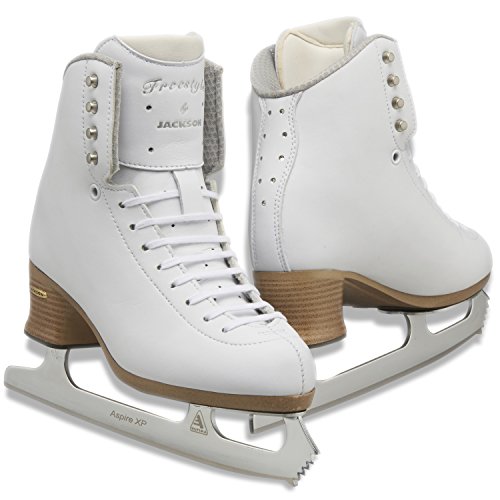
- Durable and lightweight Microfiber upper has remarkable flexibility…
- Rolled lining eliminates pressure and irritation on tendons above ankles…
- Specially re-designed covered tongue with soft top-line eliminates shin…
Conclusion: Mastering Your Choice of Figure Skates
Understanding the unique design of figure skates empowers you to make the right choice. Their specialized boot and blade are engineered for artistry, precision, and controlled movement on ice. This differs fundamentally from hockey or recreational skates built for speed.
The key takeaway is to match the skate to your primary activity and current skill level. A proper fit from a reputable brand ensures safety, comfort, and progress. Invest time in selecting and maintaining your equipment.
Ready to find your perfect pair? Use the insights and comparisons in this guide to confidently shop for your next—or first—set of figure skates. Your journey to confident, graceful skating starts with the right foundation.
Frequently Asked Questions about Figure Skates
What is the main purpose of the toe pick on figure skates?
The toe pick’s primary function is to assist with take-offs for jumps. It provides a platform for the skater to dig into the ice and propel themselves upward. It is also used for certain footwork elements like toe steps and as a pivot point.
Beginners should be aware it can catch the ice if you shuffle your feet. Learning to glide smoothly minimizes this tripping hazard. It is not designed for stopping, unlike a hockey blade’s edges.
How do I know if my figure skates fit properly?
A proper fit feels snug but not painfully tight, with your heel locked firmly in place. Your toes should just brush the front of the boot when standing straight, but not curl. There should be no significant side-to-side movement of the foot.
Always try on skates with the thin socks you’ll wear for skating. Your street shoe size is not your skate size; expect to size down 1-1.5 sizes. A professional fitting at a specialty shop is highly recommended.
Can you use figure skates for outdoor skating?
Yes, but with important caveats. Outdoor ice is rougher and contains debris that can damage blades. It’s best to use an older pair or specific recreational models designed for both surfaces.
Always dry and clean your blades meticulously after outdoor use to prevent rust. Outdoor skating will also dull your blades much faster, requiring more frequent sharpening.
What is the best way to break in new figure skates?
Break in new skates gradually over several short sessions. Wear them at home for 15-30 minutes at a time to start molding the boot to your foot. Never try to break them in with a long, intense skating session immediately.
The boot should soften and flex where your ankle bends. Use proper skating socks and ensure your laces are tight. The break-in process for stiff, advanced boots can take many hours on the ice.
Why are my ankles hurting in my new figure skates?
Ankle pain is common with new, stiff boots or improperly fitted skates. The muscles in your ankles are working harder to stabilize in the unfamiliar, rigid support. This is often normal during the break-in period.
If pain is sharp or persistent, the skates may be the wrong size or lack proper arch support. Consider consulting a fitter for aftermarket insoles or a fit assessment. Lacing techniques can also affect pressure points.
How often should figure skate blades be sharpened?
Sharpening frequency depends on use. Recreational skaters may need sharpening every 20-40 hours of ice time. Competitive skaters might sharpen blades weekly. The key sign is a loss of grip or a feeling of slipping on edges.
Walking on hard surfaces or hitting rink boards will dull blades instantly. Store blades in soft soakers, not hard guards, to protect the edges between sharpenings.
What is the difference between recreational and professional figure skates?
Recreational skates prioritize comfort, warmth, and basic support for casual skating. They often have softer boots, thermal lining, and less advanced blades. Professional skates are performance tools with stiff boots for jumps, high-grade steel blades, and minimal padding for precise feel.
Beginners should start with recreational or beginner-specific models. Moving to professional skates too early can hinder skill development due to excessive stiffness and require advanced technique to control.
Are used figure skates a good option for beginners?
Used skates can be a cost-effective option, but caution is needed. Inspect the boot for broken-down ankle support (where it collapses inward). Check the blade for significant rust, deep nicks, or excessive wear.
The most critical factor is fit. A used skate molded to someone else’s foot may never fit you correctly. For a first pair, professionally fitted new beginner skates are often the best investment for comfort and safety.