Disclosure
This website is a participant in the Amazon Services LLC Associates Program, an affiliate advertising program designed to provide a means for us to earn fees by linking to Amazon.com and affiliated sites.
Choosing the right size figure skates for your child is crucial for safety, comfort, and skill development. Ill-fitting skates can cause pain, hinder progress, and increase the risk of injury on the ice.
This complete guide provides expert tips and proven methods for a perfect fit. You’ll learn professional sizing techniques and key features to look for.
The Hidden Dangers of Ill-Fitting Youth Skates
Buying the wrong size figure skates is a common but costly mistake. Skates that are too big offer no ankle support, leading to wobbling and potential falls. Skates that are too small cramp growing feet, causing blisters and pain that ruins the fun.
This poor fit directly impacts skill development. A child cannot learn proper edges, turns, or jumps if their foot is sliding or pinched. It undermines confidence and can turn a promising hobby into a frustrating chore.
The solution starts with understanding that skate sizing is not the same as shoe sizing. You need a precise measurement and fit process. For a deep dive into options, see our comprehensive guide on the best figure skates with stainless steel blades for durability.
Quick Fix: Start with an Adjustable Skate
For young, growing skaters, adjustable skates are a brilliant solution. They extend the life of the skate by 1-2 sizes, accommodating growth spurts without a new purchase every season. This provides a consistent, proper fit during critical learning phases.
A top-rated example is the Lake Placid Summit Adjustable Youth Ice Skates. They are an excellent entry point for beginners.
Lake Placid Summit Adjustable Youth Ice Skates
These skates feature a durable PVC boot and an easy-pull adjustment system to expand length. Perfect for recreational use and learning basics.
- Adjusts across multiple youth sizes for extended use
- Warm faux fur lining for comfort and warmth
- Stainless steel runner provides a good glide for beginners
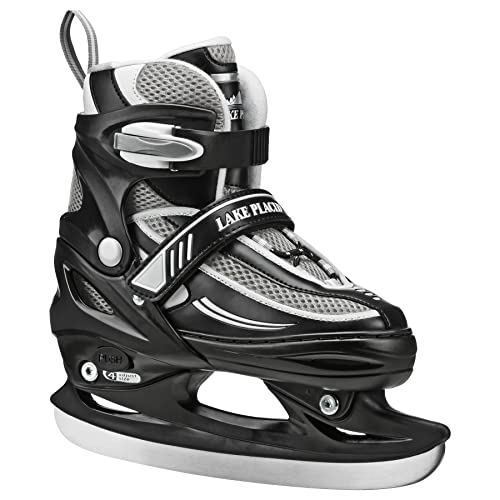
- Push button size adjustable
- Warm, Woven lining and Deluxe comfort Padding
- Stainless steel blade
Check current price on Amazon →
You can read our detailed analysis in the full Lake Placid Summit Adjustable Youth Ice Skates review.
When Sizing Alone Isn’t Enough
Once a child advances beyond basic gliding, proper support becomes non-negotiable. The right skate must match their skill level and foot shape. A stiff boot for a beginner will be uncomfortable, while a soft boot for a jumper will lack support.
This is where specialized product reviews are invaluable. For a popular beginner model, explore our Jackson Ultima Classic Softskate 380 review. For skaters ready for more structure, our Riedell Soar ice skates review covers a fantastic intermediate option.
How to Measure Your Child’s Foot for Skates
Accurate measurement is the non-negotiable first step to finding the right skate size. Never guess based on their street shoe size. Skates require a much more precise, snug fit for proper control and support.
Follow this proven method to get the correct measurements at home. You’ll need a piece of paper, a wall, a pencil, and a ruler or measuring tape.
Step-by-Step Foot Measuring Guide
This process will give you the exact foot length and width needed for skate sizing charts.
- Prepare the Surface: Place the paper on a hard, flat floor against a wall. Have your child stand straight with their heel lightly touching the wall.
- Mark the Length: Mark the longest point of their foot (usually the big toe) on the paper. Repeat for the other foot, as sizes can differ.
- Measure Precisely: Use the ruler to measure from the edge of the paper (the wall) to each mark. Record the measurement in centimeters or inches for both feet.
Skate Sizing vs. Shoe Sizing
This is where most parents go wrong. Figure skates are designed to fit 1 to 1.5 sizes smaller than your child’s regular shoe size. A snug fit prevents the foot from sliding, which is essential for blade control.
Use your measurement in centimeters and consult the manufacturer’s specific size chart. Never rely on a generic conversion. For example:
| Foot Length (cm) | Typical US Shoe Size | Typical US Skate Size |
|---|---|---|
| 20.0 cm | 11.5 (Child) | 10 (Child) |
| 22.5 cm | 4 (Youth) | 2.5 (Youth) |
If measurements fall between sizes, always round down to the smaller skate size. A little tight is better than too loose, as most boots will mold and stretch slightly.
Signs of a Properly Fitted Youth Figure Skate
Knowing how to spot a correct fit is just as important as the initial measurement. A good fit balances snug security with manageable comfort. Your child should feel connected to the skate, not swimming in it.
Use this checklist during a try-on session, ideally at the end of the day. Have your child wear their skating socks and lace the boots up fully and correctly.
Key Fit Checkpoints for Toes and Heels
The position of the toes and the heel’s security are the most critical indicators. Pay close attention to your child’s feedback here.
- Toe Position: Toes should gently brush or lightly press the front of the boot when standing straight. They should pull back slightly into a “pocket” when in a proper skating knee bend.
- Heel Lock: The heel must be held firmly in place with zero lift or slippage when walking or bending knees. This is non-negotiable for ankle support and safety.
- Width Comfort: The sides of the foot should feel snug but not pinched. You should not see the boot material bulging outward over the foot.
Common Fit Problems and What They Mean
Recognizing these issues helps you diagnose whether to try a different size, width, or brand.
| Problem | Likely Cause | Solution |
|---|---|---|
| Toes are painfully crunched | Skate is too short or too low-volume. | Size up or try a brand with a deeper toe box. |
| Heel slips up and down | Skate is too long or too narrow in the heel. | Size down or seek a brand with a narrower heel pocket. |
| Foot slides side-to-side | Skate is too wide. | Try a narrower width (many brands offer multiple widths). |
Remember, new skates will feel very stiff and snug. They should not cause sharp pain or numbness. A professional fitting at a specialty shop is always the best option for a first-time purchase.
Choosing Skates Based on Skill Level and Growth
Selecting the right skate involves more than just size. You must match the boot’s support to your child’s current ability. You also need a strategy for their inevitable growth.
Buying a skate that is too advanced can be as problematic as one that is too soft. This guide helps you navigate skill-based features and growth planning.
Boot Stiffness and Support by Level
The stiffness of a skate boot is rated to support specific moves. A proper match prevents injury and aids progression.
- Beginner/Recreational: Look for soft to moderately stiff boots. These allow for easy knee bends and are comfortable for learning basic strides and edges. Our guide to the best women’s recreational ice skates applies well to older youth beginners.
- Advanced Beginner/Learns Jumps: A moderately stiff boot is essential. It provides the ankle support needed for waltz jumps and single rotations without being overly restrictive.
- Competitive/Single Axels & Beyond: Stiff to very stiff boots are required. These offer maximum support for high-impact landings and multi-rotation jumps.
Planning for Growth: Sizing Strategies
Children’s feet grow quickly, but you don’t need new skates every season. Implement these strategies for cost-effective sizing.
- Start with Adjustable Skates: For very young beginners (ages 4-8), adjustable skates are ideal. They extend usable life through multiple growth phases.
- Buy for “Now” with a Little Room: For older kids, buy skates that fit perfectly with one thin pair of socks and allow for that half-size of growth in the toe. Avoid buying “two sizes up.”
- Consider Used or Resale: Gently used skates from a reputable source can be a smart choice for a rapidly growing skater at an intermediate level.
Always prioritize proper fit for current skill over anticipated growth. An ill-fitting skate can hinder development more than needing a new pair in 12 months.
Top Youth Skate Brands and Fit Profiles
Not all skate brands fit the same foot shape. Understanding brand profiles is key to finding a comfortable, secure fit. This prevents the frustration of trying multiple sizes in the wrong brand.
Major brands like Jackson, Riedell, and Lake Placid have distinct lasts (the foot mold they build around). Matching this to your child’s foot type is crucial.
Brand Comparison for Different Foot Shapes
This table outlines general fit characteristics of popular youth skate brands. Individual models within a brand can vary.
| Brand | General Fit Profile | Best For |
|---|---|---|
| Jackson Ultima | Wider toe box, medium heel. Often a good fit for average to wider feet. | Beginners and recreational skaters needing more forefoot room. See the Jackson Ultima Classic 200 & 500 review. |
| Riedell | Narrower, more tapered fit. Often a snugger heel and narrower overall profile. | Skaters with narrow or low-volume feet who need a secure heel lock. |
| Lake Placid (Recreational) | Generous, comfortable fit. Often runs true to street shoe size. | Very young beginners and casual skaters, especially in adjustable models. |
When to Consider Professional Fitting and Sharpening
As your child advances, two professional services become essential for performance and safety.
- Professional Fitting: A certified fitter can assess width, arch, and volume. They can also heat-mold certain boots for a custom fit, dramatically improving comfort.
- Professional Sharpening: New skates often come with a factory “profile” that is not ideal. A pro sharpener will establish the correct hollow (the groove on the blade) for your child’s weight and skill, providing proper grip and glide.
Investing in these services ensures the skate performs as designed. It maximizes your child’s safety and accelerates their learning curve on the ice.
Essential Accessories for a Complete Fit
The right accessories can make a good skate fit perfect. They address common comfort issues and enhance performance. Never overlook these key items during your purchase.
From socks to blade guards, these additions protect your investment and your child’s feet. They are non-negotiable for safety and skate longevity.
Must-Have Items for Comfort and Safety
These four accessories solve the most common new-skate problems.
- Thin Skating Socks: Use synthetic or thin wool blend socks. Never use thick cotton socks. They hold moisture and cause blisters while taking up precious space.
- Gel Pads or Bunga Pads: These protect pressure points on the ankle and heel. They are ideal for breaking in new, stiff boots and preventing blisters.
- Hard Skate Guards: Used for walking off the ice to protect blades from dirt, nicks, and moisture. This preserves the sharpening.
- Soft Blade Covers (“Soakers”): Made of absorbent terry cloth, these are used to wipe and dry blades after skating. They prevent rust and corrosion.
The Break-In Process and Fit Evolution
New skates will feel very stiff and unforgiving. A proper break-in period is essential for comfort and performance.
- Wear at Home: Have your child wear the fully laced skates (with guards on) for 15-30 minutes daily on carpet. This molds the boot to their foot shape without the pressure of skating.
- Expect Initial Discomfort: Some pressure is normal, but watch for sharp pain, numbness, or hot spots. These indicate a potential fit issue.
- Monitor Fit Changes: As the boot breaks in, it will pack out (compress) slightly, creating a bit more room. The initial very snug fit should evolve into a secure, custom feel.
If pain persists after several short sessions, consult a professional fitter. They can often “punch out” specific pressure points on the boot for relief.
When to Size Up: Recognizing the Right Time
Children outgrow skates long before they wear them out. Knowing when to move up a size prevents discomfort and maintains proper technique. Waiting too long can be as detrimental as buying too big initially.
Monitor your child’s skates regularly, not just at the start of a season. Growth spurts can happen quickly and necessitate a mid-season change.
Clear Signs Your Child Needs New Skates
Look for these physical and behavioral indicators that the current skates are too small.
- Toe Jam: Toes are firmly pressed against the front liner at all times, even in a deep knee bend. This causes curling and pain.
- Pressure Points: New blisters or red pressure marks appear on the sides of the foot, toes, or top of the foot, indicating the foot is being squeezed.
- Complaints of Pain: Your child consistently complains of foot pain, numbness, or “falling asleep” feet during or after skating.
- Difficulty Lacing: The top of the boot becomes difficult to lace closed as the foot gets taller, or the tongue bulges out excessively.
The “Two-Finger” Rule and Other Fit Tests
Use these simple at-home tests between formal fittings to assess fit.
- The Re-Measure: Measure your child’s foot again using the wall-and-paper method. Compare this to their original measurement and the skate’s internal length.
- In-Skate Check: With the skate unlaced, have your child slide their foot all the way forward until toes touch. Try to slip two fingers behind their heel. If you can’t fit one finger snugly, the skate is definitely too small.
- Visual Inspection: Look for excessive creasing over the toe cap or outward stretching on the sides of the boot. These are signs the skate is under significant strain.
When in doubt, visit a professional fitter for an assessment. They can confirm if it’s time for a new size or if minor adjustments can extend the skate’s life a little longer.
Final Checklist Before You Buy Youth Skates
Use this actionable checklist to ensure you’ve covered every critical aspect of the fitting process. It consolidates all the key points from this guide into one simple review.
Go through each item methodically before making your final purchase. This minimizes the risk of costly mistakes and returns.
Pre-Purchase Verification Steps
Complete these steps before you even head to the store or click “add to cart.”
- Current Measurements: You have accurate, afternoon measurements of both feet in centimeters.
- Skill Level Assessed: You have identified your child’s current skill level (Beginner, Advanced Beginner, etc.) to match boot stiffness.
- Brand Research: You’ve researched which brands generally suit your child’s foot shape (wide, narrow, average) based on our comparison.
- Budget & Growth Plan: You’ve decided on a strategy (adjustable, buying with slight room, etc.) that fits your budget and growth expectations.
In-Store or At-Home Try-On Checklist
If trying on in person or when the skates arrive, verify every point.
- ✅ Socks: Child is wearing proper thin skating socks.
- ✅ Lacing: Skates are fully and tightly laced from toe to top.
- ✅ Heel Lock: Heel is secure with zero lift when knees are bent.
- ✅ Toe Feel: Toes gently brush the front when standing, pull back slightly in a knee bend.
- ✅ Width: Foot feels snug but not pinched; no bulging over the sides.
- ✅ Ankle Support: Boot provides firm support around the ankle without cutting in.
- ✅ Walk Test: Child can walk comfortably (with guards on) without major heel slippage.
If any item on this list is not a clear “yes,” do not finalize the purchase. Re-evaluate the size, width, or brand model. A perfect fit from day one is the foundation for a great skating experience.
Best Figure Skates for Kids – Detailed Comparison
Based on fit, support, and value for growing skaters, these three models stand out. Each serves a distinct skill level and foot type, ensuring a safe and effective choice.
Jackson Ultima Mystique – Best for Beginner to Advanced Beginners
This popular model offers a moderate stiffness rating perfect for learning edges and first jumps. Its wider toe box accommodates growing feet comfortably. The stainless steel blade holds an edge well, providing good value as skills progress.

- JS1490 for Women; JS1491 for Girls; JS1494 for Toddler (Girls); JS1592 for…
- Leather upper polyurethane coated and Stylized PVC outsole for easy care…
- Softer topline for added comfort
Riedell 23 Stride – Best for Narrow Feet & Secure Fit
Ideal for skaters with slender or low-volume feet who need a snug heel lock. The boot provides solid ankle support for developing proper technique. Its traditional fit is excellent for young skaters prone to heel slippage in other brands.
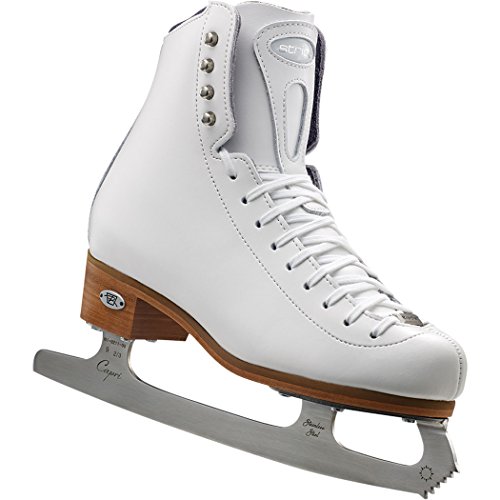
- Open Throat Design
- Flex Notch
- Hand Rolled Collar
Lake Placid Summit Adjustable – Best for Young, Growing Beginners
The easy-pull adjustment system extends the skate’s life across multiple sizes, making it incredibly cost-effective. The warm lining and durable build are perfect for recreational skaters and lessons, accommodating growth spurts without a new purchase.
- Push button size adjustable
- Warm, Woven lining and Deluxe comfort Padding
- Stainless steel blade
Conclusion: Finding the Perfect Fit for Your Young Skater
Choosing the right size figure skates is a critical investment in your child’s safety and enjoyment. Proper fit prevents injury and builds the foundation for strong skating skills. It transforms their experience on the ice from frustrating to fantastic.
Remember to measure carefully, fit snugly, and prioritize current support over future growth. Use our final checklist before you buy to ensure every box is ticked.
When in doubt, consult a professional fitter at a specialty skate shop. Their expertise is invaluable for a first-time purchase or a sizing upgrade.
With the right skates securely on their feet, your child is ready to glide, spin, and jump with confidence and joy.
Frequently Asked Questions About Youth Figure Skate Sizing
How much smaller should figure skates be than regular shoes?
Figure skates should typically fit 1 to 1.5 sizes smaller than your child’s street shoes. This snug fit is essential for control and safety. The foot should not slide inside the boot, which is crucial for proper blade edging.
Always use the manufacturer’s specific size chart based on foot length in centimeters. Never rely on a generic shoe size conversion, as fit varies significantly between brands and models.
What is the best way to measure a child’s foot for skates at home?
Have your child stand on paper against a wall, wearing skating socks. Mark the longest toe and measure from the wall to the mark in centimeters. Do this for both feet in the afternoon when feet are largest.
Use the measurement of the larger foot when consulting the brand’s size chart. This simple, precise method is far more reliable than using an old shoe size as a reference point.
How do I know if my child’s skates are too small?
Clear signs include toes painfully jammed against the front at all times, new blisters or red pressure points, and complaints of numbness. Difficulty lacing the boot tightly over the instep is another red flag.
Perform the “two-finger” test regularly. If you cannot fit one finger snugly behind their heel when toes are pushed forward, the skates are definitely too small and should be replaced.
Should I buy adjustable skates or traditional fixed-size skates?
Adjustable skates are ideal for very young beginners (ages 4-8) experiencing rapid growth. They extend the skate’s usable life and are cost-effective. They provide adequate support for basic recreational skating and lessons.
Choose traditional fixed-size skates for older children, more serious skaters, or anyone learning jumps. Fixed-size boots offer superior support, structure, and performance needed for developing proper technique.
How often should I check my child’s skate fit?
Formally check the fit every 3 to 4 months for young, growing skaters. Growth spurts can happen quickly and unexpectedly, making a previously good fit dangerously tight in a short period.
Also check immediately if your child complains of new foot pain or discomfort. Visually inspect for excessive stretching or creasing over the toe box, which indicates the skate is under strain.
What is the break-in process for new figure skates?
Break in new skates by having your child wear them (with hard guards on) for short periods at home on carpet. Start with 15-30 minute sessions to allow the stiff boot to mold to their foot shape gradually.
Expect some initial pressure and stiffness, but watch for sharp pain or numbness. As the boot packs out, it will become more comfortable while retaining its supportive structure.
Why is heel lock so important in skate fitting?
A secure heel lock is non-negotiable for ankle support and power transfer. If the heel lifts, the skater loses control over the blade’s edges, increasing the risk of falls and sprains. It also prevents blisters.
This is why trying on multiple brands is key. Some brands, like Riedell, are known for a narrower heel pocket that can provide a better lock for slender feet.
Can I buy used skates for my growing child?
Yes, used skates can be a smart, economical choice, especially for intermediate skaters who are still growing. Ensure the boots are not broken down or “broken in” to someone else’s foot structure, which can compromise support.
Always have used skates professionally inspected and sharpened. The blades must be free of deep nicks and have enough steel left for multiple future sharpenings.