Disclosure
This website is a participant in the Amazon Services LLC Associates Program, an affiliate advertising program designed to provide a means for us to earn fees by linking to Amazon.com and affiliated sites.
A toe pick is the jagged teeth at the front of a figure skate blade. It is a critical tool for jumps, spins, and intricate footwork. This feature defines modern figure skating performance.
These serrations provide essential grip and leverage on the ice. They allow skaters to launch into powerful jumps and execute controlled stops. Without them, advanced skating techniques would be impossible.
This complete guide explains the toe pick’s anatomy, primary functions, and expert usage tips. You will learn its role in jumps like the toe loop and its importance for safety. Master this fundamental component of figure skate blades.
Common Toe Pick Problems for Beginner and Recreational Skaters
Many new skaters struggle with the toe pick. They often trip over it or use it incorrectly for pushing off. This leads to frustration, falls, and a lack of confidence on the ice.
The core issue is usually a mismatch between skate and skill level. Beginners using advanced skates with large, aggressive picks will catch them constantly. Conversely, dull or poorly positioned picks on recreational skates hinder learning proper jump techniques.
Quick Fix: Start with the Right Beginner Skate
Choosing a skate designed for learning is the fastest solution. Look for models with a smaller, less aggressive toe pick. This design minimizes tripping while still teaching proper mechanics.
An excellent and popular choice is the Jackson Ultima Classic SoftSkate 380. It’s built specifically for entry-level figure skating.
Jackson Ultima SoftSkate
A great step-up option for beginners ready for more support. It features a reliable stainless steel blade with a balanced toe pick.
- SoftFlex upper for comfort and forward flex
- Classic profile blade with a beginner-friendly toe rake
- Provides good ankle support for new skaters
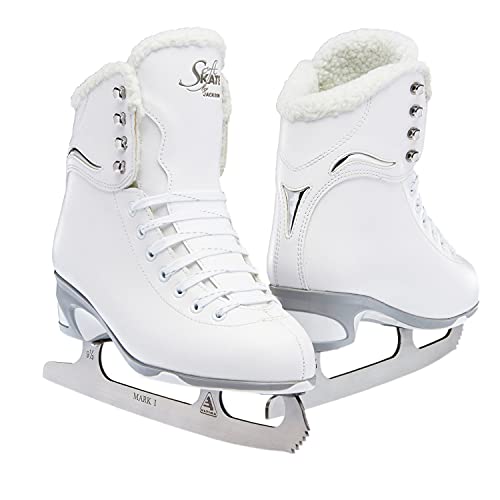
- To make sure that the skates fit correctly get half a size smaller than US…
- Fashionably placed chromed insert that adds style and sophistication.
- Reinforced vinly upper with padded covered tongue and rolled padded collar…
Check current price on Amazon →
For more options, see our detailed guide on the best figure skates for beginners.
When the Right Skate Isn’t Enough
Even with proper equipment, technique is key. If you’re still tripping, focus on posture and weight distribution. Keep your weight centered over the middle of the blade, not on your toes.
Consider a professional sharpening to ensure your blades have a proper hollow and that the toe pick is correctly aligned. Sometimes, the issue is in the blade’s setup, not the skater.
For skaters moving past the basics, exploring the best women’s recreational ice skates can offer better performance. If comfort is holding you back, our review of the most comfortable ice skates provides solutions for pain-free practice.
Anatomy and Design of the Figure Skate Toe Pick
The toe pick is not a single blade. It is a carefully engineered series of teeth called “points” or “picks.” Its design varies significantly based on the skater’s skill level and discipline. Understanding its parts is key to using it effectively.
Breaking Down the Parts: Points, Rake, and Profile
Most figure skate blades have a toe pick with a main set of points. The largest point is for major jumps, while smaller ones aid in footwork and spins.
- Number of Points: Recreational blades may have 2-3 main points. Advanced freestyle blades feature a multi-point “cross-cut” pick with up to 8-9 points for maximum grip.
- Toe Rake: This is the angle at which the pick is set relative to the ice. A more aggressive rake brings the points closer to the ice for quicker engagement in jumps.
- Blade Profile: The pick is part of the blade’s overall curvature, or “rocker.” The blade’s balance affects how easily the pick contacts the ice.
How Toe Pick Design Varies by Skater Level
Manufacturers design blades with specific performance characteristics. The right pick prevents common beginner struggles and enables advanced techniques.
| Skater Level | Toe Pick Characteristics | Primary Use |
|---|---|---|
| Beginner/Recreational | Smaller, fewer points, less aggressive rake | Learning basics, avoiding trips, simple spins |
| Intermediate/Freestyle | Medium-sized cross-cut pick, moderate rake | Single jumps (axel, toe loop), more complex footwork |
| Advanced/Elite | Large, multi-point cross-cut pick, aggressive rake | Triple/Quadruple jumps, demanding spin entries |
Choosing the wrong pick for your level is a common mistake. An advanced pick will trip a beginner, while a beginner’s pick won’t provide the “kick” needed for an axel. Always match your equipment to your current skill set.
Primary Functions and Uses of the Toe Pick
The toe pick is the figure skater’s essential tool for dynamic movement. It transforms the blade from a simple gliding surface into a versatile instrument. Its core functions enable the spectacular jumps and spins that define the sport.
Launching Jumps: The “Toe-Assisted” Takeoff
This is the toe pick’s most famous role. Skaters use it to vault into the air for jumps like the toe loop, flip, and lutz. The pick provides a secure, non-slip point to push off from.
The process involves a precise “toe pick plant.” The skater drives the pick into the ice at a specific angle. This creates a stable platform to generate upward and rotational force.
- Toe Loop: The skater plants the left toe pick (for a counter-clockwise jumper) while skating backward on a right back outside edge.
- Flip Jump: The skater plants the left toe pick from a left back inside edge to launch.
- Lutz Jump: The skater plants the left toe pick from a long, backward left outside edge.
Anchoring Spins and Controlled Stopping
The toe pick provides crucial stability during spins and stops. It acts as a fixed point around which the body can rotate or come to a halt.
For spins like the toe spin or camel spin, the skater plants the pick firmly. This anchors the front of the blade, allowing the rest of the body to spin freely. It prevents the skate from slipping out during rapid rotation.
For stopping, skaters perform a “toe pick stop” or “snowplow stop.” They drag one or both toe picks lightly across the ice. This creates friction to slow down or stop completely with control.
Executing Intricate Footwork and Steps
Beyond big elements, the pick is vital for connecting steps and choreography. It is used for quick turns, toe steps, and rhythmic tapping sequences.
Movements like “toe steps” or “bunny hops” rely on a light tap of the pick. This adds percussive sound and visual complexity to step sequences. The pick allows for rapid changes of direction and intricate patterns on the ice.
How to Use the Toe Pick Correctly: Beginner Tips and Techniques
Mastering the toe pick is fundamental to progressing in figure skating. Proper technique prevents falls and builds confidence. Focus on these core principles to use your picks effectively and safely.
Avoiding Common Beginner Mistakes
New skaters often develop bad habits with their toe picks. The most common error is using them to push off for speed, like walking in cleats.
- Toe Pushing: Digging the pick in to propel forward creates a jerky, unstable motion. Instead, push with the full middle section of your blade for smooth, powerful glides.
- Leaning Forward: Keeping your weight too far forward causes the picks to catch unexpectedly. Maintain an upright posture with your weight centered over the ball of your foot.
- Dragging Picks: Letting the picks scrape during crossovers or turns disrupts flow. Lift your feet cleanly and focus on using your edges.
Developing Proper Jump and Spin Technique
Using the pick for jumps and spins requires precision, not brute force. It’s about a quick, confident plant followed by immediate lift.
- Approach with Control: Establish a stable edge before you plant. A wobbly approach leads to a weak takeoff.
- Plant with Purpose: Drive your picking foot’s toe firmly into the ice at a slight angle. Think “stab and go,” not “stomp and lean.”
- Transfer Weight Instantly: The moment the pick grips, spring upward off your jumping leg. The pick is a trigger, not a platform to stand on.
Practicing Basic Toe Pick Drills
Isolate the toe pick movement with simple off-ice and on-ice exercises. This builds muscle memory without the risk of falling.
Try stationary toe taps while holding the boards. Lightly tap each pick to the ice, focusing on a quick touch-and-release. Progress to forward toe steps, taking small steps where only the pick touches down.
For stopping, practice a two-foot toe pick drag at slow speed. Gently press both picks into the ice to feel the controlled slowing action. Consistent, mindful practice is the fastest path to proficiency.
Maintenance and Sharpening Considerations for Toe Picks
Proper blade care is essential for toe pick performance and safety. Dull or damaged picks can cause slips and injuries. A consistent maintenance routine ensures your equipment supports your skating.
How Sharpening Affects Toe Pick Performance
A professional sharpening service handles both the blade’s hollow and the toe pick. The technician uses a specialized grinding wheel to refresh the points.
- Preserving Shape: Sharpening removes metal to restore a sharp edge. Over many sessions, the overall size of the toe pick gradually decreases.
- Maintaining the Rake: A skilled technician maintains the pick’s original angle (rake). An incorrect angle changes how the pick engages with the ice.
- Consistency is Key: Sharpen based on ice time, not a strict schedule. Recreational skaters may need it every 20-40 hours; competitive skaters sharpen more frequently.
Inspecting for Wear, Damage, and Alignment
Regularly check your blades for issues that affect the toe pick. Look for these common signs of wear or problems.
| Issue | What to Look For | Potential Consequence |
|---|---|---|
| Worn-Down Picks | Points appear rounded, short, or uneven in length. | Poor grip on takeoffs, slipping during spin anchors. |
| Damaged/Broken Point | A visible chip, crack, or missing tip on a point. | Unstable plant, can cause a fall on jump entry. |
| Misaligned Pick | The pick looks bent or twisted relative to the blade. | Skate will pull to one side during a plant. |
Protecting Your Blades Between Sessions
Always use hard soakers and blade guards when not on the ice. Soakers absorb moisture to prevent rust, which can pit and weaken the metal.
Never walk on hard surfaces like concrete without guards. This instantly dulls the entire blade and can flatten the delicate toe pick points. Store skates in a dry environment to prevent corrosion that starts at the pick’s sharp edges.
Choosing the Right Toe Pick for Your Skating Level
Selecting the correct toe pick is crucial for skill development and safety. The wrong pick will hinder your progress, whether you’re a beginner or an advanced skater. Your choice should align with your current abilities and goals.
Guidelines for Beginners and Recreational Skaters
If you are new to figure skating or skate casually, prioritize safety and learning. Your primary goal is to avoid catching the pick and tripping.
- Look for a “Beginner” or “Recreational” Pattern: These blades feature a smaller toe pick with a less pronounced rake. Brands like Jackson’s “Mystique” or “Classic” lines are good examples.
- Avoid “Freestyle” or “Elite” Blades: These have large, aggressive picks designed for jumping. They are a tripping hazard for those still mastering basic edges.
- Consider an All-Purpose Boot: Many recreational skates for women come with a suitable beginner blade pre-mounted. This simplifies the decision.
When to Upgrade to a More Aggressive Toe Pick
Upgrading your blade is a major step. It signals a move from learning fundamentals to mastering advanced skills. Consider an upgrade when you are consistently landing single jumps and your coach recommends it.
The trigger is usually the axel jump. This 1.5 rotation jump requires a secure, positive pick plant to achieve the necessary height and rotation. A beginner pick often lacks the “bite” needed for a consistent axel takeoff.
Consulting with Coaches and Fitters
Never choose an advanced blade based on brand name alone. A professional skate fitter and your coach provide essential guidance.
- Get a Professional Fitting: A fitter will assess your foot, skill level, and goals. They can recommend specific blade models, like the popular options in our best beginner figure skates guide.
- Follow Your Coach’s Advice: Your coach understands your technical needs best. They will advise on the right time to upgrade and may suggest a specific blade pattern.
- Test if Possible: Some pro shops offer used or demo blades to try. Feeling the difference in pick engagement is invaluable before you buy.
Historical Evolution and Modern Innovations in Toe Pick Design
The toe pick has transformed figure skating from graceful gliding to the dynamic sport we see today. Its development is directly linked to the evolution of jumps and technical difficulty. Modern designs are the result of over a century of innovation.
From Simple Stopper to Essential Jump Tool
Early 19th-century skates had no picks. Skaters used poles for turning and stopping. The first toe picks appeared as small, single serrations for basic stops and simple maneuvers.
The pivotal change came in the early 20th century. Skaters like Ulrich Salchow and Axel Paulsen were performing jumps that required more grip. Blade makers responded by adding more pronounced picks, enabling the secure takeoffs needed for single and double jumps.
The Cross-Cut Revolution and Multi-Rotation Jumps
The invention of the “cross-cut” or “saw-tooth” pick was a game-changer. Instead of vertical serrations, points were cut on a diagonal. This created multiple gripping edges.
- Enhanced Grip: The cross-cut design allowed the pick to sink into the ice more cleanly with less drag.
- Multiple Contact Points: Skaters could use different points for different jumps and spin entries.
- Enabled Technical Leaps: This reliable grip was essential for the development of triple and quadruple jumps from the 1980s onward.
Contemporary Blade Technology and Customization
Today, blade manufacturers like John Wilson (Pattern 99, Gold Seal) and MK (Phantom, Revolution) offer specialized models. Each has a unique pick configuration, rocker, and hollow to suit different skating styles.
Elite skaters often use customized toe pick grinds. Technicians may slightly modify the rake or shape of individual points based on a skater’s specific technique. The focus is on maximizing efficiency and consistency for the most demanding elements under the modern scoring system.
Toe Pick vs. Hockey Skate Blade: A Crucial Design Difference
Understanding the toe pick requires knowing what it is not. The most common comparison is with a hockey skate blade. This fundamental design difference dictates the entire style and capability of each sport.
Purpose-Built for Different Sports
Each blade is engineered to excel at its sport’s specific demands. The presence or absence of a toe pick is the most visible sign of this specialization.
- Figure Skate (With Pick): Designed for vertical lift (jumps), stable rotation (spins), and intricate footwork. The pick is essential for creating leverage off the ice.
- Hockey Skate (No Pick): Designed for lateral agility, explosive forward speed, and rapid changes of direction. A smooth, curved blade allows for powerful strides and tight turns.
Blade Profile, Rocker, and Stopping Mechanics
The differences extend far beyond the toe. The entire shape and function of the blades contrast sharply.
| Feature | Figure Skate Blade | Hockey Skate Blade |
|---|---|---|
| Toe | Jagged toe pick (serrated teeth) | Rounded, smooth toe with no pick |
| Blade Profile | Flat section in the middle for gliding | Fully curved from toe to heel (rocker) |
| Stopping Method | Toe pick drag or snowplow stop | Hockey stop (lateral slide on blade edges) |
| Primary Edge Use | Deep edges for curves, circles, and control | Quick edge-to-edge transfers for agility |
Why You Should Never Cross-Use Skates
Attempting figure skating moves in hockey skates is dangerous and ineffective. You cannot plant a toe pick that doesn’t exist for a jump takeoff.
Conversely, hockey players in figure skates would trip constantly. The picks would catch during quick crossovers and stops. Always use the right tool for the sport to ensure safety and proper skill development.
Best Figure Skates for Mastering Toe Pick Technique
Choosing the right skate is foundational to learning proper toe pick use. These three models represent excellent choices for different stages of a skater’s journey, from first steps to mastering single jumps.
Jackson Ultima SoftSkate – Best for Beginners
The Jackson Ultima SoftSkate offers the perfect entry-level toe pick. Its blade features a small, less aggressive rake that minimizes tripping while teaching correct planting mechanics. The soft boot provides comfort and flexibility, making it the ideal starter skate for adults and older teens.
- To make sure that the skates fit correctly get half a size smaller than US…
- Fashionably placed chromed insert that adds style and sophistication.
- Reinforced vinly upper with padded covered tongue and rolled padded collar…
Riedell Soar Ice Skates – Best for Advancing Youth Skaters
For young skaters moving past basics, the Riedell Soar Ice Skates is a top choice. It pairs a supportive boot with the reliable Mirage blade, which has a balanced toe pick designed for learning single jumps. This setup provides the structure needed for developing proper edge and pick technique.
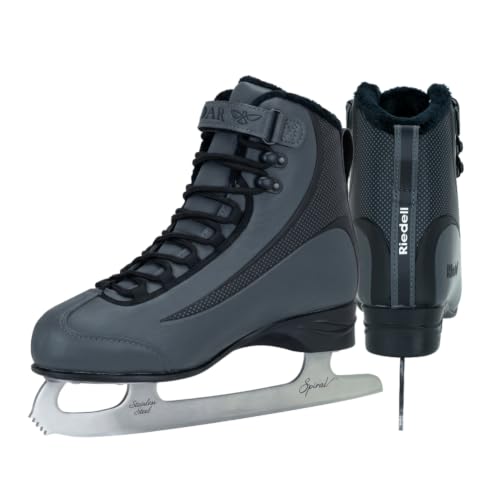
- ENDLESSLY COMFORTABLE: These modern ice skates for women and men have a…
- GREAT SUPPORT: This ice skate set offers light support to keep you stable…
- KEEP YOU SAFE & DRY: These beginner ice skates have safety in mind by…
Edea Overture w/ Legacy 7 Blade – Best for Serious Jump Training
The Edea Overture boot with the Legacy 7 blade is the premier package for skaters working on axels and doubles. The boot’s lightweight, forward-flex design and the blade’s precise, cross-cut toe pick provide the responsive kick and secure plant required for consistent, high-level jump takeoffs.
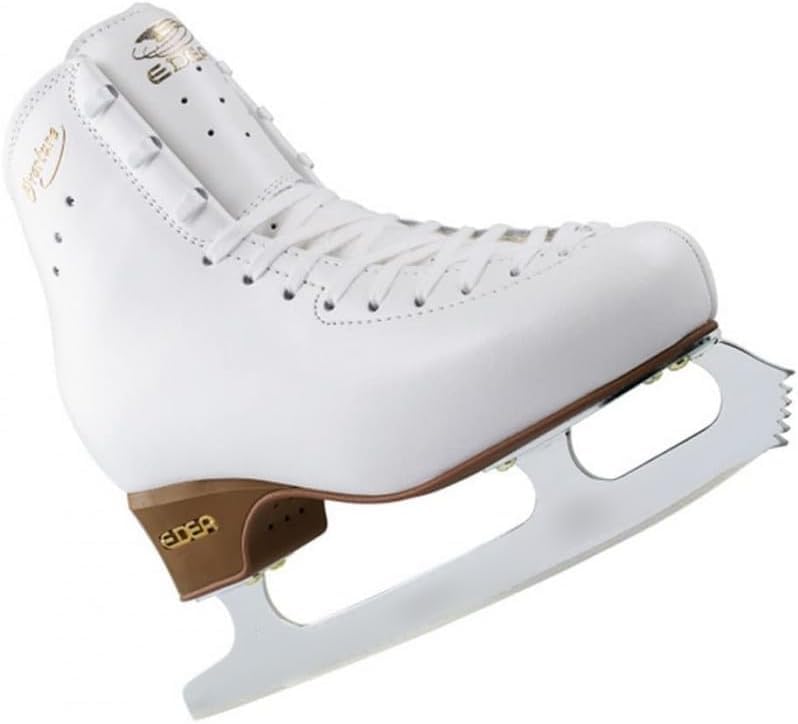
- L’Estel Skates – Edea – Edea Overture Boots+Grade 2 Blades – Ice Skating
Conclusion: Mastering the Toe Pick for Better Skating
The toe pick is far more than just jagged teeth on a blade. It is the essential tool that enables the jumps, spins, and intricate footwork of figure skating. Understanding its design and proper use transforms your ability on the ice.
Start with a skate that matches your skill level to build confidence. Focus on proper technique and weight distribution to avoid common tripping mistakes. Consistent practice with the right equipment is the fastest path to progress.
Ready to put this knowledge into action? Consult our detailed guides to find the perfect skates for your next lesson or practice session. Your journey to more confident and capable skating starts with the right foundation.
Embrace the toe pick as your partner in progression, not an obstacle. With patience and practice, you will unlock the dynamic movements that make figure skating so rewarding.
Frequently Asked Questions about Figure Skate Toe Picks
What is the purpose of the toe pick on ice skates?
The toe pick serves as a gripping and launching tool. It allows skaters to plant their toe securely into the ice to vault into jumps like the toe loop and lutz. It also acts as a pivot point for spins and provides control during intricate footwork sequences.
Without a toe pick, advanced figure skating elements would be impossible. It provides the essential leverage needed to generate height and rotation, transforming the blade from a simple gliding surface into a dynamic performance tool.
How do you stop on ice skates using the toe pick?
To perform a basic toe pick stop, shift your weight slightly forward and gently drag the teeth of one or both skates along the ice surface. Apply light pressure to create friction, which will slow you down. This is often called a “snowplow stop.”
For beginners, it’s safer to learn a two-foot stop. Practice at a slow speed first, focusing on a soft touch rather than a hard dig. A proper stop uses the picks to scrape, not to anchor and jerk you to a halt.
Why do I keep tripping over my toe picks as a beginner?
Constant tripping usually means your weight is too far forward on your blades. Beginners often lean forward, causing the picks to catch the ice unintentionally. It can also indicate you are using skates with an overly aggressive pick for your skill level.
Focus on keeping your posture upright and your weight centered over the middle of the blade. Ensure you are in beginner-appropriate skates with a smaller toe rake, and avoid using your picks to push off for speed.
What is the difference between a figure skate and a hockey skate toe?
The fundamental difference is the presence of a jagged toe pick. Figure skates have serrated teeth for jumping and spinning. Hockey skates have a completely smooth, rounded toe with no pick, designed for speed, agility, and lateral hockey stops.
This design difference makes the skates sport-specific. You cannot execute figure skating jumps in hockey skates, and the picks on figure skates would severely hinder a hockey player’s quick maneuvers and stops.
How often should figure skate toe picks be sharpened?
Toe picks are sharpened as part of the entire blade maintenance process. There’s no separate schedule; they are refreshed each time you get a professional sharpening. The frequency depends entirely on your ice time and skating intensity.
Recreational skaters may need sharpening every 20-40 hours on ice. Competitive skaters sharpening much more frequently. Inspect your picks regularly—if they look rounded or you slip during takeoffs, it’s time for a sharpening.
What is the best toe pick for a beginner figure skater?
The best toe pick for a beginner is a small, less aggressive one. Look for skates marketed as “recreational” or “beginner” models, which feature a milder toe rake. Brands like Jackson’s “Classic” or “Mystique” lines are excellent examples.
Avoid “freestyle” or “elite” blades when starting. Their large, pronounced picks are designed for advanced jumps and will cause frequent tripping. The right beginner pick helps you learn fundamentals safely.
Can you do jumps without a toe pick?
Some jumps, like the salchow and loop, are “edge jumps” that take off from the blade’s edge without a toe pick assist. However, all “toe-assisted” jumps—the toe loop, flip, and lutz—require a toe pick to plant and launch from.
Therefore, while a limited set of jumps is possible, the full technical repertoire of figure skating demands a toe pick. It is an indispensable component for modern competitive skating programs.
How do I know if my toe picks are worn out or damaged?
Visually inspect the points. Worn picks will appear short, rounded, or uneven compared to each other. Damage includes visible chips, cracks, or a completely broken point. Also, be alert to slipping during jumps you normally land.
If you notice significant wear or damage, take your skates to a professional technician immediately. They can assess if the blade can be salvaged with sharpening or if the damage is too severe, requiring blade replacement.