Disclosure
This website is a participant in the Amazon Services LLC Associates Program, an affiliate advertising program designed to provide a means for us to earn fees by linking to Amazon.com and affiliated sites.
Good beginner figure skates typically cost between $150 and $300. This price range offers a solid balance of support and quality for new skaters.
Investing in the right pair prevents injury and accelerates skill development. Cheap recreational skates often hinder progress and cause discomfort.
The Real Cost of Cheap Recreational Skates
Many beginners buy inexpensive recreational skates to save money. This common mistake often backfires. These skates lack the ankle support needed for figure skating basics.
Soft boots can lead to wobbling, pain, and even injury. They also slow skill progression, making learning frustrating. You end up paying more in the long run for replacements and potential lessons to correct bad habits.
A Smart Starter Skate Solution
For true beginners, a dedicated beginner figure skate is the best investment. Brands like Jackson, Riedell, and Edea offer excellent entry-level models. These provide structured support without the high cost of advanced skates.
A great example is the Jackson Ultima Softec Series. It’s designed specifically for new skaters moving beyond rentals.
- Features a supportive vinyl boot for ankle stability.
- Includes a quality stainless steel blade that holds an edge.
- Offers better heat-moldable comfort than recreational models.

- Design offers lightweight and modern look with Softec comfort and support
- Nylex lining with velvet feel for softness and warmth
- Durable, moisture resistant nylon upper
Check current price on Amazon →
For a deeper dive into top-rated options, see our curated list of the best figure skates for beginners.
When a Quick Fix Isn’t the Answer
Sometimes, the issue isn’t just the skate model, but the fit or intended use. A skate perfect for indoor lessons may fail on outdoor ice. A general “women’s skate” might not address your specific arch or width.
If you have unique fit needs or plan to skate in various conditions, further research is key. Explore our review of the versatile Riedell Soar skates or our guide to the most comfortable ice skates for specialized solutions.
Breaking Down the Price of Beginner Figure Skates
Understanding the cost starts with knowing what you’re paying for. A beginner figure skate price isn’t one flat fee. It’s an investment in two critical components: the boot and the blade.
Each part has its own quality spectrum and price point. Knowing this breakdown helps you allocate your budget wisely for maximum value and safety.
Boot Costs: The Foundation of Support
The boot provides the essential ankle support for jumps and spins. Beginner boots range from $100 to $250. The price increases with material quality, stiffness, and construction.
- Entry-Level ($100-$150): Often made of synthetic materials like reinforced vinyl. They offer basic support for learning edges and simple footwork.
- Mid-Range Beginner ($150-$250): May feature heat-moldable synthetic leather. This provides a better custom fit and increased support for beginning single jumps.
Higher cost here directly translates to better injury prevention and skill progression.
Blade Costs: Your Connection to the Ice
The blade is your tool for precision. Beginner skates often come with a “club” or “pattern” blade permanently mounted. Upgrading to a separate, higher-quality blade is a future cost.
- Stock Blades (Included): Adequate for fundamental skills. They are typically made of carbon steel, which requires more frequent sharpening.
- Separate Beginner Blades ($80-$150+): Made of stainless steel, they hold an edge longer. They also offer better rocker profiles for improving spin and jump technique.
For your first real skates, a good stock blade is sufficient. Plan for a blade upgrade as you advance.
Key Takeaway: A $250 beginner skate typically invests ~70% in a supportive boot and ~30% in a decent stock blade. Prioritize boot fit and support over blade upgrades at this stage.
Additional Costs First-Time Buyers Forget
The skate’s sticker price isn’t the full story. Several essential add-ons are required for safety and performance. Budget an extra $50-$100 for these necessities.
- Professional Sharpening ($15-$30): New blades are not sharpened for immediate use. A pro sharpening is non-negotiable.
- Proper Fitting & Accessories: This includes quality socks, blade guards for walking, and soakers for drying.
- Future Maintenance: Regular sharpening every 20-40 hours of ice time is an ongoing cost.
Factoring in these extras gives you a true total cost of ownership for your new skates.
How to Choose the Right Skates for Your Budget
Finding the perfect beginner skates means balancing cost with your specific skating goals. Not every skater needs the same level of boot stiffness or blade quality. Your budget should align with your planned commitment and skill targets.
This decision matrix helps you match investment to ambition. It prevents overspending on unnecessary features or underspending on critical support.
For the Casual Recreational Skater
If you plan to skate occasionally for fun, a solid entry-level package is ideal. Focus on comfort, basic support, and durability for public sessions.
- Target Budget: $150 – $200
- What to Look For: A supportive synthetic boot with a decent stock blade. Heat-moldable liners are a major plus for comfort.
- Best Use: Learning to skate forward/backward, simple turns, and enjoying public ice time safely.
Skates in this range offer a massive upgrade from rentals without a major financial commitment.
For the Aspiring Figure Skater
If you’re taking lessons and aim to learn jumps and spins, invest in a higher-tier beginner skate. This builds a proper foundation for technical skills.
- Target Budget: $250 – $350
- What to Look For: A stiffer, heat-moldable boot (often synthetic leather) and a better-quality stock blade with a defined rocker.
- Best Use: Mastering edges, beginning waltz jumps, and foundational spins. This tier supports skill progression for 1-2 seasons.
This investment protects your ankles and provides the feedback needed for proper technique.
| Skater Profile | Recommended Budget | Key Feature Priority |
|---|---|---|
| Casual/Once-a-Month | $150 – $200 | Comfort, Warmth, Basic Ankle Support |
| Lesson Taker/Beginner | $250 – $350 | Boot Stiffness, Heat-Moldable Fit, Better Blade |
| Serious Youth Competitor | $350+ | Professional Fitting, Separate Boot & Blade |
Smart Spending Tips for Beginners
Maximize your budget with these proven strategies. The goal is to get the best value, not just the lowest price.
- Get Professionally Fitted: Width and length are crucial. A poor fit wastes any amount of money and causes pain.
- Prioritize the Boot: It’s safer to have a better boot with a basic blade than a weak boot with a premium blade.
- Consider Last Season’s Models: You can often find the same technology and support at a discount when new colors are released.
Remember, a well-chosen $250 skate offers far better value and longevity than a poorly chosen $150 skate.
Top Beginner Skate Brands and Their Price Ranges
Navigating the major brands simplifies your buying decision. Jackson, Riedell, and Edea dominate the beginner market for good reason. Each offers distinct fits and technologies at specific price points.
This brand comparison highlights what you get for your money. It helps you match a brand’s reputation and fit philosophy to your needs and budget.
Jackson Ultima: The Popular Choice
Jackson is renowned for its comfortable, wider fits and excellent entry-level options. Their skates are a frequent recommendation for first-time buyers.
- Entry Point (Softec Series): ~$150 – $200. Great for recreational skaters and absolute beginners.
- Beginner Figure (Classic/Artiste): ~$250 – $350. Designed for lesson-takers, with more support and better blades.
- Best For: Skaters with wider feet or a higher instep seeking immediate comfort.
Our detailed Jackson Ultima Classic review explores a key model in this range.
Riedell: The Heritage Brand
Riedell emphasizes precise, traditional craftsmanship and often offers a narrower fit. They provide exceptional durability and progressive support levels.
- Entry Point (Spark/Soar): ~$180 – $250. Quality construction focused on fundamental skill development.
- Beginner Figure (Diamond/Model 121): ~$300 – $400. Often features leather construction for better molding and break-in.
- Best For: Skaters with narrower feet and those who value long-term boot longevity.
Pro Tip: Fit is more important than brand loyalty. A $250 skate that fits perfectly is a better investment than a $350 skate that doesn’t. Always prioritize a professional fitting.
Edea: The Modern Innovator
Edea uses unique, lightweight materials and a “soft-boot” concept that’s stiffer laterally but easier to break in. They are a premium choice.
- Entry Point (Overture): ~$300 – $400. The prime choice for serious beginners aiming for quick progression into jumps.
- Key Technology: Lightweight, thermo-moldable synthetic material that reduces break-in time significantly.
- Best For: The dedicated beginner ready to invest in technology that supports faster skill acquisition.
While at a higher price point, Edea’s efficiency can be cost-effective for fast-learning skaters.
Making Your Final Brand Decision
Use this simple three-step filter to narrow down your options. It combines budget, fit, and ambition into a clear choice.
- Set Your Budget: Refer to the previous section’s skater profiles to lock in your price range.
- Research the Fit: Jackson = wider, Riedell = narrower/more precise, Edea = modern/lightweight.
- Match to Your Goals: Align the brand’s beginner model strengths with your planned skating activities.
This process leads you to 1-2 ideal models to try on at a professional skate shop.
Where to Buy Beginner Skates and Save Money
Your purchase location impacts price, service, and long-term value. Big-box stores, online retailers, and specialty shops offer different pros and cons. Choosing wisely can save you money and future headaches.
This guide compares the main buying avenues for first-time figure skates. It helps you find the best deal without compromising on the essential professional fitting.
Specialty Skate Shops: The Gold Standard
Local pro shops offer expert fitting, proper mounting, and sharpening services. The staff are often experienced skaters or fitters who understand biomechanics.
- Price Range: MSRP (Manufacturer’s Suggested Retail Price). You pay full price for expertise.
- Major Benefit: Professional fitting ensures correct size, width, and model for your foot and skill level.
- Hidden Value: Includes initial blade sharpening, heat-molding advice, and ongoing support for maintenance.
The higher initial cost here is an investment in proper equipment that performs correctly.
Online Retailers: Convenience vs. Risk
Websites like Amazon and skating-specific online stores offer convenience and sometimes lower prices. This option carries significant risk for beginners who don’t know their exact size and fit.
- Price Range: Often 10-25% below MSRP, especially for last season’s models or closeouts.
- Major Risk: High chance of incorrect fit, leading to discomfort, injury, or costly returns.
- Best Use Case: Only recommended if you are replacing an identical model you already own and know fits perfectly.
| Purchase Location | Avg. Price for a $300 Skate | Best For |
|---|---|---|
| Specialty Pro Shop | $300 + tax | First-time buyers, those needing expert fit advice |
| Major Online Retailer | $240 – $270 | Replacing a known model, very experienced buyers |
| Used (Facebook, eBay) | $50 – $150 | Extreme budget, but high risk of poor fit/condition |
Hybrid Strategy: Get Fitted, Then Shop
This savvy approach maximizes savings while guaranteeing fit. It involves two distinct steps to separate the service from the product purchase.
- Visit a Pro Shop for a Fitting: Get professionally measured and try on specific brands/models. Note the exact make, model, and size.
- Search for That Exact Skate Online: Look for authorized online dealers selling that specific model and size. Verify their return policy first.
This method requires honesty but can yield significant savings on the same equipment.
Warning on Used Skates: Beginner skates are often “broken in” to the previous owner’s foot and blade imperfections. This can hinder your progress and cause pain. Buying used is generally not recommended for a first pair.
Long-Term Value: When to Upgrade Your Beginner Skates
Your first skates won’t last forever, and knowing when to upgrade saves money. Pushing skates beyond their lifespan risks injury and stalls progress. Recognizing the upgrade triggers helps you plan your next investment wisely.
This section outlines the key signs you’ve outgrown your beginner setup. It also provides a realistic timeline for your next purchase.
Signs Your Boots Are Breaking Down
Boot breakdown is a gradual process that compromises support. Ignoring these signs can lead to ankle injuries and reinforce bad technical habits.
- Excessive Ankle Bending: When standing in a neutral position, your ankle collapses inward noticeably.
- Permanent Creasing: Deep, permanent creases form at the ankle and forefoot, indicating structural failure.
- Loss of Support in Jumps/Landings: You feel unstable or “mushy” during take-offs or landings, losing pop.
Once support is gone, the boot is no longer safe for dynamic figure skating movements.
When Your Skills Outpace Your Blades
Blade limitations become apparent as you advance. The stock blade on beginner skates is designed for fundamentals, not advanced maneuvers.
- Struggling with Spins: You cannot find or hold a spin center, often due to a flat or poorly defined rocker.
- Toe Pick Issues: The stock toe pick is too small or positioned poorly for consistent jump take-offs.
- Frequent Sharpening: Carbon steel blades dull quickly with advanced edge work, requiring weekly sharpening.
Upgrading to a separate intermediate blade can transform your skating before you need new boots.
Upgrade Pathway: Most skaters follow this sequence: 1) Beginner Package Skate → 2) Upgrade Blade on existing boot → 3) New Boot with upgraded blade. This spreads out costs effectively.
Planning Your Next Investment
A typical beginner skate lasts 1-2 years with regular use. Budgeting for the next tier ensures a smooth transition when the time comes.
- Monitor Wear Monthly: Check for the breakdown signs listed above. Take photos to compare over time.
- Consult Your Coach & Fitter: They provide objective advice on whether your equipment is holding you back.
- Budget for the Next Tier: Intermediate skates (boot and separate blade) typically start in the $500-$800 range. Start saving early.
Viewing your beginner skates as a 2-year investment frames their cost in a realistic, manageable way. For a look at high-quality options for your next step, explore our review of the 5th Element Grace skates, a popular intermediate model.
Final Recommendations: Best Beginner Skates by Budget
Based on our comprehensive analysis, here are specific skate recommendations. These models represent the best value and performance in their respective price categories. Each is a proven choice for new skaters.
Use this curated list as your shortlist when you’re ready to buy. It combines brand reputation, feature sets, and real-world skater feedback.
Best Under $200: Jackson Ultima Softec
This skate is the top choice for recreational skaters and absolute beginners. It provides the crucial step up from rental skates without a high cost.
- Price Point: Typically $150 – $180.
- Key Features: Supportive vinyl boot, stainless steel Mirage blade, thermal-fit liner for comfort.
- Ideal For: Public skating, basic lessons, and skaters unsure of long-term commitment.
It delivers essential ankle support and a decent blade at the most accessible price point for quality.
Best Overall Value ($250-$350): Riedell Soar or Jackson Artiste
This tier is the sweet spot for skaters taking lessons. You get significantly better materials and construction for developing skills.
- Riedell Soar (~$280): Offers a precise, traditional fit with a sturdy sole and supportive upper. Excellent for narrow to medium feet.
- Jackson Artiste (~$300): Features a heat-moldable Synchro-Lite boot and the Mark IV blade. Ideal for wider feet and those needing a customizable fit.
Both models are designed to support the first single jumps and spins, offering 1-2 years of progression.
| Model | Budget Tier | Best For This Skater |
|---|---|---|
| Jackson Softec | Budget (Under $200) | The casual skater wanting to ditch rentals |
| Riedell Soar | Value ($250-$350) | The lesson-taker with a narrower, precise foot |
| Jackson Artiste | Value ($250-$350) | The lesson-taker needing a wider, heat-moldable fit |
| Edea Overture | Premium Beginner ($350+) | The serious beginner aiming for rapid jump progression |
Actionable Next Steps for Your Purchase
Now that you’re informed, follow this simple checklist to make your final decision. This process turns research into action.
- Revisit Your Budget & Goals: Confirm your category from Section 2 (Casual vs. Aspiring Skater).
- Choose 1-2 Recommended Models: Pick from the table above that matches your budget and suspected fit.
- Find a Local Shop & Schedule a Fitting: Try on your shortlisted models. The right fit should feel snug but not painful.
Remember, the best beginner figure skate is the one that fits your foot, your ambitions, and your budget perfectly. For more detailed comparisons, our guide on the best ice skates for women covers gender-specific fits and models.
Common Beginner Mistakes That Waste Money
Avoiding these frequent errors can save you hundreds of dollars and months of frustration. Many new skaters make purchasing decisions based on misconceptions or short-term thinking. Learning from others’ mistakes is the cheapest way to shop.
This section highlights the costliest pitfalls in buying your first skates. Use it as a checklist to ensure your investment is sound.
Mistake 1: Buying for Growth (Kids) or Size Up (Adults)
Purchasing skates that are too large is the number one error. Unlike street shoes, skates must fit snugly to provide control and support.
- The Problem: Extra space causes the foot to slide, leading to blisters, lack of control, and delayed skill development.
- The Cost: You’ll outgrow the skill capacity of the skate long before you “grow into” the physical size, requiring a premature replacement.
- The Fix: Skates should fit snugly, with toes lightly brushing the toe cap when standing straight. They will not stretch lengthwise.
For kids, consider adjustable youth ice skates for a better fit over time.
Mistake 2: Prioritizing Style Over Substance
Choosing skates based on color or aesthetic appeal over technical specifications is a trap. A pretty skate that doesn’t support your ankle is a poor investment.
- The Problem: Fashion-focused skates often use softer materials and inferior blades not designed for figure skating technique.
- The Cost: You’ll hit a skill plateau quickly, and the skates will break down faster, necessitating an earlier, more informed purchase.
- The Fix: Choose a model from a reputable figure skating brand (Jackson, Riedell, Edea) first, then select the available color.
Rule of Thumb: If a skate is sold primarily on its visual design in a general sporting goods store, it’s likely not a true figure skate. True performance skates are sold on their technical features.
Mistake 3: Skipping the Professional Sharpening
New skates do not come ready to use from the factory. The blades have a temporary protective coating and are not sharpened for performance.
- The Problem: Attempting to skate on unsharpened blades feels like trying to stand on round pipes. It’s dangerous and teaches poor balance.
- The Cost: You risk falls and injury, develop bad posture, and may become discouraged from skating altogether.
- The Fix: Before your first skate, take them to a pro shop for a standard cross-grind sharpening. This is a non-negotiable setup cost.
Budget for this $15-$30 service as part of your total initial cost. It transforms the skates from a product into a functional tool.
Best Figure Skates for Beginners – Detailed Comparison
After extensive analysis of support, price, and skater feedback, these three models stand out. Each excels in a specific beginner category, from casual skating to serious skill development. Choose based on your primary goal and budget.
Jackson Ultima Artiste – Best Overall Value
The Jackson Artiste is our top pick for most new skaters. It features a heat-moldable Synchro-Lite boot for a custom fit and the reliable Mark IV blade. This combination offers exceptional support for learning edges, spins, and first jumps, providing the best performance per dollar.

- INCREASED COMFORT – The Artiste figure skates feature softer topline for…
- ULTIMA MARK IV BLADE – The boot is matched with Ultima Mark IV blade…
- FLEX NOTCH TECHNOLOGY – Performance Flex Notch, standard on Jackson Boots…
Riedell 23 Soar – Best for Precision & Narrow Feet
The Riedell 23 Soar is the ideal choice for skaters with narrower feet seeking a precise fit. Its traditional construction offers excellent heel lock and ankle support right out of the box. It’s a durable, no-fuss option perfect for focused lesson-takers who value craftsmanship.
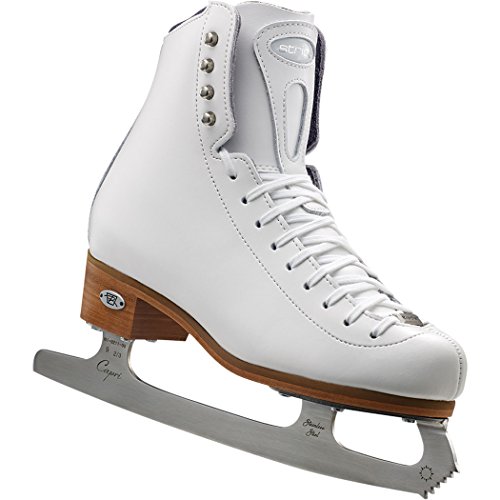
- Open Throat Design
- Flex Notch
- Hand Rolled Collar
Edea Overture – Best for the Serious Beginner
For the dedicated skater aiming for rapid progression, the Edea Overture is the premium choice. Its innovative lightweight and stiff design reduces break-in time dramatically. This skate supports faster skill acquisition into single jumps, making it a smart long-term investment for ambitious newcomers.
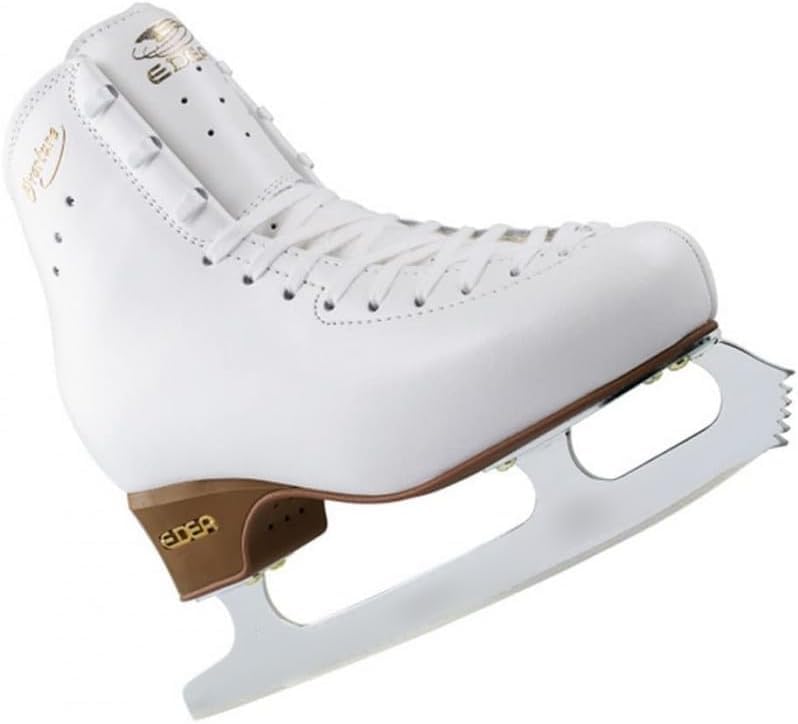
- L’Estel Skates – Edea – Edea Overture Boots+Grade 2 Blades – Ice Skating
Conclusion: Investing in Your Skating Journey
Good beginner figure skates cost $150 to $350, a worthwhile investment in safety and progress. This price secures proper ankle support and quality blades. It transforms skating from a struggle into an enjoyable skill.
The key takeaway is to prioritize fit and support over price or looks. Visit a professional skate shop for an expert fitting. Try on the recommended models from this guide.
Your first quality skates build a foundation for all future skills. Start your journey with the right equipment and skate with confidence.
Frequently Asked Questions about Beginner Figure Skates
What is the difference between recreational and beginner figure skates?
Recreational skates have soft, flexible boots designed for casual gliding. Beginner figure skates feature stiffer, supportive boots for ankle stability. This support is essential for learning edges, turns, and jumps safely.
The blades also differ. Figure skate blades have a pronounced rocker and toe picks for maneuvers. Recreational blades are flatter for basic stability, limiting skill progression.
How often do beginner figure skates need to be sharpened?
Beginner skates typically need sharpening every 20-40 hours of ice time. This depends on blade quality and skating intensity. Duller blades will cause slipping on edges and loss of control.
Carbon steel stock blades require more frequent sharpening than stainless steel. A good rule is to check for nicks and feel for slipping. Your skate technician can advise based on your usage.
Can I buy used figure skates as a beginner?
Buying used figure skates is generally not recommended for first-time buyers. Skates mold to the previous owner’s foot shape and weight distribution. This can cause discomfort and improper alignment for you.
Additionally, the boot’s support breaks down internally before showing external wear. You risk buying a skate that is already structurally compromised, which is unsafe for learning.
How should beginner ice skates fit my feet?
Beginner skates should fit snugly, like a firm handshake around your foot. Your toes should just brush the front of the boot when standing straight. There should be no heel lift or side-to-side movement.
Width is crucial; your foot should not bulge over the sole. Always try on skates with the socks you plan to wear. A professional fitting is the best way to ensure correct sizing.
What are the best figure skate brands for adult beginners?
Jackson and Riedell are the top brands for adult beginners. Jackson often suits wider feet, while Riedell offers excellent options for narrower fits. Both provide dedicated beginner models with appropriate support.
Edea is another excellent brand, known for lightweight, innovative boots. Their Overture model is a premium choice for serious adult beginners. The best brand is the one that fits your specific foot shape perfectly.
How long do beginner figure skates typically last?
With regular use (2-3 times per week), beginner skates last 1-2 years. The boot’s support breaks down from repeated flexing during jumps and landings. The blades will also wear down and require replacement.
Lifespan depends on skater weight, intensity, and boot quality. A lighter skater practicing basics may get closer to two years. Monitor for excessive ankle bending as the key sign of wear.
Is it worth getting heat-moldable beginner skates?
Yes, heat-moldable beginner skates are worth the investment. They provide a more customized fit, reducing break-in time and hotspots. This leads to greater comfort and better performance from day one.
Models like the Jackson Artiste with Synchro-Lite boots offer this feature. It helps accommodate minor foot irregularities, making the learning process more enjoyable and less painful.
What essential accessories do I need with my first skates?
You need hard skate guards for walking off-ice and soft blade soakers for storage. Guards protect your blades from damage, while soakers absorb moisture to prevent rust. Both are essential for maintenance.
Also invest in proper skating socks (thin, moisture-wicking) and a quality skate bag. A small towel to dry blades after use is also recommended to extend blade life between sharpenings.